
Yoga for climbing: more flexible – and stronger in your flexibility
Climbing yogis and yogising climbers swear by it: yoga helps you climb more challenging routes.
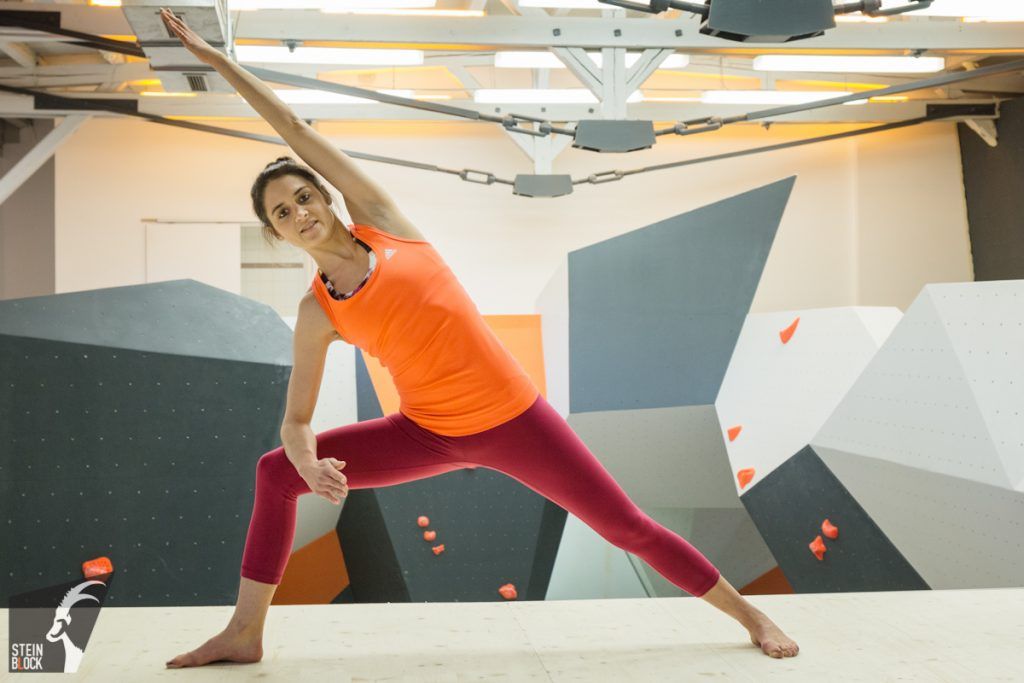

In this article, I’ll be focusing on two aspects of a regular yoga practice that I find particularly valuable for climbing.
I’m not really a yogi. But since I’ve started treating myself to a morning yoga session almost every day, I’ve noticed just how big the benefits are for my climbing. In the early sessions, it took a lot of effort to get started: my body was too tired from training, and the thought of flopping back onto the sofa with my first coffee was just too tempting. Now, the morning session has become routine.
For me, however, there are two things in particular: in yoga, you practise with a full range of motion (ROM). And you improve your breathing – and with it, your concentration and the ability to perform precisely when needed.
Text: Martina Scheichl
Imagine you’re hanging from some really poor holds and there’s only one solution: a hook that’s brilliant, but unfortunately very high up. So you have to lift your heel right up (flexibility) and then push your weight upwards via that foothold (strength). In this situation, you’re generating strength at the very limits of your individual flexibility. A prime example: Margo Hayes on her ascent of ‘La Rambla’.
Yoga is therefore something of a foundation for ‘supple’ climbing – because it involves strength exercises performed at the limits of your maximum flexibility.
In exercise science, this is similar to training the ROM (range of motion): you strengthen the muscle across its entire range of motion, which varies from person to person depending on their musculature and joint structure. Training across the full ROM means contracting the muscle from its maximum stretched position to its maximum shortened position.
This offers significant benefits for building strength:
In short: the combination of stretching and activation is ideal for building larger and stronger muscles. In yoga, this is precisely what you do – holding your maximum individual stretch positions whilst applying force to maintain the pose.
In short: yoga makes us more flexible – and all the stronger for it.
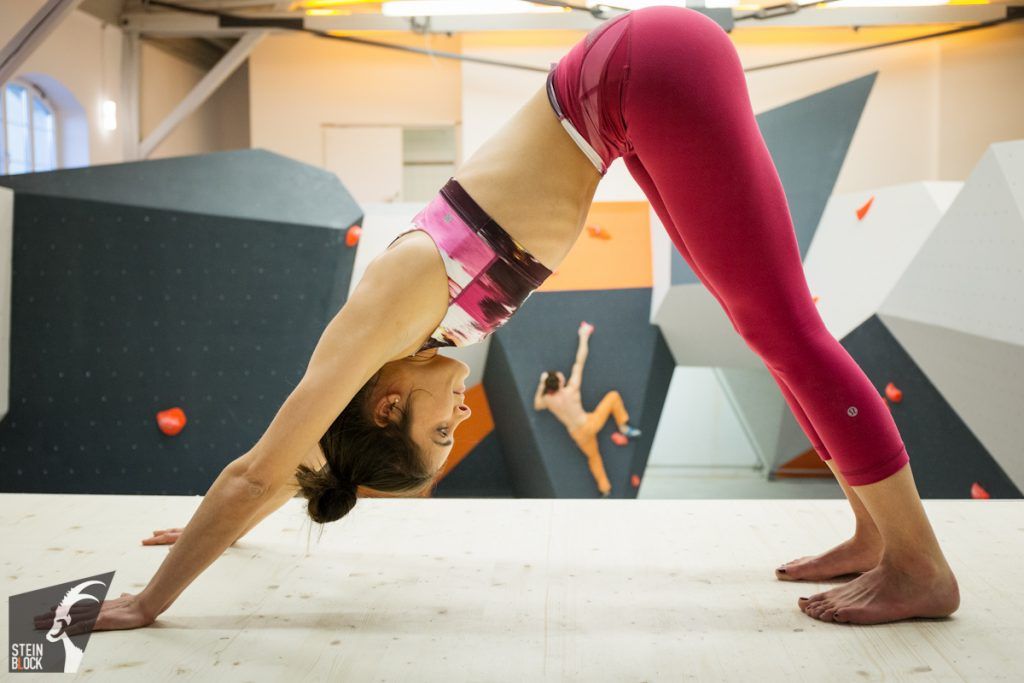
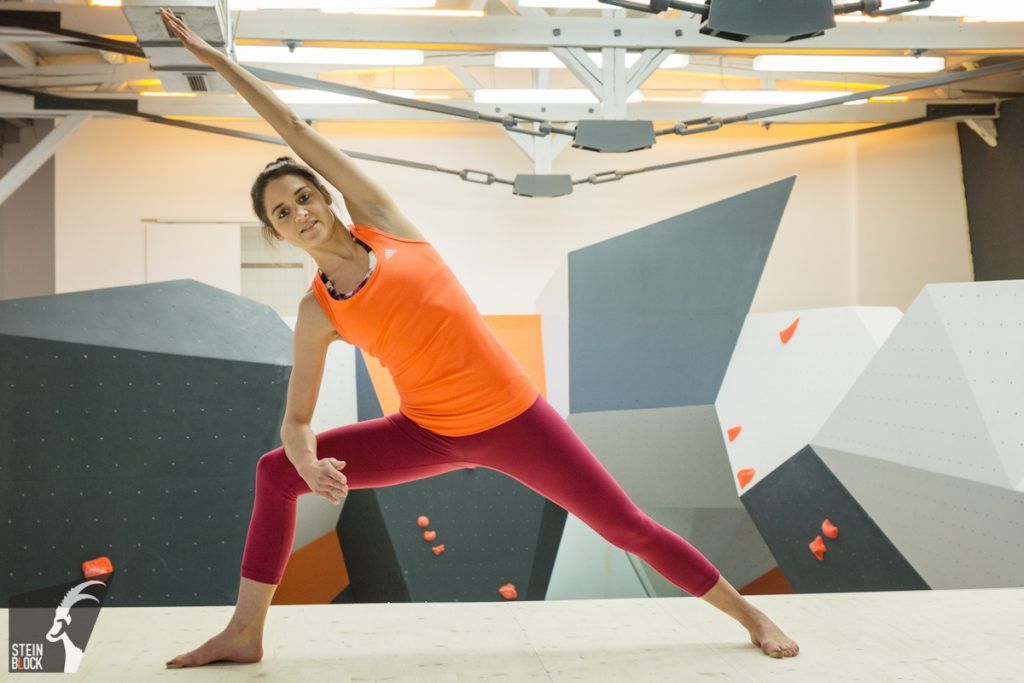
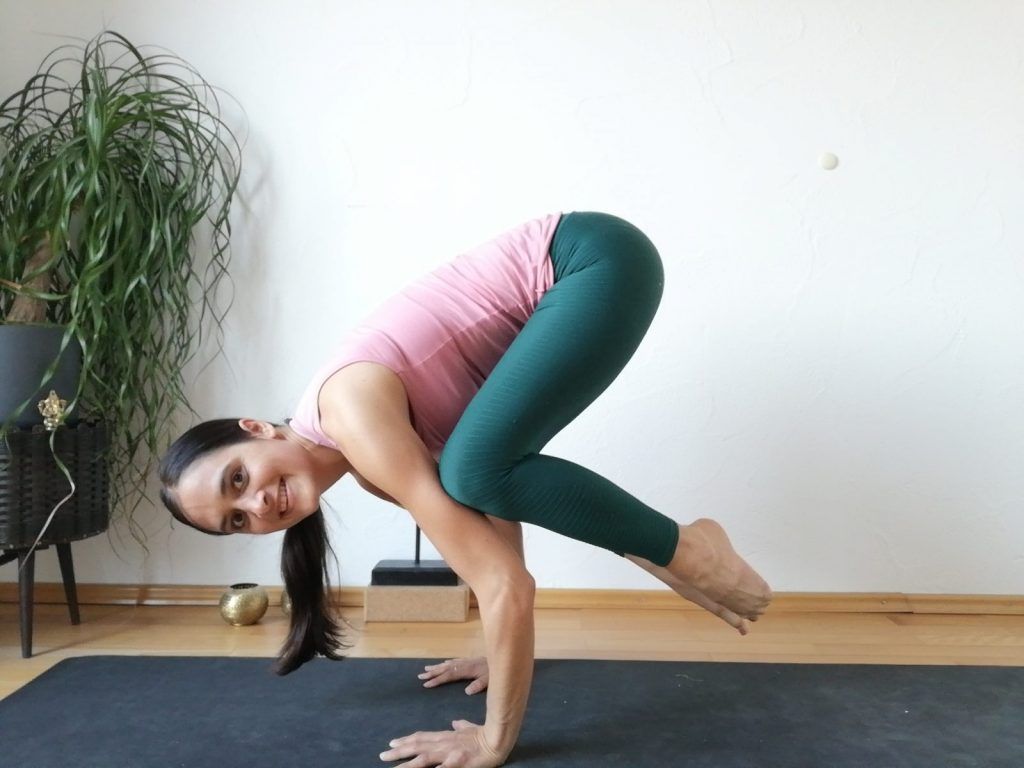
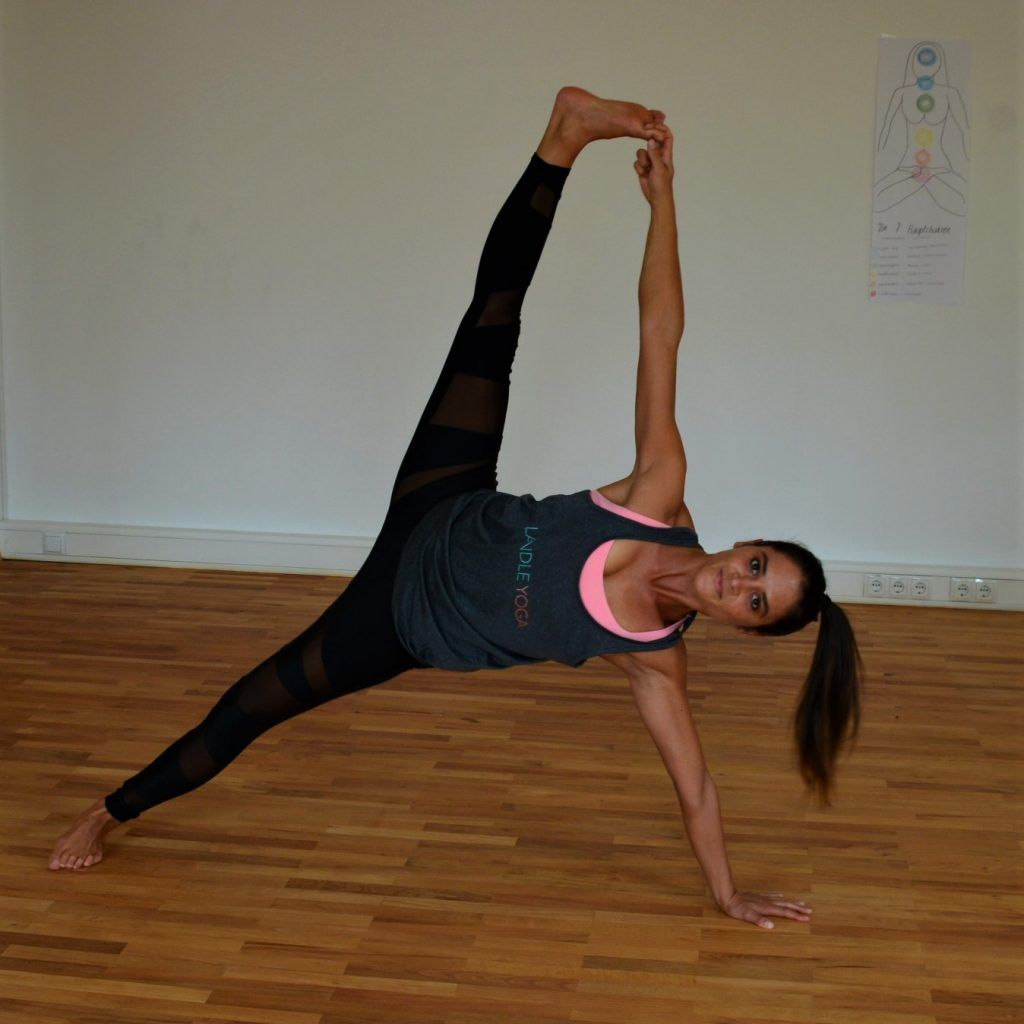
Yoga teacher Nici from Ländle Yoga recommends these poses:
Other recommended exercises:
The second argument in favour of practising yoga regularly concerns breathing – it plays a key role in both disciplines. The yogic concept behind this is pranayama, a term derived from prana (life energy) and yama (control). Put simply: pranayama is the practice of controlling life energy.
In a yoga class, a teacher guides you towards correct breathing – when climbing, you have to teach yourself.
If you want to practise proper breathing, you can follow the structure of a yoga session. Step one: direct your focus inwards through deep abdominal breathing. Step two: apply the correct breathing pattern whilst under strain during movement to climb more efficiently. In this way, breathing becomes an integral part of a successful climb.
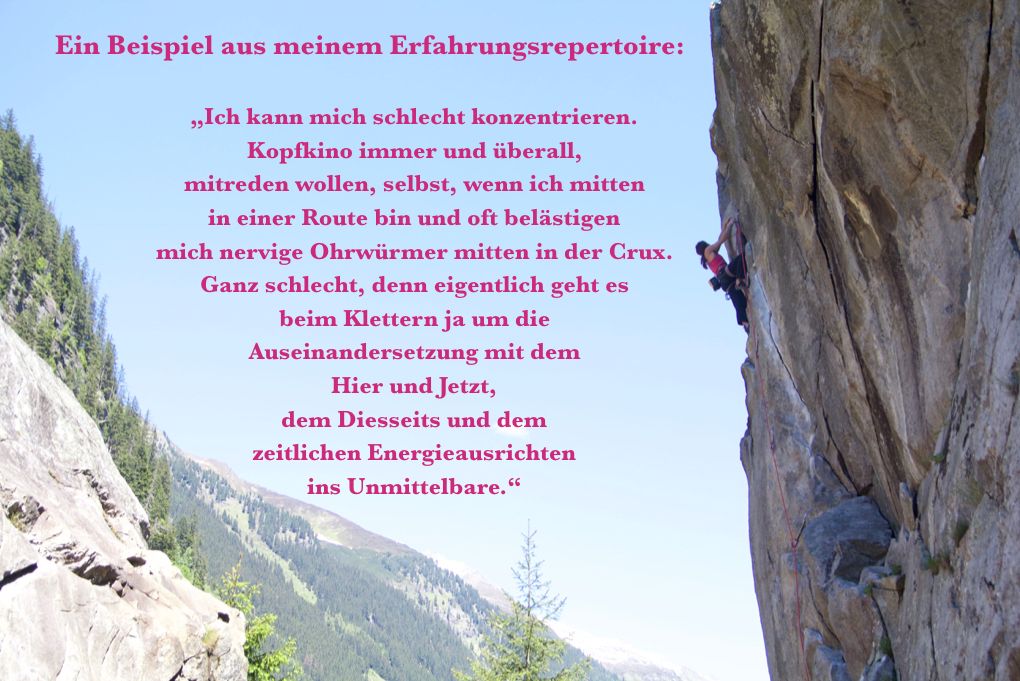
Proper breathing also shifts your focus – away from ‘Get the party started’ playing in your ears, and towards the rock: noticing your footholds, anticipating your movements. This fosters a positive mindset and the conviction that you’ll make it through the move.
And if you’re still not convinced: have a look at the video of Adam Ondra’s ascent of ‘Silence’. Then it should be clear what to do. On that note – happy yoga!
Tips & Safety
Would you like to know more about climbing safety? Click here for our safety tips.

