
How to train your climbing endurance properly
Why running only helps the forearms indirectly, how double-length runs work – and what a week of endurance training looks like that really pays off after six weeks.
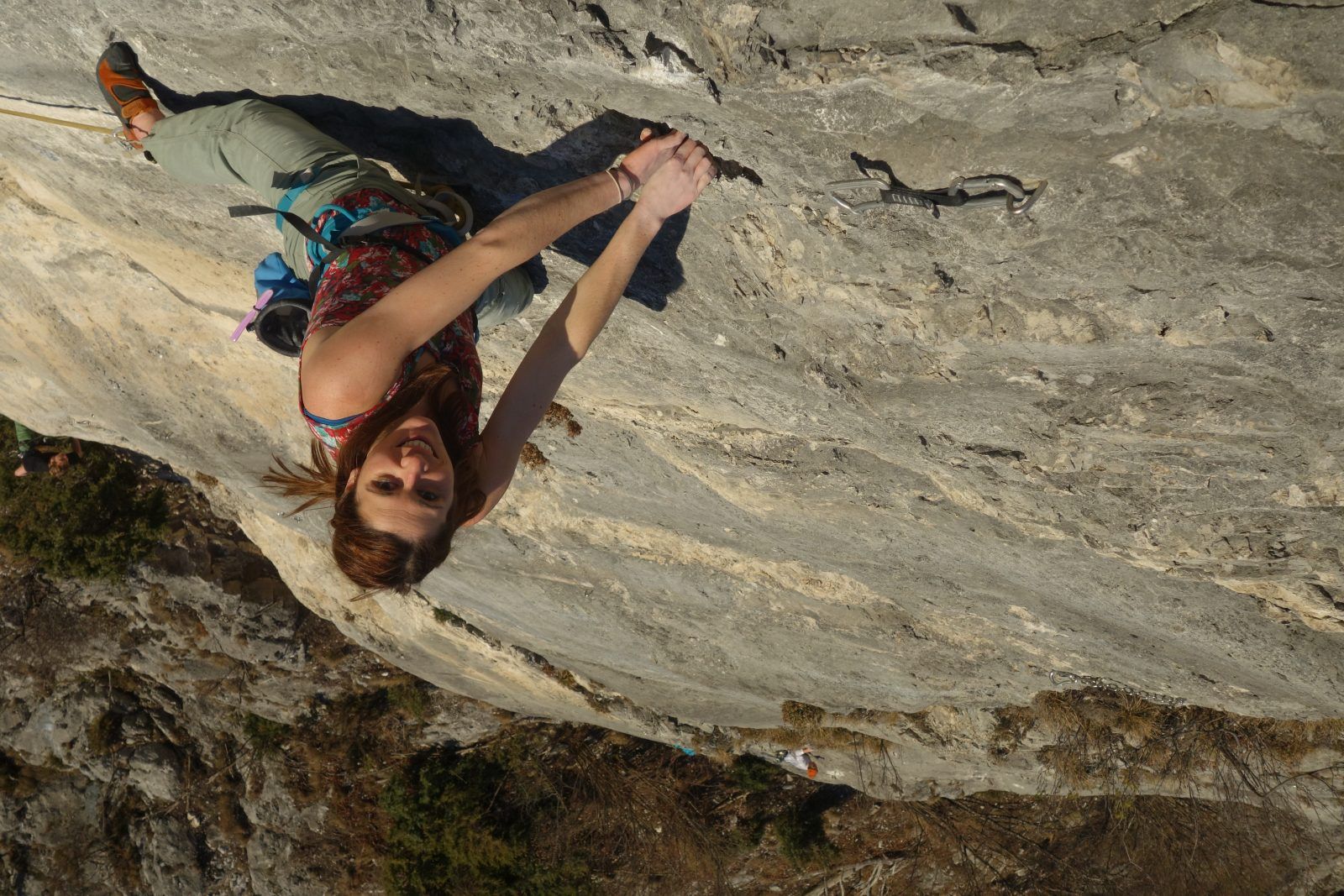

Global endurance, on the other hand, refers – to put it simply – to the overall condition of the body: oxygen saturation and transport within the system, capillary development and recovery. All of these are improved by endurance training.
So one could say: regular running improves overall endurance – whilst regularly covering the same route improves local endurance in particular.
Text: Martina Scheichl
If you build up your general endurance by jogging, this does not directly affect whether your forearm moves quickly or slowly. It ‘only’ has indirect positive effects – but these are significant: you are training the entire cardiovascular system and improving oxygen exchange, oxygen transport and the removal of lactate, which is produced when you’re working hard.
Endurance training also increases the diameter of the blood vessels – the heart pumps more efficiently.
The answer is very simple: go climbing. We could leave it at that – but of course we’ve got a bit more to say on the subject.
When climbing, you’re mainly working in the strength-endurance zone: you need both strength and endurance; one depends on the other. If you’ve got plenty of strength, you tire less quickly because, relatively speaking, you don’t need to grip the holds as tightly. Nevertheless, at some point your maximum strength is exhausted and lactate builds up – the later this happens, the better your endurance.
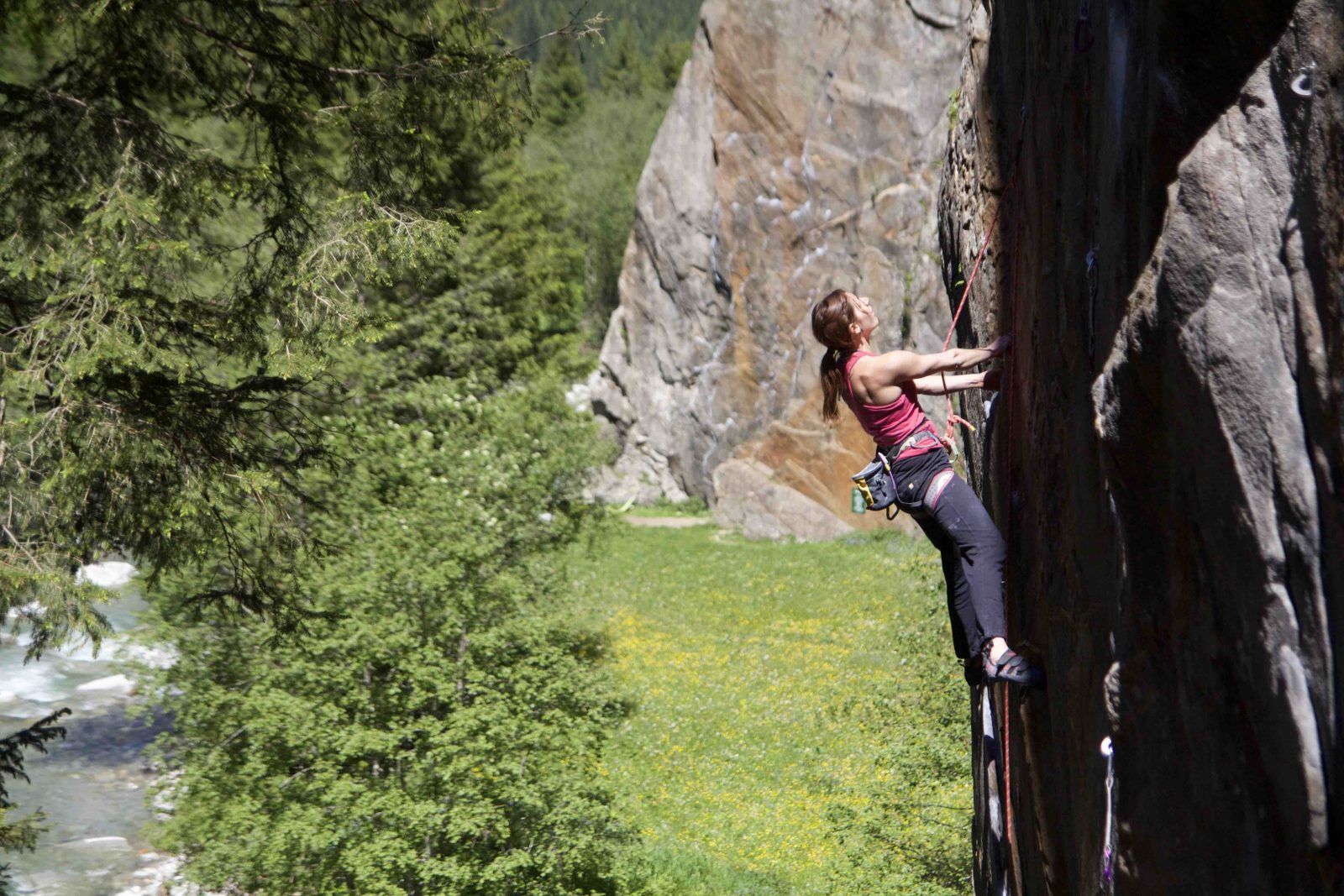
The following methods work both in the climbing hall and on natural rock.
1. Double
pitches: Start on a route that you can just about manage, abseil down, pull the rope through, clip in and start climbing it again straight away without a break. On the second attempt, you should fall off the route – otherwise the Level of Difficulty was too low and you won’t get the training benefit. Aim for around 4 to 6 double pitches per session.
Effect: lots of moves without any long breaks in between. You train yourself to recover more quickly and develop a higher lactate tolerance.
2. Basic training
: You climb at the grade you can just about manage, or at which you fall just before the belay point – completing 7 to 8 routes. The break is important: just a so-called ‘partner break’. This means you start as soon as your climbing partner has finished, i.e. after about 10 to 15 minutes.
Effect: the short breaks force you to recover quickly. You increase your volume and can climb longer and more frequently after the cycle.
3. Classic project climbing
Here you’re pushing the limits of your maximum strength-endurance capacity. This demands both maximum strength and endurance in equal measure – but it’s not so easy to gauge in terms of training: a route that’s too difficult does little for your endurance because you’re standing still too often. 3 to 5 attempts per session, but with a full rest of 30 to 40 minutes in between, sometimes longer.
Effect: improves strength, tactics (finding and using clip points and rest spots quickly) and technique.
What might an endurance week look like? The rule is: from hard to Easy.
If you follow this training programme for at least six weeks with two to three sessions a week – that’s a total of at least 12 to 15 sessions – you’ll soon notice progress:
So, quite a few factors that improve. With that in mind: happy climbing!
Tips & Safety
Would you like to know more about climbing safety? Click here for our safety tips.
