
Local Climbing, Chapter 1: The Imst Holiday Region
A climbing mecca, a town of fountains and a wine-growing region all in one: why it’s worth doing more than just passing through Imst.
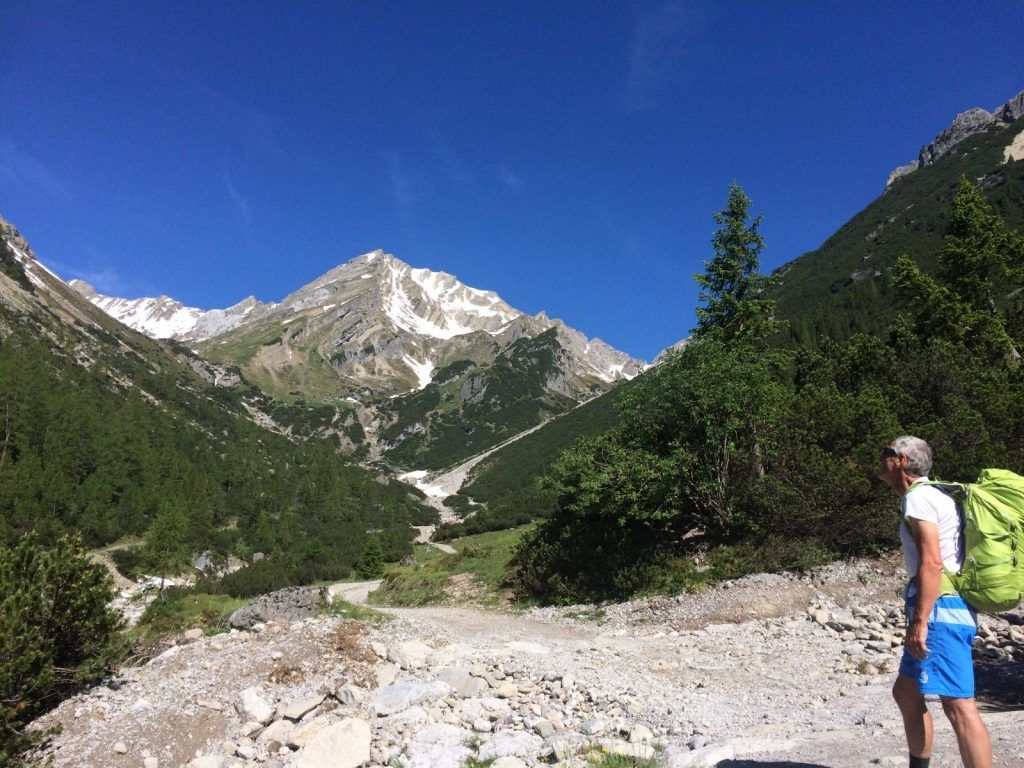

Norway with its fjords, Canada with its national parks, and Lake Garda as a perennial favourite on the climbing calendar – we’ve all had those big travel plans in mind at some point.
Sometimes, however, it’s worth folding the map a little smaller and exploring your own local area. Anyone who does so is often surprised by what there is to discover right on their doorstep. First up is the Imst holiday region.
Text: Susa Schreiner
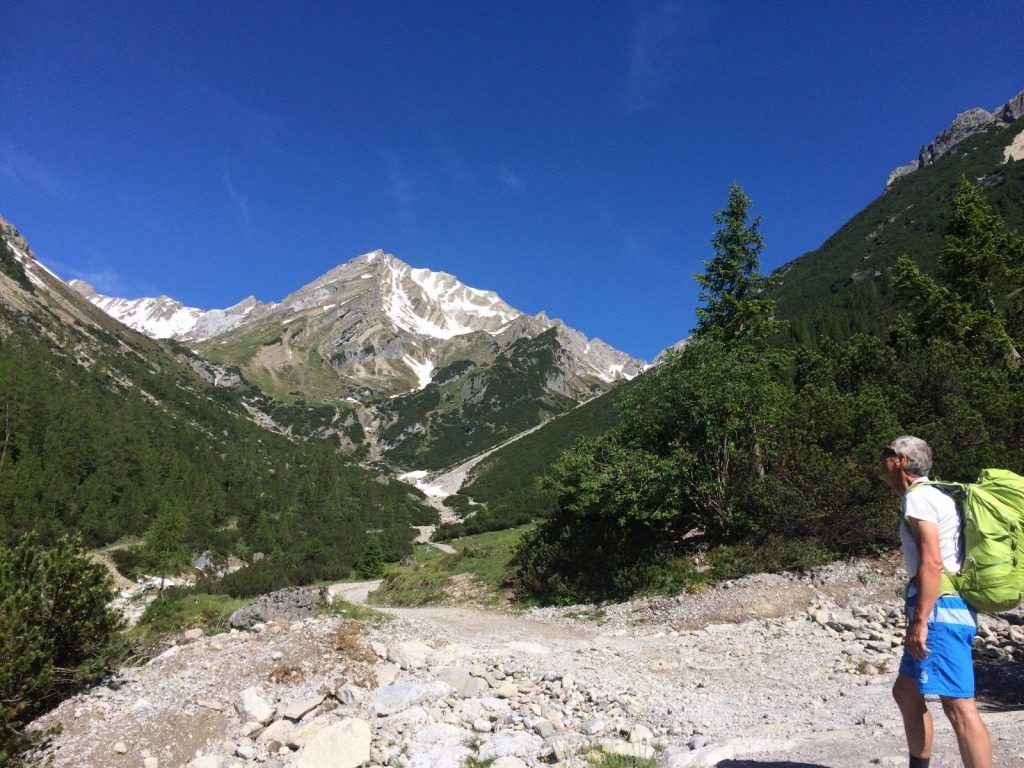
A climbing mecca, a town of fountains and a wine-growing region: Imst has something to offer for a wide range of interests. The town is home to Alexandra Flür, Tirol’s first female winemaker, and Angy Eiter, four-time world climbing champion.
Let’s be honest: most people know Imst simply from passing through – or, to be more precise, from driving past. Stopping off for a while? Rarely. But once you’ve come to appreciate the charms of this somewhat sleepy-seeming district capital and its eight municipalities, you’ll be back.
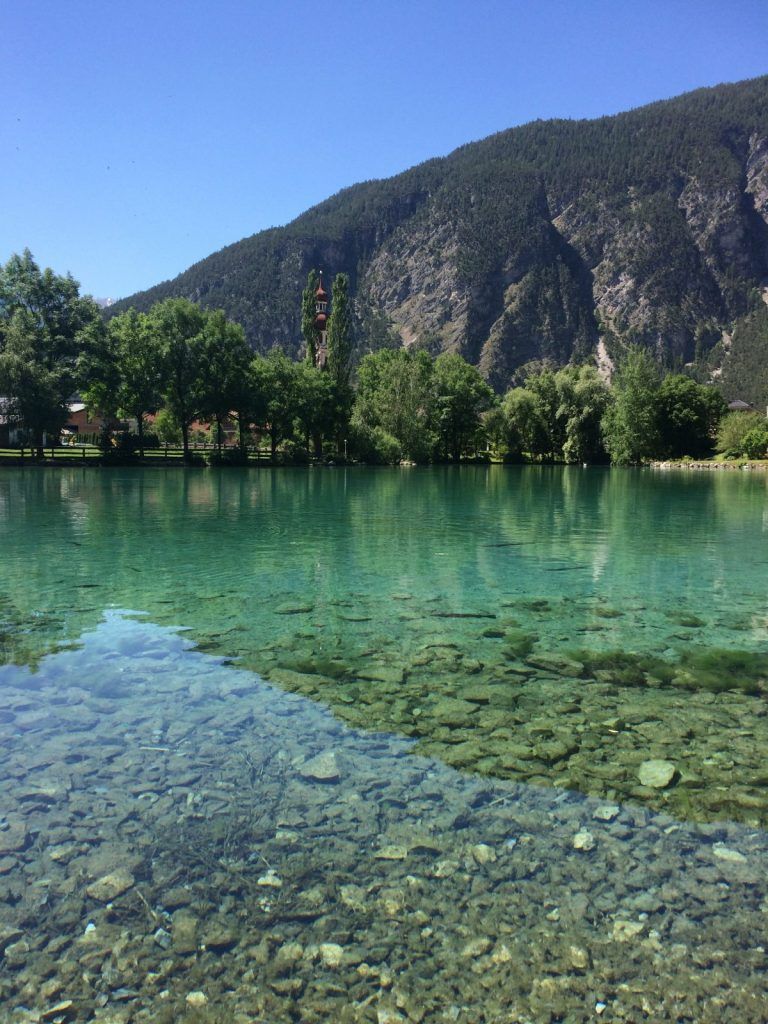
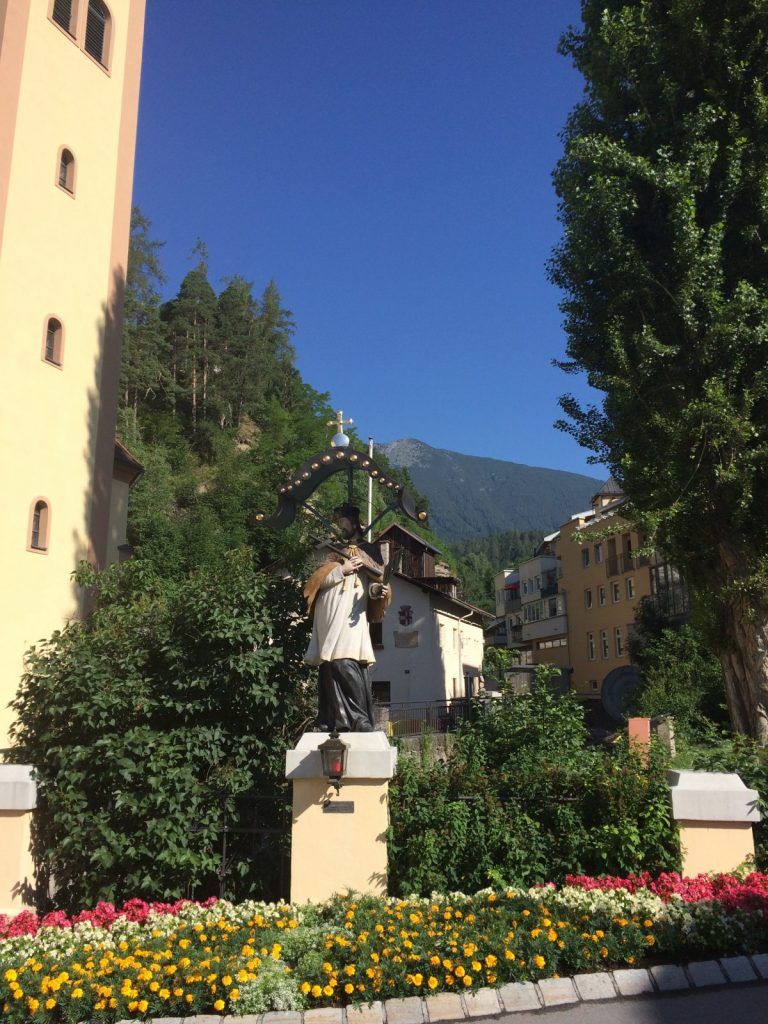
By the way: there are no fewer than 20 fountains in Imst, many of them dating from the 18th century, scattered across the Upper and Lower Towns – all of them providing drinking water. On hot summer’s days, it’s a real pleasure to stroll from fountain to fountain, listening to the splashing water and cooling your arms in the trough.
Imst is proving to be a real hotspot, particularly for climbers: from here, you can head out in all directions to magnificent areas that have something to offer for almost every level of ability.
In total, there are 17 sport climbing areas to choose from – ranging from Easy to difficult, from close to the town to high above the valley.
The Rote Wand is ideal for climbing – a massive rock face with seven sectors and over 150 sport climbing routes. It is situated in Karres, a village just a stone’s throw from Imst.
For a taste of France, we recommend the small climbing area of Petit Verdon, also in Karres. As at the Grand Canyon, you have to abseil down to climb here. In return, you’re rewarded with a stunning landscape and views of the River Inn.
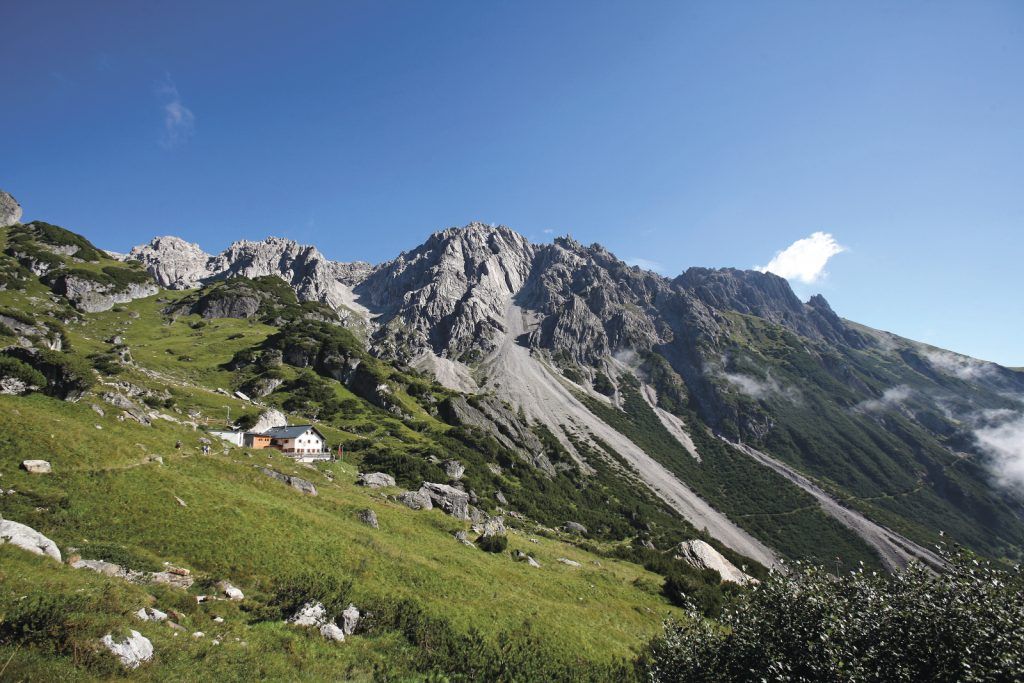
A dream climbing area unfolds around the Muttekopf Mountain Lodge/Hut, at a good 2,000 metres above Imst. You can reach the Mountain Lodge/Hut either by cable car or on foot – or by combining Mountain biking and hiking.
Depending on your approach, it takes between 30 and 70 minutes to reach the hut’s terrace. First, take in the view; then you’ll be spoilt for choice: when it’s really warm, start at the Muttekopf Rock Climbing Area above the Mountain Lodge/Hut – from late morning onwards, there’s shade there and usually a gentle breeze.
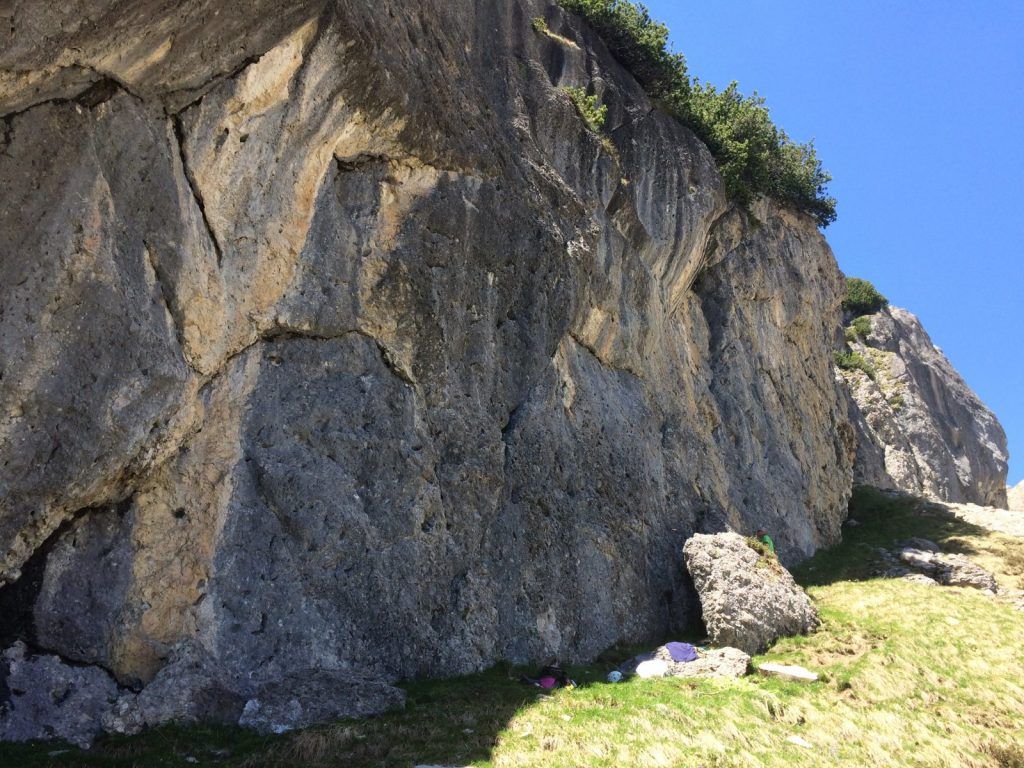
On days when it’s not too hot, head for the east face of theGuggerköpfle. For fans of crack climbing, it’s a paradise – the routes are absolutely top-notch.
And because long summer days are made for enjoying life to the full: you shouldn’t miss out on a sundowner at the Muttekopfhütte. A panzanella – an Italian bread salad – accompanied by a glass of sparkling white wine – and there you have it: an Italian moment in the Tirolean mountains.
Climbing days around the Muttekopfhütte are something special. Angy Eiter also makes the pilgrimage up here regularly to clear her head on a few climbs.
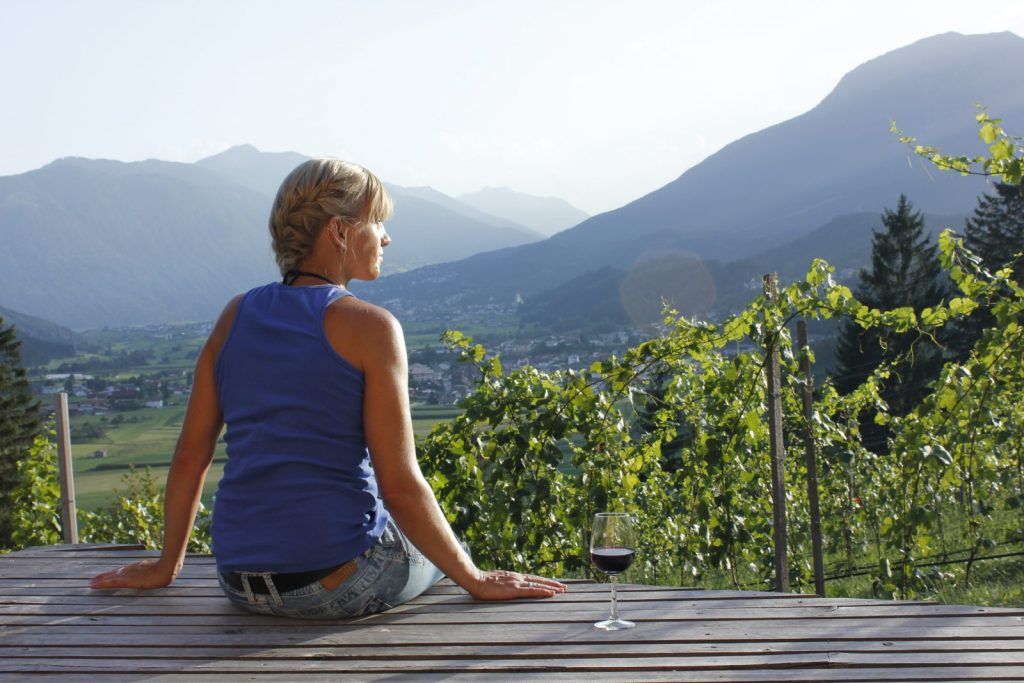
For wine lovers, a visit to Tarrenz to meet Tirol’s first female winemaker, Alexandra Flür, is a lovely way to round off a special day’s climbing. Her white wines – Chardonnay, Müller-Thurgau, Solaris – have long been known far beyond Tirol’s borders and are highly regarded by wine connoisseurs. The winegrower tells her story with the same sparkle and smoothness as her wines in the glass. The snacks served with the wine tasting are simply divine.
A trained hairdresser, she believed in viticulture in Tirol; a single vine on the farm set the idea in motion. She is now a full-blooded winemaker and sommelière – the latter mainly to counter the sceptics who still remain. Flür has not only convinced her Family of the merits of viticulture, but has also turned her home town of Tarrenz into a hotspot for North Tyrolean winegrowing.
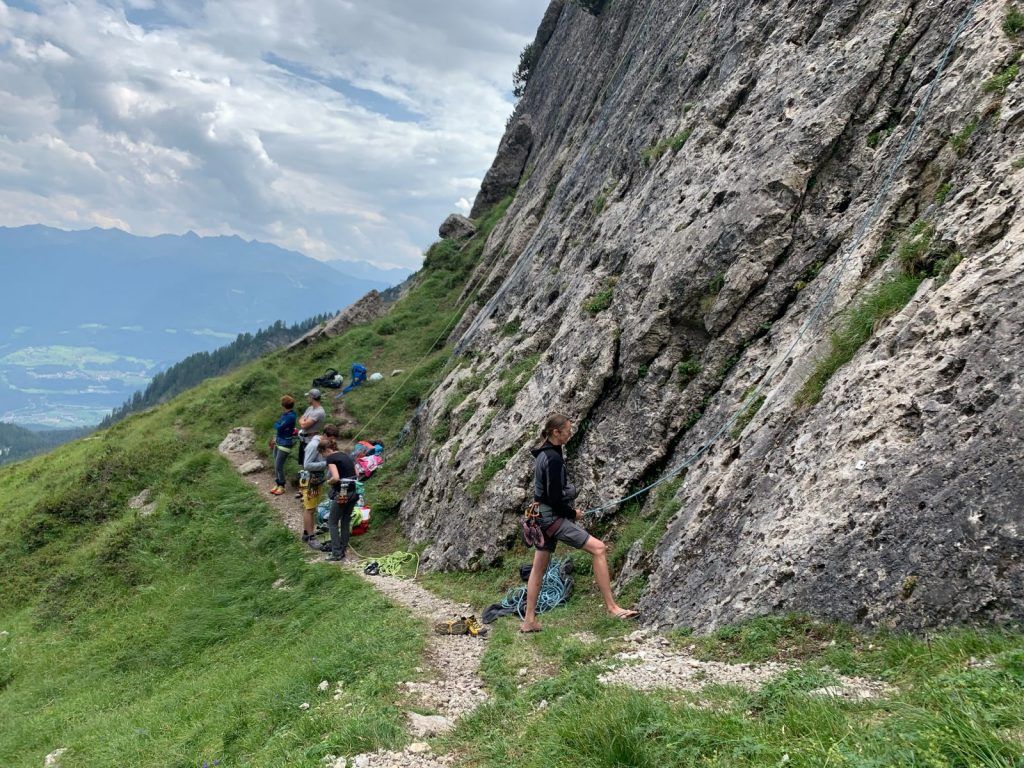
Anyone feeling a bit guilty about the delights on offer at Flürschen’s wine cellar should head to Tarrenz first and tackle a few short, challenging routes at Knappenwelt. There are seven of them there; at 12 metres they’re rather short, but certainly challenging: alongside a few projects, the grades start at 6c+ and go up to 7b. Afterwards, a slice of bread with bacon and a glass of wine are an absolute must.
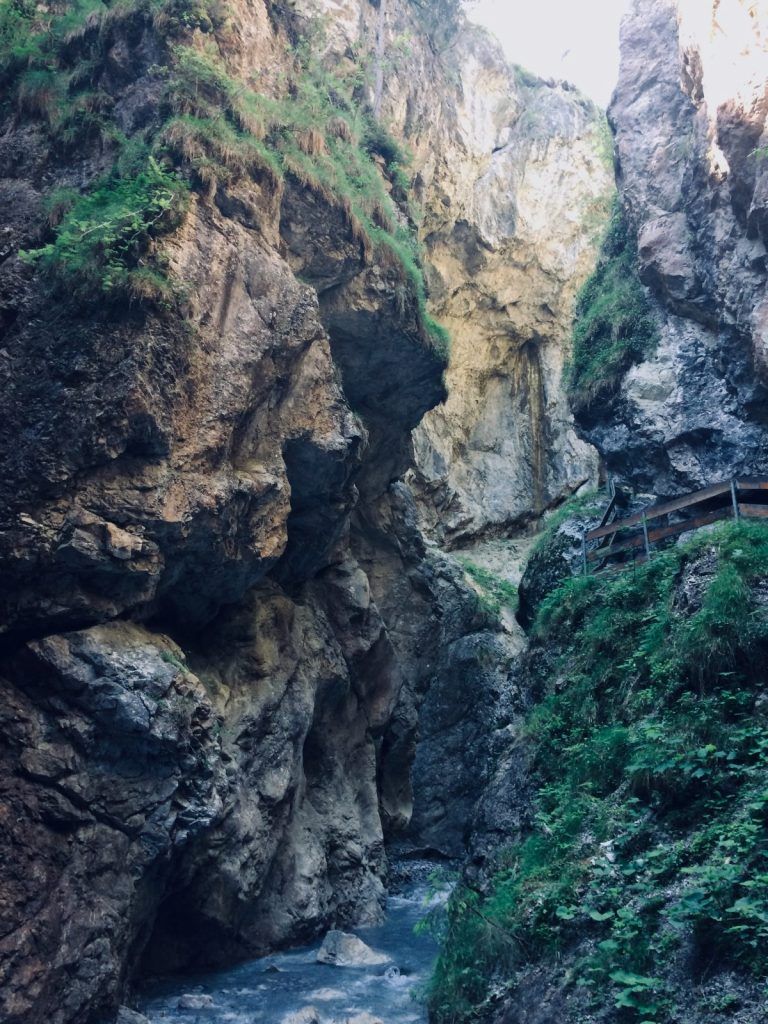
In the 14th and 15th centuries, Imst was one of the major centres of mining. Lead, in particular, was sought after, with the rock being removed using the fire-setting method – a process that, amongst other things, created the ‘Blaue Grotte’ at the start of the Rosengarten Gorge. The gorge is a canyon right in the heart of the town; in many places, the water cascades spectacularly down towards Imst. On hot summer’s days, the path along the water offers a pleasant stroll with lovely viewpoints – including a view of Tirol’s tallest church tower, built in the Middle Ages as a symbol of prosperity and piety.
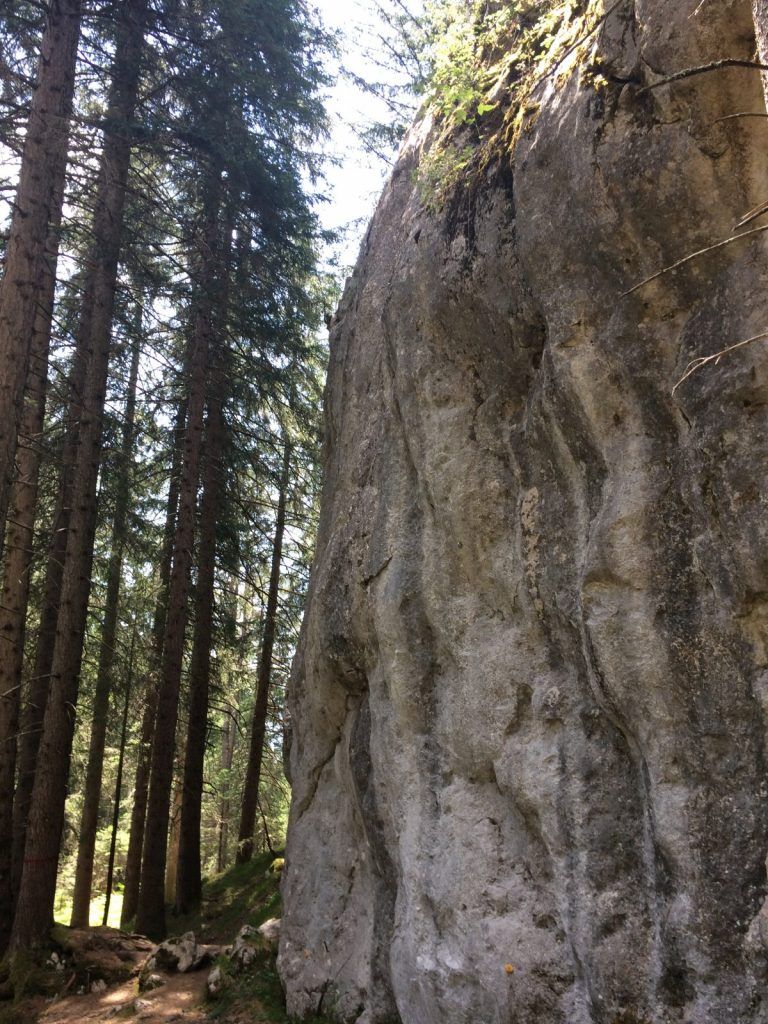
If you’re looking to enjoy a really relaxing day out, the Reithle climbing and bouldering area is the place for you. Scattered deep within the forest are boulders perfect for Bouldering and climbing, whilst the clearings in between are ideal for a nap or a picnic.
The area is easily accessible via the so-called Opferstockweg from the Obermarkter Alpine Pasture. The path’s name stems from a legend: along the way lies the rather menacing-looking boulder known as the Sprisselstein. The people of Imst have always feared that it might tip forward and carve a destructive path down into the valley. To prevent this, a quick prayer is sent up to heaven at the wayside shrine next to it – and the boulder is also propped up with small twigs.
Tips & Safety
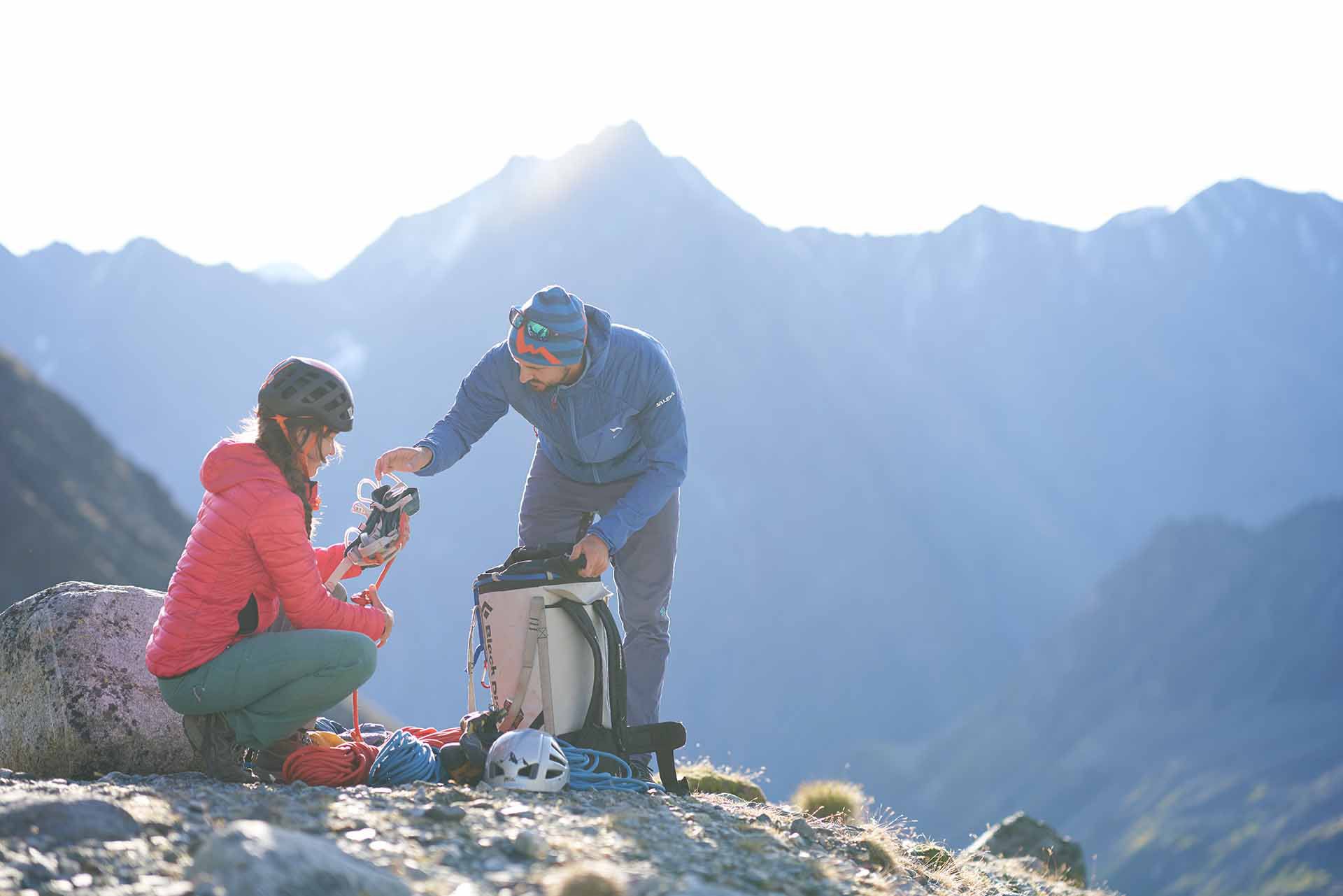
Would you like to know more about climbing safety? Click here for our safety tips.


