
Klaus Isele: The Climbing Rescuer
As a physiotherapist and osteopath, he understands climbers’ bodies like few others – and, with the ‘Isele Method’, has developed his own approach to finger therapy.
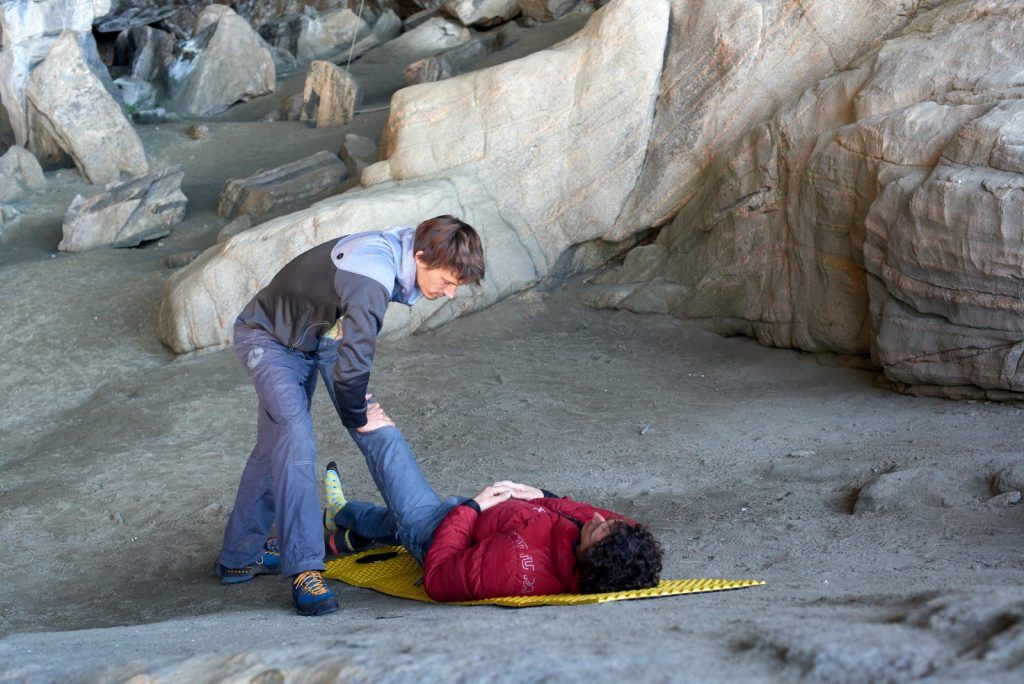

The ‘Isele Method’ for treating finger problems has attracted athletes of all levels to him – from complete beginners who were a bit too keen when hanging from the fingerboard, to professionals such as Anna Stöhr and Adam Ondra.
It is the latter, in particular, whom Klaus Isele has named his personal physio guru – and more than that: the man from Vorarlberg made a significant contribution to the realisation of Ondra’s masterpiece ‘Silence’ (9c) in Flatanger. What was, at the time, the world’s hardest route could only be completed because the two of them had not only perfected Ondra’s repertoire of moves, but also pushed it to the very limits of what is possible.
Interview: Martina Scheichl
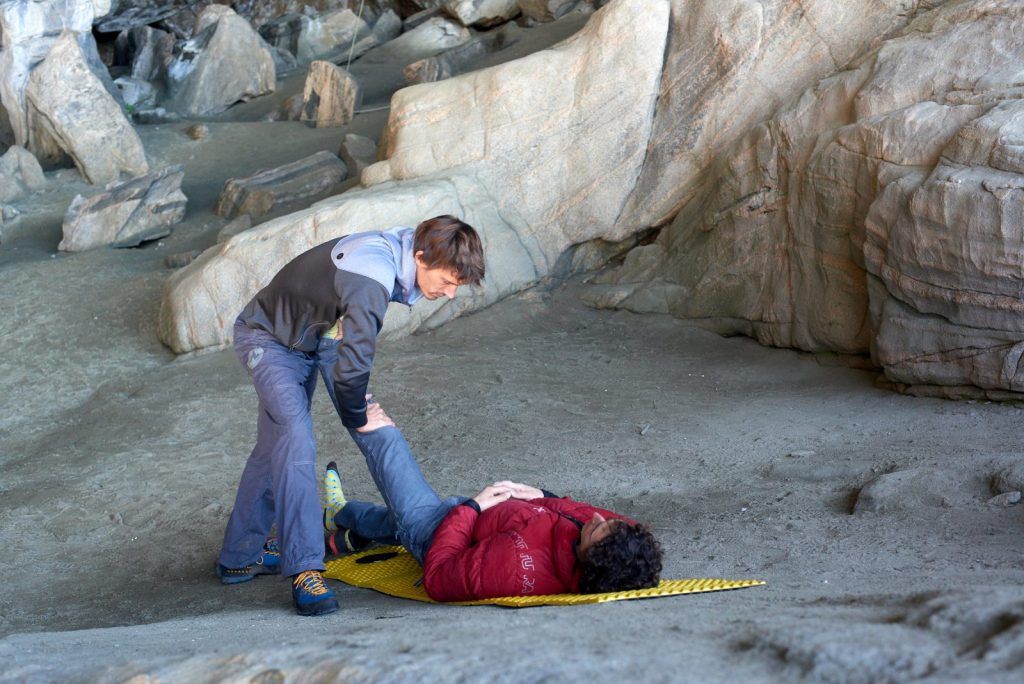
Adam Ondra is one of the most versatile climbing talents in the world. How on earth could you possibly help a climber who has perfected his skills to such an extent?
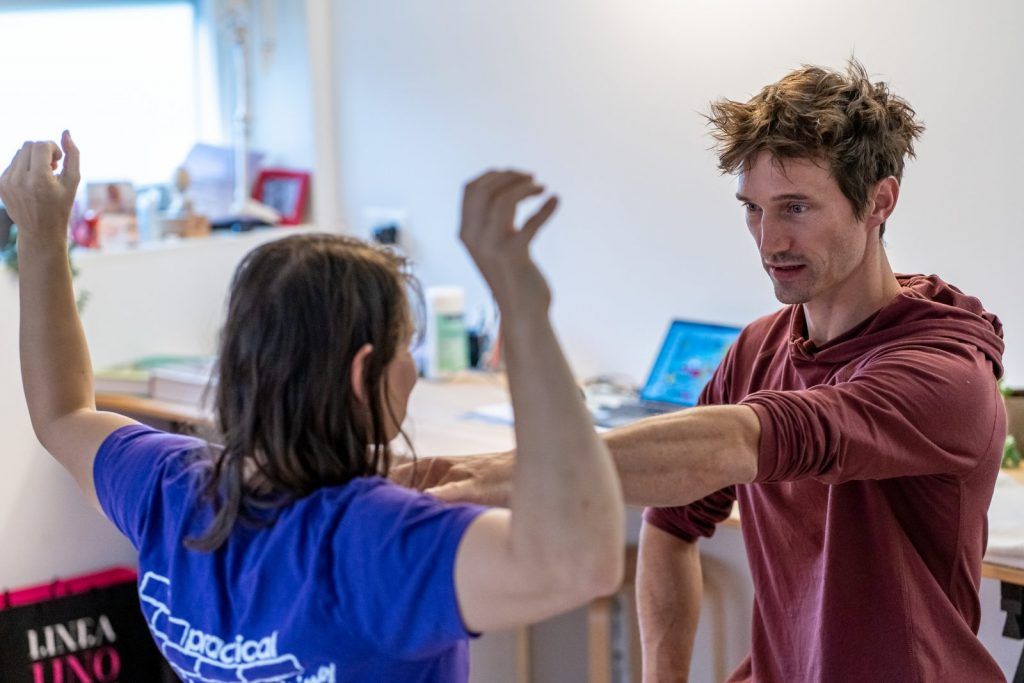
Klaus Isele:Someone who competes at such a high level in a sport as Adam does has a very clear understanding of what he can do – but, above all, of what he cannot. Adam was able to tell me very precisely in advance what he needed and what he wanted to work on. With ‘Silence’, this mainly concerned moves that weren’t possible due to the range of motion in his joints: he had an idea for a move, but it simply couldn’t be executed. I suggested alternatives to him to make his seemingly impossible idea possible. To do this, you need to understand anatomy and physiology – but above all, you need to be able to assess an athlete.
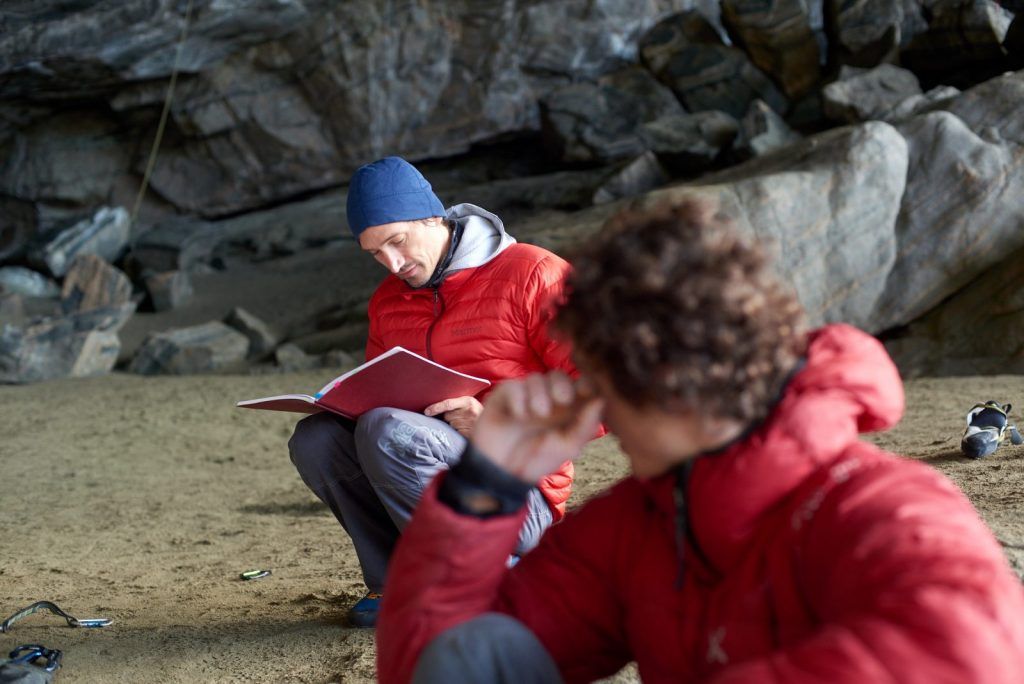
How important is prevention when it comes to finger injuries in climbing?
Klaus Isele:For climbers, finger injuries are among the worst things that can happen – and yet there is a lack of standard treatment methods and published guidance on what can be done in terms of both prevention and rehabilitation. Taking a break from climbing is still one of the most common measures, and at the same time the least welcome. Some doctors or therapists who aren’t familiar with climbing may not realise that this not only means giving up climbing, but in some cases can also result in the loss of an entire social network. After all, it’s ‘just a finger’.
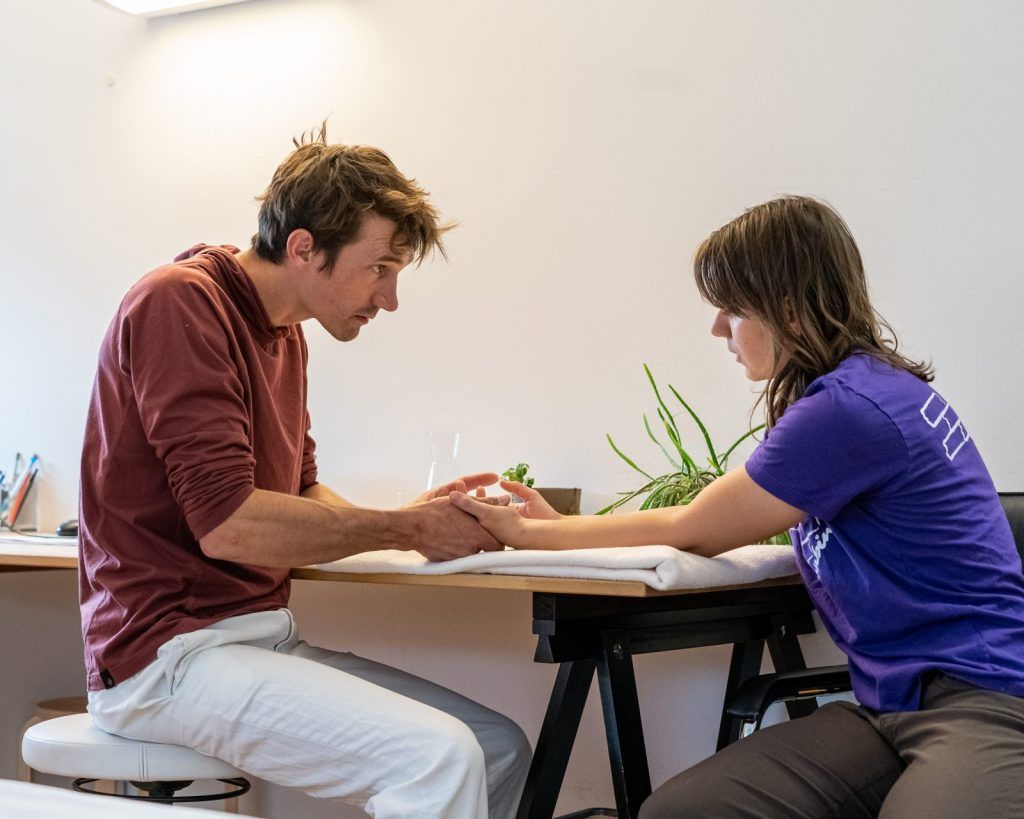
The ‘Isele Method’ has already made a name for itself. How does it work?
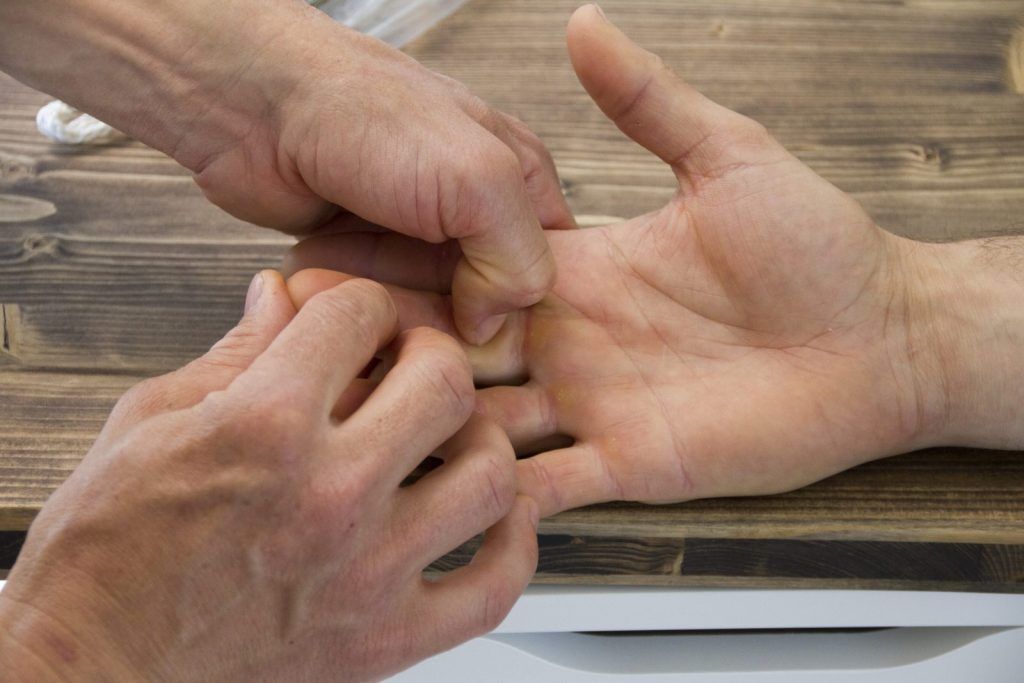
Klaus Isele:It is based on classic manual therapeutic techniques, drawing on elements of osteopathy and physiotherapy. What makes it special is the way it creates standardised yet individualised conditions: on the one hand, to pinpoint the pain points; on the other, to make the success of the therapy quickly measurable. It allows for an optimal response to each individual patient – every pain and every injury is unique – and improvements can be seen within a single session. For patients, this is an enormous advantage, as they often receive overly cautious diagnoses based on a description of symptoms that is not very reliable.
You’re only fully recovered once you’ve stopped thinking about the injury.
Klaus Isele:That’s right. At the moment, a community of physiotherapists is emerging who want to learn and apply this methodology. Furthermore, another scientific study is in the pipeline to prove its effectiveness. These developments are a great honour for me.
Is the high level of interest also linked to the fact that more and more people are taking up climbing – and that this means more clients for therapists?
Klaus Isele:There are a number of trends emerging in popular sport. Climbing is booming. But around 80 per cent of climbing centres offer Bouldering, whilst only around 20 per cent offer sport climbing – this trend is similar across the board in America, Europe and Asia. Consequently, there are far more injuries overall, because Bouldering places a much greater strain on the body due to its higher intensity. Not just on the fingers, of course.
Has the new competition format had an impact on the injury profile?
Klaus Isele:In competitive sport, it is more often cases of exhaustion that lead to various injuries. The Olympic format helps to separate the wheat from the chaff even more – because it’s all about who can actually cope with such a high training volume. This is compounded by a lack of nutrients, as a low body weight is clearly an advantage. It’s a dangerous combination.
You have a YouTube vlog: ‘How to feel good as a climber’. What’s the concept behind it?
Klaus Isele:In the vlog, I discuss common injuries: how they occur and how to protect yourself from them. The aim is for everyone to know how to take preventative measures for themselves. If you understand your body and know how to interpret minor aches and pains, you can take appropriate steps to avoid them in the long term.
What do you recommend to stay injury-free?
Klaus Isele:It’s actually very simple: above all, you shouldn’t let yourself be swept up in group dynamics – who’s doing what, when and how often. The most important thing is to develop awareness of your own body and to listen to it. You need to take minor aches and pains seriously at an early stage.
„The person who reacts sooner – and therefore more wisely – is the one who climbs for a longer distance and more often throughout the year.“
Tips & Safety
Would you like to find out more about climbing safety? Click here for our safety tips.

