
Hit the crag: Tips from a Mountain Guide for the Rock Climbing Area
I’m new to the Rock Climbing Area – what do I need to bear in mind? A Mountain Guide explains the differences compared to an indoor climbing centre.
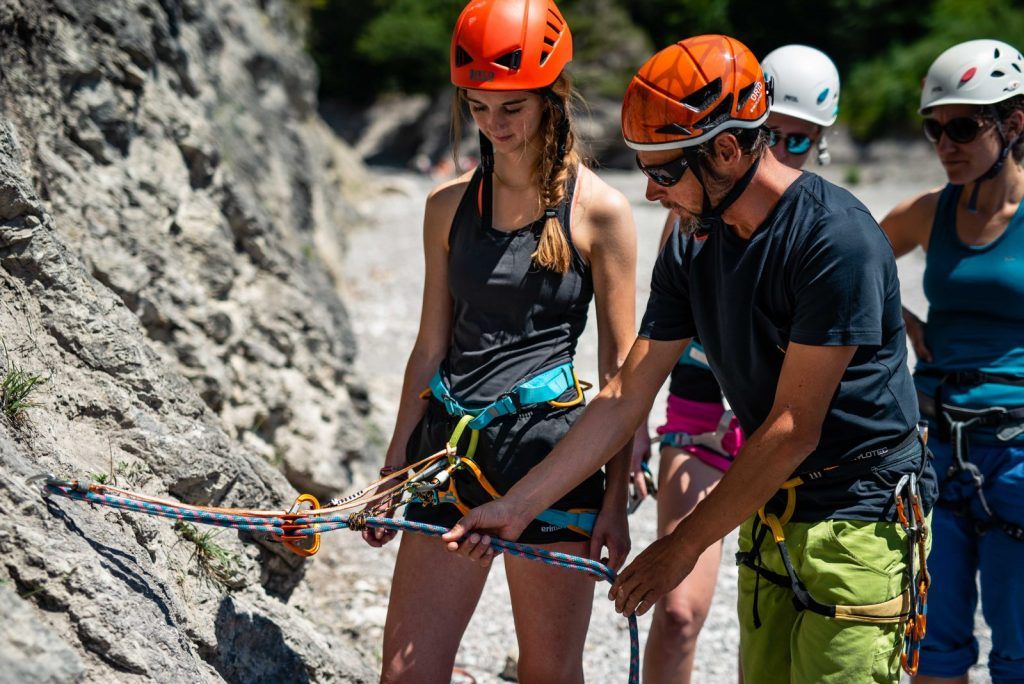

Gerhard Mössmer, a SAAC Mountain Guide and Tirolean sport climbing instructor, explains what matters when making the transition from the climbing gym to the crag.
Just because you’re safe indoors doesn’t mean you’re safe outdoors: there are no falling rocks, adverse weather or steep terrain in the hall – and the rope is always long enough there.
Interview: SAAC

Gerhard Mössmer:Typical hazards include falling rocks from above – wear a helmet! – or rockfalls along the route. You should also always keep an eye on the weather and, particularly if a thunderstorm is imminent, start your descent in good time.
Gerhard Mössmer:During the ascent and descent, you should watch out for steep terrain. This can also be the case at the start of routes. Always be vigilant – especially when looking up whilst belaying.
In a nutshell:
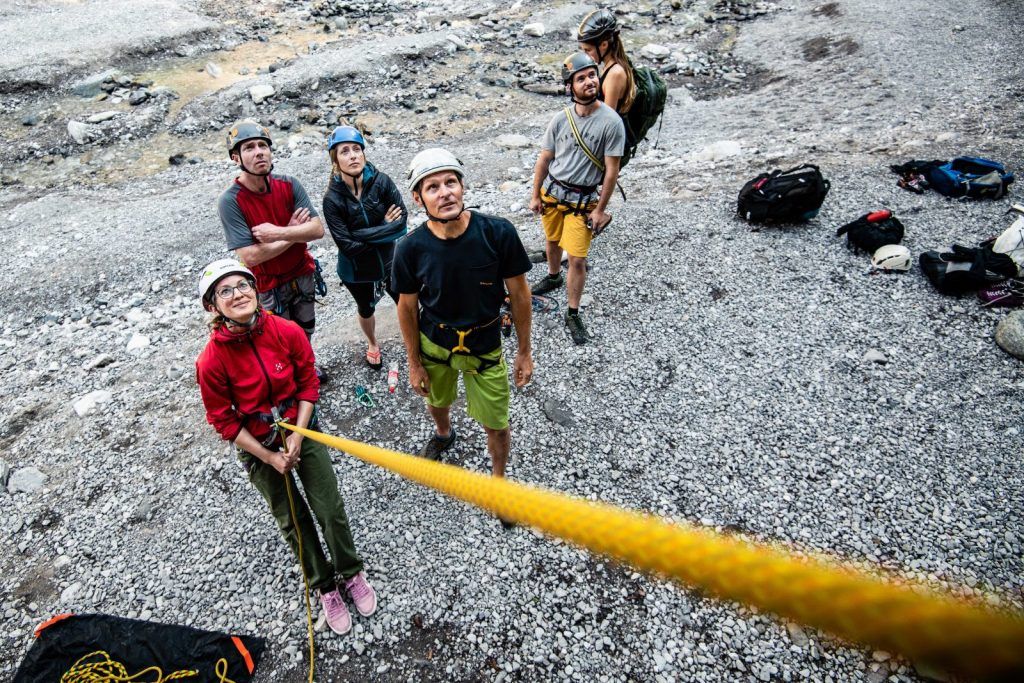
Gerhard Mössmer:As well as the climbing kit we’re familiar with from the indoor climbing centre – harness, rope, belay device – you’ll need plenty of quickdraws and a rope that has enough distance. This can vary depending on the Rock Climbing Area; you might need 70 to 80 metres.
Gerhard Mössmer:A helmet to protect against falling rocks is just as much a part of the kit as a screw-lock carabiner for any adjustments needed on the belay device. Good planning in advance can help avoid nasty surprises in Rock Climbing Areas – rope too short, not enough quickdraws, and so on.
And if you want to know where routes are currently closed or where a bolt is missing: check the hazard reporting centre.
Tips & Safety
Would you like to know more about climbing safety? Click here for our safety tips.

