Hexenkessel in the Pitztal: a gneiss playground for experienced climbers

Where the Pitztal narrows into a V-shaped valley and the glacier glistens white even in summer, you’ll find the Hexenkessel: a gneiss area with 85 routes – not a spot for beginners, but a playground for anyone who feels at home on routes from grade 7 upwards.
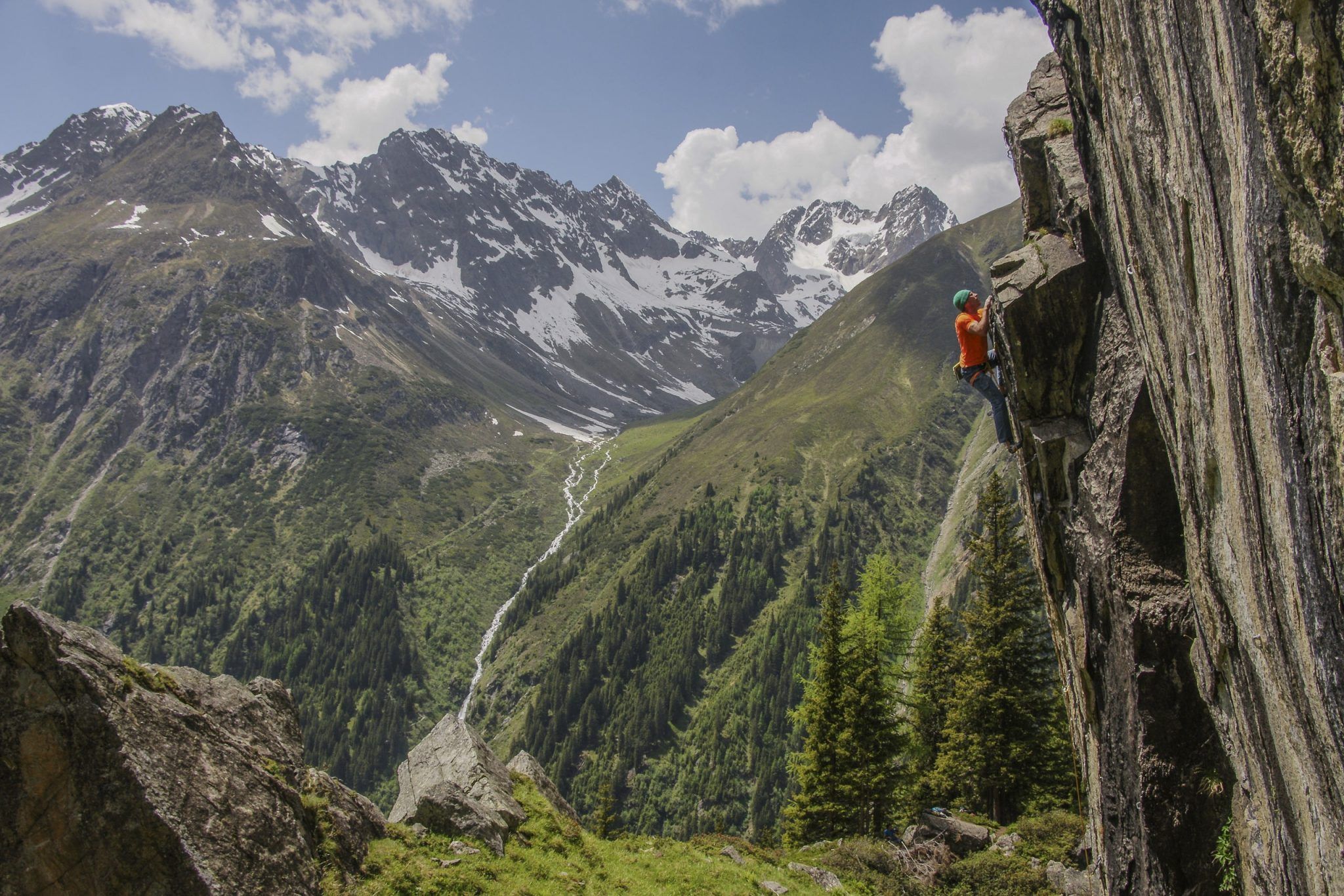
Climber on a gneiss wall at the Hexenkessel, with the Pitztal valley and glaciated peaks behind

The gneiss dance floor is now open

Where the Pitztal narrows into a steep V-shaped valley, where waterfalls plunge thunderously into the depths and the ice of the Pitztal Glacier glistens white even in summer – that is where the Hexenkessel climbing area is situated.

The Hexenkessel near Plangeroß in the Pitztal is not a beginners’ area, nor is it the ideal place to make the transition from the climbing gym to the crag. Instead, it is a real playground for experienced climbers who are particularly at home on routes from grade 7 upwards.

To warm up and get used to the gneiss, ‘Wild Men Weekend’ in the Platysma sector is a great option. Those who want to get straight into the thick of it will find steep crack and dihedral climbing on the three-star route ‘Ezechiel’ (6c). BAM.

Text: Susa Schreiner

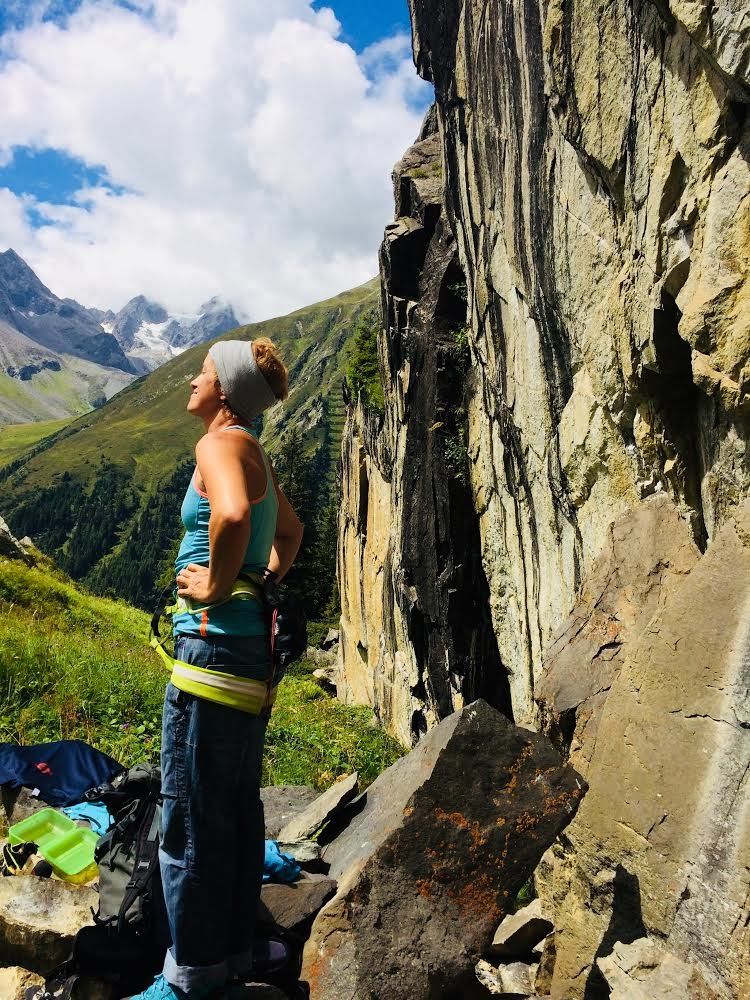
Author Susa Schreiner at the rock in the Hexenkessel

Access: half an hour’s walk towards the Rüsselsheimer Hütte

The starting point is the car park for the Kaunergrathütte and the Rüsselsheimer Hütte near Plangeroß, almost at the end of the valley. From there, follow the path leading up to the Rüsselsheimer Hütte, which perches high up like an eagle’s nest. After just under 30 minutes, you leave the hut path: one more cairn, a few raspberries by the side of the path in late summer – and suddenly the ‘Hexenkessel’ comes into view.

The spot is peaceful; all you can hear is the murmur of the water. The view stretches as far as the Pitztal Glacier, towards the Kaunergrathütte and the Watzespitze.

Tip: The access is short and straightforward – so do pack plenty of provisions. The panoramic picnic after the climb is well worth the extra weight.

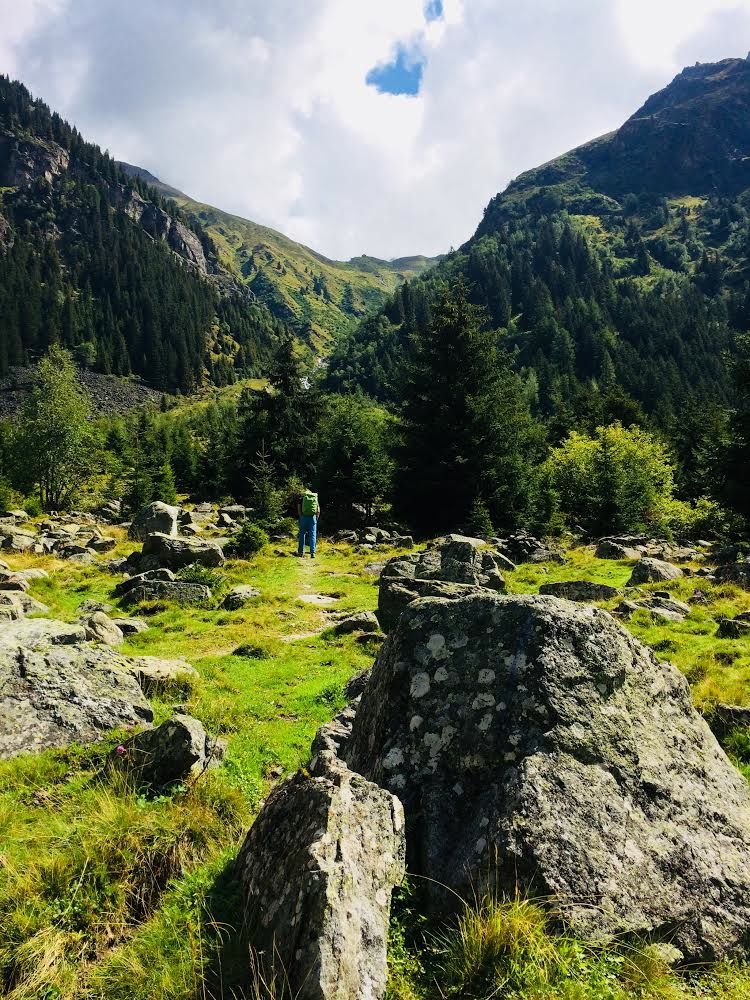
Path between boulders in the Pitztal valley

Sectors, rock and the best time

The area is divided into a ‘lower’ and an ‘upper storey’. The lower storey, in particular, promises a full day’s climbing with plenty of outstanding routes and a meadow at the foot of the wall. The sectors include Platysma, Hauptsektor, Pitzexpress, Genusswand and Panoramawand.

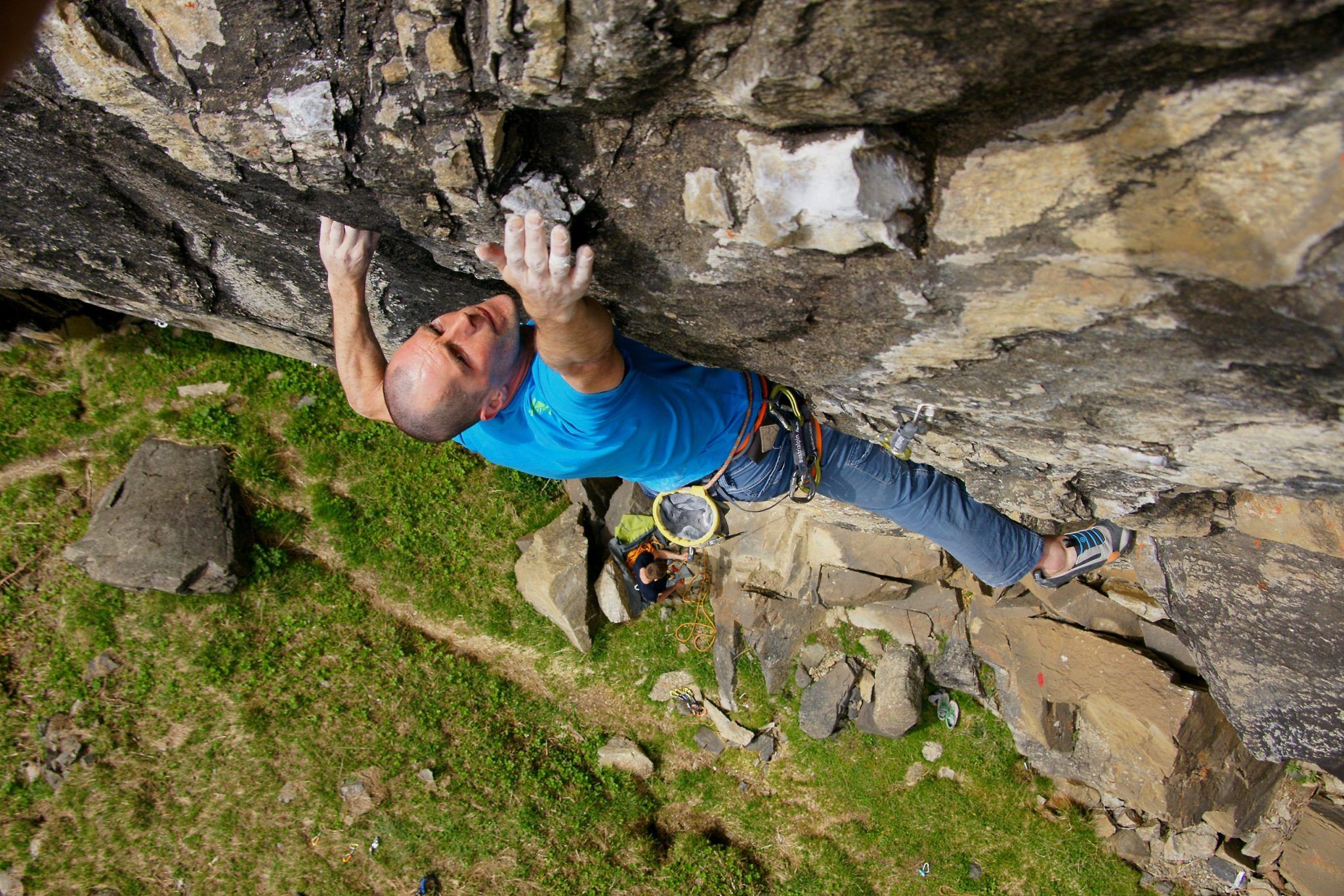
Cracks, dihedrals, slabs, ledges, overhangs: climbing on gneiss is varied – and often challenging. More than half of the routes are graded at French grades 7 and 8.

The walls face south-west. On hot summer days, it can therefore get quite warm even at 2,000 metres. Late spring, early summer and autumn are ideal. Please note: in spring, it is essential to check the avalanche conditions.

At a glance

  • Routes: 85, 8 to 35 metres long
  • Difficulty: 5a to 8c+ (including 33 routes at grade 7 and 25 at grade 8)
  • Rock: Gneiss, vertical to overhanging
  • Exposure: South-west, around 2,000 metres above sea level
  • Access: about 30 minutes
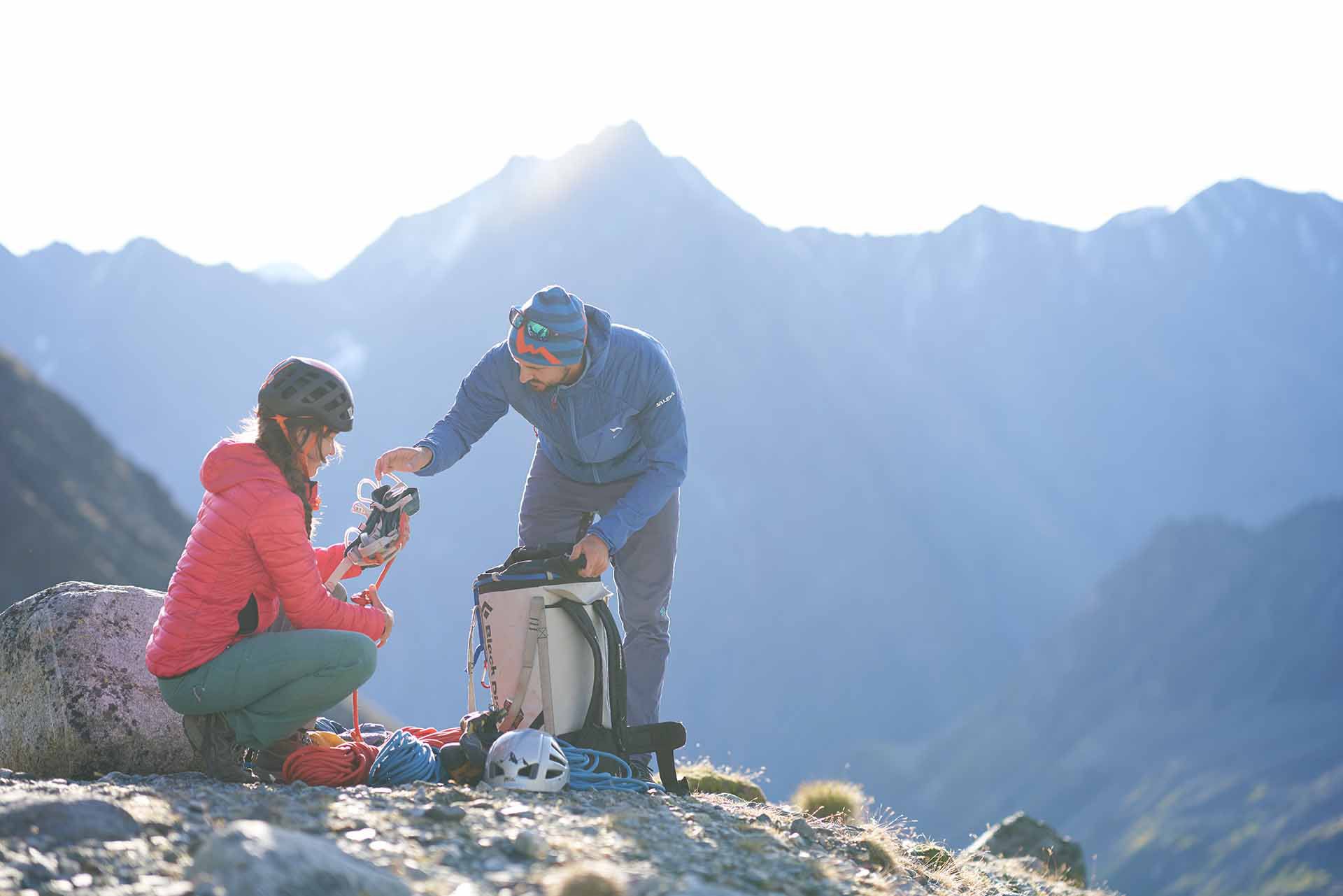
View down into the Pitztal valley from the Hexenkessel climbing area

More rock in the Pitztal Valley

As well as the challenging ‘Hexenkessel’, the Pitztal valley, some 40 kilometres long, offers rock climbing for beginners, families, bouldering enthusiasts and fans of high-alpine scenery. An overview can be found in ‘Pitztal – Climbing along 40 Kilometres’.

  • Jerzens-Hochzeiger Climbing Park: 10 routes graded between grade 3 and grade 6 in the outer Pitztal – ideal for first climbing attempts with children.
  • Richi’s Wall, Stillebach: 14 routes on gneiss, just a 5-minute access. Good for first attempts at lead climbing.
  • Gletscherstube: 47 family-friendly routes above Mittelberg, 25 to 45 minutes’ access – also suitable as a cycle-and-climb tour with older children.
  • Mandlers Boden: 55 boulders with around 180 bouldering problems in the forest above Ritzenried; see ‘Bouldering in the Fairytale Forest’ for more details.
  • Kaunergrathütte Climbing Park: 24 routes at 2,817 metres, mostly grade 3 and 4, but up to 70 metres long. The approach to the hut takes two and a half to three hours – a real experience as a two-day trip with an overnight stay. Don’t forget your helmet.

For a day of rest

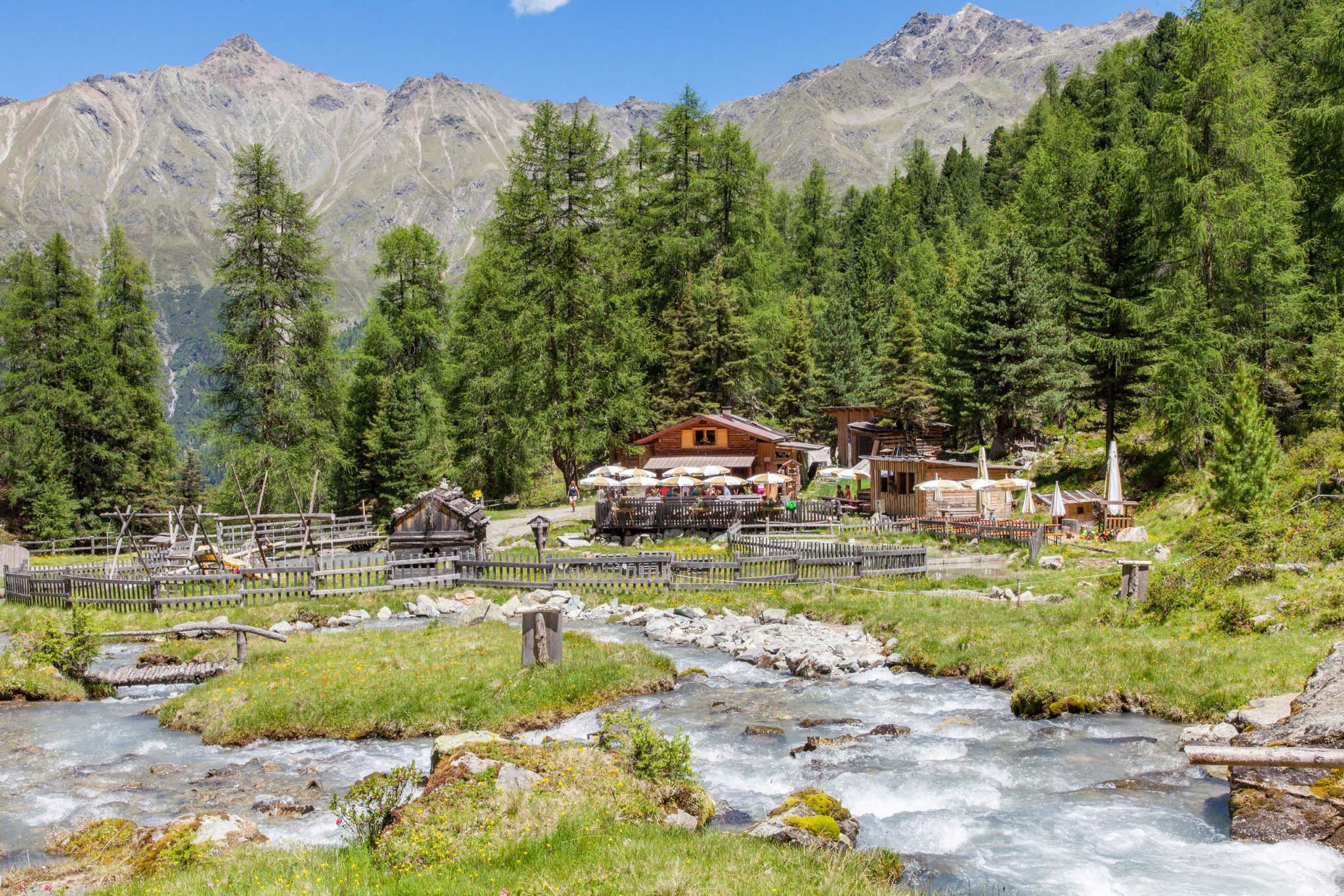
  • Tiefentalalm: From Piösmes (St. Leonhard), it takes one to one-and-a-half hours to reach the alm via a shaded forest track through larch and Swiss stone pine woodland. Ducks, goats, hares and Haflinger horses make it an attraction for animal lovers.
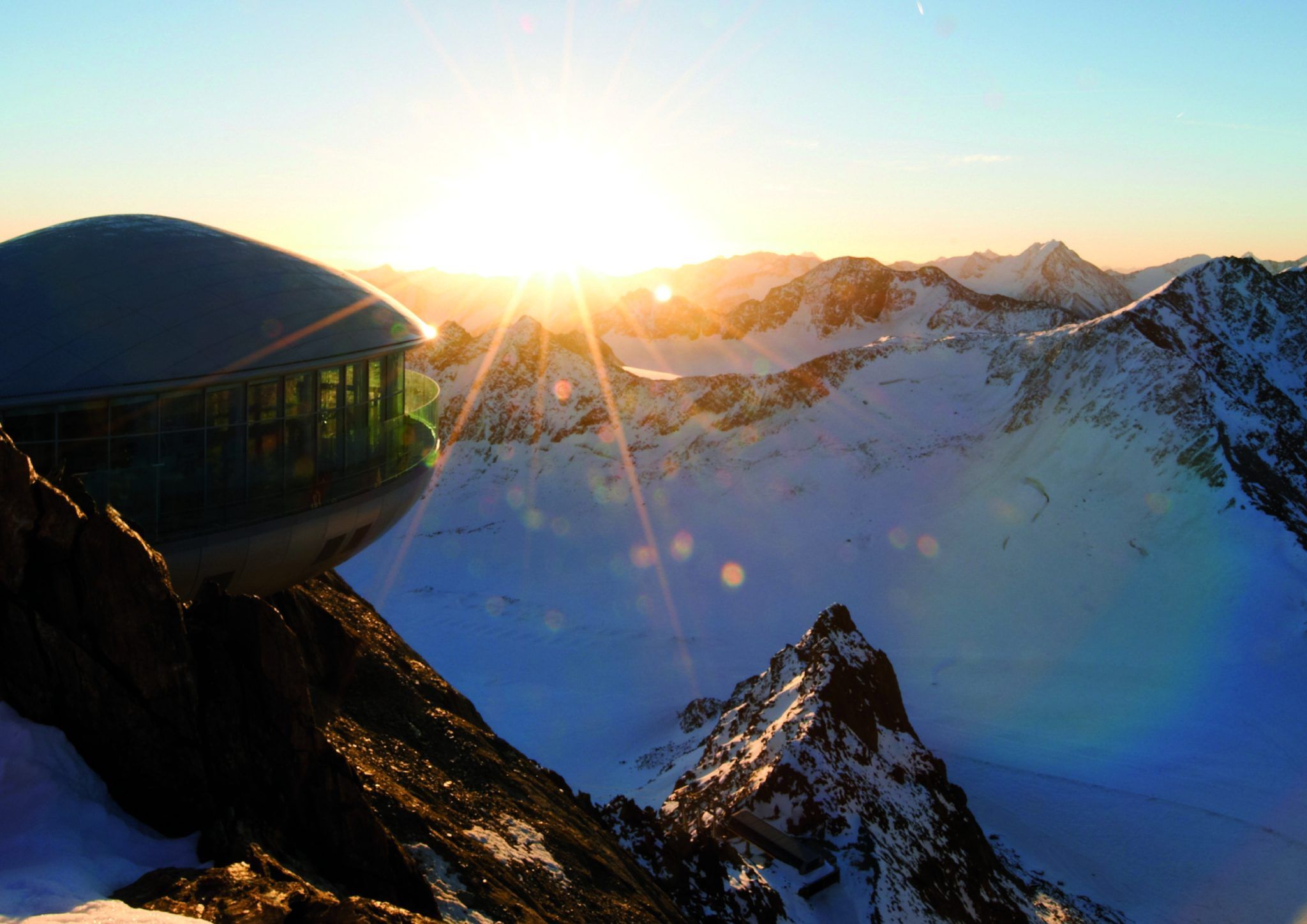
  • Café 3440: When it gets too hot in the valley, head up to the Pitztal Glacier – for a coffee with views of numerous three-thousand-metre peaks.
  • Stillebach Water World: A Kneipp path, a small swimming pond and a sunbathing lawn, with the Klockefall waterfall rushing in the background.
Alpine hut by a stream, surrounded by forest and mountains
Glacier and mountain panorama on the Pitztal Glacier against the light

Getting here

  • By car: from the north via the Fern Pass and Imst into the Pitztal valley, or via the A12 Inntal motorway to the Imst/Pitztal exit (vignette required).
  • By train and bus: take the train to Imst, then the local bus to the Pitztal. Current timetables are available from the tourist information centre and at pitztal.com.

Best time to visit the valley: depending on snow conditions, from late spring until the first snowfall in autumn. In spring, be aware of avalanche risks on via ferratas and in higher-altitude areas such as the Hexenkessel.

The climbing areas featured in this article

You might also be interested in these articles