
Goodbye to hibernation: 7 crags to kick off the season in Tirol
Sunny walls, short accesses, moderate grades: these seven crags, stretching from the Ötztal to the Kufsteinerland, make the transition from artificial walls to natural rock a breeze.
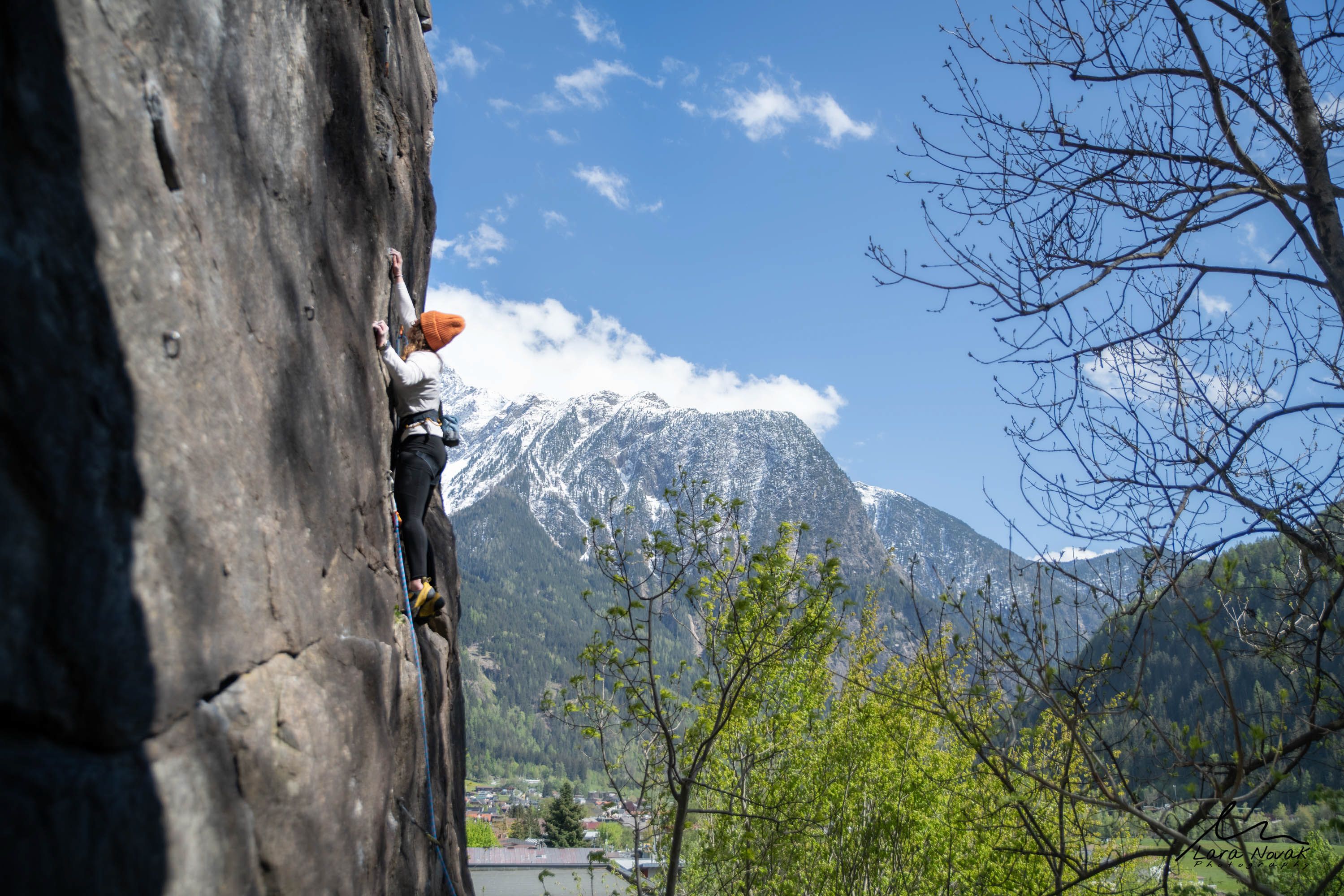

The days are getting longer, the temperatures are rising – and as soon as the first rays of sunshine hit the rock faces, the outdoor season begins for many of us. Those who have been training hard indoors throughout the winter can usually hardly wait to finally put all that training to good use on the rock.
Tirol offers plenty of opportunities to ease gently into the new climbing season. As well as being well prepared and having a fully packed rucksack, the choice of crag is key – because there are a few things to bear in mind, especially in spring.
Text and photos: Lara Novak
As a general rule: “Take it easy and enjoy the climb!”
The Tumpen | Engelswand crag is one of the best-known and most popular climbing walls in theÖtztal valley. Short access and a wide selection of routes of moderate difficulty make it the ideal spot to get back into climbing after the winter break.
The wall impresses with superb rock quality, a high density of routes and varied climbing: slabs, steeper sections and some lovely cracks – it’s all there. The wall faces west and catches the sun from late morning; by midday it is fully bathed in sunlight. On cloudless days, conditions are usually very pleasant, though in bright sunshine it can sometimes get almost too warm.
Important: Due to the large catchment area, rockfall can never be entirely ruled out. Therefore, stay only in the immediate vicinity of the wall – the meadow is not a playground or picnic area. Next to it is a cow pasture with free-roaming animals; it’s best to leave your gear in the fenced-off area by the well.
At a glance
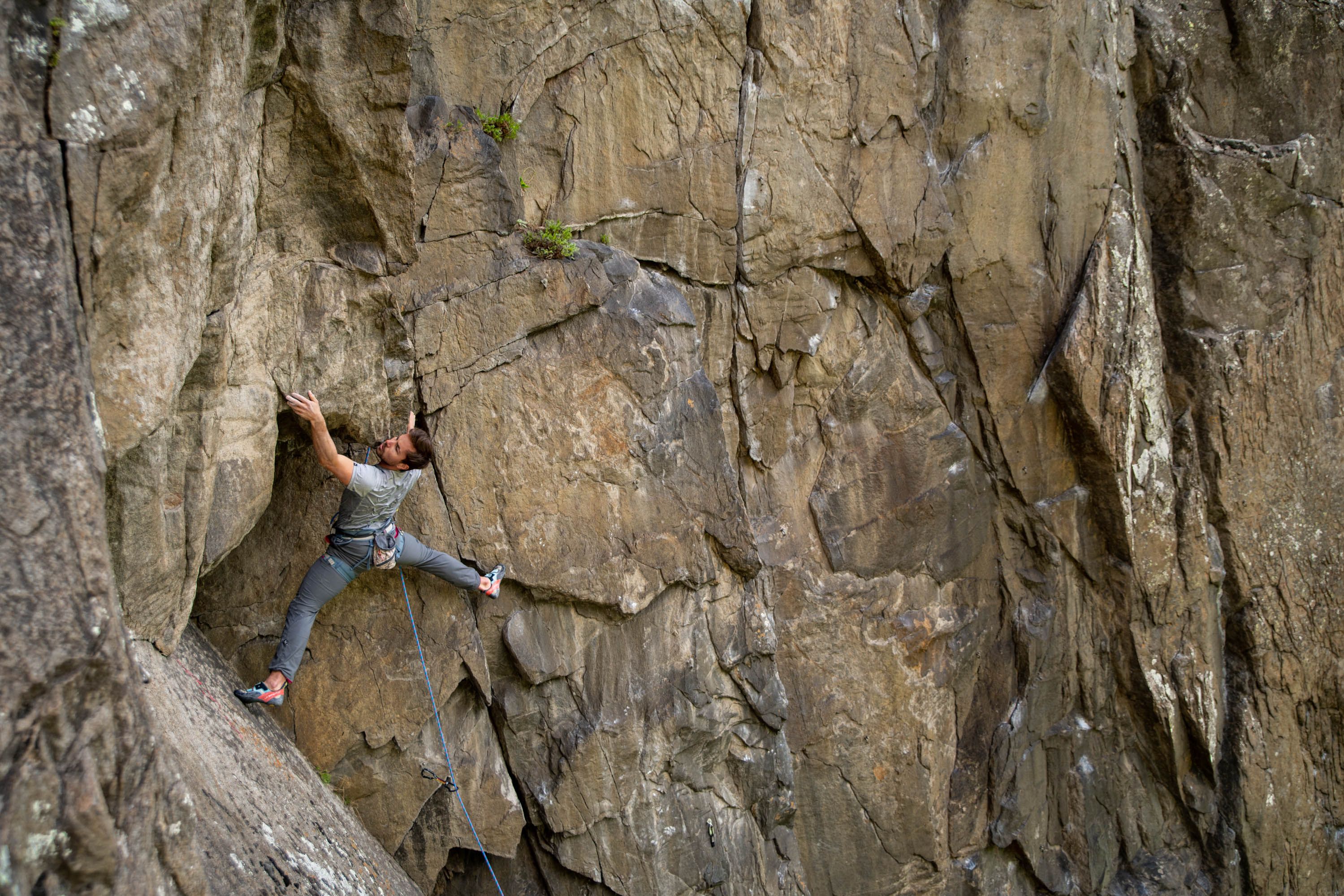
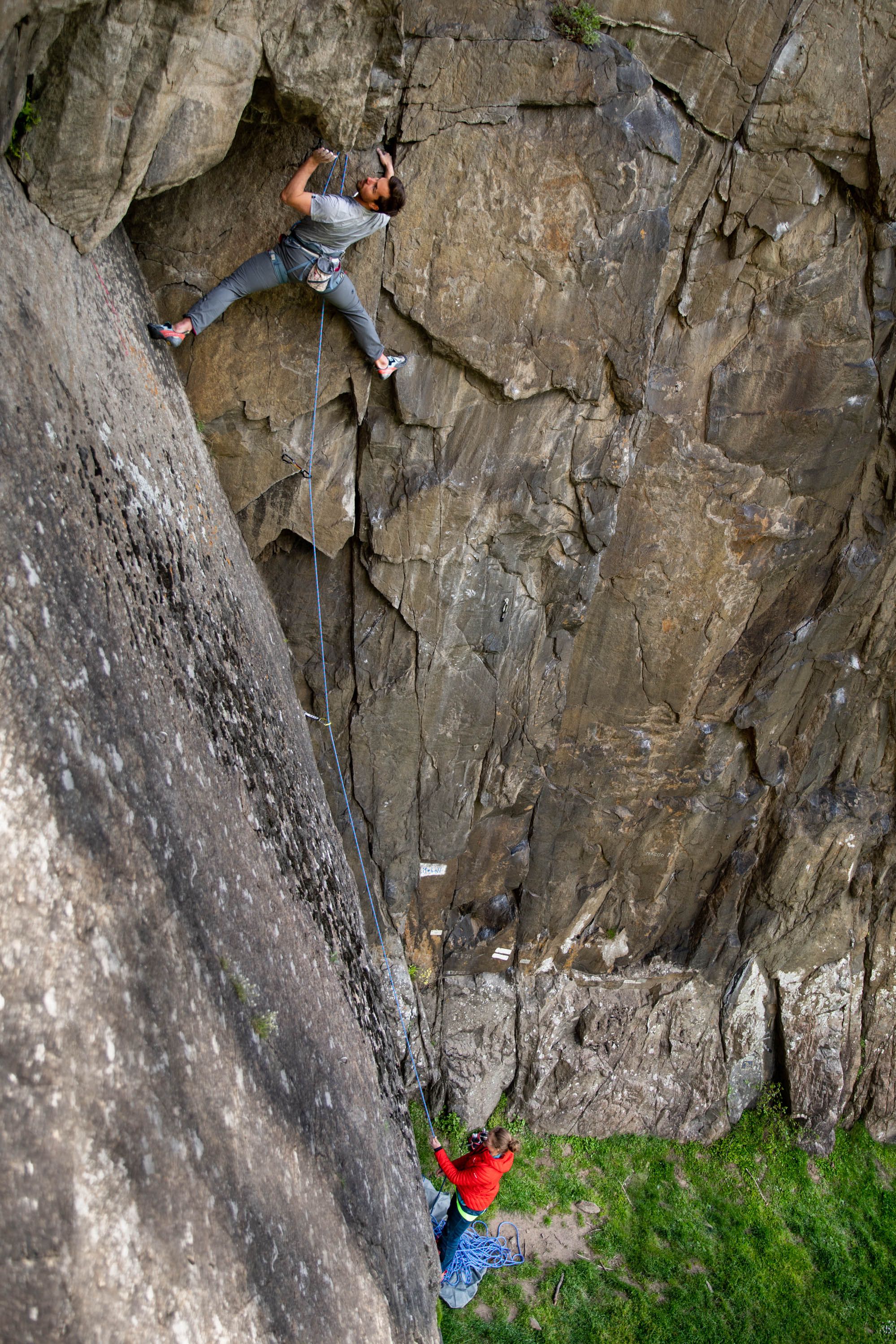
If you’re looking for the shortest access, the Oetz crag is hard to beat. You can park practically right in front of the wall – the access takes one to two minutes.
The short and fairly easy routes are perfect for beginners, children and anyone wanting a relaxed start to the season. The Lauser sector, with routes ranging from 3a to 4c, is particularly family friendly. Tables and benches invite you to have a snack between climbs.
In the first few weeks of spring, the sun doesn’t reach the wall until around midday and disappears behind the mountains again in the early afternoon. So: pack a warm jacket, no matter how warm it was when you set off from the car park. Without the sun, it can quickly get unexpectedly chilly.
If you’re looking for a bigger challenge, have a go at the highly recommended Zwillingsriss (7b+) – perhaps your new project for the season.
At a glance
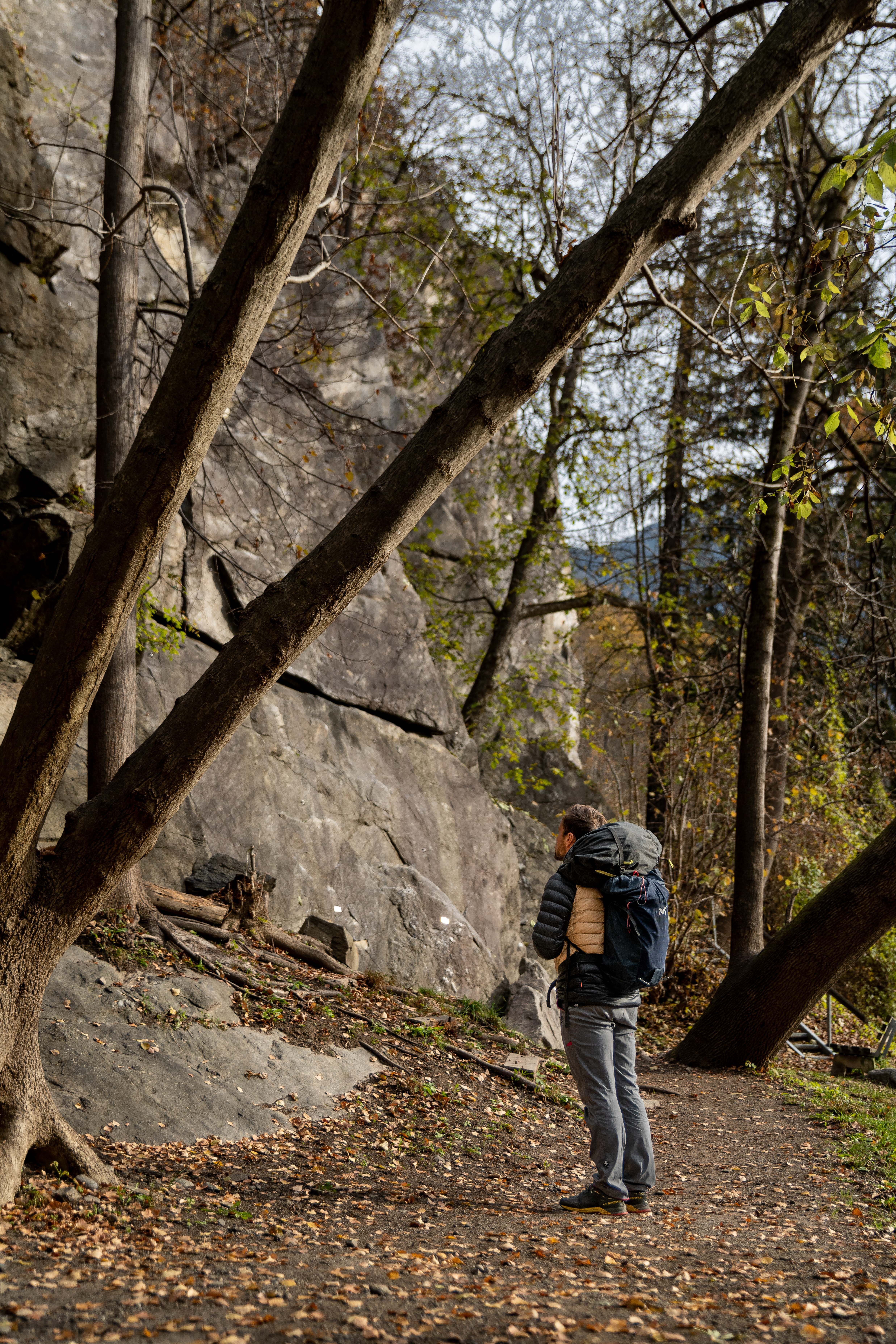
Another sunny classic in the Outdoorregion Imst is the Nassereith / Sparchet crag. With over 100 routes and access of around 10 minutes, it offers a huge selection across almost all grades.
An absolute must in Nassereith: a helmet. Due to wildlife crossing the rocks above the routes, there is an increased risk of rockfall – nobody should climb or belay here without a helmet. It’s best to stay as close as possible to the base of the wall between the start points. A visit with children is therefore not recommended, but the climbing itself is definitely worth a trip.
At a glance
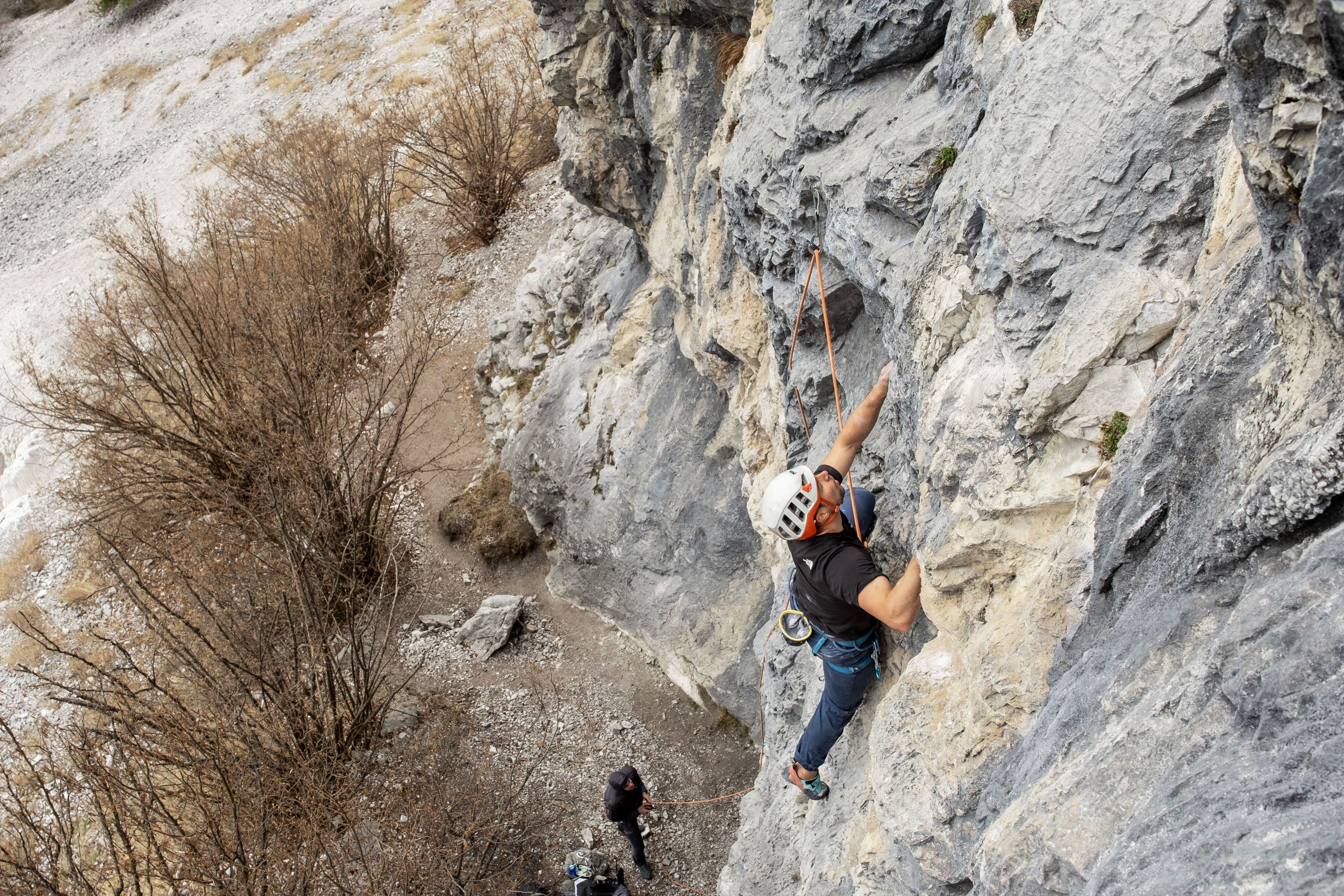
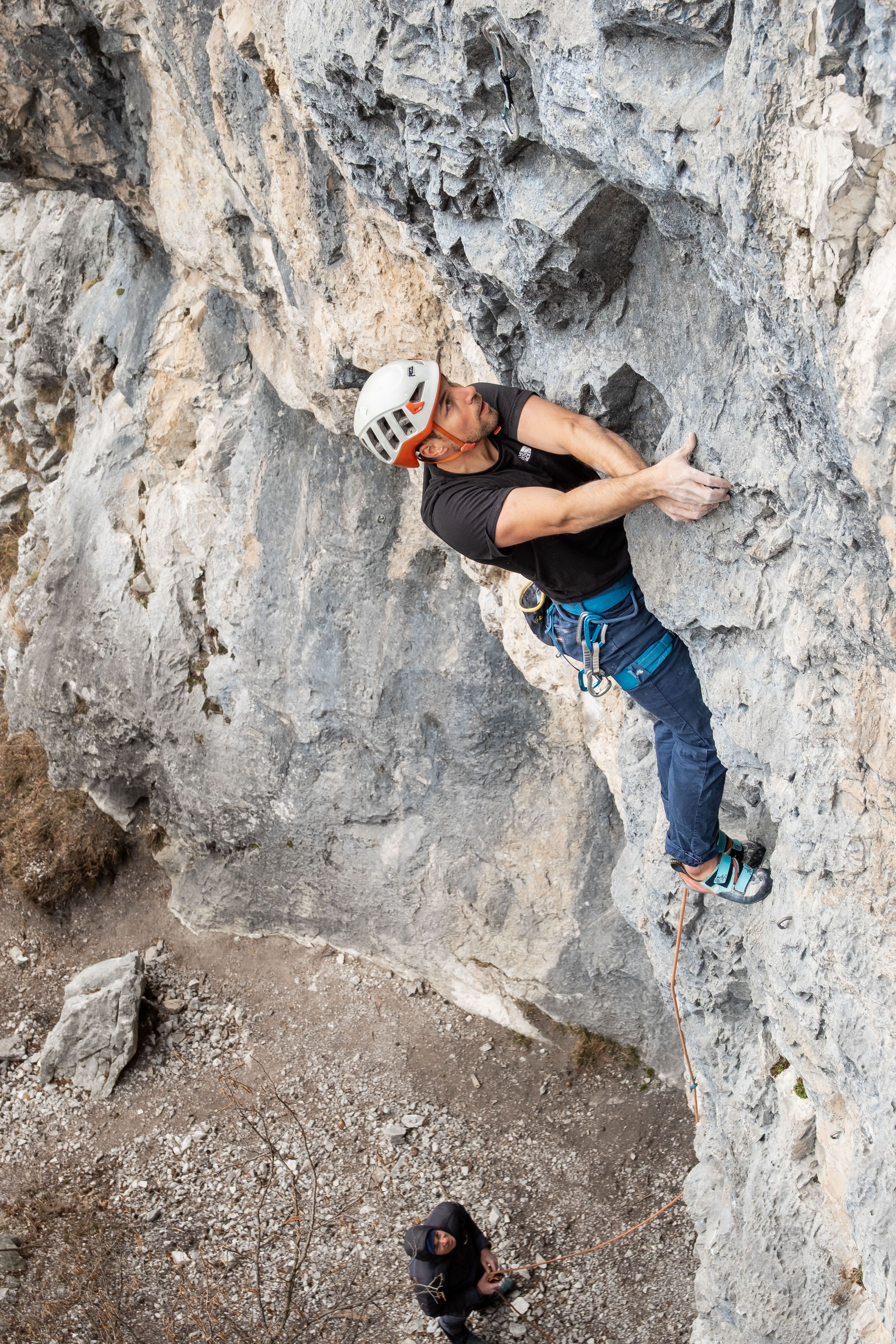
Walchenbach, near Tarrenz in the Gurgltal valley, was one of the crags where I gained my first experience on the rock many years ago. The area was set up specifically for children and beginners: the access, the spacing between bolts and the routes are short, and all routes have lower-off carabiners. It’s ideal as a starting point, whether you’re returning after the winter break or trying it for the very first time.
The crag can be reached in about 10 minutes. At the foot of the crag, there is a rest area with a table and benches, offering a lovely view of the Gurgltal. The south-east-facing crag dries quickly after rain and can even be climbed on warm winter days. On warm, slightly cloudy spring days, you’ll find good conditions here to shake off the winter slumber.
Don’t forget your helmet – it’s always a must here.
At a glance
Please note: According to Climbers Paradise, the Klettergarten Silz is currently closed until further notice. Please be sure to check the current status on the Klettergarten Silz details page before visiting.
Small but lovely and wonderfully sunny – that’s the best way to describe the Klettergarten Silz in the Inntal. Situated in the Region Innsbruck near the motorway, it offers around ten routes ranging from 4c to 6c+.
Access takes about 10 minutes. The sunny aspect and the good protection on the easier routes make the area ideal for a relaxed start to the season: enjoyable climbing on compact limestone with ledges and holes. Due to its southerly aspect, the rock is pleasantly warm in spring, though on sunny days it can often be too warm – don’t forget your sun cream, or opt for a slightly overcast day instead.
At a glance
If you’re looking for a crag near Innsbruck to kick off the season, you can get to theÖAV Klettergarten on the Martinswand even without a car. The area is easily accessible by bike from the city – so that takes care of the warm-up for your legs. After a 10- to 15-minute walk, all that’s left is to warm up your upper body and fingers, and then you’re ready to go.
The routes range from grade 3 to 7b, with a particularly wide selection in grades 5 and 6 Slabs, ledges and small cracks: well-protected, fairly technical climbing on limestone.
Although the crag has seen a fair bit of wear and tear over the years, the short approach and easy journey make it perfect for a quick after-work session or a spring day’s climbing.
At a glance
From the Oberland right across Tirol to the Unterland: the Klettergarten Morsbach near Kufstein, just before the German border, is also ideal for the first day of climbing of the season.
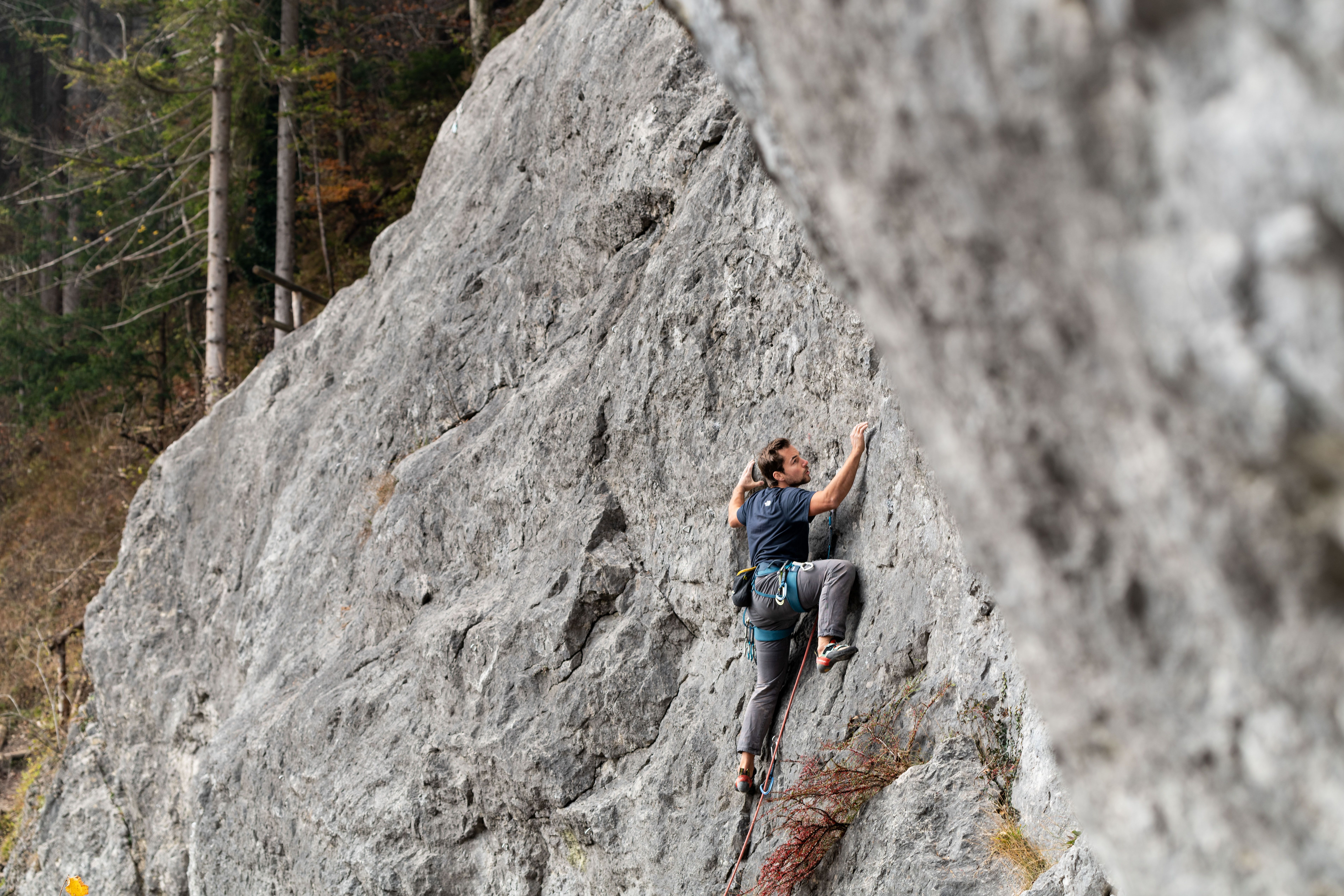
The routes range from grade 2 to grade 8 (topo up to 8c) – ideal for groups of mixed ability. The climbing style may take a little getting used to and some of the easier routes are already a bit worn, but the area definitely has its own unique charm.
The access to the south-east-facing wall takes 10 to 15 minutes through sparse woodland – perfect as a short warm-up. Benches, a pleasant belay area and the surrounding woodland also make Morsbach an attractive destination for families. And after the climb, the nearby Pfrillsee awaits.
At a glance
Tips & Safety
Would you like to know more about climbing safety? Click here for our safety tips.


