Fingerboard – 7 tips for effective finger training

Updated on: 09. Mar 2026
Whether you’re a recreational climber, a competitive athlete, a boulderer or a multi-pitch enthusiast – all climbers have one thing in common: they want to hold on for longer than they sometimes can. The key to this is fingerboard training. Here are 7 essential tips for effective and injury-free finger training.
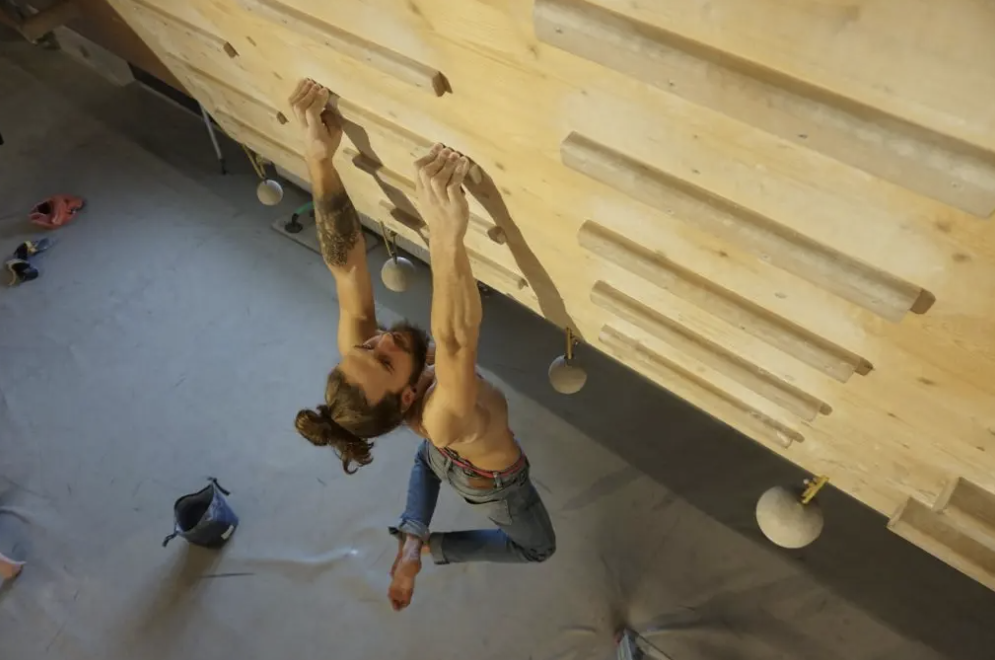
Fingerboard finger exercises using flat fingers

Finger grease – the key to the next level

To hold on, you need two things above all else: a forearm that, when tensed, looks rather like a pregnant seahorse – and a bit of ingenuity. The former is often a result of the latter. And you can never really have enough ingenuity.

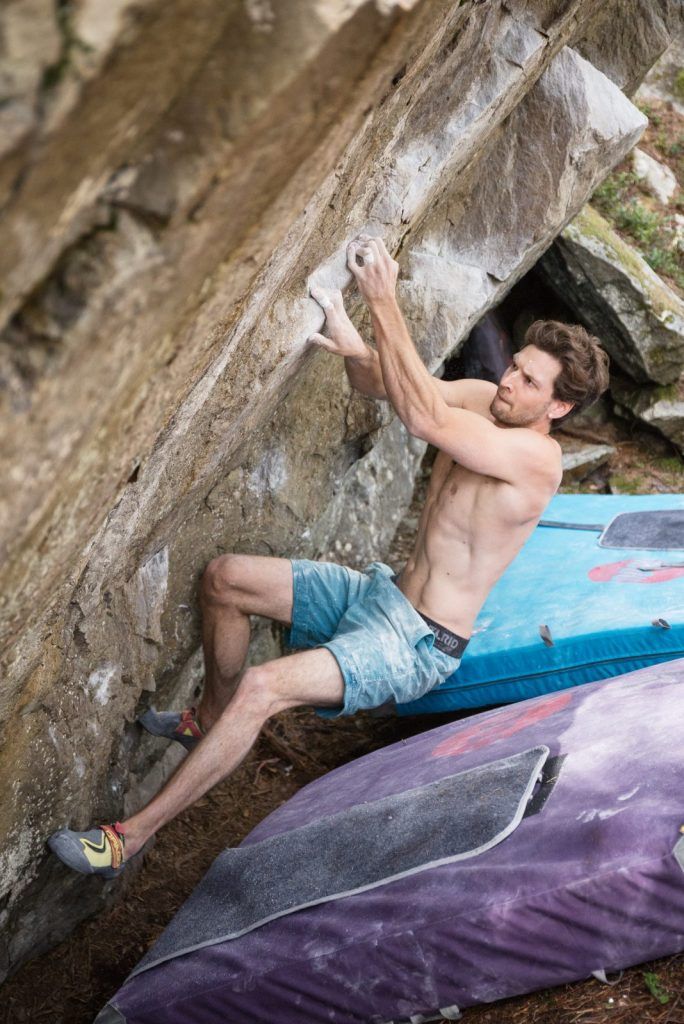
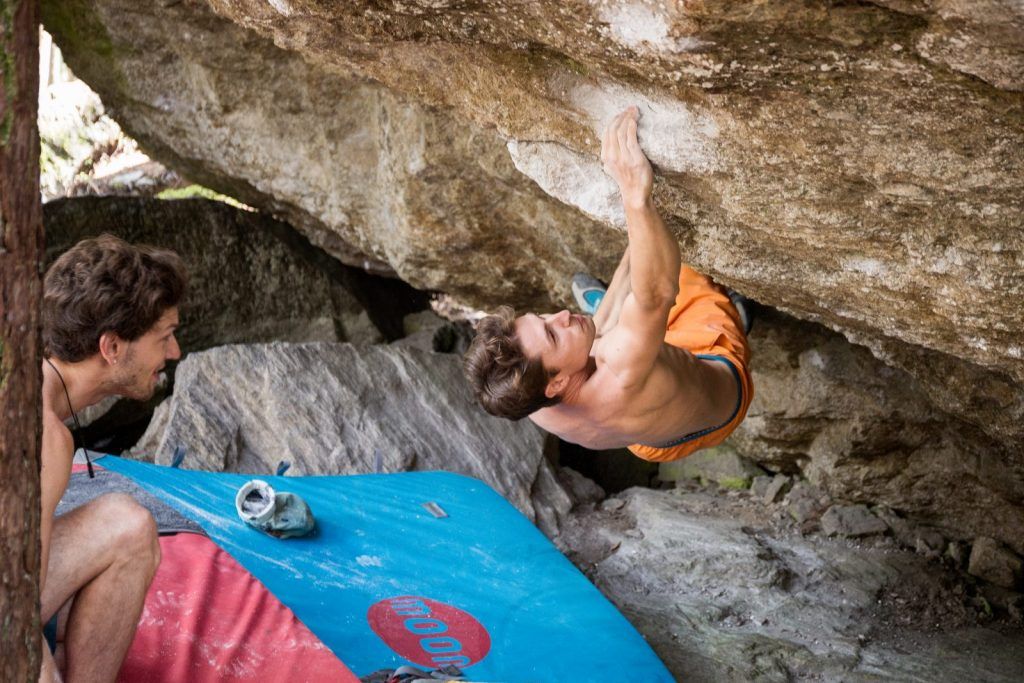
Bouldering at Lands of Giants in the Ötztal Valley

7 tips for effective finger training

1. Principle 

Listen to your body. Finger exercises put enormous strain on tendons and ligaments. If it hurts anywhere – it’s better to stop straight away. A single bad session is far less serious than six months of discomfort.

2. Correct basic grip 

There are two ways to hold the ledges with your fingers: in a half-crimp and hanging. Train using both grips to avoid imbalances. Recommendation: 2–3 sessions in the half-crimp, then the same number hanging.

3. Important note: Finger exercises are not active recovery! 

It is not a ‘rest day’ exercise. Depending on the intensity, you may even need an extra rest day afterwards.

4. Proper training planning 

Choose the intensity so that you should actually let go of the grip after the hold time.

  •    For greater finger strength (maximum strength): 5–7 seconds hold time, 3–5 repetitions, 1–2-minute rest, 3–5 sets
  • For a longer hold time (strength building): 12–15 seconds, 6–8 repetitions, 2-minute rest, 3–5 sets
  • Finger strength endurance: 30 seconds, 10 repetitions, 1–2-minute rest, 3 sets

5. Variations 

Active hanging on all fingers except the thumb, different grips (edge holds, overhangs), varying elbow angles, two- or three-finger hangs with alternating pairs of fingers.

6. Insider tip: One-armed deadhangs

One-armed hangs on larger holds are part of maximum strength training and offer maximum benefits – but are also extremely strenuous. Beginners can use a rope for support. 5–7 seconds, 3–5 repetitions, 3–4-minute rest, 2–3 sets.

7. Active shoulders 

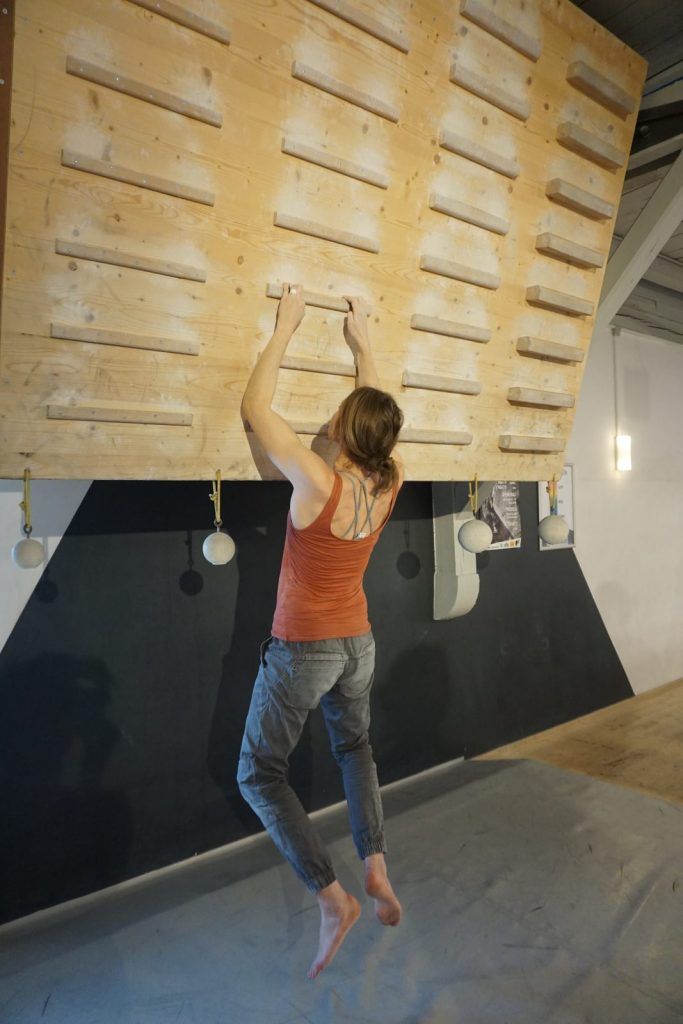
Your shoulders must be able to maintain a pre-tensioned starting position. If you are unable to hang whilst pulling your shoulders back and down, you should hold off on fingerboard training for the time being.

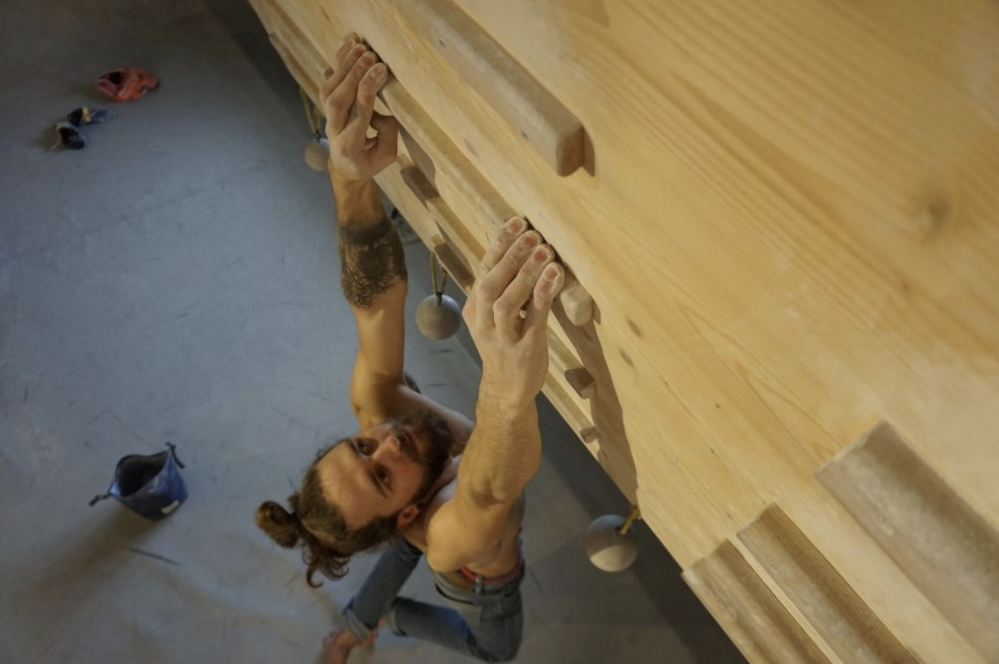
Shoulder posture during suspension training on the fingerboard

Fingerpower in action: 2 top spots in the Ötztal valley

Lands of Giants (Ötztal) – for maximum power: 

The Lands of Giants features small ledges, steep roofs and sharp rock. Extreme finger strength is required here. The area has now become a hotspot in the Tirol bouldering scene. The guidebook is available at the Steinblock bouldering centres in Imst or Rankweil.

Niederthai (Ötztal) – for endurance on holds: 

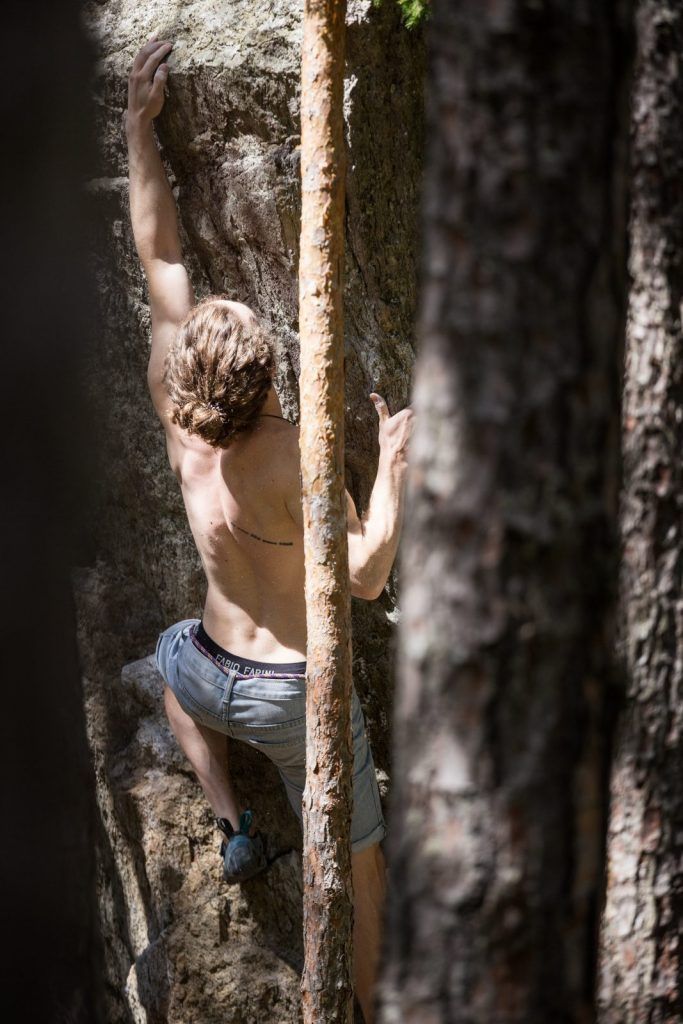
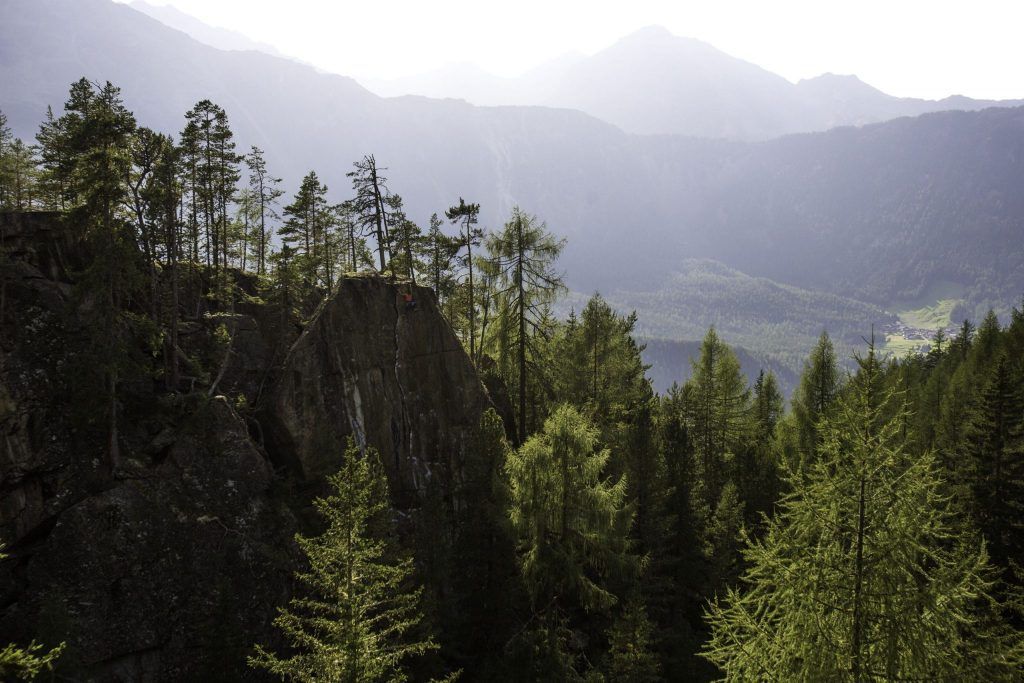
You’ll need to hold on for longer in Niederthai, the climbing gem of the Ötztal. The great thing here is that, whether you’ve been training for short bouldering bursts or long holds, you’ll find everything here – from 8-metre-long maximum strength routes to 35-metre-long, endurance-testing kinglines. Thanks to the varied orientations, you can climb here almost all year round. Topos are also available in the latest Tirolean sport climbing guide by Michael Meisl.

Panorama of the Niederthai mountains with a climber

You might also be interested in these articles