Climbing with children: How to make a successful transition to rock climbing

The indoor climbing centre is perfect for taking your first steps in climbing. But at some point, everyone wants to get out into the open air. What matters on your first day on real rock – from the Rock Climbing Area to the kit and the pizza afterwards.
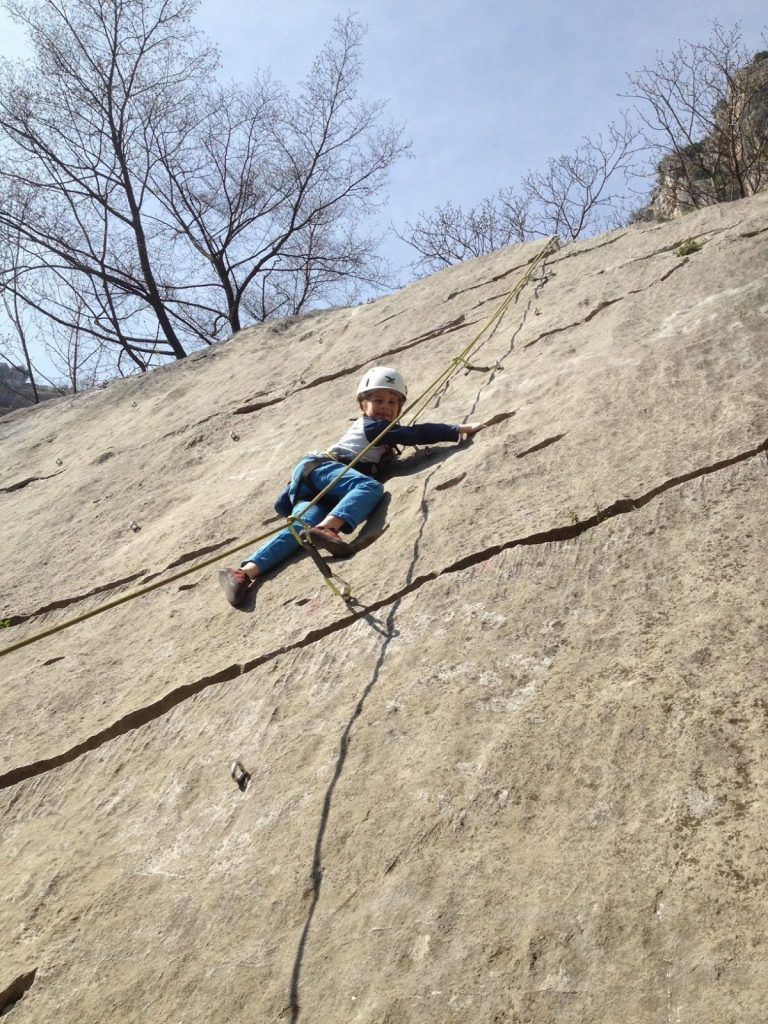
Kind klettert eine leicht geneigte Route am Fels

From artificial stone to real stone

The indoor climbing centre is ideal for taking your first steps in climbing – it’s the perfect place to practise belaying and get used to heights. But sooner or later, everyone wants to try climbing on real rock outdoors.

Rock climbing is a great experience and an adventure for the whole family, even with children. To ensure the transition goes smoothly and leaves you with fond memories, we’ve put together a few tips.

Text and photos: Matthias Bader

The right Rock Climbing Area

The choice of Rock Climbing Area plays a part in determining whether a child’s enthusiasm for climbing will continue outdoors. The criteria:

  • a short access suitable for children
  • a level entry area with no risk of falling
  • low to no risk of rockfall
  • plenty of easy routes

The following Rock Climbing Areas meet these criteria quite well:

The right equipment

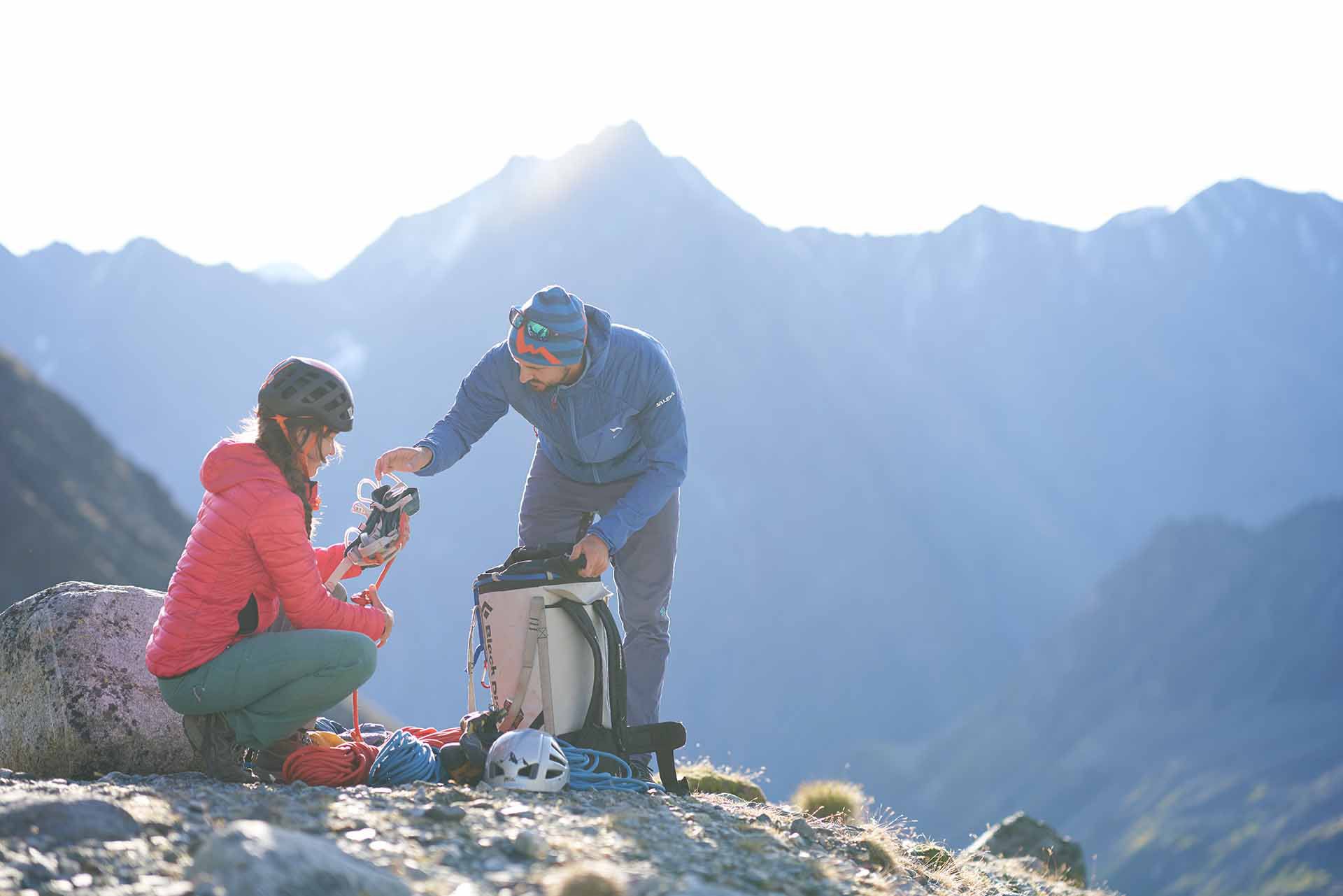
As well as indoor climbing gear, you’ll need the following for rock climbing:

  • a climbing helmet – important: wear it not just whilst climbing, but generally at the start of the route beneath the wall
  • A rope with a distance of about 70 metres
  • around 15 quickdraws
  • additional equipment, if necessary, for setting up a top-rope

Important: The equipment must fit the children properly – it must not be too big or too small under any circumstances.

Child climbing on top rope on the rock

And besides,

Children should definitely take their first steps on the rock using a top-rope. It is advisable to have a second adult on hand to set this up, as children are not able to belay an adult.

Various exercises help you get used to the rock – especially at the start, it’s difficult to find holds and footholds:

  • climb lots of easy, gently sloping routes: this helps develop footwork and climbing technique, which is particularly important on the rock
  • climb with one hand
  • climb without using your hands
  • climb blindfolded – only on Easy sloping routes, not on steep ones
  • Organise a challenge: who can get the highest? Perfect if there are other children around

Under no circumstances should you overwhelm or push the children. Even if they’re clambering all over the place in the indoor climbing centre: climbing on the rock face is something completely different. Above all, it takes time to get used to it.

And don’t forget the snack, the ice cream or the pizza afterwards. The children should be left with a positive memory – often, the climbing itself isn’t even the main focus.

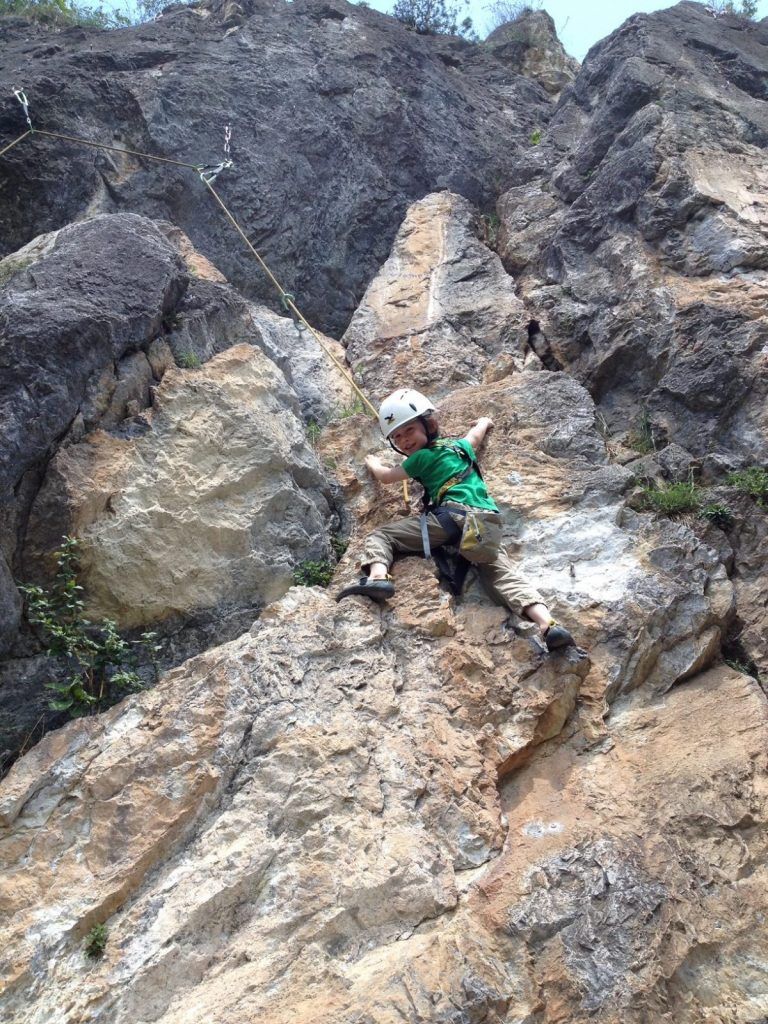
Child-friendly Rock Climbing Areas featured in this article

You might also be interested in these articles