Babsi Zangerl: “Without fear, climbing a route wouldn’t be as cool”

Whether it’s bouldering, a sport climbing route or a big wall – Barbara Zangerl is in her element wherever she goes. A conversation about completing routes just before the deadline, fear in climbing, and why goals help you get through difficult times.
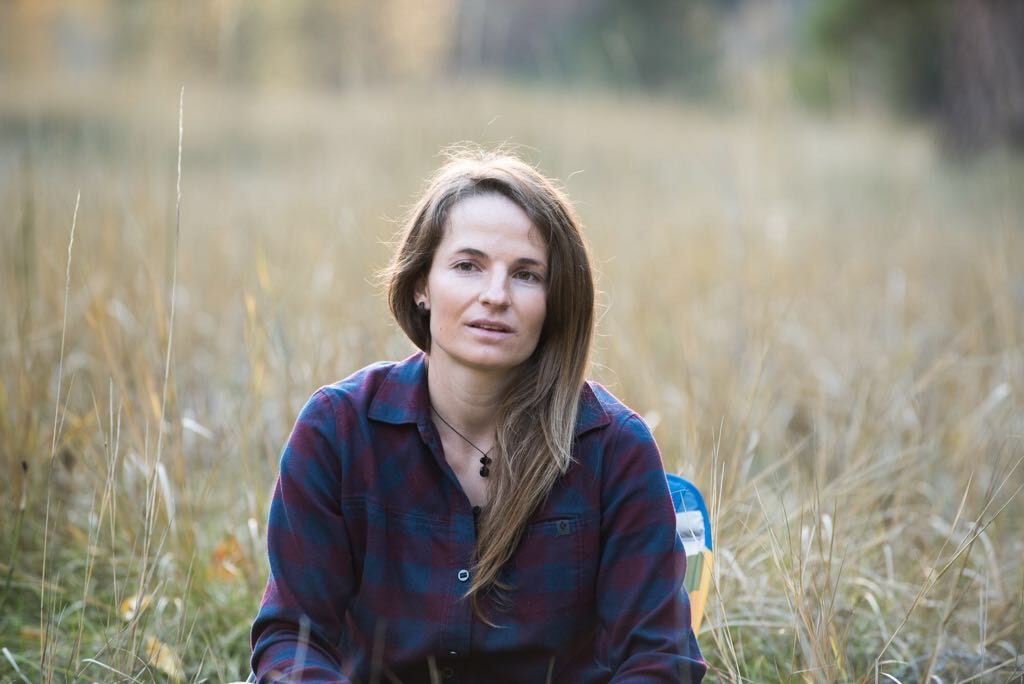
Portrait of Barbara Zangerl sitting in a meadow

Mrs Sunshine from the Arlberg

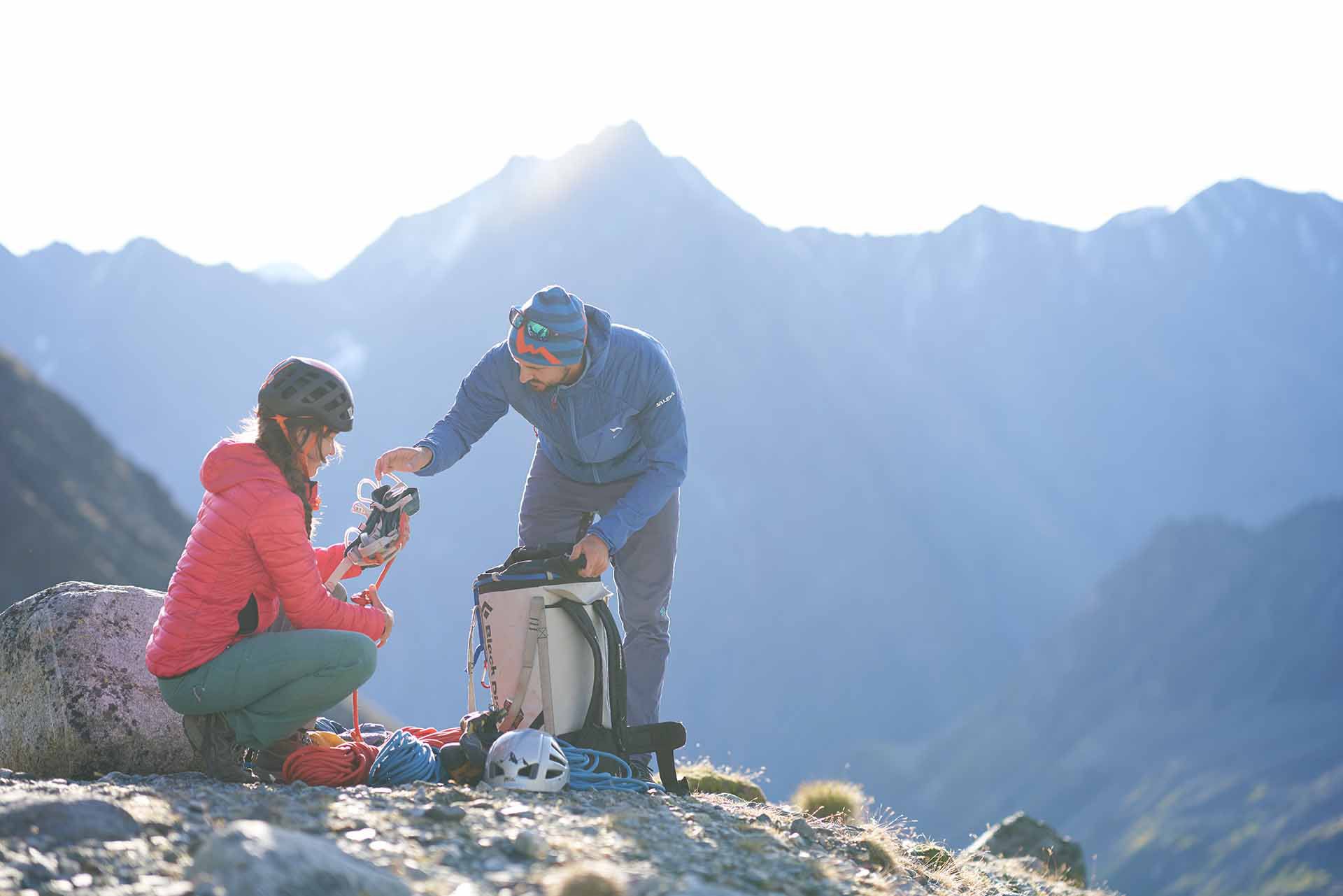
On boulders, in world-famous sport climbing areas and on big walls: Barbara ‘Babsi’ Zangerl is making a name for herself in every discipline. In the summer of 2018, she took us to the Flexengalerie on the Arlberg as part of the ‘Anyone Can Climb’ paraclimbing charity campaign.

This small sport-climbing area could well be one of her home grounds – yet the climber, who grew up in Strengen, was here for the first time that day. No wonder: she’s usually travelling elsewhere in the world – in the USA, Canada, Switzerland, France or Spain.

Just a few days before we met, she was still in Canada, where she made the first female ascent of the trad route The Path (5.14R/8b+). Shortly before that – and just a few days before her 30th birthday – she climbed her first 9a on ‘Speed Integrale’. The year before, she had repeated ‘Magic Mushroom’ (8b+) in Yosemite, one of the world’s hardest multi-pitch trad routes.

It’s striking that she managed many of these ascents just before a deadline. ‘The Path’ on the last day before her departure, ‘Speed Integrale’ just before her 30th, ‘Magic Mushroom’ shortly before her return flight. Does Babsi perform at her best under pressure? We asked her.

Interview and text: Martina Scheichl (2018)

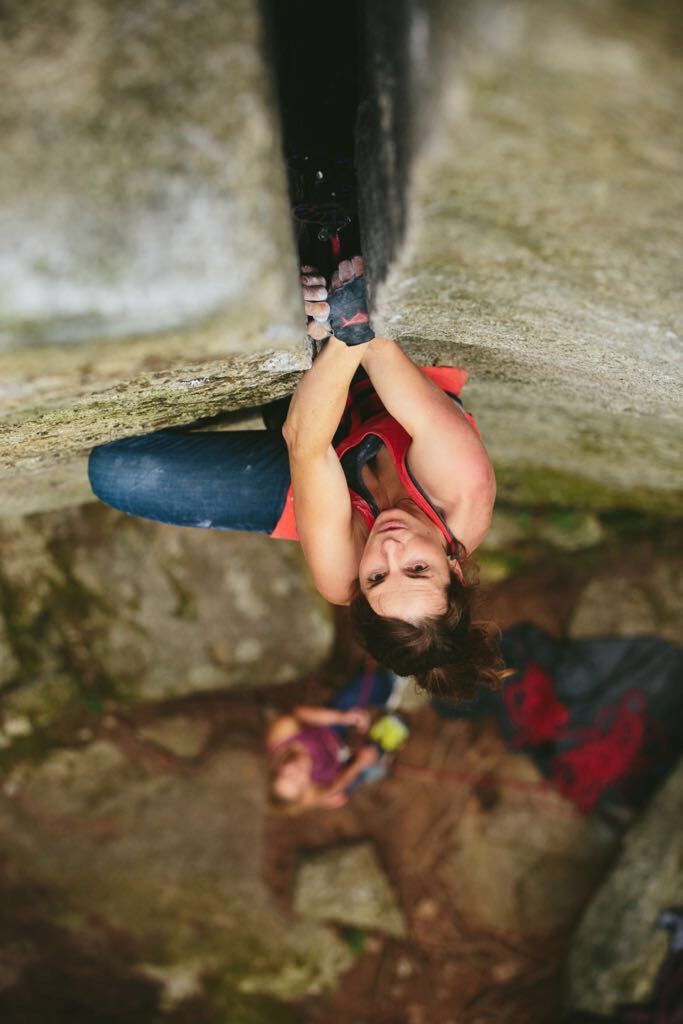
Barbara Zangerl climbing, photographed from above

Made it just before the deadline

Babsi, is it just a coincidence that you often only complete projects just before a deadline?

Barbara Zangerl: No, it’s always been like that for me. Take ‘Des Kaisers neue Kleider’, for example. That route was the one I still needed to complete the Alpine Trilogy, after I’d climbed ‘End of Silence’ and ‘Silbergeier’.

The day of the ascent was one of the last possible days of the year before it got too cold. I had to start the eighth pitch seven times before I managed to complete it. Between attempts, I was so exhausted that I fell asleep at the belay station. By the time I made the ascent, it was no longer about strength, but purely a mental game. Under different circumstances, I would have packed up long ago, but I knew: it has to work today. When I really want something, I can muster so much mental energy that I manage to reach my goal after all.

It was much the same in Yosemite. On ‘Magic Mushroom’, I thought I’d never be able to climb the route. Then I managed all the pitches right up to the crux pitch. There I was, 40 metres below the summit, and at first I could barely make a move. Jacopo, my partner, had already climbed the pitch – and the fact that we’d both top out together with a clean ascent was only possible right then. The fact that we’d cleaned the route so painstakingly and that I’d put so much into the pitches before gave me the energy for the final 40 metres. In situations like that, I tell myself: if I don’t go full throttle now, I’ll never make it. So, full throttle!

If a route seems too difficult

Do you often start routes feeling that they’re too difficult?

Barbara Zangerl: Often, yes. At first I’m not really that motivated because I think I’ll never manage it. The motivation often only comes once I’ve worked out all the individual moves and realise: it might be possible. Then I have the energy to concentrate fully on the route.

The more time I put in, the more motivated I become. I can spend days trying a single move until I get it right. Fortunately, spending a long time trying doesn’t put me off.

What do you expect of yourself when climbing?

Barbara Zangerl: I set myself relatively high standards. I’m happy when I feel lively and the climbing comes easily to me. But when it comes to climbing, there are always big fluctuations in performance – you mustn’t take that too much to heart.

Do you ever get scared?

„I’m constantly scared! That’s just part and parcel of climbing.“

Fear as a challenge

How does that affect you?

Barbara Zangerl: The moment it’s there, fear is a paralysing, very unpleasant feeling. But I think that without fear, climbing a route wouldn’t be as cool. When you not only manage the physical exertion but also overcome the mental challenge, it’s brilliant.

So, for you, fear is a positive challenge?

Barbara Zangerl: Yes, you could say that. When you climb a section that used to fill you with great fear, next time it’s only a moderate fear, and eventually it disappears – that’s a brilliant feeling. Just as you make the moves in a project easier and easier, you also learn to deal with fear. A route I manage to complete despite my fear stays in my memory for longer. It’s not pleasant whilst you’re climbing, but you learn to cope with it – if you want to.

Is fear part and parcel of sport climbing too?

Barbara Zangerl: Yes and no. Rock climbing is an adventure. I don’t think it’s a good thing when routes are bolted as heavily as they are in a climbing gym. Part of rock climbing is assessing the risk. That doesn’t mean it has to be dangerous – most of the time, you just end up falling a bit further.

If the ‘Silbergeier’ were heavily bolted, it wouldn’t be the same route. Overcoming your fears is part of the experience. That’s how Beat Kammerlander, as the first ascender, intended it, and you have to respect that.

Home and goals

You’re always on the move. What does ‘home’ mean to you?

Barbara Zangerl: Home is a place to recharge my batteries, a place where I feel at ease. Many climbers feel at home anywhere – but I really need to come home, to Bludenz or Strengen, where I grew up. The energy I get from there helps me find the motivation for new projects.

Our meeting took place as part of a paraclimbing fundraising campaign. What message would you like to share with people facing difficult circumstances?

Barbara Zangerl: I think the campaign is brilliant. It’s amazing what these athletes achieve – as a healthy person, it’s hard to put yourself in their shoes, so I don’t want to offer any advice. But I believe it’s important for everyone to set themselves goals to work towards – whether they’re sporting, career-related or health-related. Without a goal, I can’t motivate myself to train. Even when I was injured, my goals helped me not to give up.

The important thing is not just to keep your eye on the goal, but always on the next step. On a route, it’s not about clipping in at the top, but about the next move and the next hold. This mindset helps me achieve my goals – no matter how far away they seem.

You can find out more about paraclimbing in Austria at paraclimbing.net.

You might also be interested in these articles