
Work-climb balance rather than work-life balance
Early training session from 7 am to 9 am, late training session from 17 pm to 21 pm. And in between? Work.
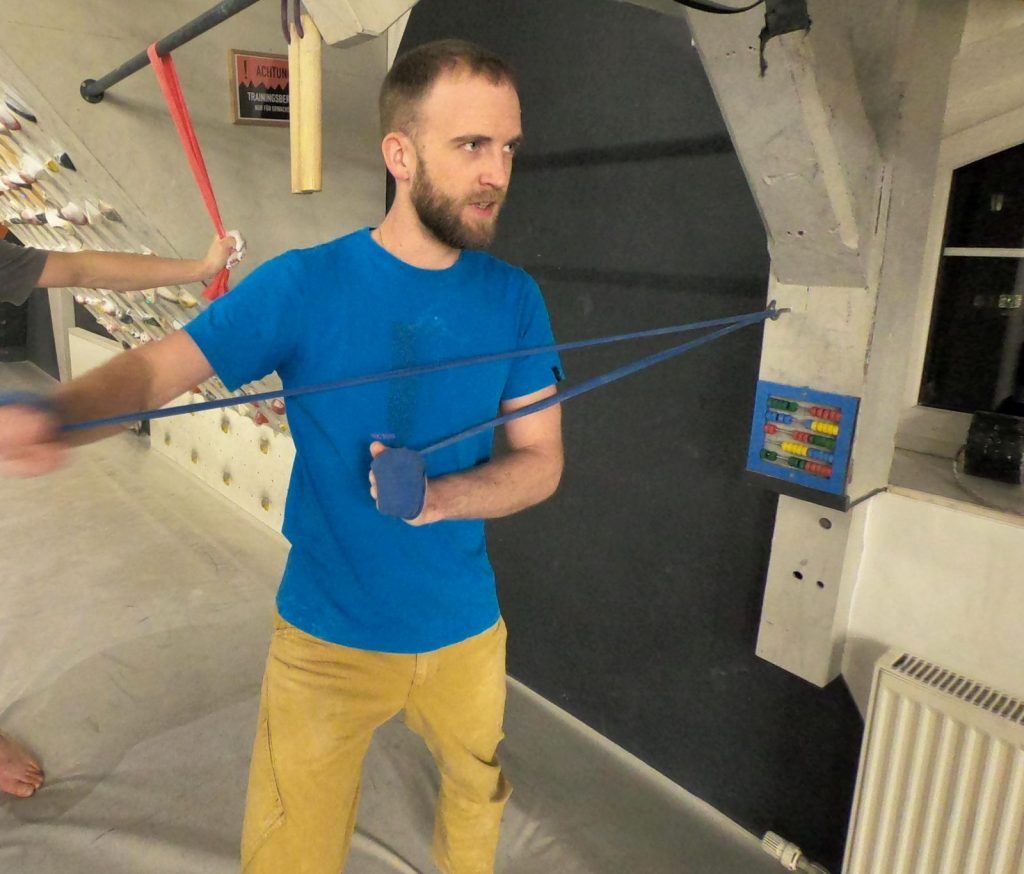

Working climbers have a tight schedule – especially if you want to head up the vertical more often than just now and then.
I’m sure we’ve all experienced that crushing tiredness after a long day at work, the sort that literally pushes you onto the sofa. Or that feeling of standing in the gym and knowing: this isn’t going to achieve a thing today. If you want to stay on the ball, you can’t afford to let either of these things get the better of you in the long run. So you need a good work-climb balance.
That’s why the Climbers Paradise editorial team asked themselves what the ‘best’ job for climbers would look like. Warning: we couldn’t quite avoid the clichés.
Text: Martina Scheichl
Plenty of free time. If you climb a lot, you need plenty of time for it. So find a job that consistently allows for free time – and gives you the freedom to make the most of spontaneous spells of good weather. Flexitime and a 70 per cent contract should therefore be on your list of demands for your next performance review.
Good energy balance. Once you’ve secured these, ideally you won’t come home from work completely knackered – because even the human machine has only a limited energy supply, and you’ll need that to tackle your climbing projects. What’s needed is a job involving a lot of sitting, little talking and hardly any thinking. The search for such a role is still ongoing.
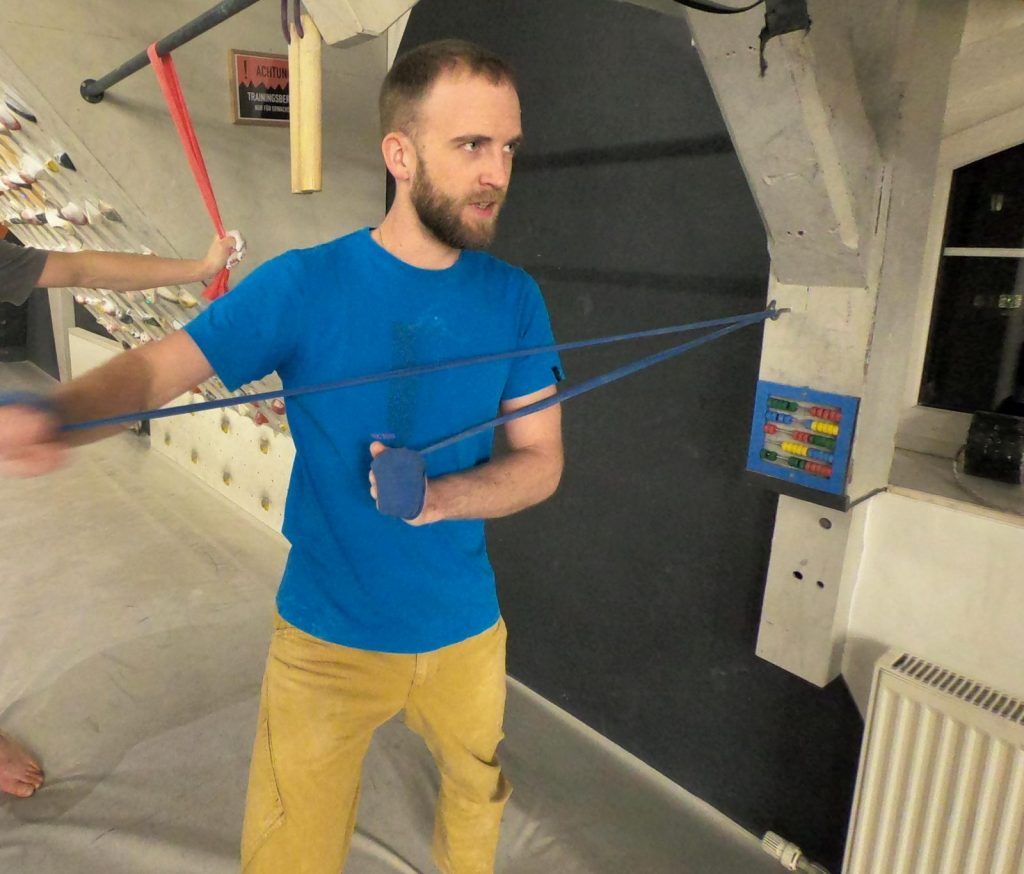
No money, no fun. “That demand was bound to come,” thinks one person. “Where’s all the nostalgic idealism à la Moffatt and Moon?” another might cry. It’s not our fault that we want just a little bit more than those two Brits did during their most financially difficult times – travel, season tickets and kit haven’t got any cheaper since then either. If you only work 70 per cent but want to keep up with 100 per cent of the trends, there’s only one solution: be good enough to attract a sponsor. So: off to the climbing centre. Train. Climb well. Get sponsored.
Short journeys. From home to the climbing centre, then to work, and back again: with so much coming and going, it takes up quite a bit of time. It’s best to base your choice of job on how close the nearest climbing centre or Rock Climbing Area is. For working climbers, time is more valuable than gold.
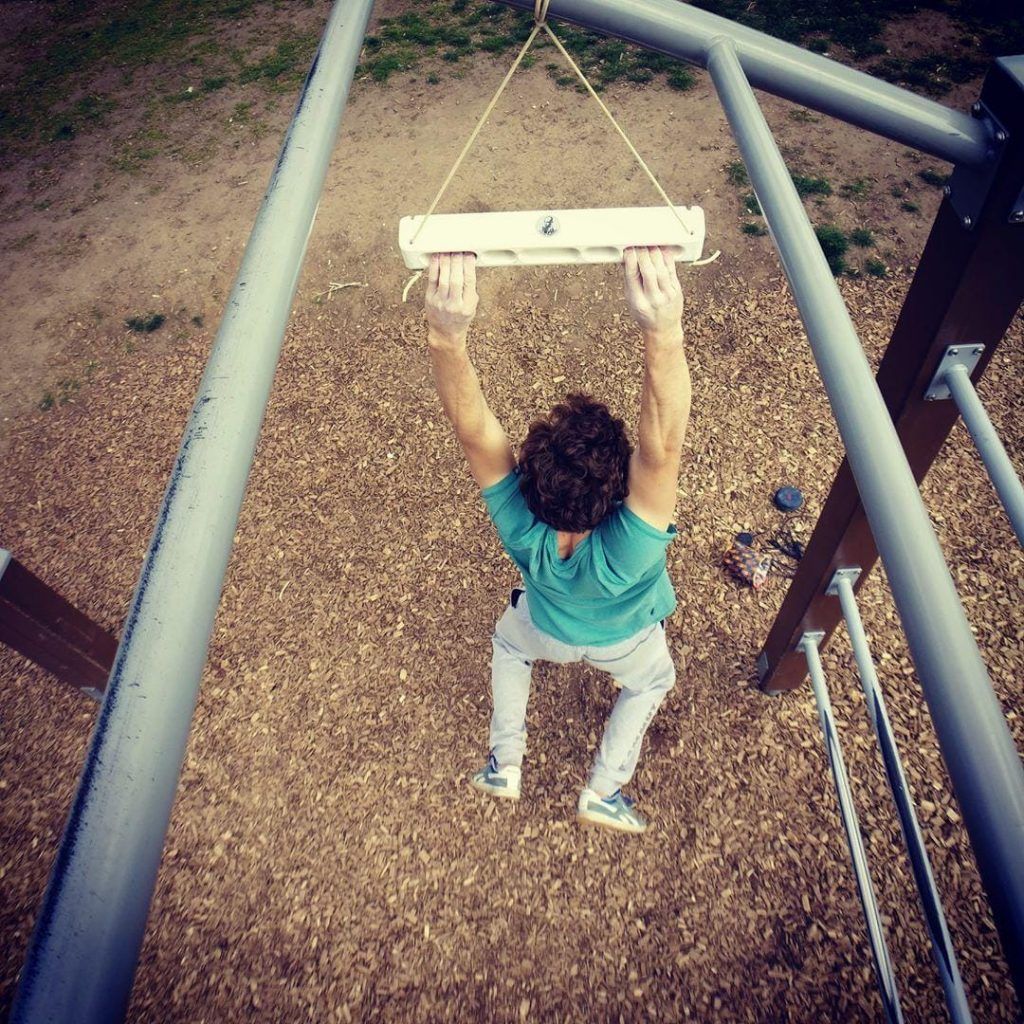
Working from home. If you work from home, you can squeeze in a quick pull-up or some maximum strength training whilst you’re tapping away at your computer. You need a two- to five-minute break between episodes of a TV series anyway – so it’s a great time to carry on working. A portable hangboard helps make this possible.
Remote working. Long live the internet: for many jobs, where you are right now is no longer an issue. If you can convince your boss, through trust and good collaboration, that remote working is an option, you can happily spend a week in Siurana. You can even hold meetings straight from the foot of La Rambla.
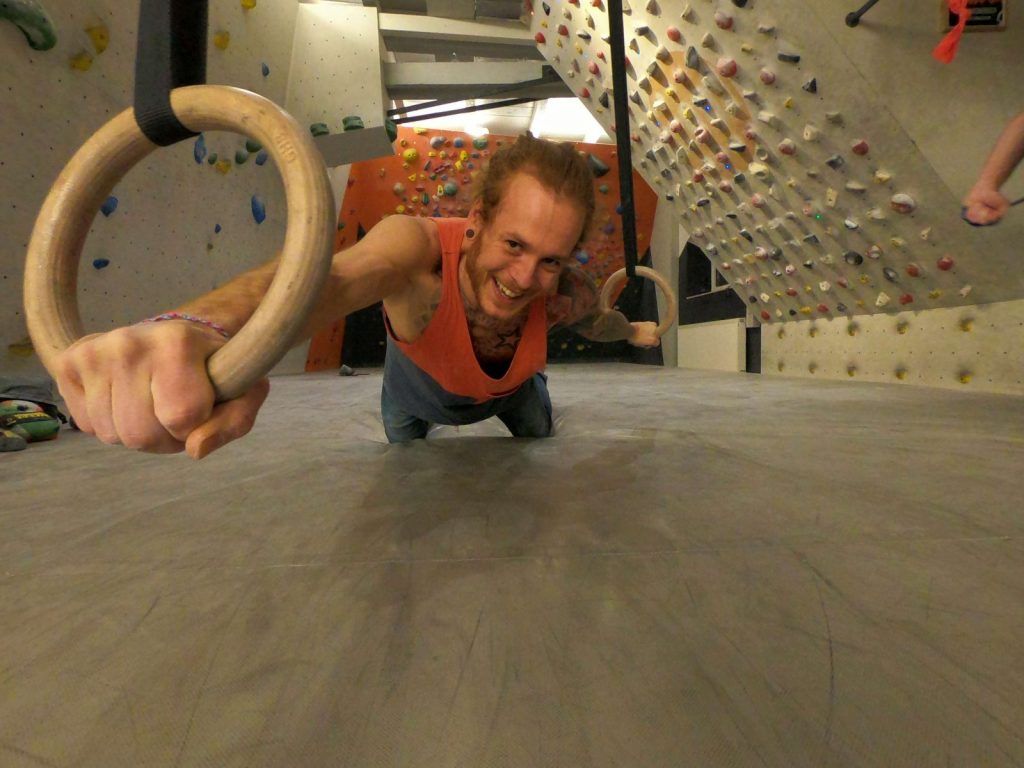
On-call duty and the ‘weather shift’. Working in bad weather, climbing in good weather? There are just two snags. Firstly: what sort of job do you do in bad weather? And secondly: there’s always good weather somewhere in the world.
Note: this is satire. Alongside the obvious, there are a few hidden truths here that apply to more than just climbing. Nevertheless, life, with all its – often self-imposed – tasks, remains a balancing act between work and life. And for those who can’t manage it, there are still two options left: enrolling (again) at university or signing up with the Jobcentre. Near the crags, of course.
It’s no longer an insider’s tip, but the Rock Climbing Areas on the Martinswand near Innsbruck are simply too perfect for that:
What’s more, the Martinswand is almost a relic of days gone by and plays an important role in Tirolean climbing history. Partially chiselled holds and bouldering traverses are a reminder of the training strategies used before the advent of indoor climbing. The difficulty of the earliest routes suggests that Tirol and its climbers have always been among the elite – and the route names tell their own stories:
New Levels of Difficulty were established here early on: ‘Hyperfreiflug’ was the region’s first 8a+. And the boulder traverse ‘Panta rhei’ remains one of the most difficult boulders in the world to this day – the grades range from 8b+ to 9a, although the latter is best regarded as a Lead grade.
And now that you’ve hopefully taken in this brief history lesson whilst at work: head straight out for a climb after work and make the most of your own work-climb balance.
Tips & Safety
Would you like to know more about climbing safety? Click here for our safety tips.


