Alpine climbing vs. sport climbing: Here are the differences

Not all alpine climbing is the same. As with most other sports, there are plenty of ways to ease yourself into Multi-Pitch Climbing gradually. But what exactly are the main differences compared to sport climbing?
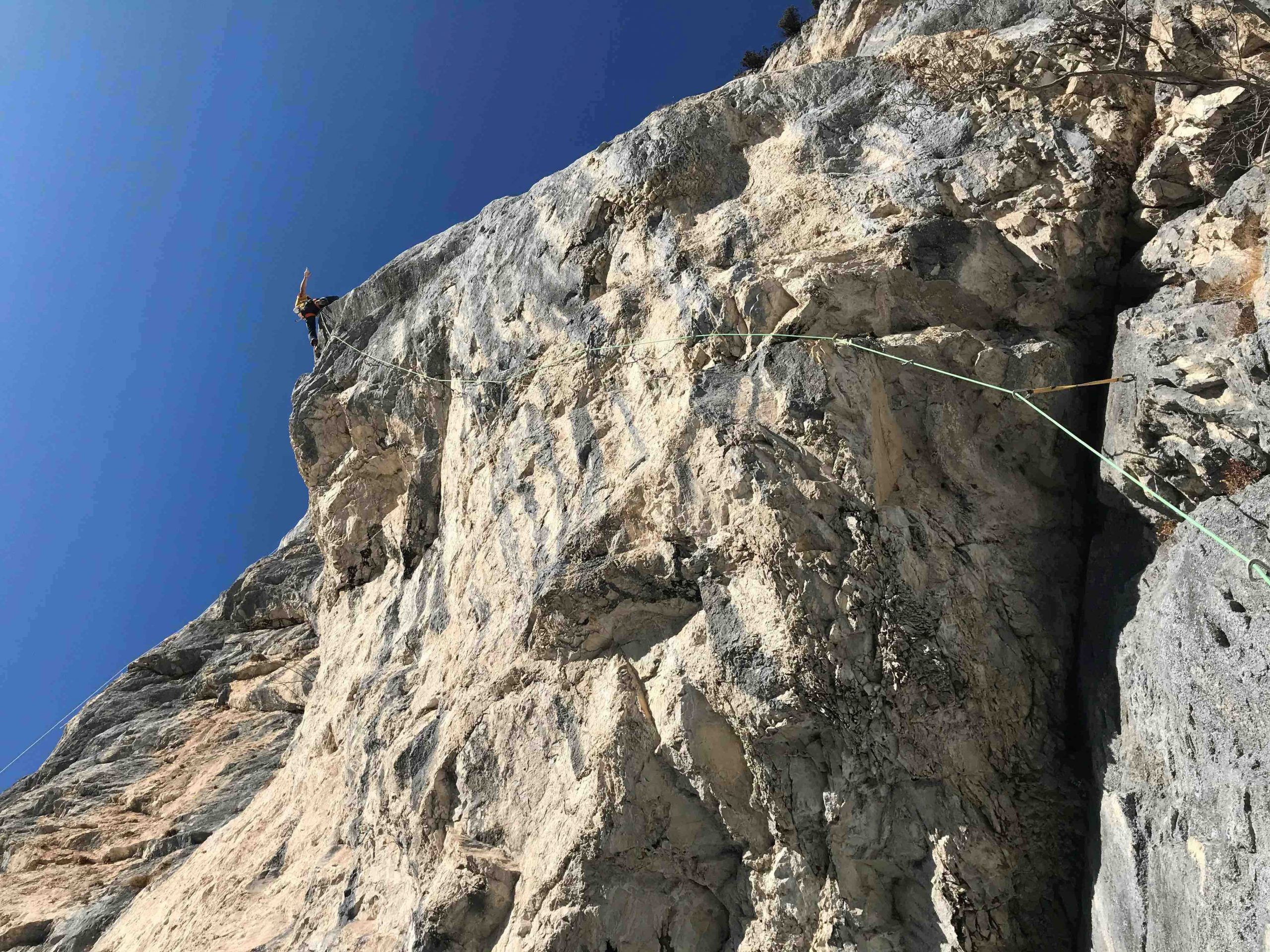
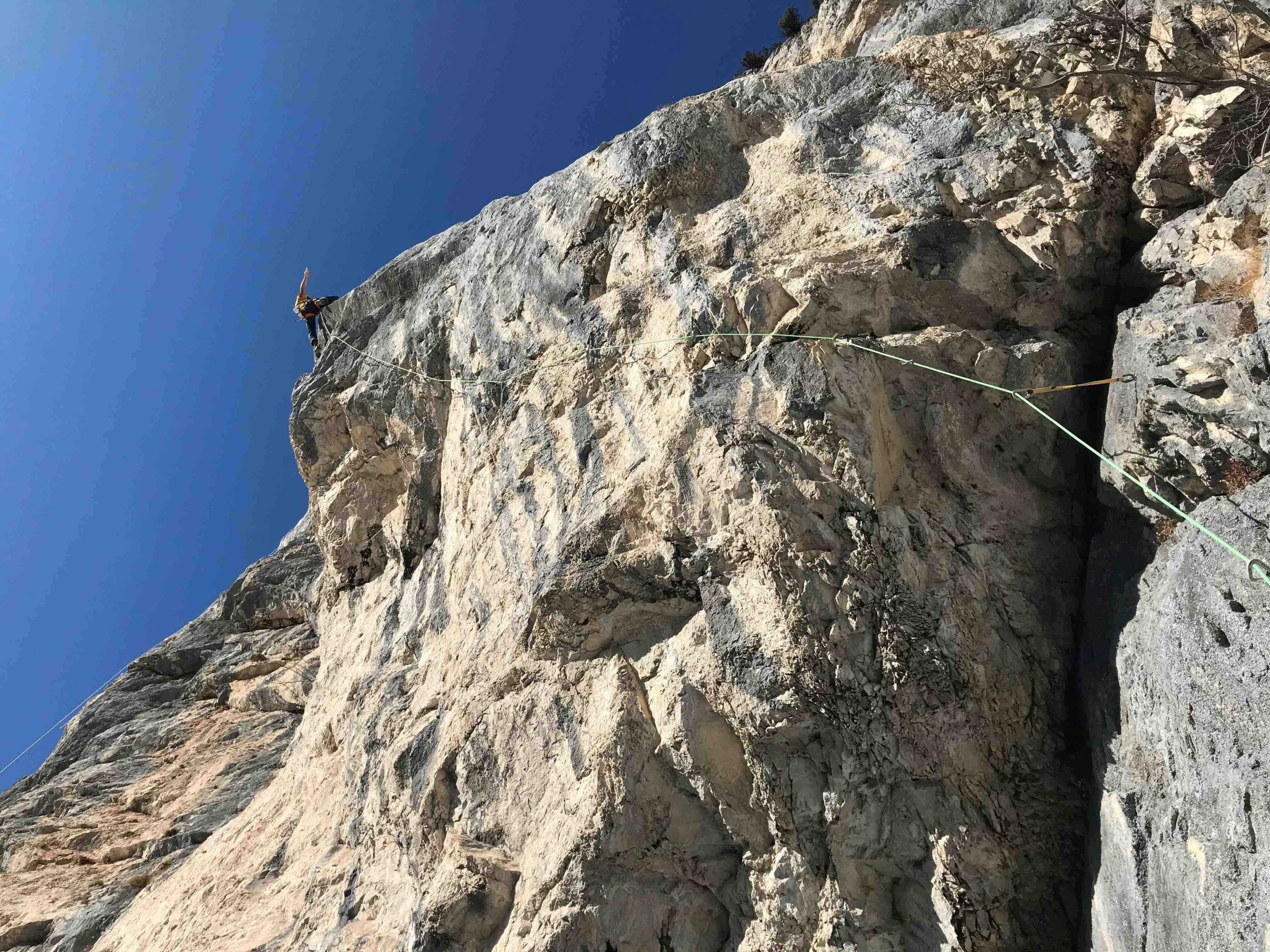
Kletterer in einer Mehrseillängenroute an der Chinesischen Mauer in der Leutasch

Maintained Rock Climbing Areas – uninspected Multi-Pitch Climbing

Most Rock Climbing Areas in Tirol have a ‘maintenance officer’: routes, belay stations and intermediate bolts are checked at regular intervals and replaced where necessary, whilst loose flakes or rocks are removed or monitored. This sort of service is not available for multi-pitch routes.

Sport climbing areas such as the ‘Chinesische Mauer’ in Leutasch often also feature Multi-Pitch Climbing routes equipped for sport climbing – however, these are excluded from the operators’ remit and are not maintained. This means that you cannot rely on there being a sturdy chain with a carabiner at every belay station, or on these routes being cleared of loose rocks.

Text and photos: Thomas Wanner

Climbers on a multi-pitch route on the ‘Chinesische Mauer’ in Leutasch

Alpine climbing: Understanding the risks & preventing accidents | Alpine climbing #01 | SicherAmBerg – Video: Austrian Alpine Club

The master plan: setting aside time

For you as a climber, this means that Multi-Pitch Climbing requires a greater degree of personal responsibility and knowledge of mountaineering. As with all mountaineering ventures – whether on ice, snow or rock – a master plan is therefore essential. The first step is a rough timetable:

  • Access
  • Climbing time
  • Descent or abseiling
  • Breaks and reserves (!)

Depending on the distance of the expedition, this will determine the start time and the necessary provisions – particularly fluids.

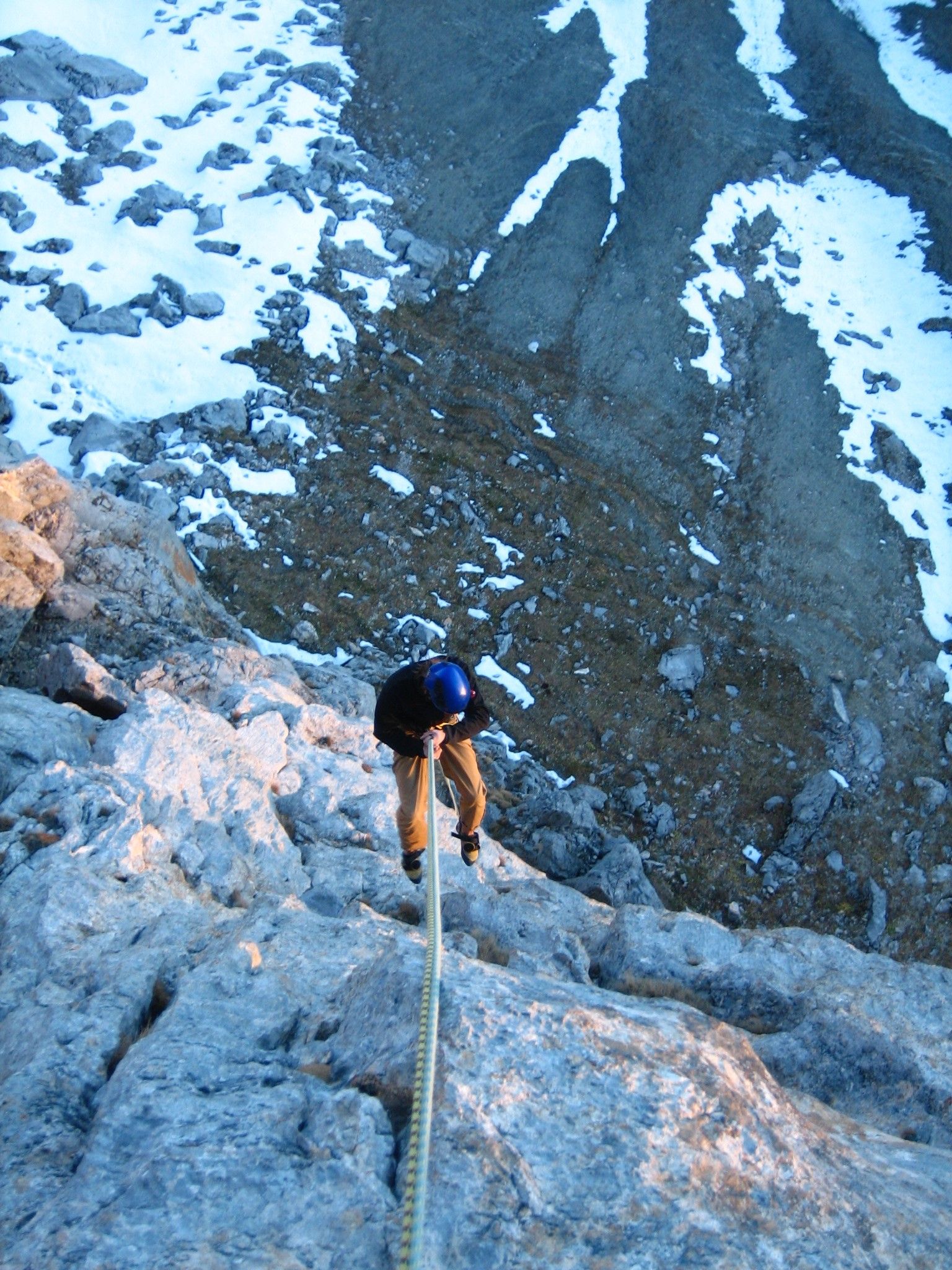
Climbers abseiling in the Wetterstein range above a sea of clouds

Abseiling correctly on rock: avoiding the most common mistakes | Alpine Climbing #07 | SicherAmBerg – Video: Austrian Alpine Club

Weather and current conditions

Planning a climb up theMartinswand in August makes about as much sense as tackling the north face of the Große Zinne in December – unless you fancy sweltering heat or, conversely, frozen toes. The climb must be suited to the time of year, and we need to consider beforehand whether the conditions on the face are suitable for climbing. Many alpine climbing routes remain wet for a long time in spring and need several weeks of warm, stable weather before they really dry out.

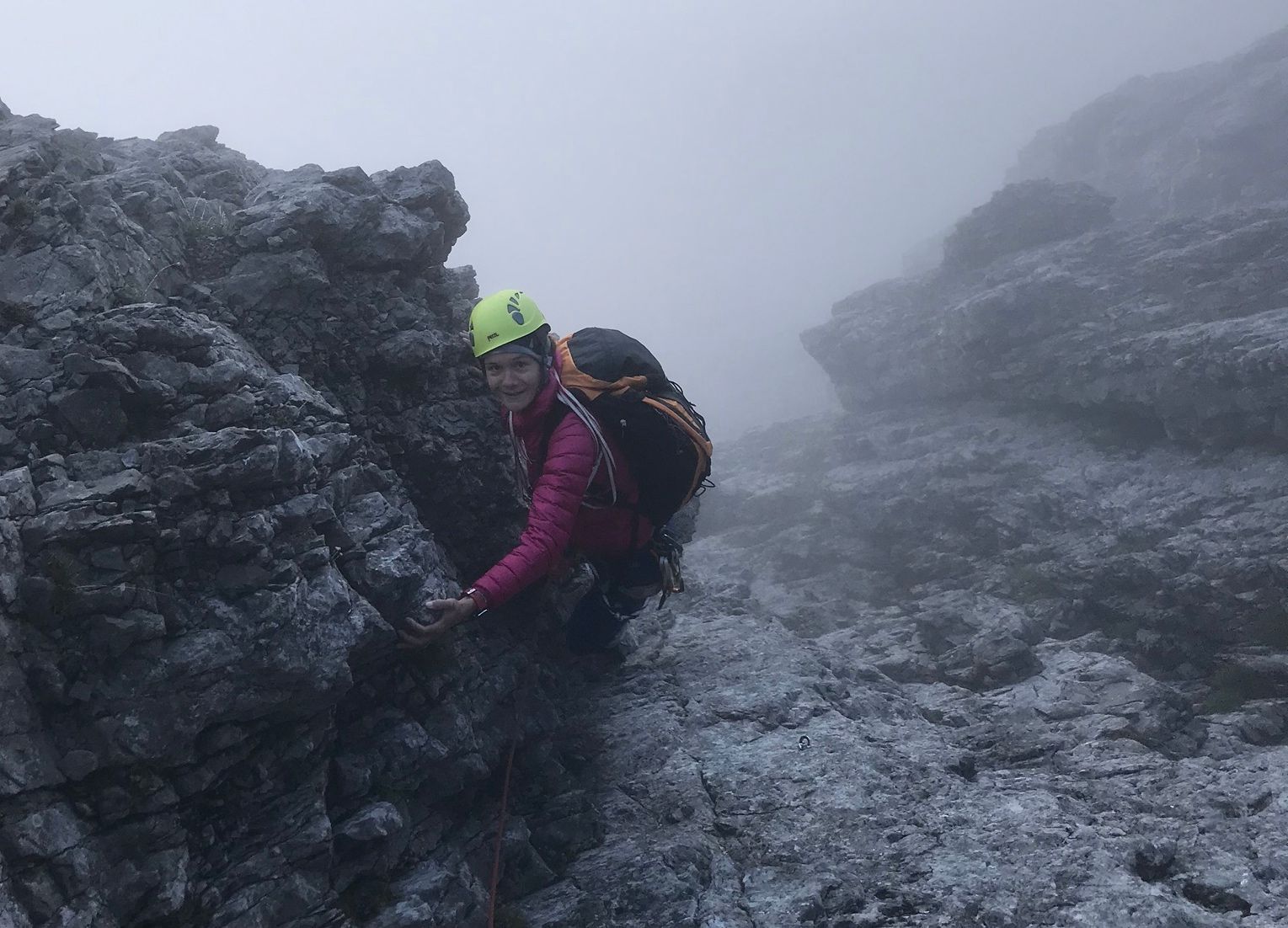
Clouds gathering above an alpine climbing face

Choosing a climbing partner

Unlike in sport climbing, when it comes to alpine climbing you really need to think carefully about who you’re climbing with. It’s not just roping skills that matter: personal risk-taking behaviour and self-assessment are also very important qualities that I scrutinise before tackling a major face. Open communication and the ability to discuss sensitive issues are absolutely essential within a rope team.

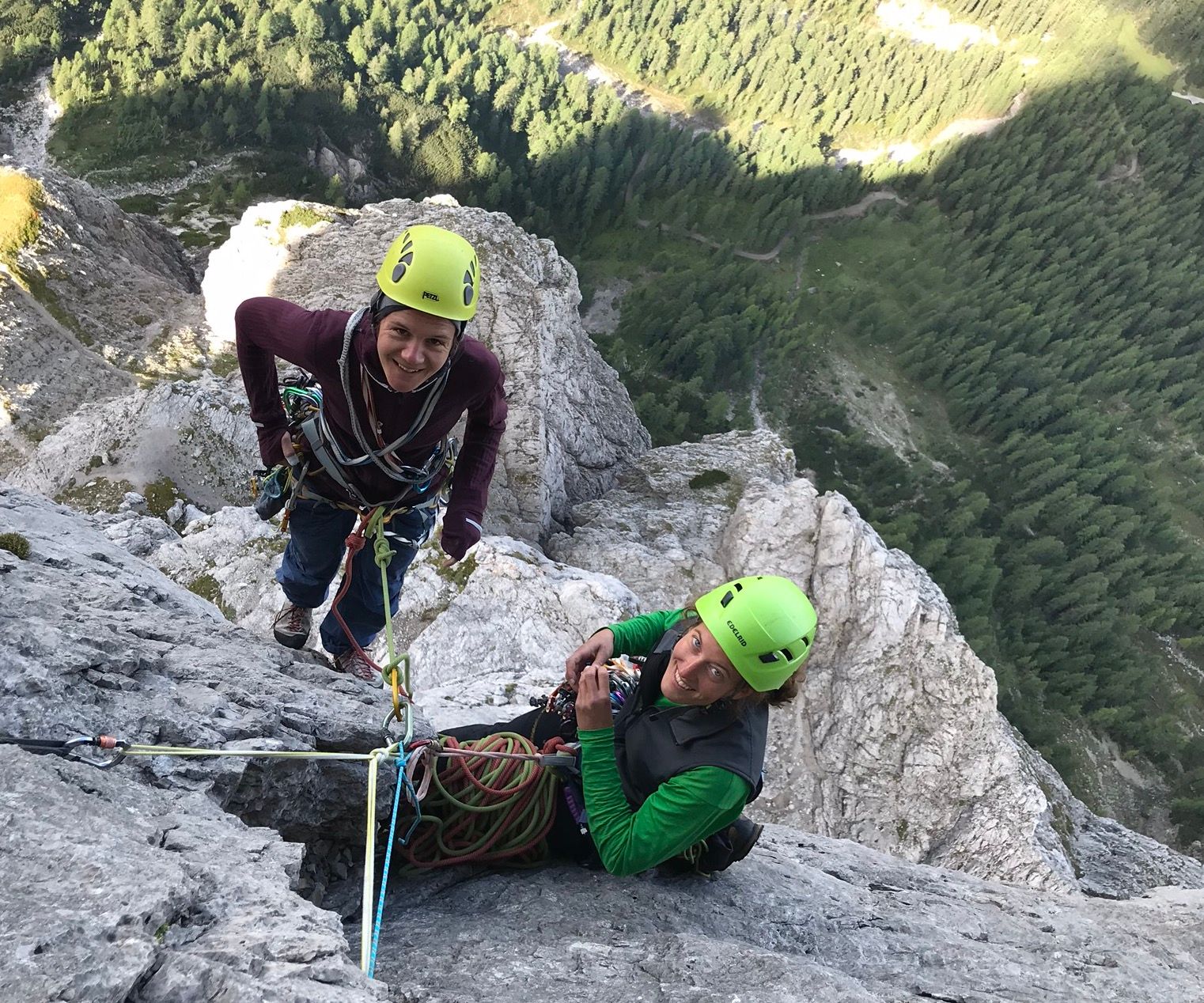
A rope team on an alpine climbing route in the Lienz Dolomites

Equipment and topography

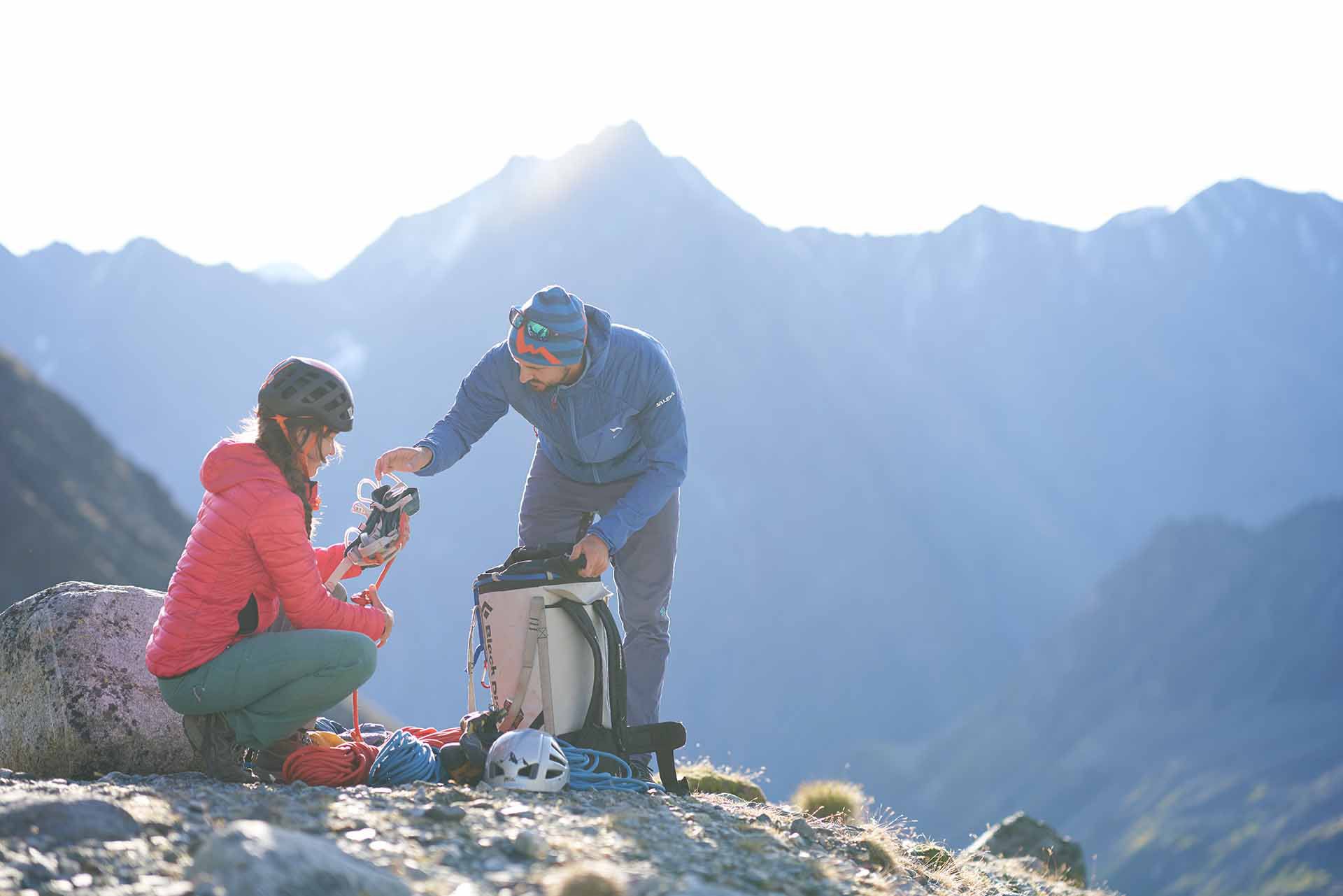
Equipment. The fact is that these days, accidents caused by poor or inadequate equipment are almost unheard of – on the contrary: you sometimes find yourself marvelling at the abundance of new, unused specialist equipment, such as Friends, on well-protected sport climbing routes. Our guiding principle is therefore to adapt our kit to the route:

  • How many quickdraws do we need?
  • Are the belay stations well set up, or do I need gear to set them up myself?
  • Will we abseil down the route, or do we need approach shoes for the descent?

Topography. Anyone wishing to plan their climbing route thoroughly cannot do without a thorough study of the topography guide. The topography includes all pitches and describes them in terms of difficulty, distance and distinctive features (cracks, slabs, chimneys); it often contains advice on the equipment required or warnings such as ‘Caution: rope friction!’ or ‘False move!’. You should take these tips to heart – after all, there’s no need to repeat the mistakes of those who went before you.

Setting up a belay station & protection: Anchor points, Friends & nuts | Alpine climbing #04 | SicherAmBerg – Video: Austrian Alpine Club

Further information

However, the wall guide alone isn’t enough for thorough route planning. Experience reports, photos and information about the start of the route are extremely valuable if you are not yet familiar with the area. In theclimbing magazine LIMIT by Climbers Paradise, you’ll find reports and features on the most popular Multi-Pitch Climbing destinations in Tirol. It’s definitely worth a look.

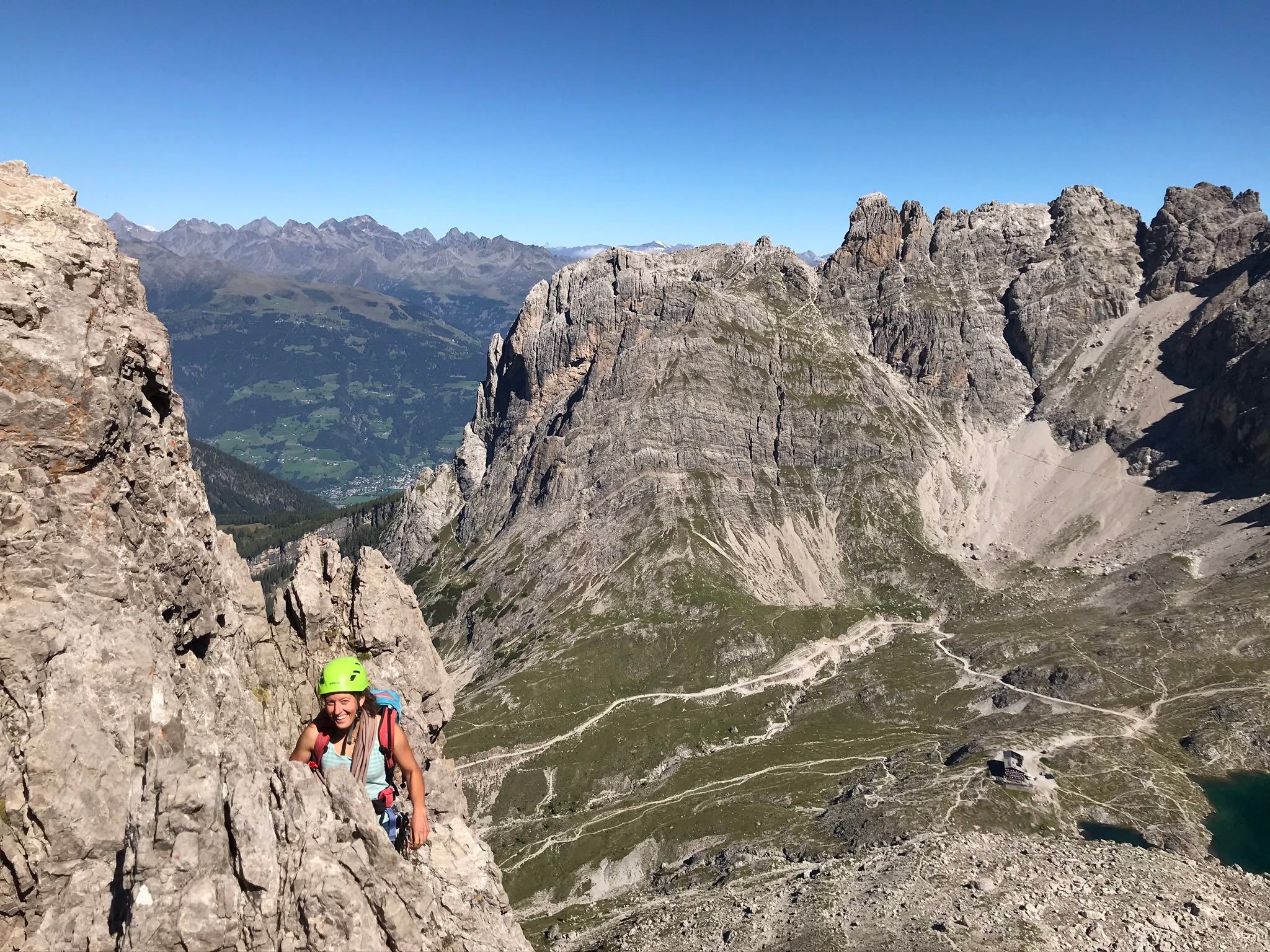
Climbers on a multi-pitch route near the Karlsbaderhütte

Every beginning is difficult – three areas to get you started

Don’t worry: no one has ever become an expert overnight. It simply takes a bit of time and patience to get the hang of alpine climbing. Choosing the right area for your route is perhaps the most important tip for getting started.

  • Muttekopfhütte (Imst, Tirolean Oberland): ideal for your first Multi-Pitch Climbing experiences. The routes tend to be on the easier side, and the protection and belay stations are generally very good. The accesses from the Mountain Lodge/Hut are short – in stable weather, you can even manage two routes in a single day. There are also plenty of Rock Climbing Areas nearby for practising.
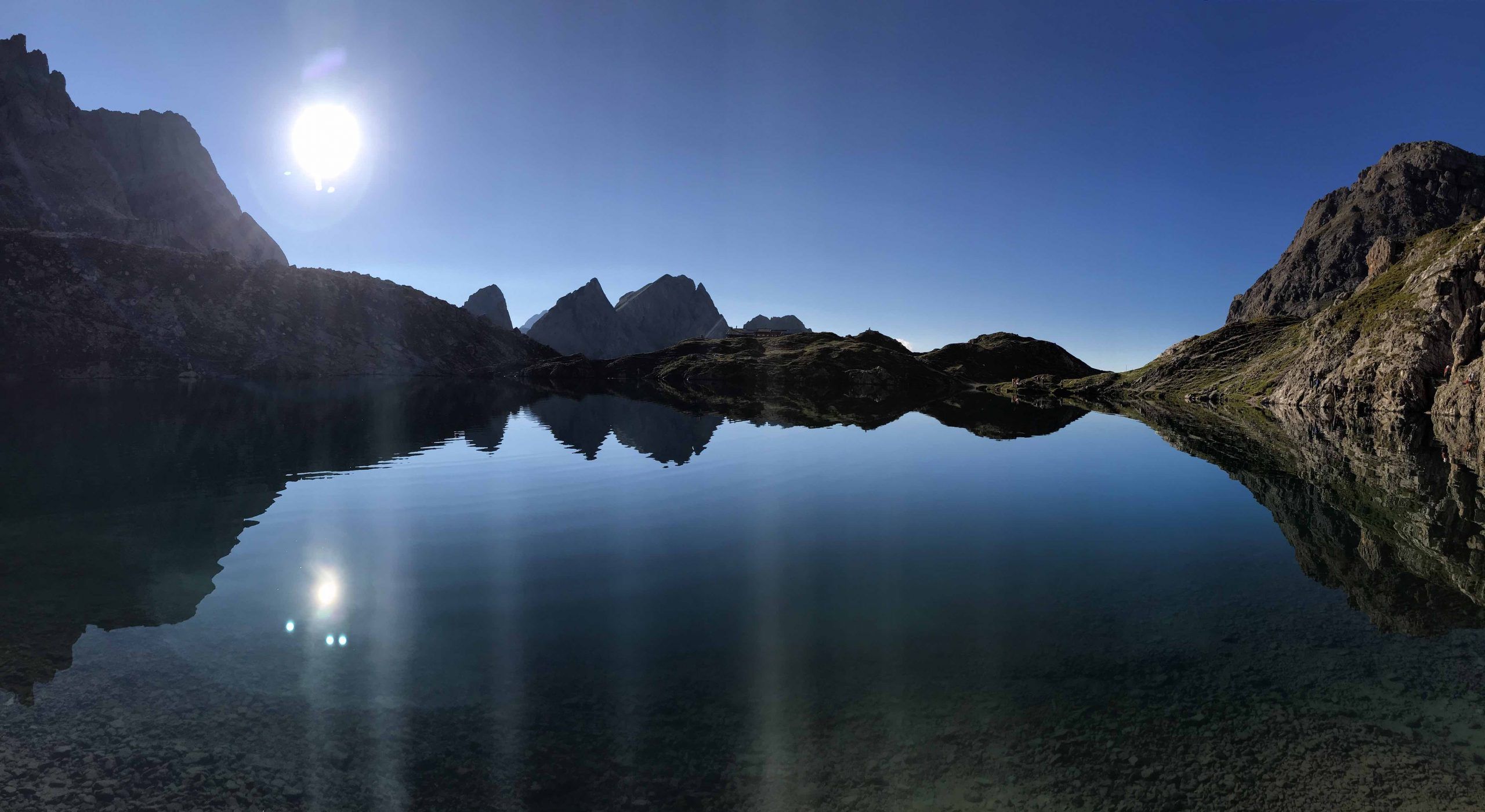
  • Karlsbaderhütte (Lienz Dolomites): a top spot, especially in high summer and when temperatures are high. Behind the Mountain Lodge/Hut lies a beautiful mountain lake where you can cool off. The variety ranges from alpine classics to exposed ridge climbs and well-equipped ‘plaisir’ routes.
  • Nassereith: The Multi-Pitch Climbing routes on the right-hand side of the Rock Climbing Area are a good choice for late autumn or spring, when there is still snow higher up. The protection is very good throughout, and the descent is via the Via Ferrata/Iron Way – so there’s no need to abseil.
The Karlsbaderhütte in the Lienz Dolomites, situated right by a mountain lake

Climbing courses and professional instructors

If there’s no one in your circle of friends who can help you take your first steps, you can get in touch with local mountaineering schools or clubs: the Alpine Club, the Friends of Nature, SAAC or ClimbHow. These organisations offer a wide range of different courses, where even advanced climbers can still learn something new.

For specific expeditions, you can of course also book private Mountain Guides – start your search at bergfuehrer-tirol.at.

For further viewing: the ÖAV video series ‘Alpine Climbing’

The Austrian Alpine Club has produced its own video series on the subject: “Alpine Climbing | SicherAmBerg”. Seven episodes cover exactly the points discussed in this article – from reading topography maps to setting up belay stations and abseiling:

View the full playlist on the ÖAV YouTube channel

The areas covered in this article

You might also be interested in these articles