6 Climbing Tips: The Best of Innsbruck

Sometimes a hashtag actually says something: #climberscity, for example. There are probably few cities in the world that boast such a high concentration of top climbers – and that is precisely what defines the spirit of the city.
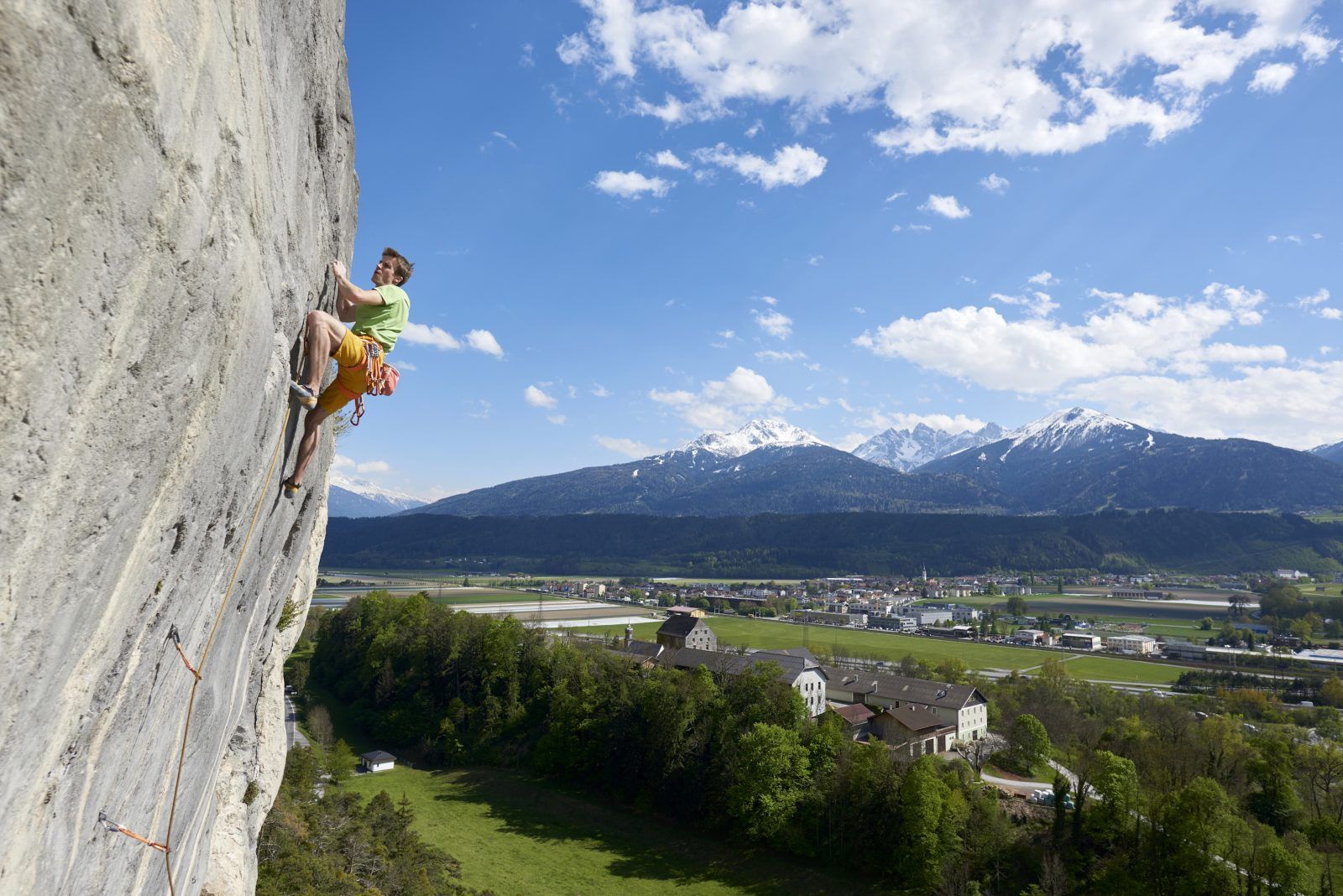
Jakob Schubert klettert im Klettergarten Dschungelbuch an der Martinswand

Rocks in every direction

Even when you’re just strolling through Innsbruck’s old town, you get the feeling that, somehow, everyone here is ready to set off on a route at a moment’s notice.

It makes sense, really: even right in the city centre, you can see the rocks in every direction – up on the Nordkette, over there on the Martinswand, below the Nockspitze. And then there’s the Innsbruck Climbing Centre, should it happen to rain: one of the most modern indoor climbing centres around, where top international athletes come and go in a constant stream.

You don’t have to travel all the way to the Zillertal or the Wilder Kaiser to enjoy some great rock climbing: many spots are close by in the Innsbruck region and can even be reached by bike. Here’s an overview of the most rewarding climbs in and around the capital of the Alps.

Text: Simon Schöpf

Jakob Schubert climbing at the ‘Dschungelbuch’ Crag on the Martinswand

Sport Climbing 1. Dschungelbuch, Martinswand

Where world-class athletes meet world-class rock: The Dschungelbuch is just one of many Rock Climbing Areas in the Martinswand, a good ten minutes’ drive west of Innsbruck – but definitely the largest and most historic. With routes such as ‘Dschungelfieber’ (8c/+), it was the epicentre of Tirolean sport climbing in the 1980s and 1990s.

The difficult routes are dominated by gruelling edge climbing on small holds – but even a 7− can be surprisingly challenging. Nevertheless, there are always rewarding routes to be found in the intermediate Levels of Difficulty. It’s only advisable to attempt new routes here when the grip on the rock is good: cool temperatures and a light breeze are ideal. The area faces south and lies at the very bottom of the Inn Valley – which makes the ‘Jungle’ an ideal spot for autumn and winter climbing.

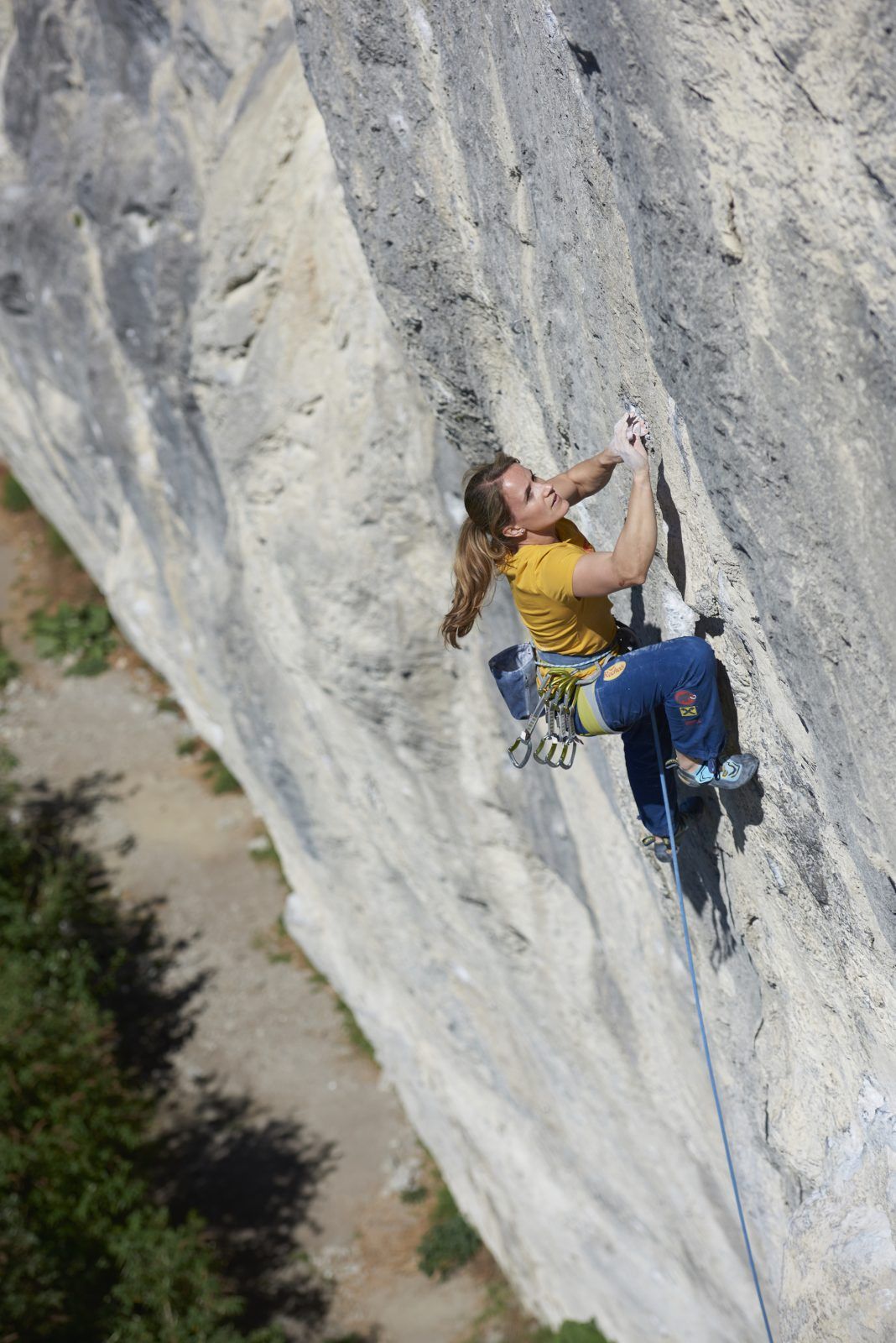
Anna Stöhr on small ledges at the ‘Dschungelbuch’ Crag
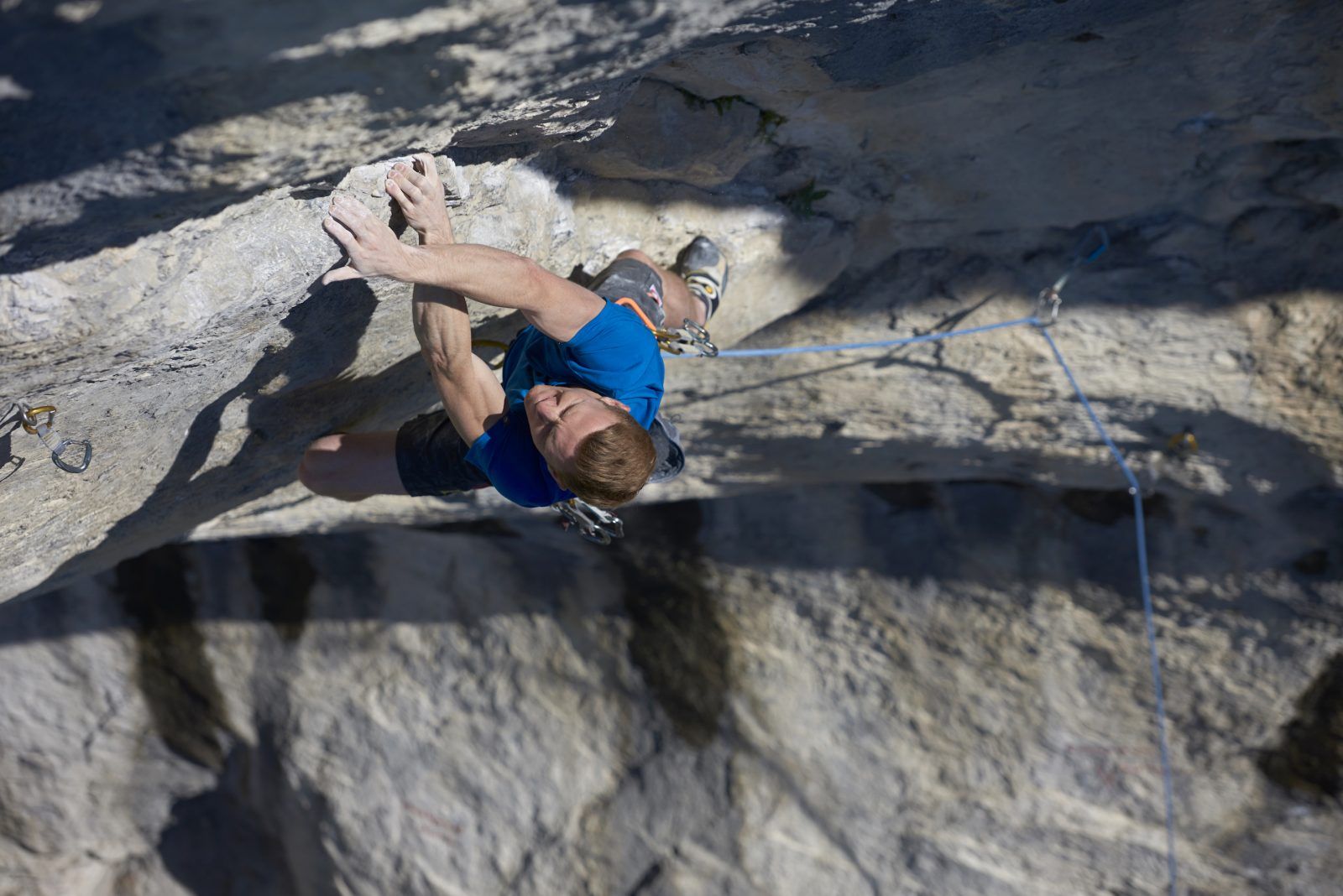
Jorg Verhoeven climbing at the ‘Dschungelbuch’ Crag on the Martinswand

Sport Climbing 2. Kletterarena Seegrube, Nordkette

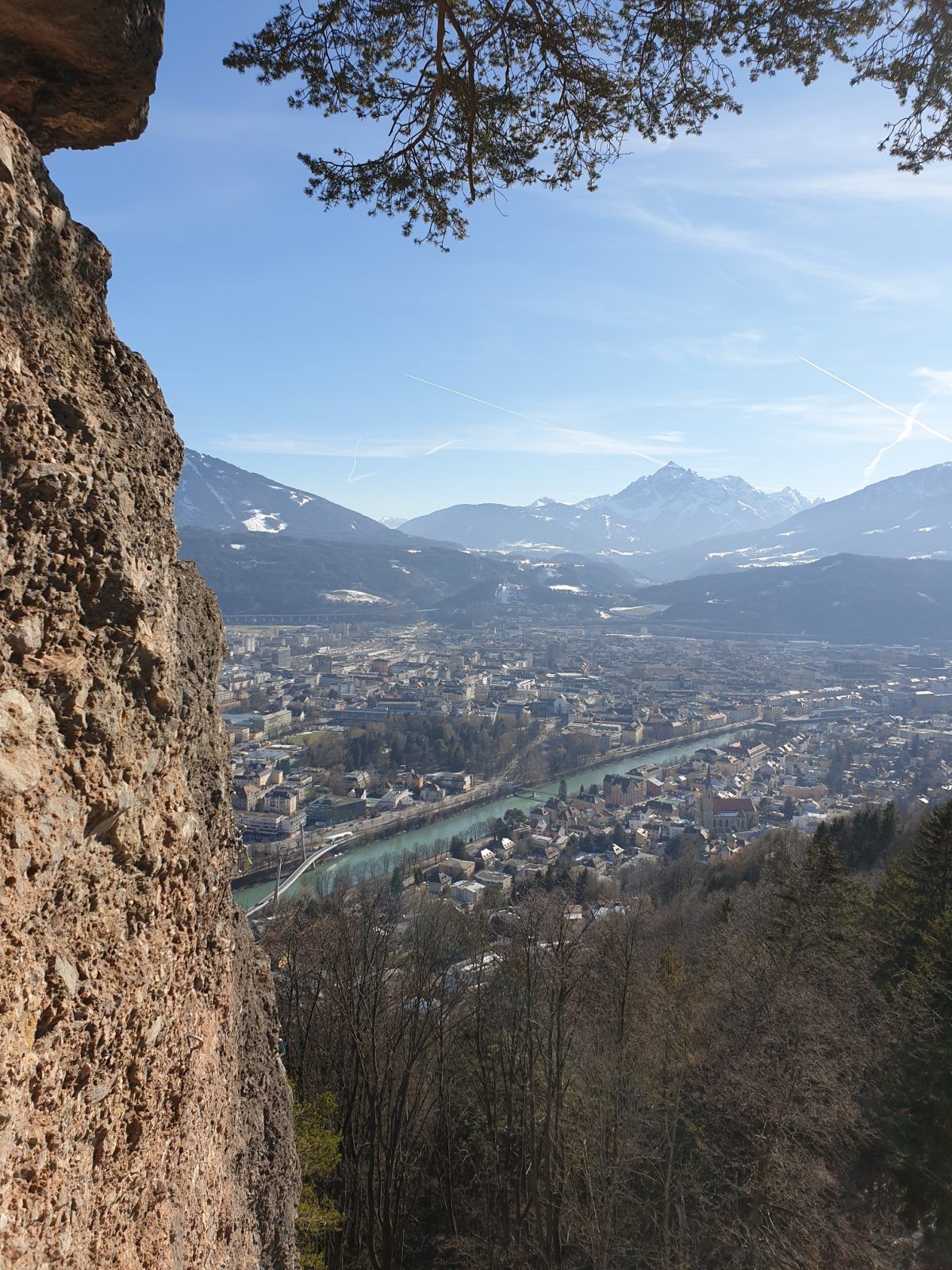
Viewed from below, one would not think that the Nordkette, which dominates the cityscape of Innsbruck, contains any solid rock at all – from a distance, it appears to consist primarily of brittle Karwendel rock. But if you take a closer look at the rocks, you’ll repeatedly find pockets of rock-solid limestone.

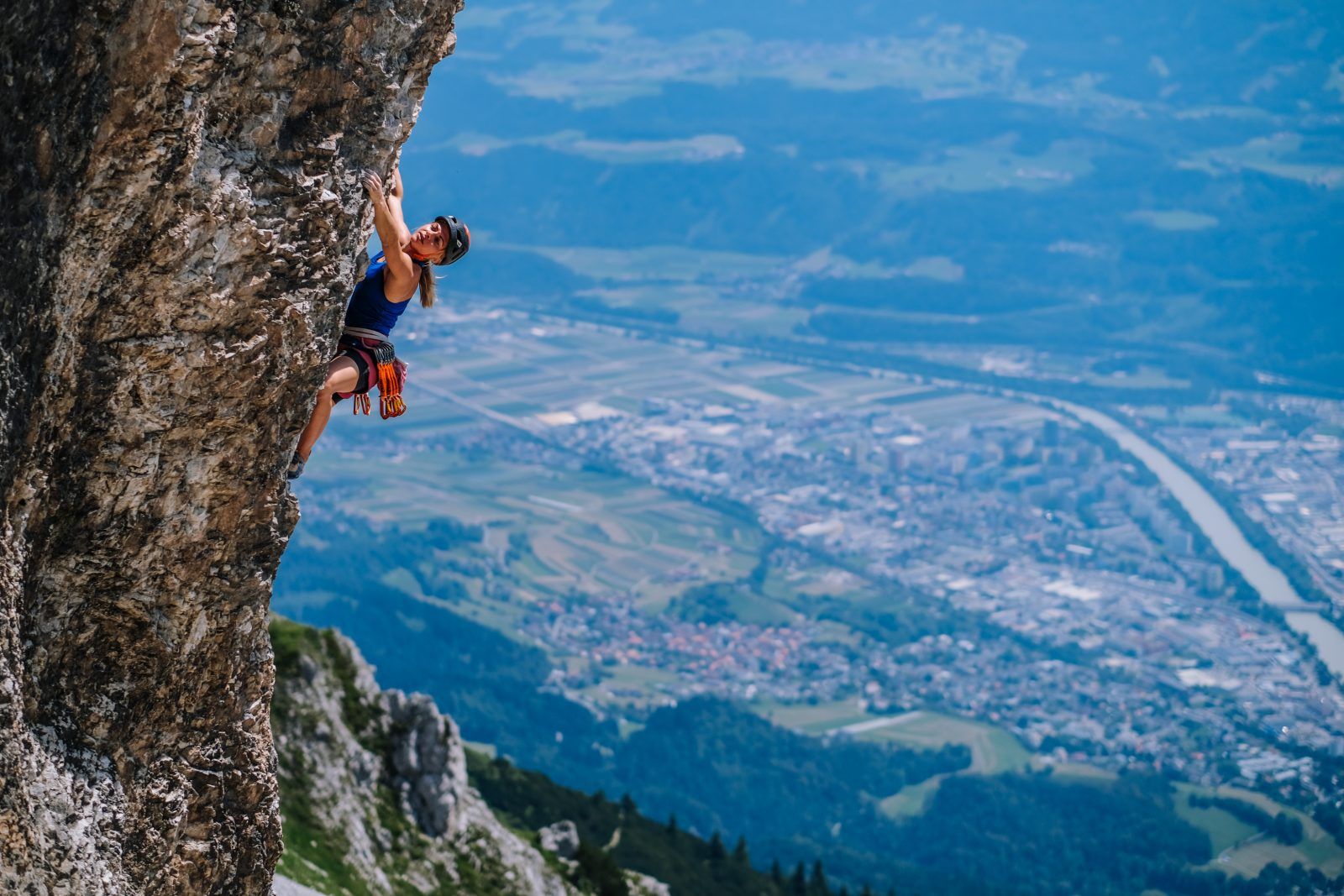
Take, for example, the area just above the Nordkettenbahn Top station, at the top of the Seegrube: developed only a few years ago, the Kletterarena Seegrube offers brilliant, super-challenging crack climbing at 2,000 metres – with the city lying at your feet.

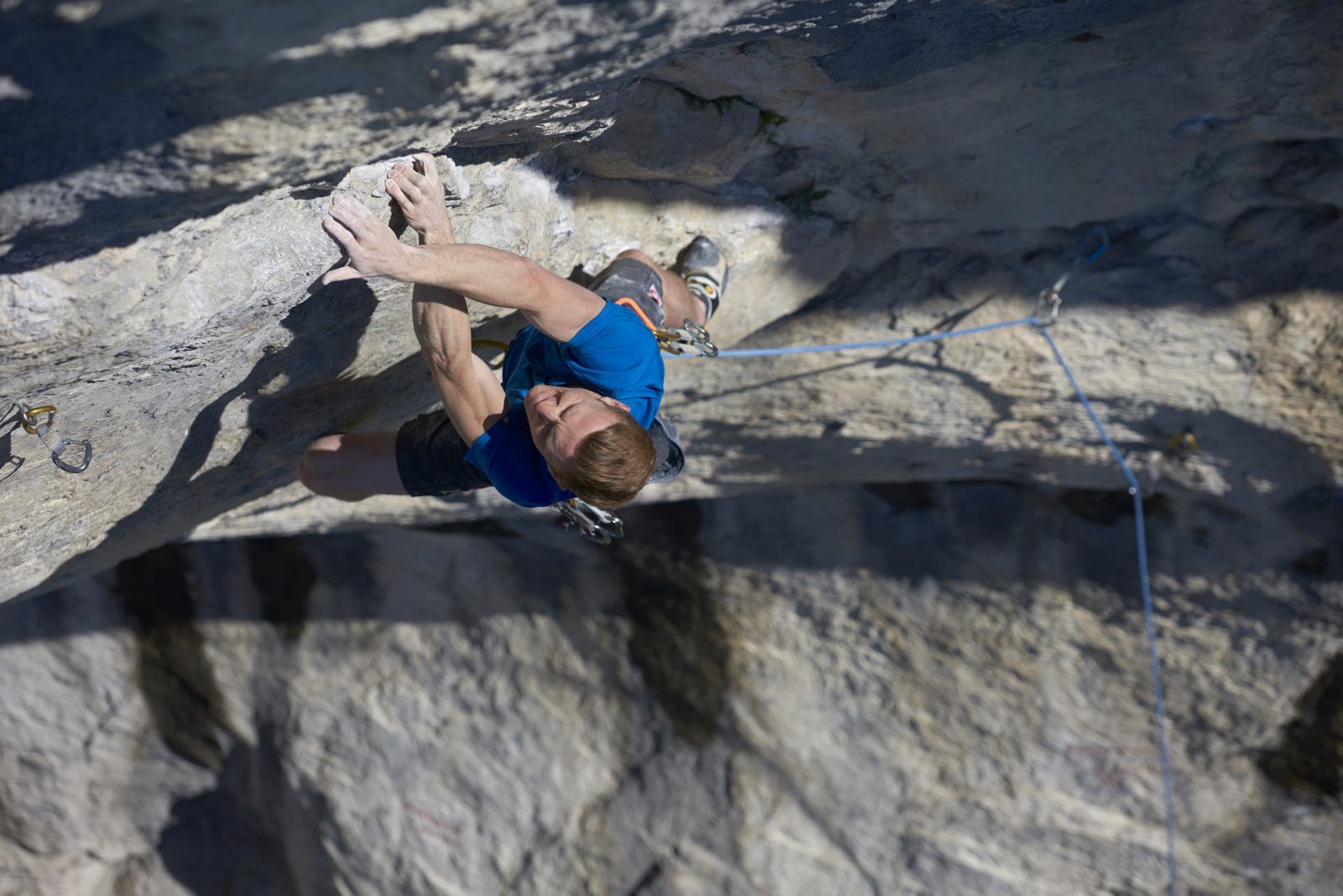
Katha Saurwein climbing at the Kletterarena Seegrube above Innsbruck

Sport climbing 3. Hötting Quarry, Innsbruck

You often hear the naysayers: they say you can’t even climb at theHötting quarry any more, the routes have been so stripped back. It’s true, the patina has built up thickly over all these years – even Hermann Buhl used to clock up his training metres here. But you shouldn’t let that put you off.

The conglomerate rock of the Höttinger Breccie certainly takes a bit of getting used to, especially the first few metres. Nevertheless, the routes are well worth the effort – and they have one huge advantage: good 30-second access, easily reached by bus or Mountain biking. And what other city has a small, delightful climbing area as a local recreational spot? What’s more, there’s a flat meadow at the foot of the crag, where climbing families will find an ideal outdoor playground. Long live the Breccie!

Climbers on the conglomerate rock face of the Hötting Quarry above Innsbruck

Multi-Pitch Climbing 1: Youth Team Wall, Ehnbach Gorge

It’s impressive to see the Jungmannschaftswand rise up before you after hiking a few bends along the narrow path into the Ehnbachklamm. All nine routes are well worth the effort, even if some have been well-climbed. The ‘Jungmannschaftsriss’ is a classic 7. route, whilst ‘Jimmy’s Kanal’ is a popular first multi-pitch route. You can descend easily on foot.

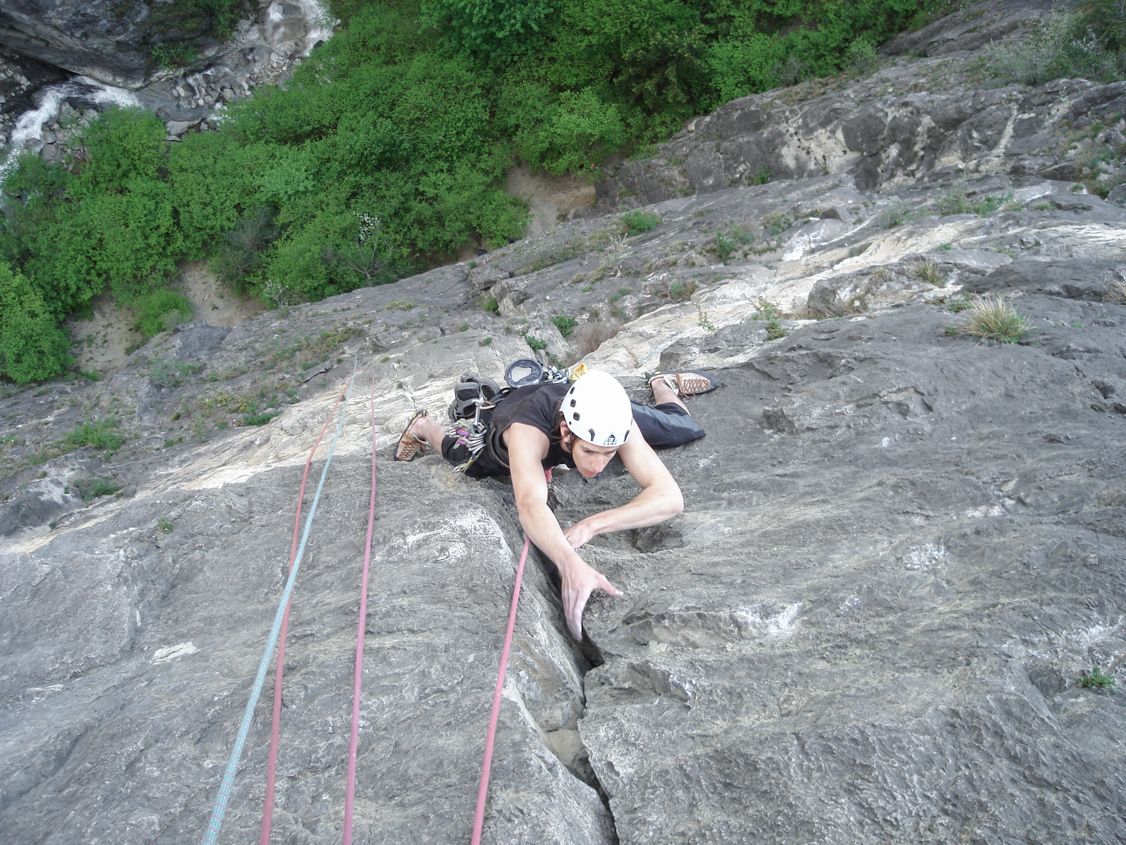
Climbers on the ‘Jungmannschaftsriss’ in the Ehnbach Gorge near Zirl

Multi-Pitch Climbing 2: Martinswand

The main climbing area in the Innsbruck region for multi-pitch climbers is the Martinswand, which towers high above Zirl. Here lies an almost inexhaustible playground for the knights of the vertical:

  • easy, well-bolted slab routes (e.g. ‘Flying Grass’, 7−)
  • exposed, wild alpine classics with sparse protection (‘Westriss’)
  • modern alpine sport climbing routes (e.g. ‘Tschi-Tschi’, 8.0)

There’s something for everyone on the Martinswand. The routes in the upper section of the wall in particular – best reached via an Easy slab route from below, as the access through the Schrofen requires a fair bit of know-how – are extremely energy-sapping for climbers unaccustomed to the technical, small-hold style of the Martinswand.

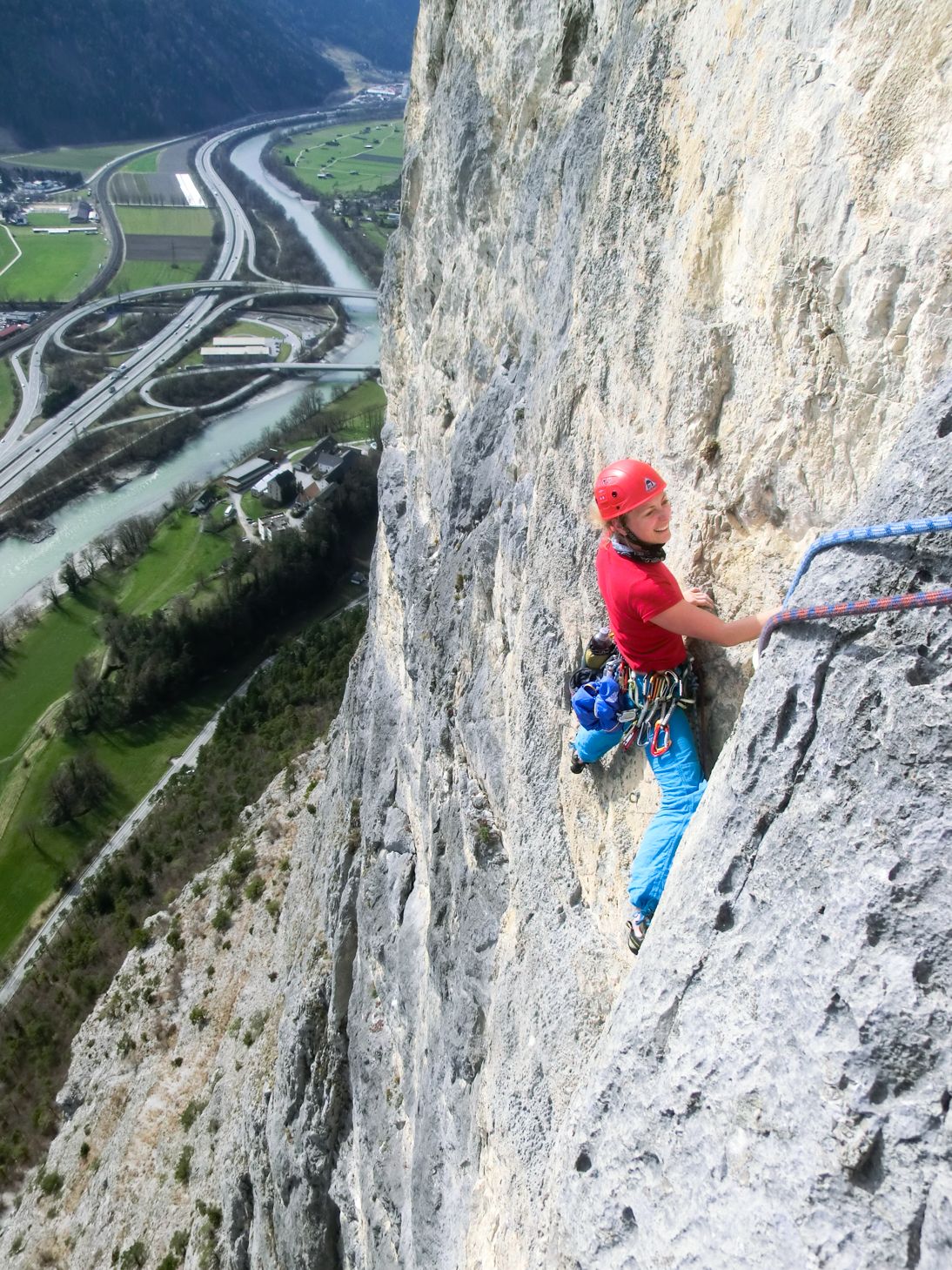
Climbers on the ‘Tschi-Tschi’ route on the Martinswand, high above the Inn Valley

Multi-Pitch Climbing 3: Hohe Munde

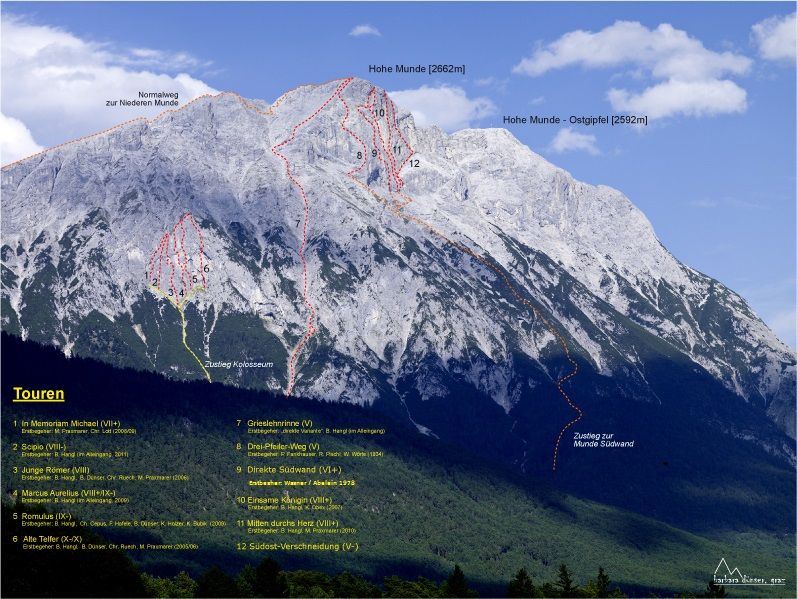
The imposing Hohe Munde, with its distinctive ‘nose’, is the local mountain of Telfs – a market town 20 minutes west of Innsbruck. And the ‘Nose’ is no mean feat: a Finishing Point for experienced alpine climbers who are adept at using mobile protection and can cope with rock that is, in places, brittle.

The Kolosseum has now established itself as an alternative to the south face – here, steep but better-secured alpine sport climbing takes centre stage. However, the athletic routes still require a good dose of determination.

Overview of the climbing routes on the Hohe Munde

The spots featured in this article

You might also be interested in these articles