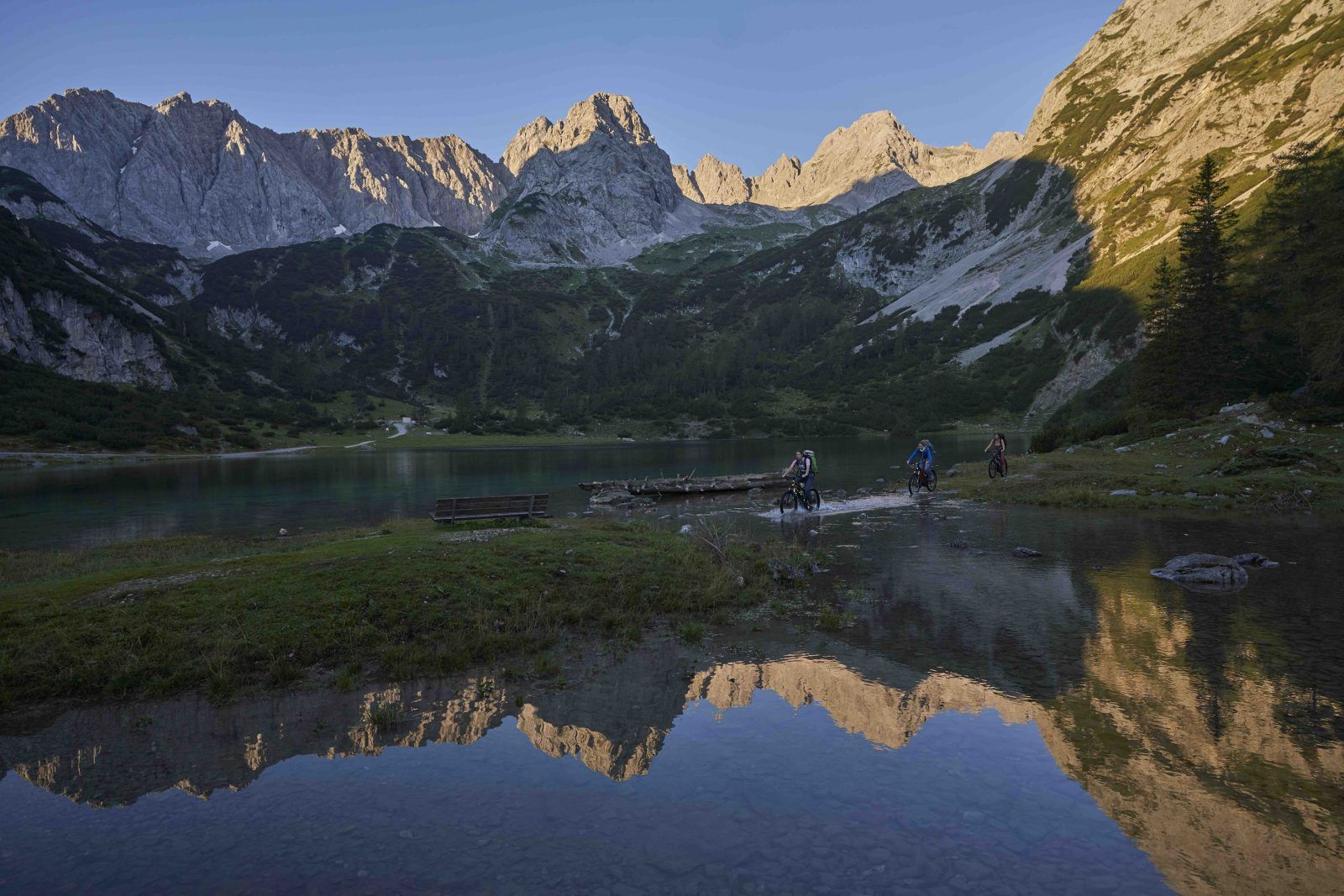
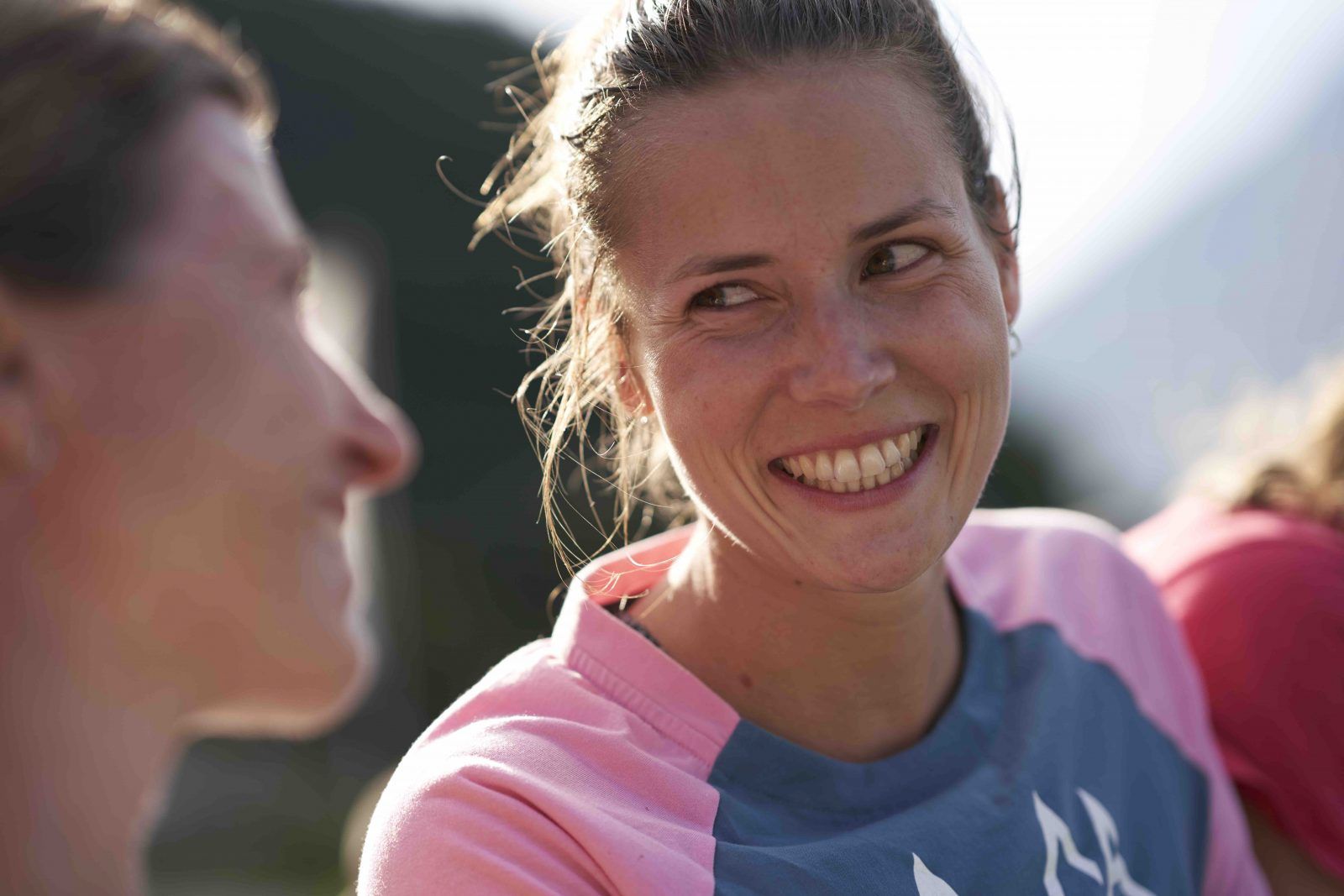
“Today we’re off to the Tirolean Loch Ness,” jokes Chanti. The three friends have just parked their E-Bikes behind Seebensee. “Thanks to the new e-mobility, the climb up here to 1,657 metres was a breeze,” she says with a cheeky smile.
But even without a motor, the route from Ehrwald in the Tirolean Zugspitz Arena is a leisurely ride. The Ehrwald Almbahn is not far away, and a bike transport service is available for two euros per journey (as of 2021). The wide path from the Top station to Seebensee is almost flat. No wonder, then, that this picturesque spot has become a popular Instagram spot.
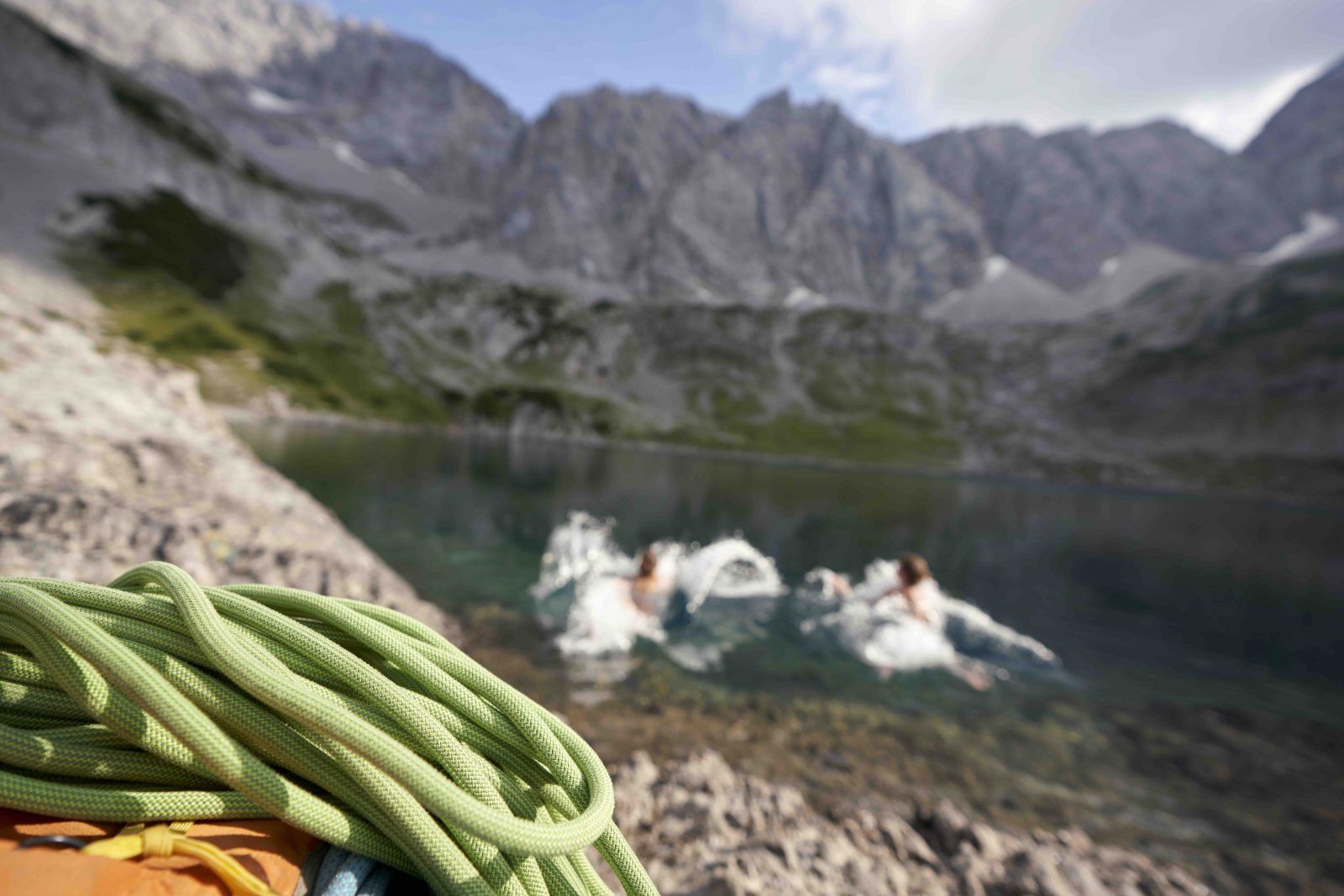
You might think there are beautiful mountain lakes elsewhere too. So why is this area, of all places, so highly sought-after? From a marketing perspective, the reasons are obvious: here you get two mountain lakes for the price of one. Just over half an hour’s walk from Seebensee lies Drachensee – Tirol’s Loch Ness, as Chanti has originally renamed the lake.
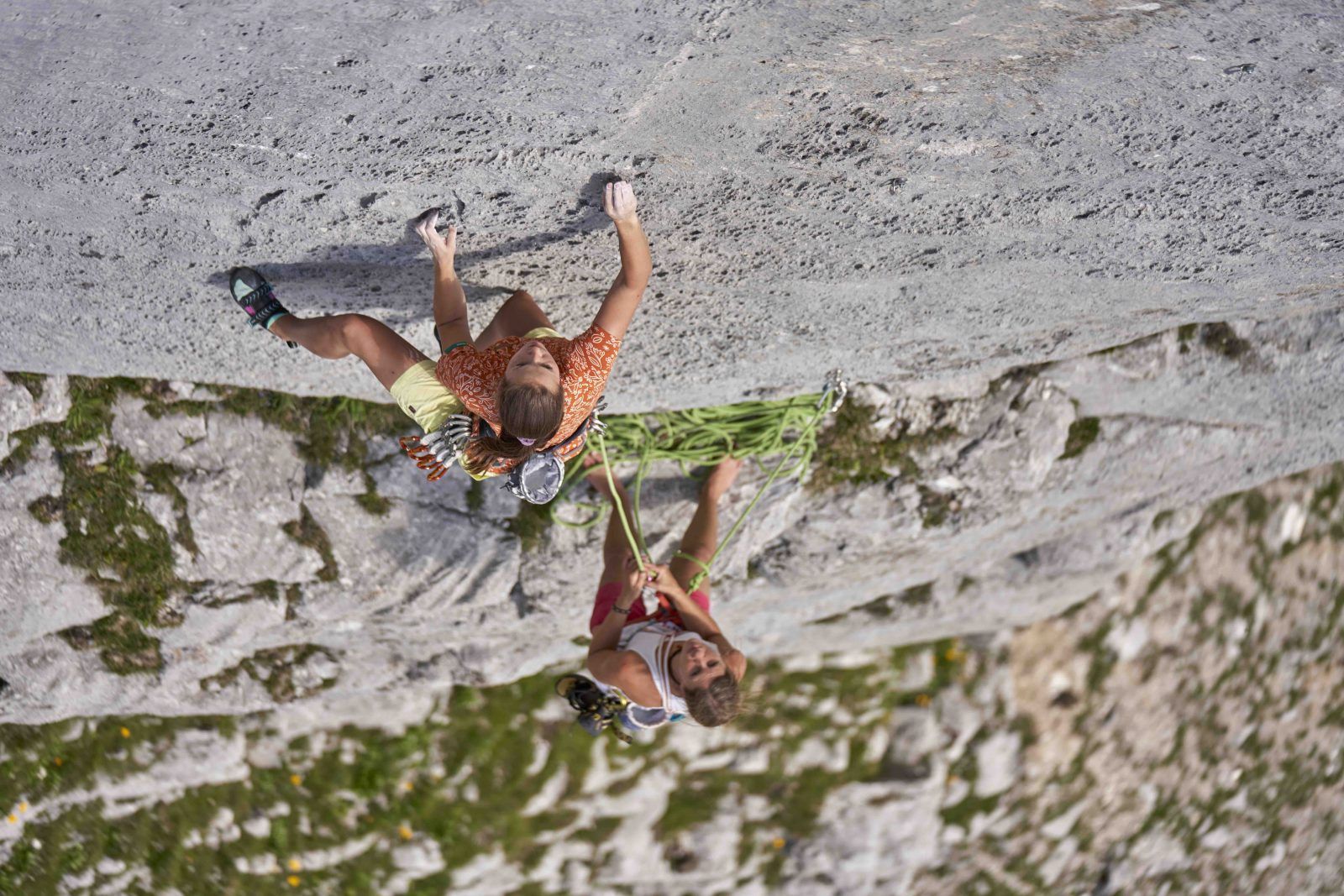
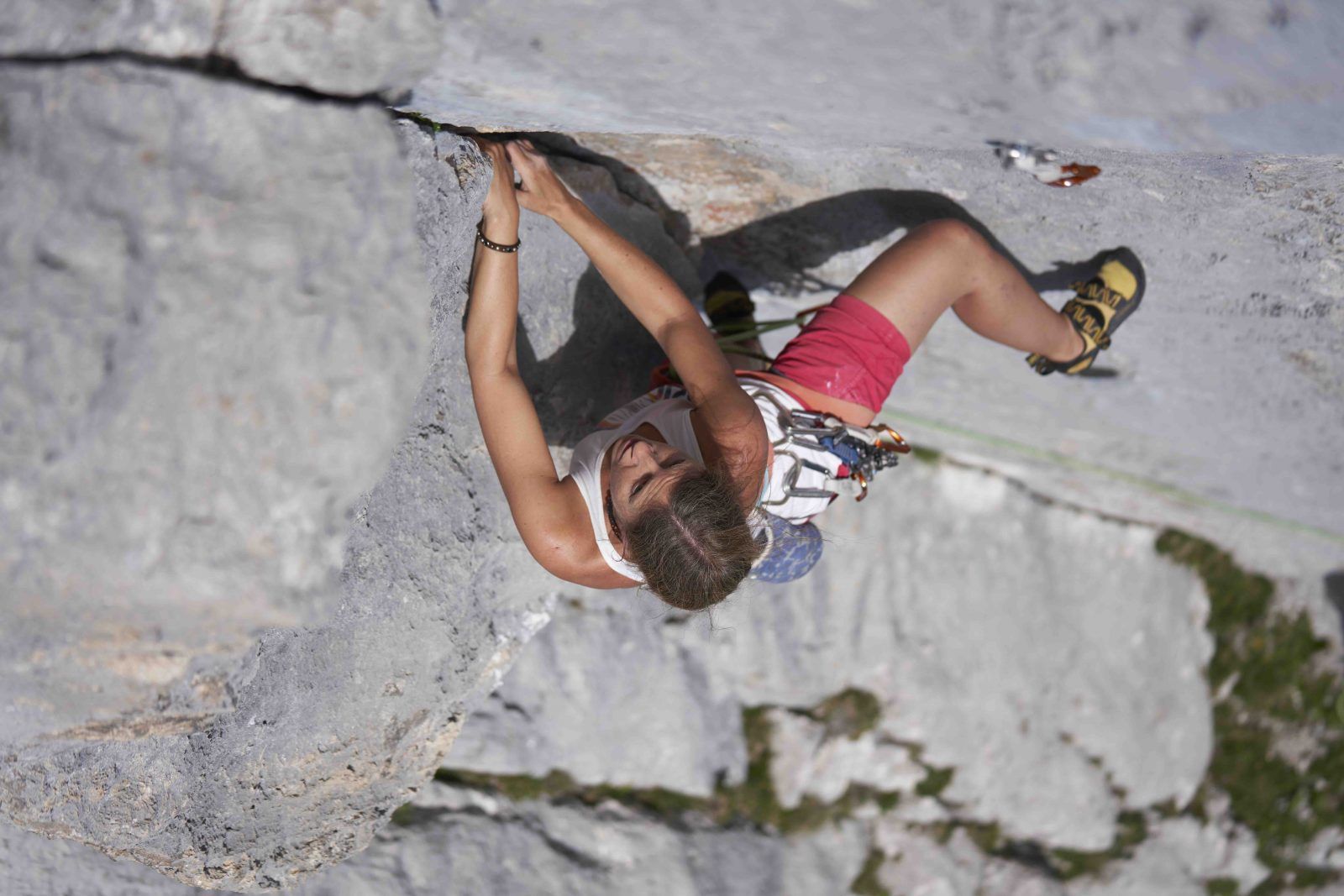
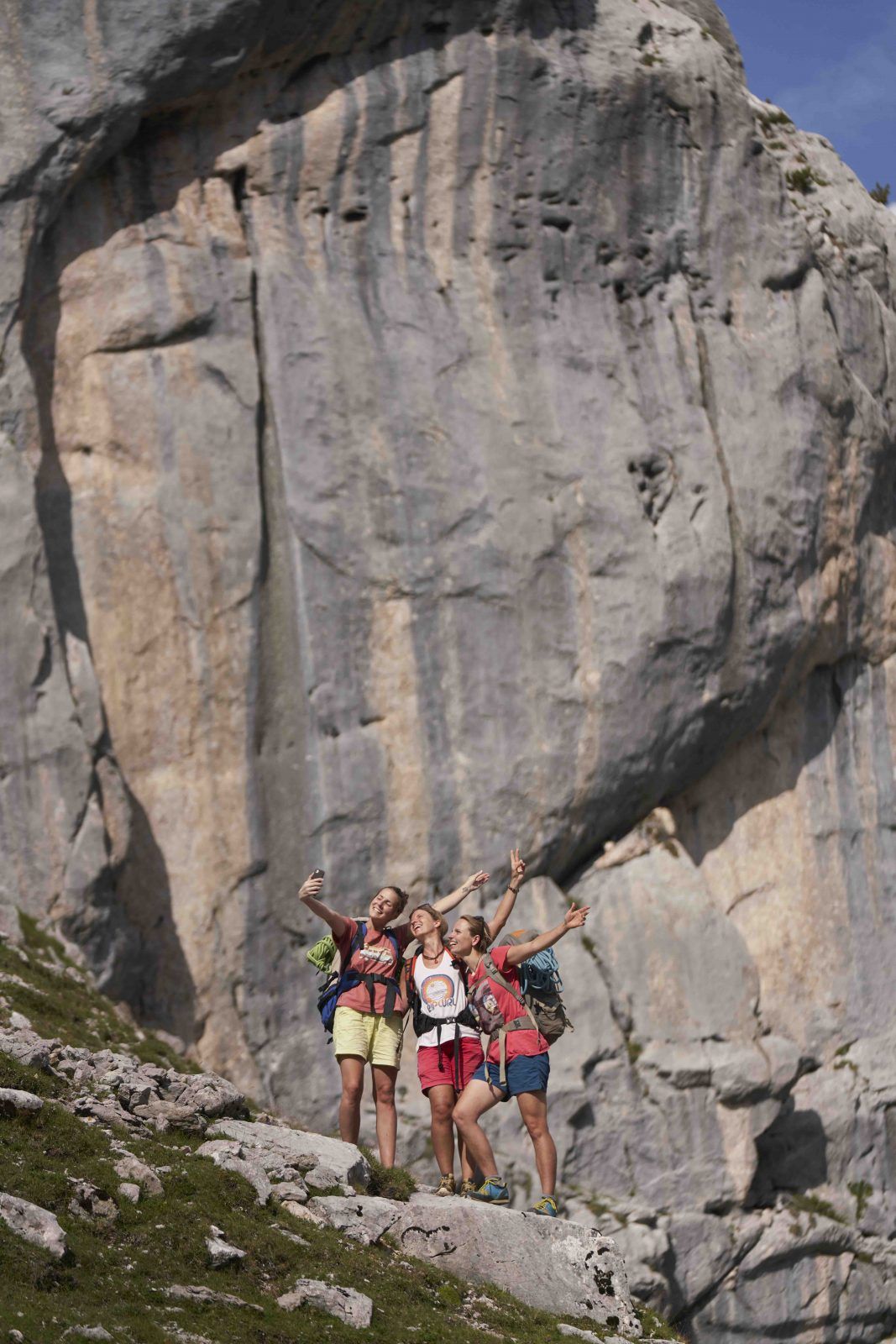
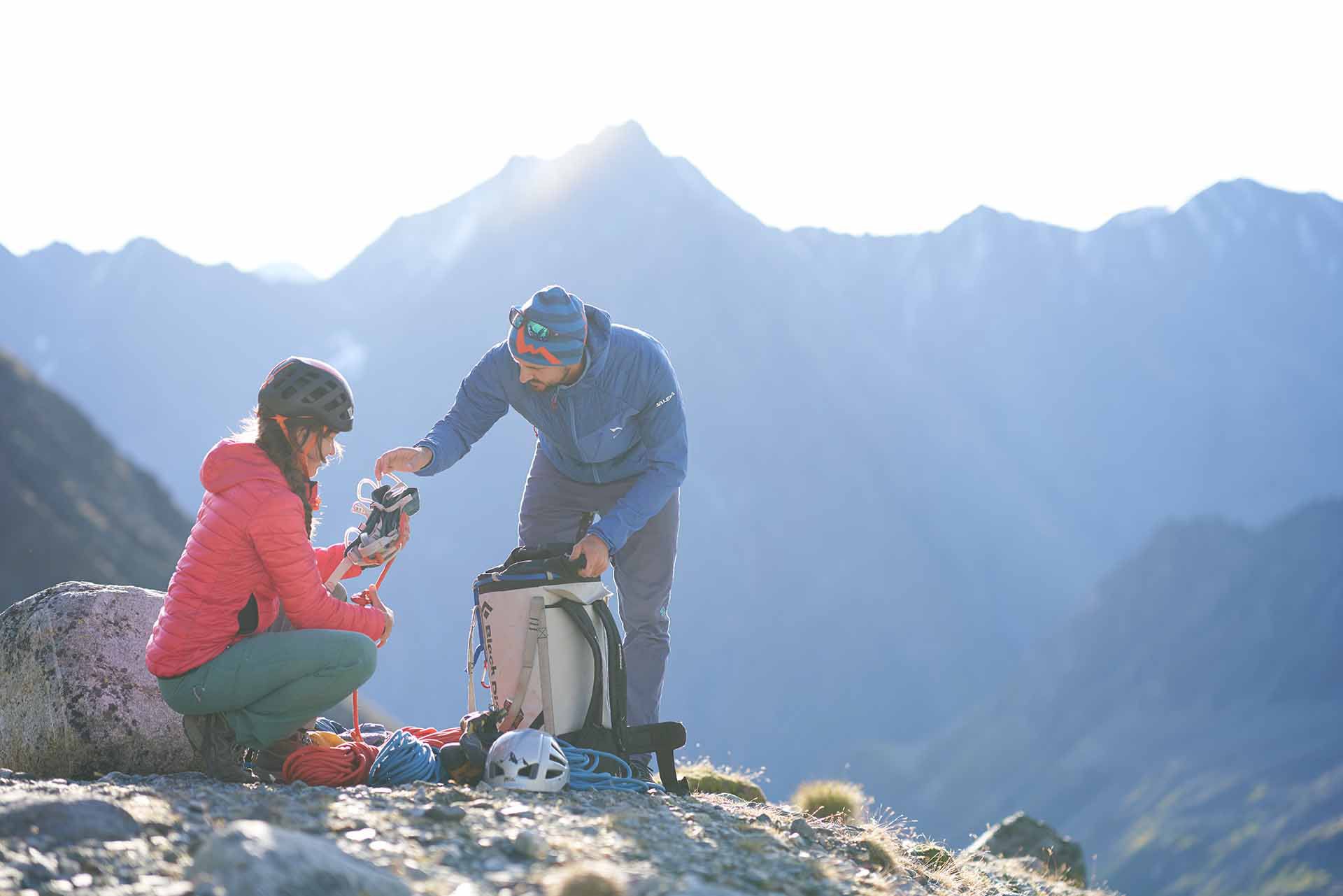
“I wonder where the name Drachensee comes from?” she asks, looking round at the group with wide eyes. An eloquent silence. However, the three friends aren’t primarily here to research the name or take great Instagram photos, but to go climbing. What they get for free alongside the climbing is the best vantage point: from the summits – accessible only by climbing – you undoubtedly have the best view of the pair of lakes – including the perfect spot for a selfie. Only a select few Instagrammers venture up to these exclusive summits.
Text: Gebi Bendler | Photos: Michael Meisl
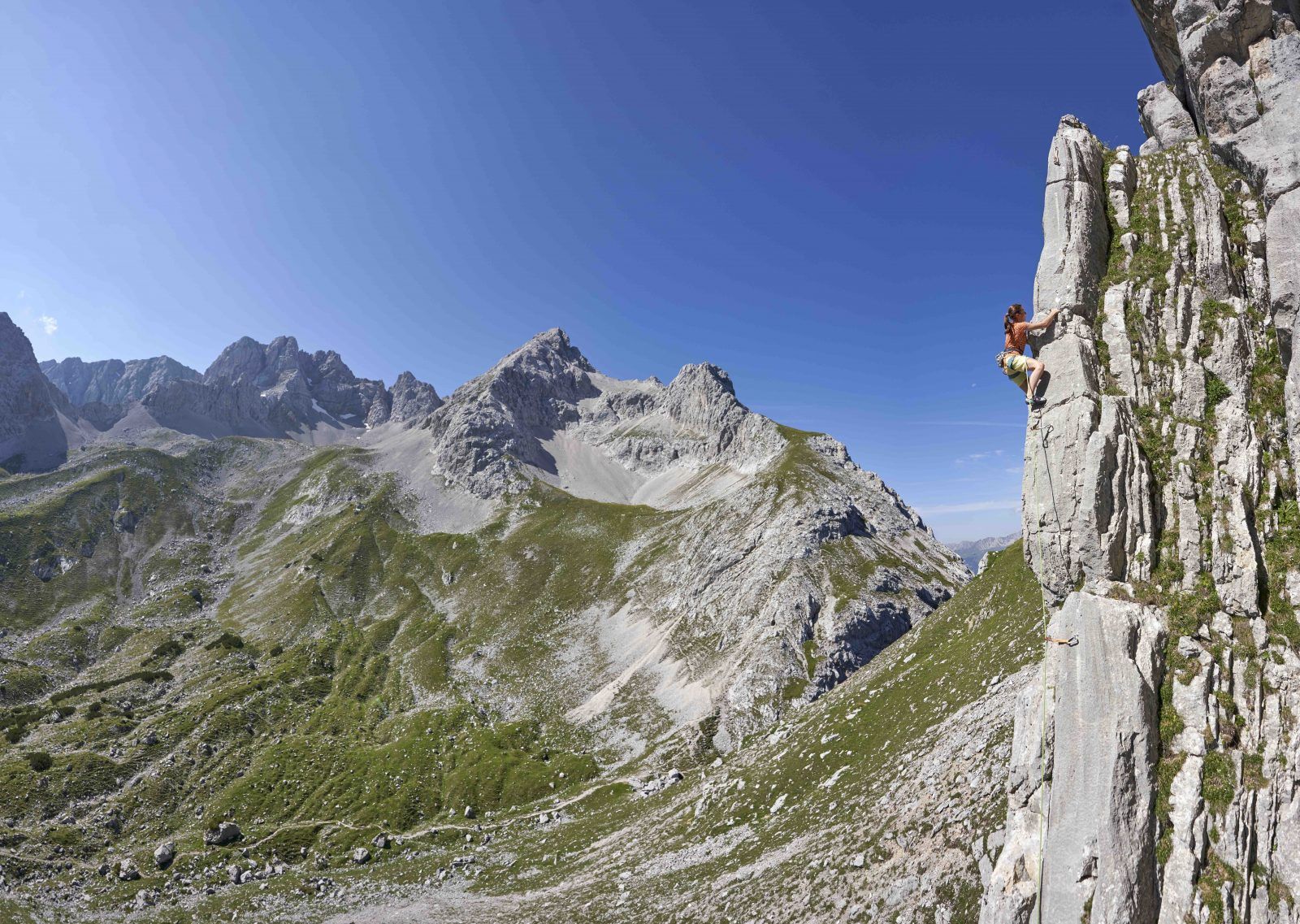
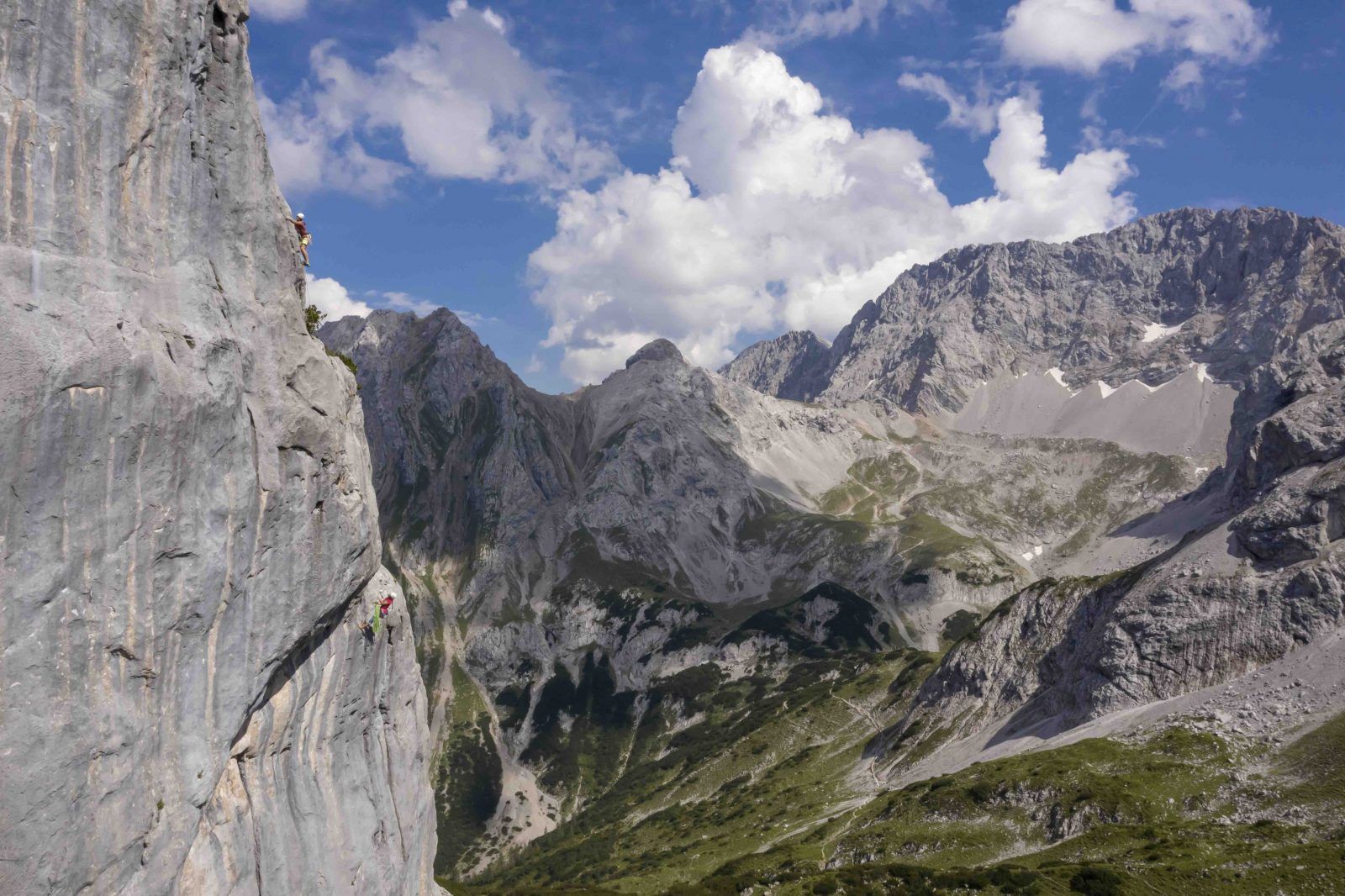
A magnificent rocky amphitheatre stretches out before the three friends. To the left are the Tajaköpfe; nestled between them is the Drachenkopf, set against the backdrop of the dragon-like, jagged ridge of the Wamperten Schrofen. What a whimsical name for a mountain: in the Tirolean dialect, ‘Wampert’ means ‘pot-bellied’ – which certainly describes its appearance aptly.
To the right of it lies the Ehrwalder Sonnenspitze, which has been given a far less creative name but looks all the more majestic for it. It is often referred to as the ‘Ehrwalder Matterhorn’ because of its beautiful shape. Compared to the Matterhorn, however, the rock here is much more compact. One is tempted to say that the Sonnenspitze not only looks like a bar of Toblerone, but that climbing there tastes just like it too. In fact, the whole area shows itself from its ‘chocolate side’ when it comes to climbing.
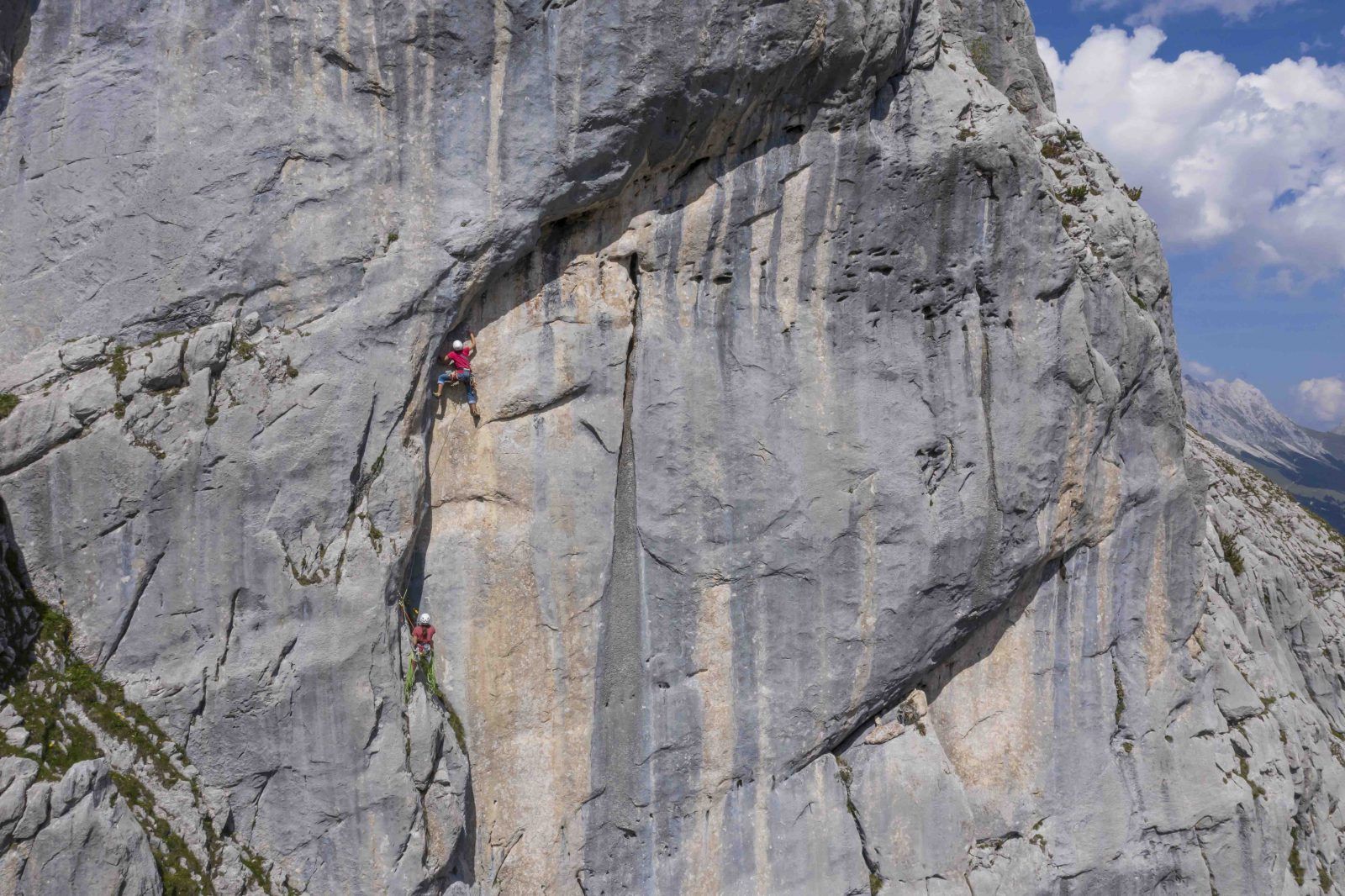
As most of the climbing routes have only been developed in recent years, the safety measures – in keeping with our modern, all-risk mindset – are correspondingly perfect. And, from a geological point of view, the Wetterstein limestone has always been perfect anyway. The ‘Boomerang’ route, which the three of them have chosen today on the Sonnenspitze, is no exception: the climbing route winds its way upwards along the rock ridge in a boomerang shape.
„The most amazing alpine route I’ve ever climbed.“
A cool Instagram photo included. The three of them thoroughly deserved the “probably best Tirolean Gröstel in Tirol”, as the *Süddeutsche Zeitung* praises the simple potato dish served at the Coburger Mountain Lodge/Hut.
“Why is the Drachensee actually called the Drachensee?” Chanti asks Friedl Schranz, the hut warden serving them. “Because wicked mothers-in-law are drowned here,” he replies with quick wit, amid loud laughter.
“No, nobody really knows for sure, as there isn’t actually any specific dragon legend associated with this mountainous region.” – “Maybe there really is a sea monster living in Drachensee?” Chanti presses, jokingly. It wouldn’t be that far-fetched, Friedl smiles. Because, as part of a research project by the University of Innsbruck, Canadian char were released here many years ago. They thrived at the high altitude, and to this day the char – which have grown to enormous sizes – remain in Drachensee. Every now and then they rise to the surface – and at dusk, a plump char like that might well be mistaken for a sea monster.
This feature is taken from the climbing magazine LIMIT. In this issue, we’ve devoted ourselves entirely to alpine climbing in Tirol: across 136 pages, we showcase Tirol’s impressive vertical diversity – with fascinating stories from 15 climbing spots that offer a deep insight into the history of alpine climbing in Tirol.
Tips & Safety
Would you like to know more about climbing safety? Click here for our safety tips.