
In interview: Climbers Paradise veteran Mike Gabl
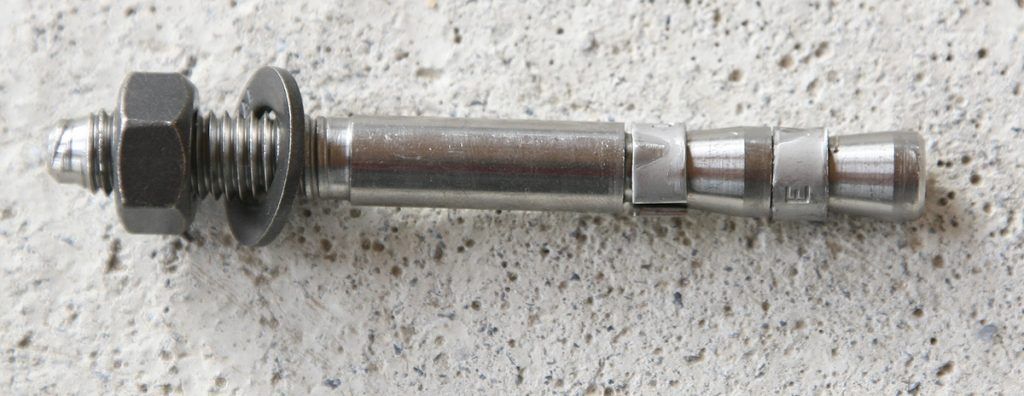
The bolt has to be fixed into the rock somehow. And the access needs to be signposted. And the belay station needs to be refurbished.
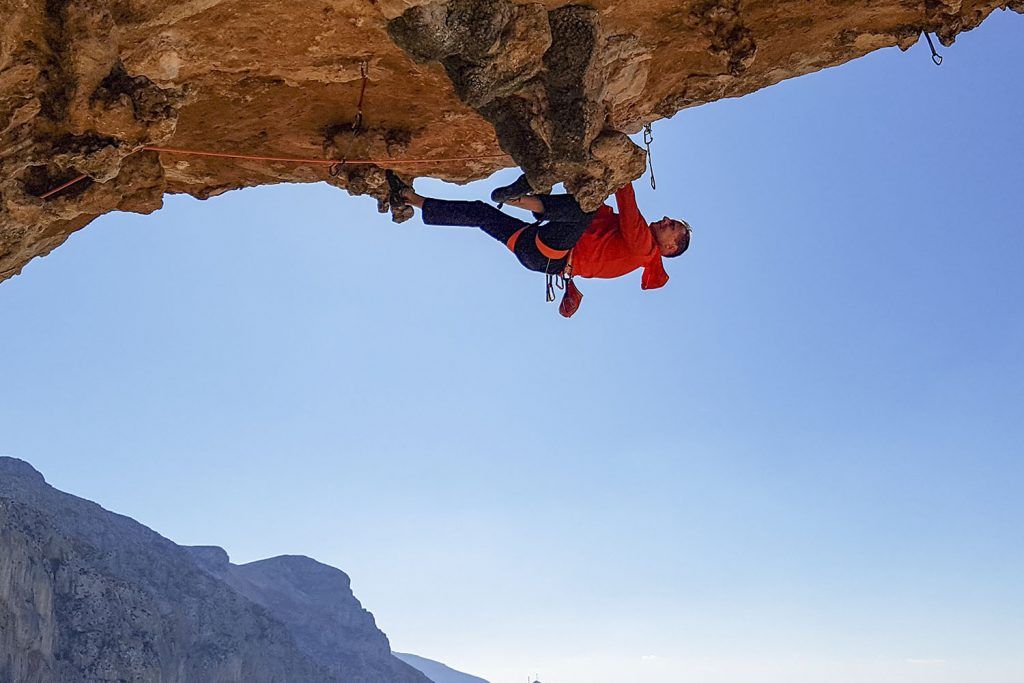

No one knows better than Mike Gabl, the technical director of Climbers Paradise Tirol, how and why all this happens.
Here, he provides answers to questions that end-users of climbing gear rarely give much thought to.
Interview: Simon Schöpf
Mike Gabl:To be precise: Michael Gabl, born in 1959, living in Tarrenz, Tirol. But actually, everyone calls me Mike. I’m a teacher, a mountain and ski guide, and a qualified ski instructor; I coached the Imst-Tirol-West climbing team for 15 years – many climbing stars emerged from that period. Since 2006, I’ve been technical director of the Climbers Paradise Tirol club. But most importantly: I’ve been an active mountaineer and climber for over four decades. Sounds like a long time – and it is.
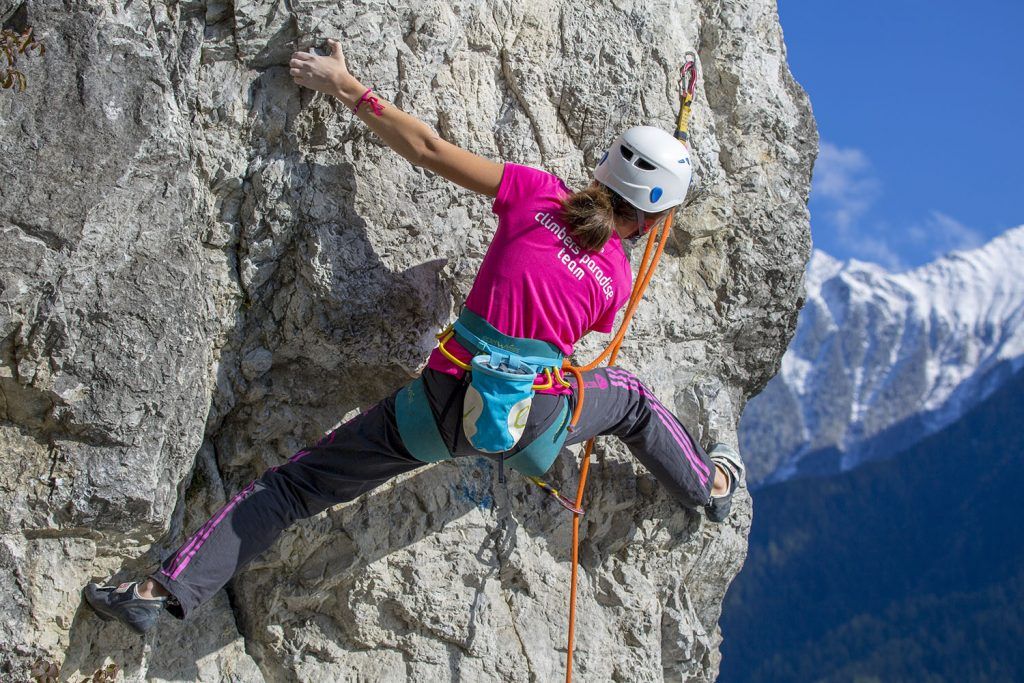
Mike Gabl:It actually all started in theÖtztal: the tourism board commissioned us to turn the valley into an internationally renowned climbing destination. Peter Thaler and I were the driving forces behind it. Shortly afterwards, other associations with similar aims followed suit, such as Imst and Mieming. From then on, it made sense to bring all the Rock Climbing Areas together under a central platform – we called it ‘Climbers Paradise’. Which is certainly true to life. Since then, more and more areas have been added.
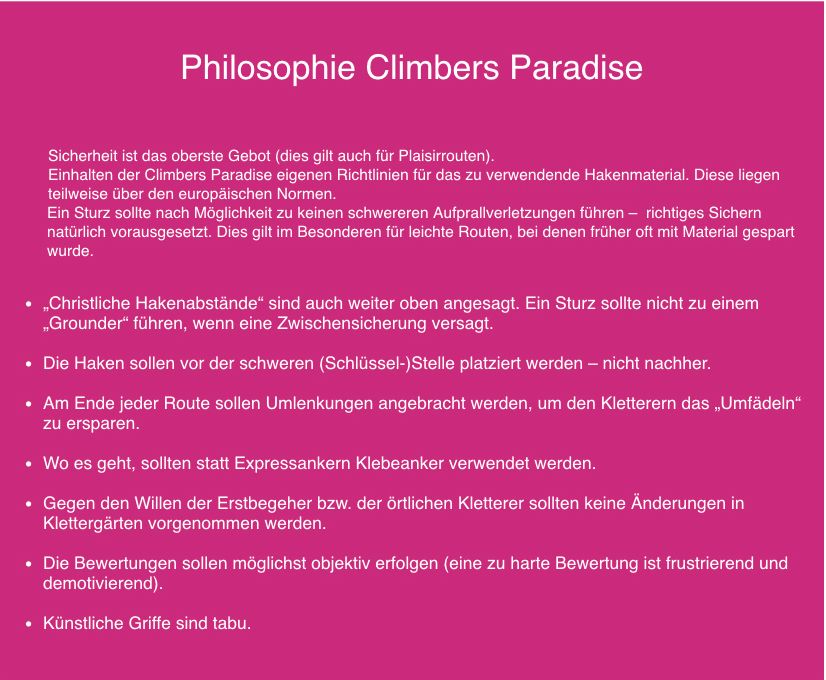
Mike Gabl:Climbing has established itself as a popular and lifestyle-oriented sport. At the dawn of the sport climbing era, the pioneers were mostly mountaineers too, so they had alpine experience and were able to cope with large, wide spacing between pitons. Today, the sport is learnt in the safe environment of an indoor climbing centre. The ‘indoor climbers’ have learnt to climb under completely different conditions and therefore need conditions outdoors that are similar to those indoors – at least as far as safety standards are concerned.
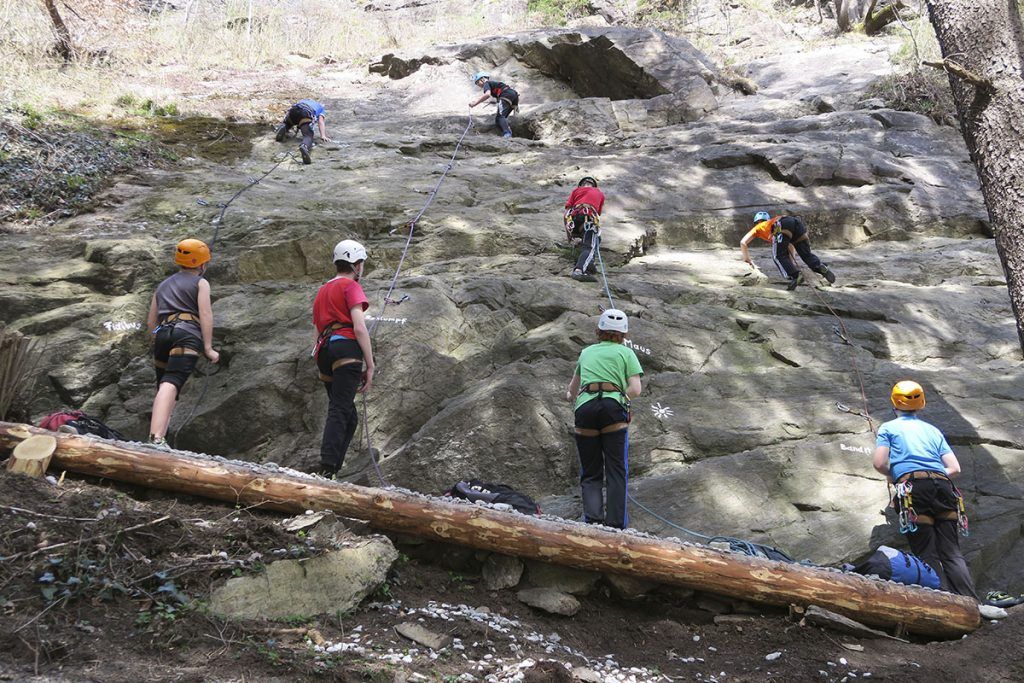
Mike Gabl:When we launched the ‘Climbers Paradise’ project back then, many Rock Climbing Areas were in a dilapidated state. To improve safety, we removed old bolts and re-bolted many routes. To manage future visitor numbers, we immediately put the necessary infrastructure in place: access paths, information boards, toilets and the like.
Mike Gabl:Just as important, though not visible: to prevent problems, we held numerous discussions with landowners, hunters, and forestry and environmental authorities. In some cases, contracts were signed and rent payments agreed. In the days when only a few individualists went climbing, none of this was necessary. But times have changed.
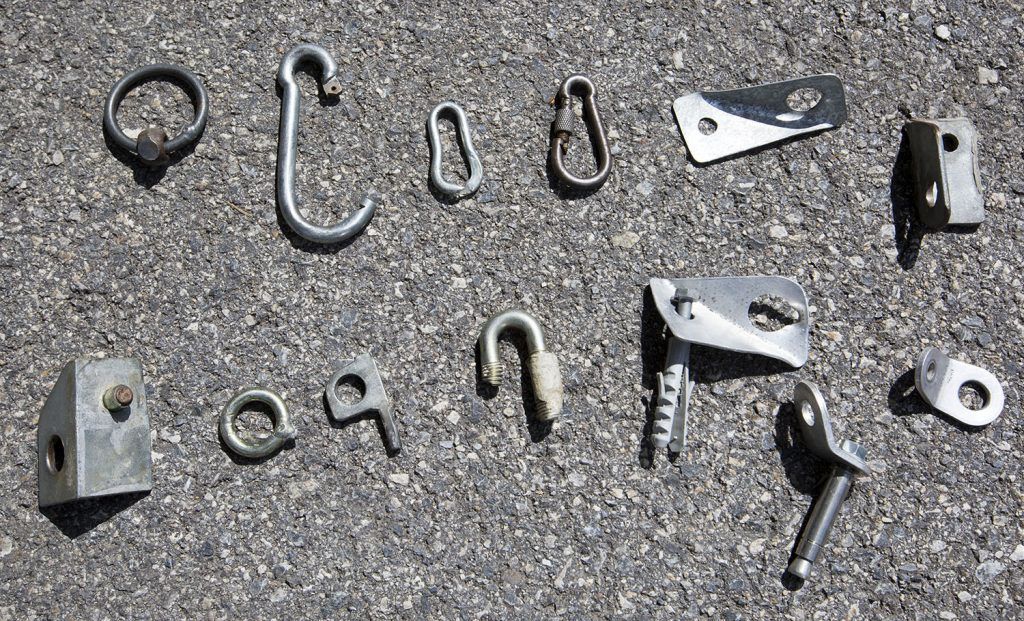
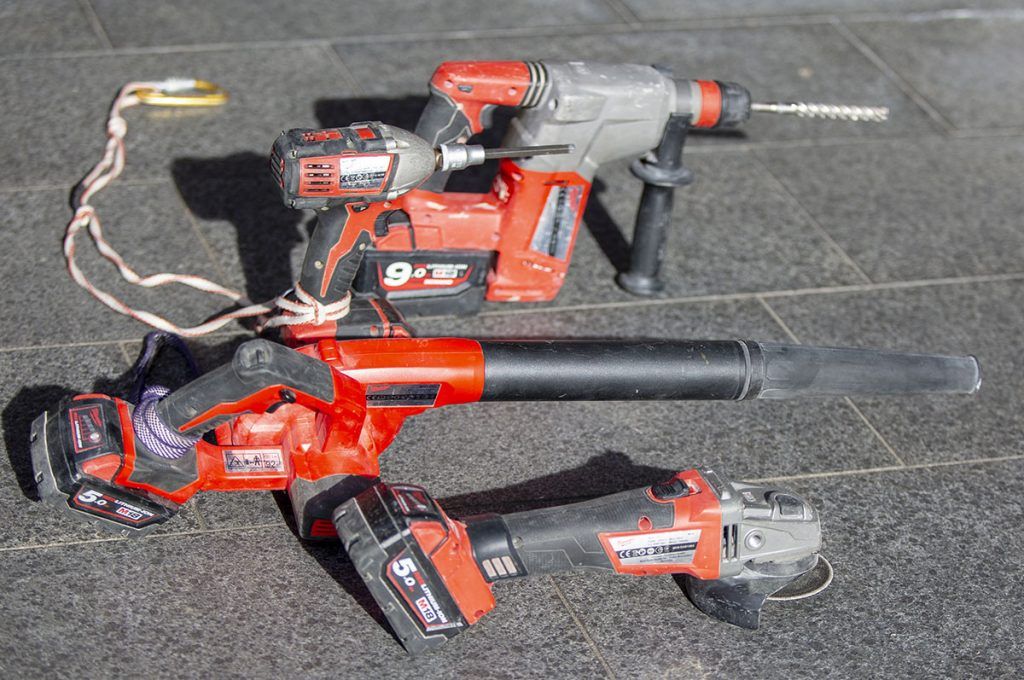
Mike Gabl:Right at the start of Climbers Paradise, we organised coordination courses for our route-setters. This ensures consistent safety standards across all regions.
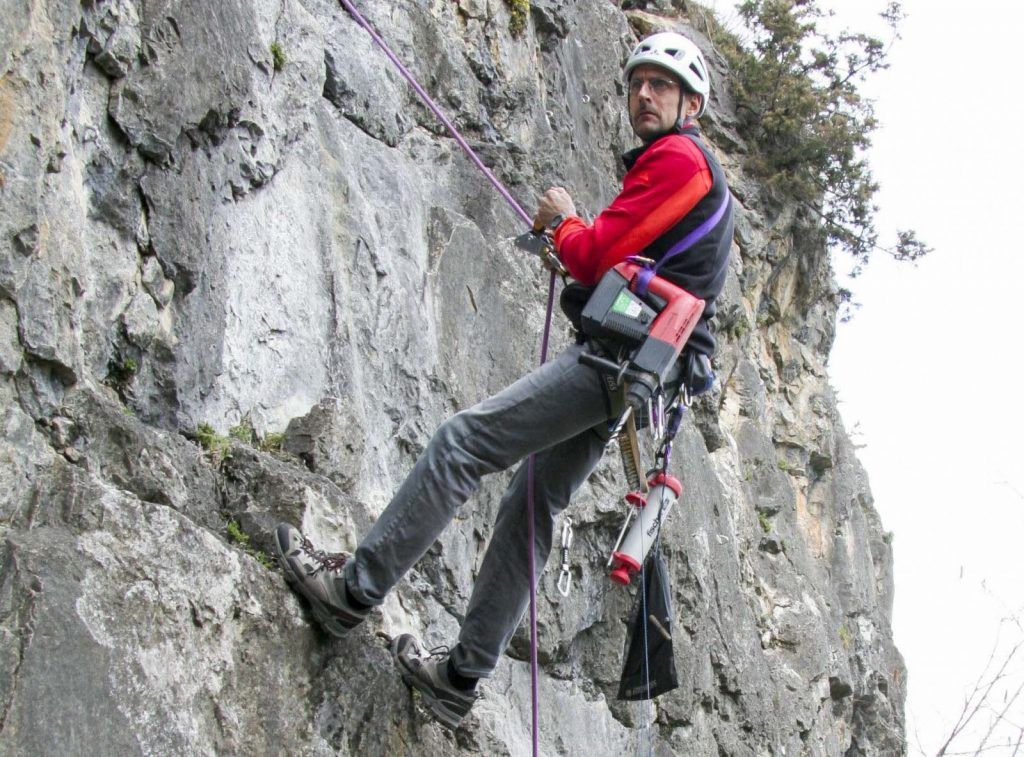
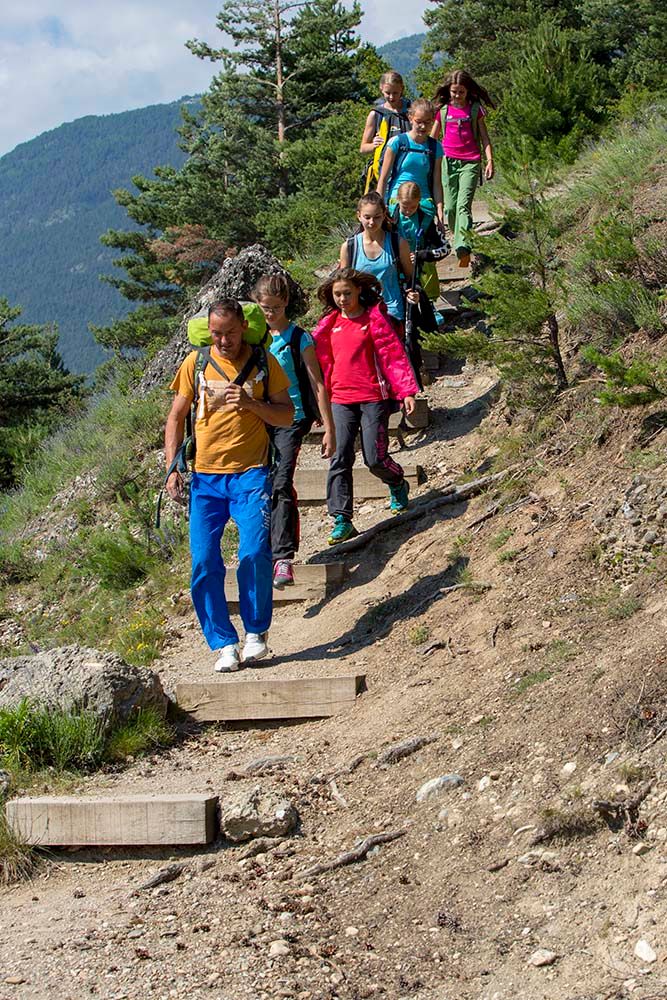
Mike Gabl:The wide range of options is, so to speak, a natural given, thanks to the diversity of Tirolean Rock Climbing Areas. However, depending on your objective, different criteria apply – family-friendly crags, beginners’ crags and hardcore areas differ in terms of bolt spacing, the terrain in front of the wall, approach routes and protection against Alpine Dangers.
Mike Gabl:The quality standards for the equipment are based on the applicable standards. Purchases are made by tourism associations, local authorities and mountaineering clubs, and the equipment is then distributed to the route setters. This ensures that only suitable and tested equipment is used. In the past, completely unsuitable materials from DIY shops were often used for cost reasons.
The figures Mike Gabl quotes in the interview – prices change constantly, so these are indicative:
Mike Gabl:Climbing is booming, absolutely, and there’s no end in sight to this trend. On the other hand, every year sees the emergence of numerous new areas around the world with tens of thousands of new routes – which means the rush is spread out geographically. And everywhere there are so-called ‘secret spots’ that only insiders know about.
Mike Gabl:Nevertheless, on fine weekends, local Rock Climbing Areas get very busy, especially in areas with plenty of easy routes. That’s precisely why, at Climbers Paradise, we’ve made a special effort to develop easy routes. Good planning is recommended here.
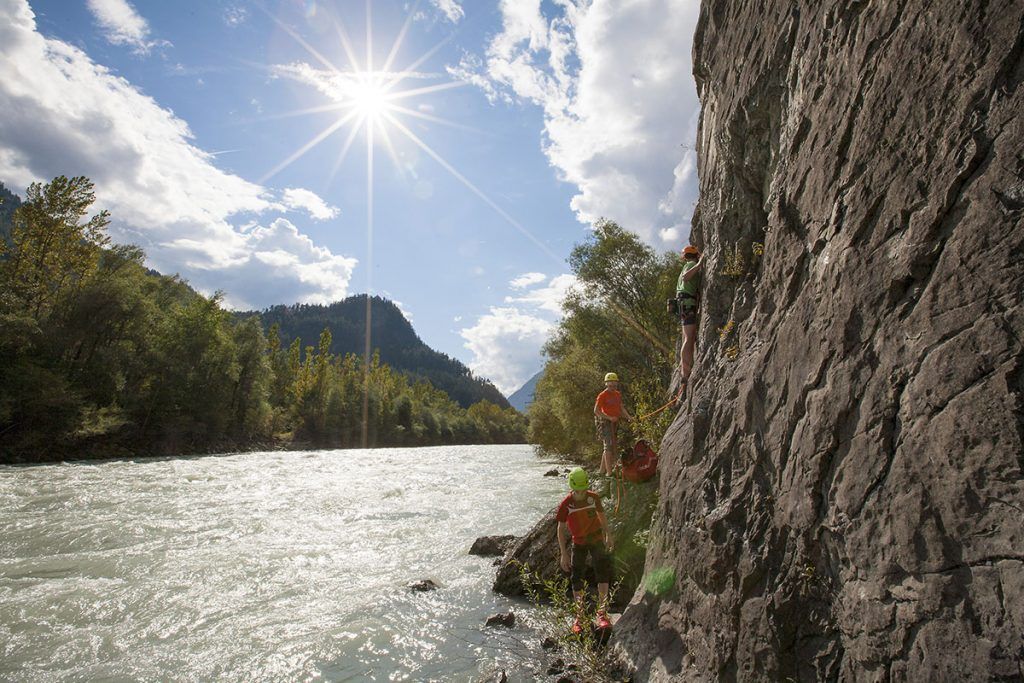
Mike Gabl:To drill routes for us, you must have completed a co-ordination course and, ideally, be able to provide evidence of climbing training – such as a Mountain Guide or sport climbing instructor qualification. Experience of route drilling is also required.
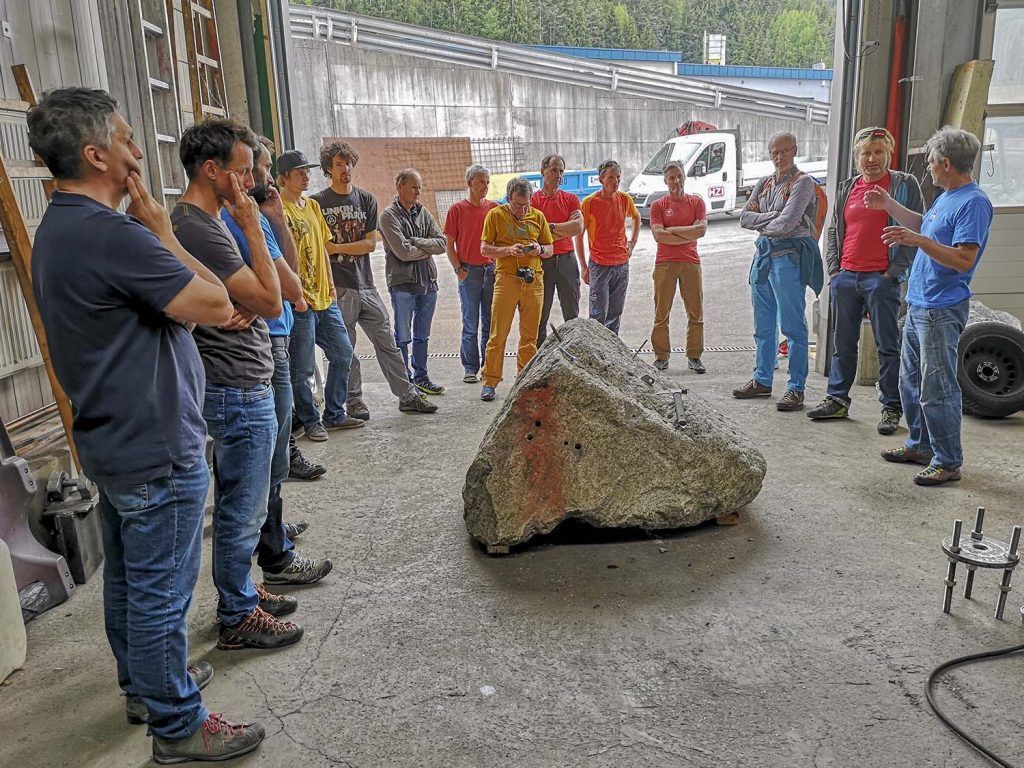
„If you climb, you learn.“
Mike Gabl:The best thing about my job is that climbing has the potential to enrich the lives of many people. The challenge of a route – overcoming the fear of falling, building strength, endurance and flexibility, and even paying attention to your diet – constantly pushes us to step outside our comfort zone and gain new experiences. We usually find ourselves in landscapes of indescribable beauty. It’s a real treat when we take the time to appreciate them properly, rather than just focusing on the Levels of Difficulty. Last but not least, spending time with our climbing partners brings us many unforgettable experiences.
Mike Gabl:That’s why I’m not giving up hope that even the ‘Gallic villages’ – such as the Zillertal and the Lechtal – will join Climbers Paradise, enabling us to further expand our Offers and improve their quality.
Thank you, Mike, for the interview!
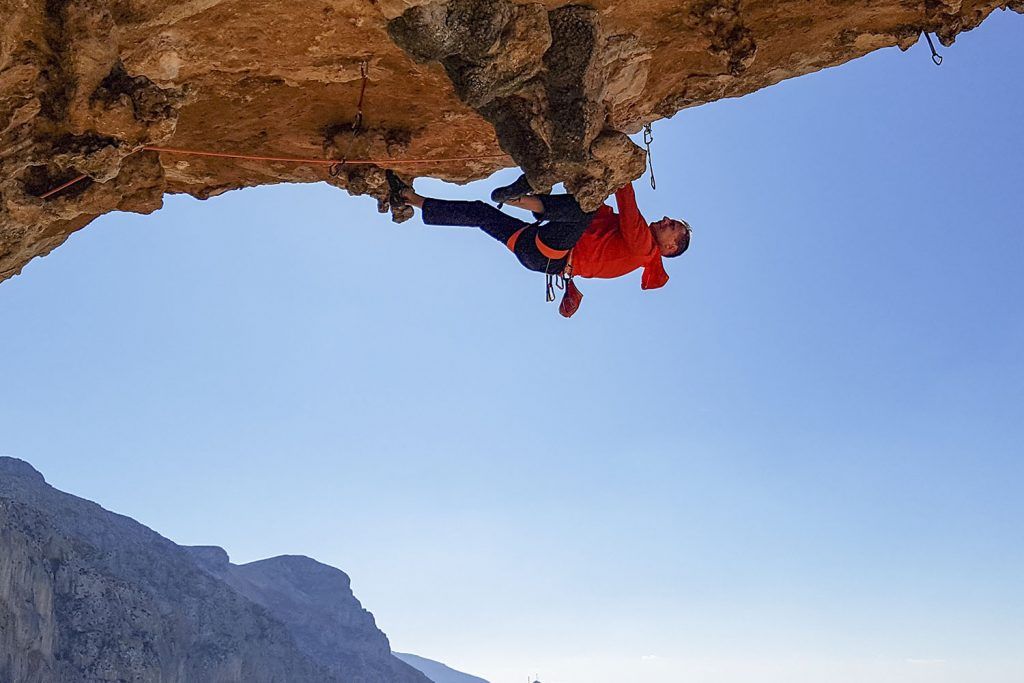
To be included on the Climbers Paradise platform, routes and areas must meet strict criteria. In addition, the hazard reporting service ensures that any issues are rectified as quickly as possible.
“If, for example, a bolt is missing somewhere in an area, you can report it via the website and I’ll sort it out. Usually, everything is repaired shortly after the report is made.”
Tips & Safety
Would you like to find out more about climbing safety? Click here for our safety tips.

