Ice Climbing: Avalanches – a source of danger – what to do in an emergency

Avalanches are a natural hazard when Ice Climbing. You should therefore bear a few things in mind and be prepared for an emergency – so that you know how to react and how to help in the event of danger.
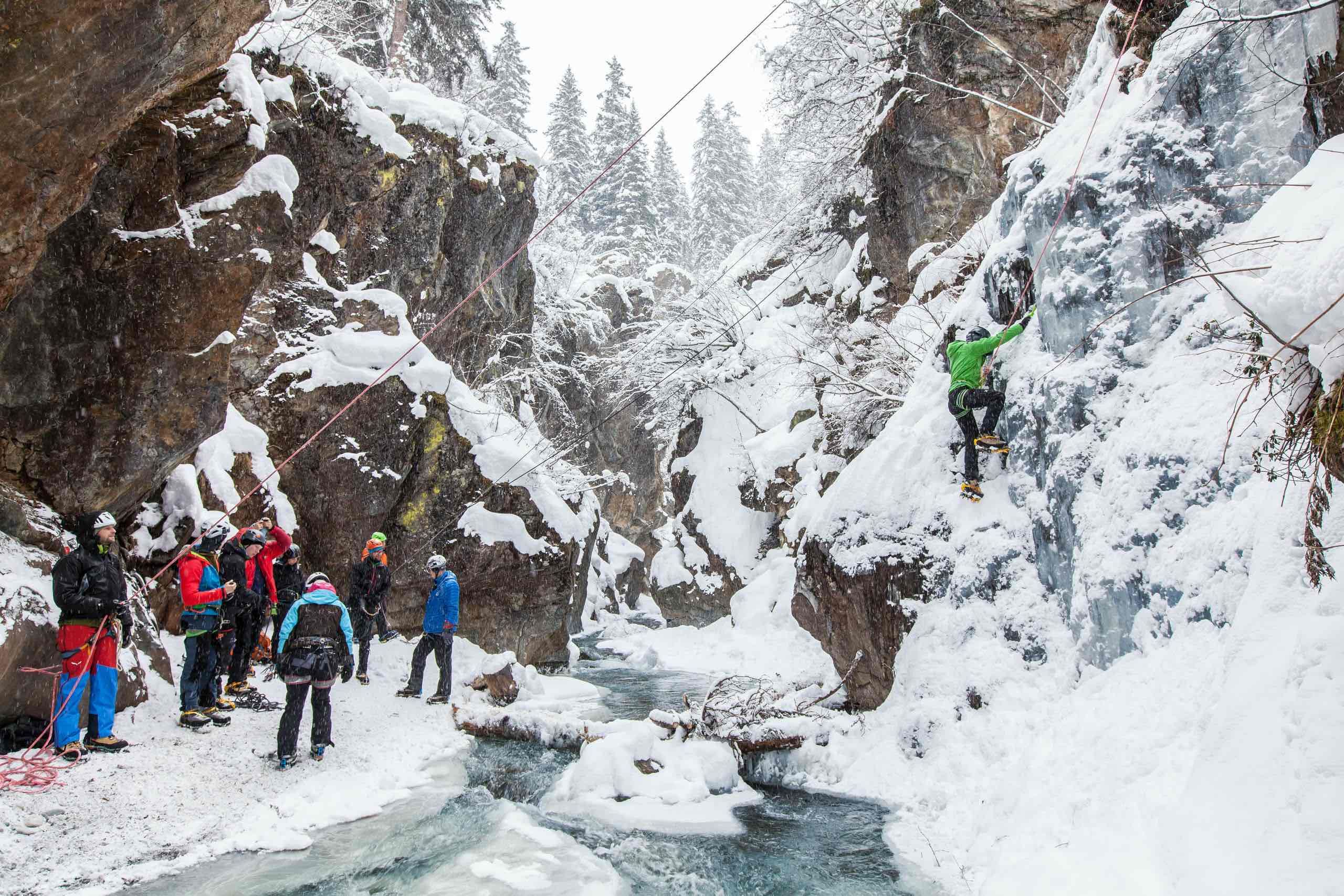
Eiskletterer in einem gefrorenen Wasserfall im winterlichen Gelände

Planning: avoiding an emergency in the first place

First of all, you should plan your trip carefully so that you don’t end up in an emergency situation in the first place.

Text: Martyna Michalak

Before the tour

  • Choose a suitable route to the start of the ice fall and for the return journey.
  • Check your equipment.
  • Find out in advance about the weather and avalanche conditions. If the forecasts are poor, don’t put yourself in unnecessary danger – it’s better to set off on another day.
  • Listen to your body: are you in good physical condition and do you have the strength required for the planned tour?
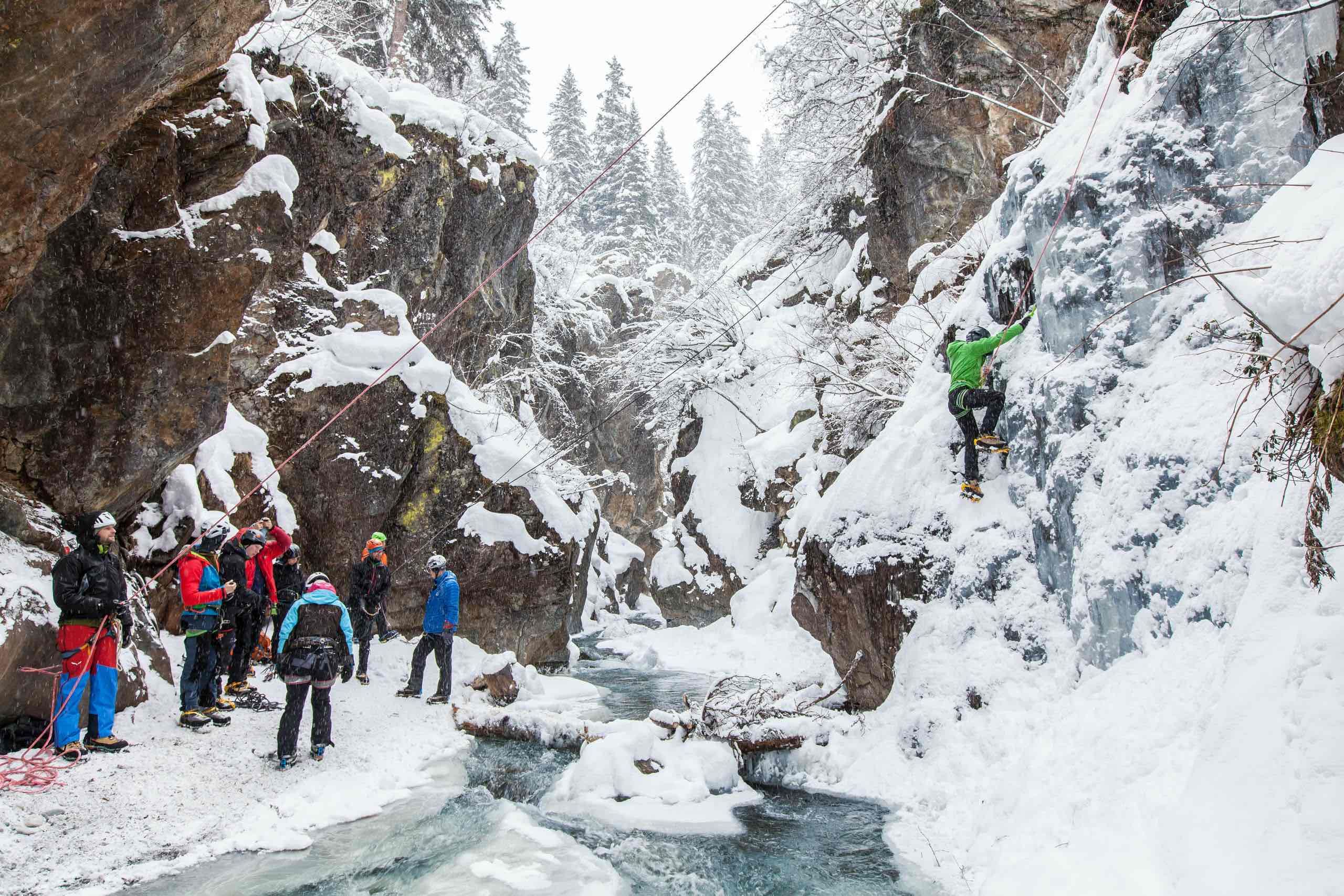
Ice Climbing on a frozen waterfall in wintry terrain

In an emergency: stay calm, take charge, and make an emergency call

If you do happen to be caught in an avalanche, the key is to stay calm and not panic.

1. Safety. If you’re travelling in a group, one person should take charge to give instructions to the others and keep track of the situation. If you’ve been appointed leader, you must first assess whether there are any further dangers to the group and check how many people have been buried. You should then define the search area, make the emergency call, organise the rescuers and manage the avalanche transceivers.

2. Emergency call. Always dial the emergency number in the event of a burial: the Europe-wide number is 112. Depending on the country, there may be specific numbers to contact the mountain rescue service. If it is a small group, make only a brief emergency call so that you can then provide assistance.

Search and Rescue and First Aid

3. Search. First, look for an initial signal using your eyes, ears and the avalanche transceiver. Then carry out a rough search within a 5-metre radius of the initial signal. Begin the fine search by systematically working your way outwards in a slow, criss-cross pattern. Pinpointing the exactlocation is carried out systematically and quickly using the probe. Once the person has been located, start digging them out – the aim is to clear the head as quickly as possible so that the person can breathe.

4. First aid.

Best-case scenario: If the person responds when spoken to, continue digging them out whilst protecting them from the wind and weather. Then keep them warm to prevent hypothermia. Alert the professional rescue services, as an injury cannot be ruled out. If their condition worsens, carry out the ABC check.

Worst-case scenario: If the person is unresponsive and having difficulty breathing, carry out the ABC check:

  • A (Airway) – check the airway, clear it and keep it open
  • B (Breathing) – check the rate and depth of breathing; administer rescue breathing if necessary
  • C (Circulation) – perform chest compressions

Important note

This article dates from 2020 and is not a substitute for an avalanche course or professional mountain rescue services. For the latest avalanche reports, emergency numbers and the current recommendations on companion rescue and first aid, it is best to contact the Alpine Club, the mountain rescue service or the official avalanche warning service directly.

You might also be interested in these articles