Fingerboard – 7 tips for effective finger training

Hello amateur climbers, competitive athletes, boulderers, multi-pitch enthusiasts and sport climbers – hello to ALL climbers! Everyone has their own reasons for climbing. But it’s in the very nature of climbing that everyone, in their own way, pushes themselves to their limits – mentally or physically.We always want to hold on longer than we sometimes can. And how do we get closer to the goal of lasting longer? Everyone actually knows the answer: finger strength. You can never have enough of it – who’s ever heard anyone say, ‘I can’t hold that hold, it’s too big!’? Here are a few basic tips on finger training.
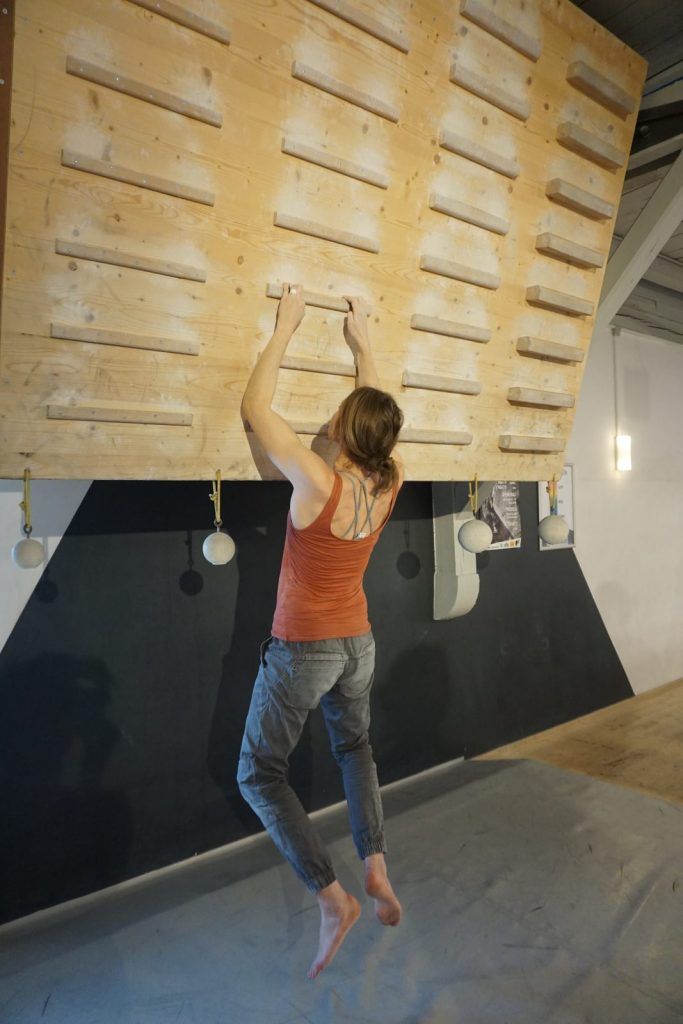
Kletterer beim Fingertraining an einer Leiste, Finger aufgestellt in Half-Crimp-Position

The correct technique & posture

Finger training puts a huge strain on tendons and ligaments – but with the right technique, you’ll get the most out of your sessions.

1. Basic information on finger exercises

Finger training places enormous strain on tendons and ligaments. Therefore, if you experience any pain, stop immediately. Only train once you are properly warmed up – and always carry out finger training at thestart of your session, not at the end.

2. The basic grip

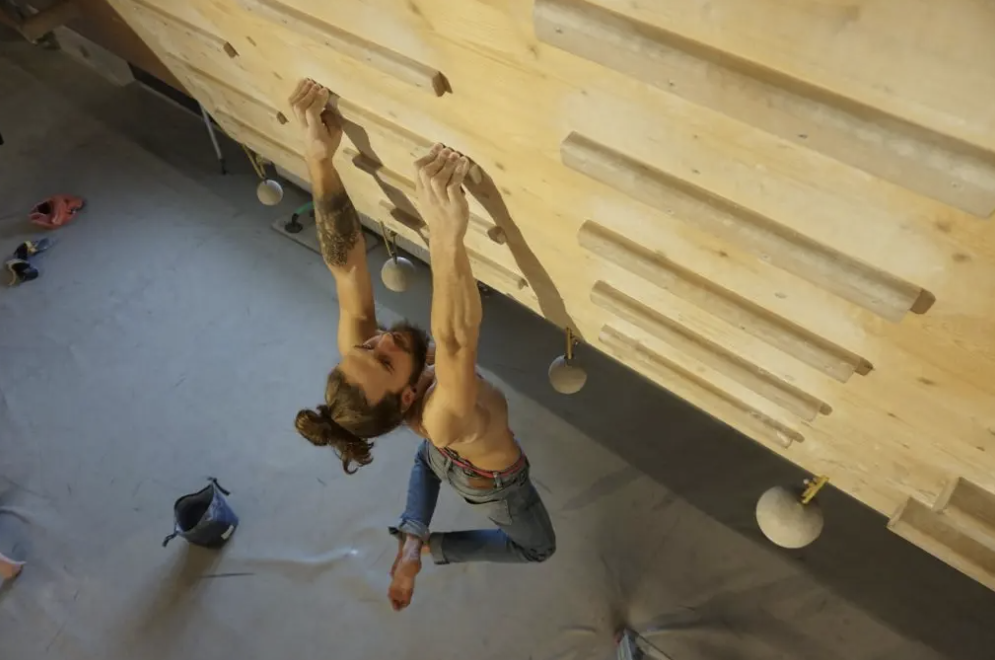
The fingers should actively grip the bar – either in a half-crimp or hanging position. Both positions must be practised, otherwise imbalances may develop! Recommendation: 2–3 sets in the half-crimp position, then the same number in the hanging position.

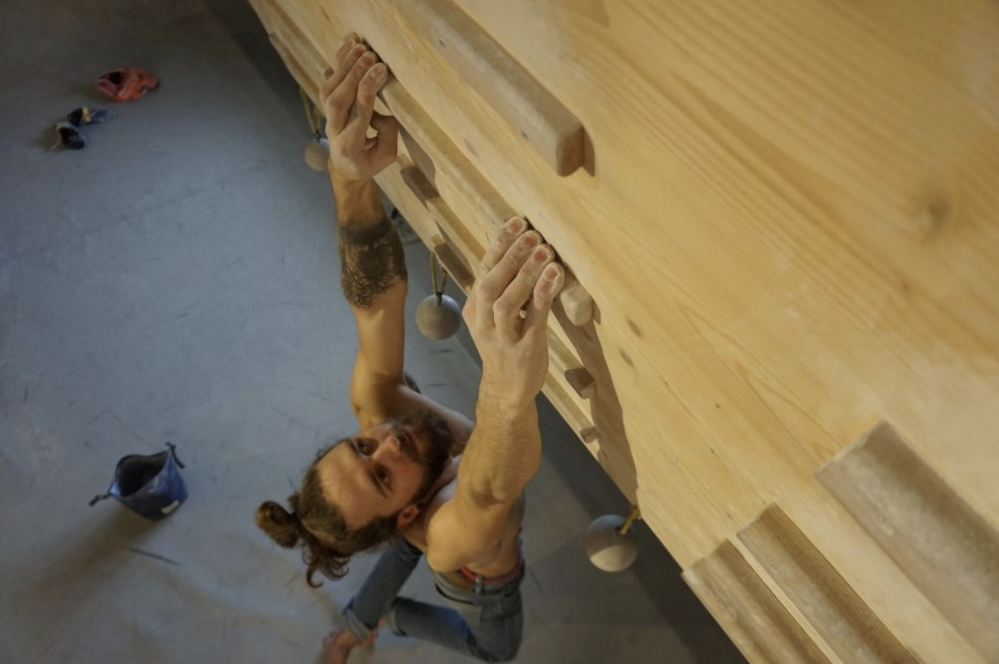
The fingerboard can be replaced by suitable holds in the climbing gym – with the advantage of being able to incorporate overhangs as well. Important: your shoulders also need active core tension. If you cannot hang with your shoulders pulled back and down, you should not train on the fingerboard for the time being.

3. Not a recovery workout

Finger training is not an easy compensatory programme for rest days – depending on the intensity, you’ll need a rest day yourself afterwards. The rule is: maximum strength before strength endurance. Pushing already fatigued fingers to the limit on the hangboard? Nope, stop it!

Training Planning & Methods

4. Proper training planning is essential

Finger training can replace entire training sessions. Basic rule: Choose the intensity so that, by the end, you should actually be slipping off the holds.

Maximum finger strength – short holds on small grips, with additional weights if required:

  • Hold time: 5–7 seconds
  • Repetitions: 3–5 | Rest between sets: 1–2 minutes
  • Rest between sets: 10–20 minutes | Sets: 3–5

Finger strength development – medium hold times for greater holding capacity:

  • Hold time: 12–15 seconds
  • Repetitions: 6–8 | Rest between reps: 2 minutes
  • Rest between sets: 10–20 minutes | Sets: 3–5

Finger strength endurance – long hold times, wide grips:

  • Hold time: 30 seconds
  • Repetitions: 10 | Rest between reps: 1–2 minutes
  • Rest between sets: 20 minutes | Sets: 3

5. Variations

  • Active hanging on all fingers, excluding the thumb
  • Change grips: bar grip, overhand grip, hanging and standing
  • Vary the angle of the arm bend
  • Hang using just two or three fingers – switch between pairs of fingers!

6. Insider tip: One-armed deadhangs

One-armed hanging on larger holds is for advanced climbers. Beginners can use a rope for support. The parameters are the same as for maximum strength training:

  • Holding time: 5–7 seconds
  • Repetitions: 3–5 | Rest between reps: 3–4 minutes
  • Rest between sets: 10 minutes | Sets: 2–3

One-armed hanging is extremely demanding – but also extremely rewarding!

A climber doing finger training on a ledge, fingers positioned in a half-crimp grip
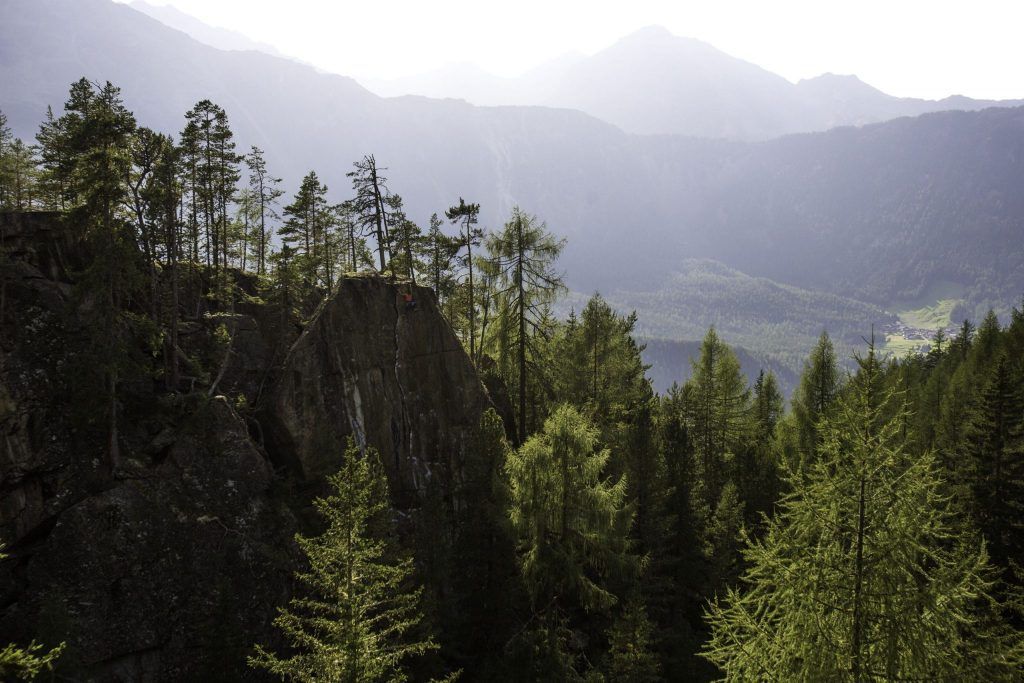
View of the Niederthai Crag in the Ötztal valley with its routes
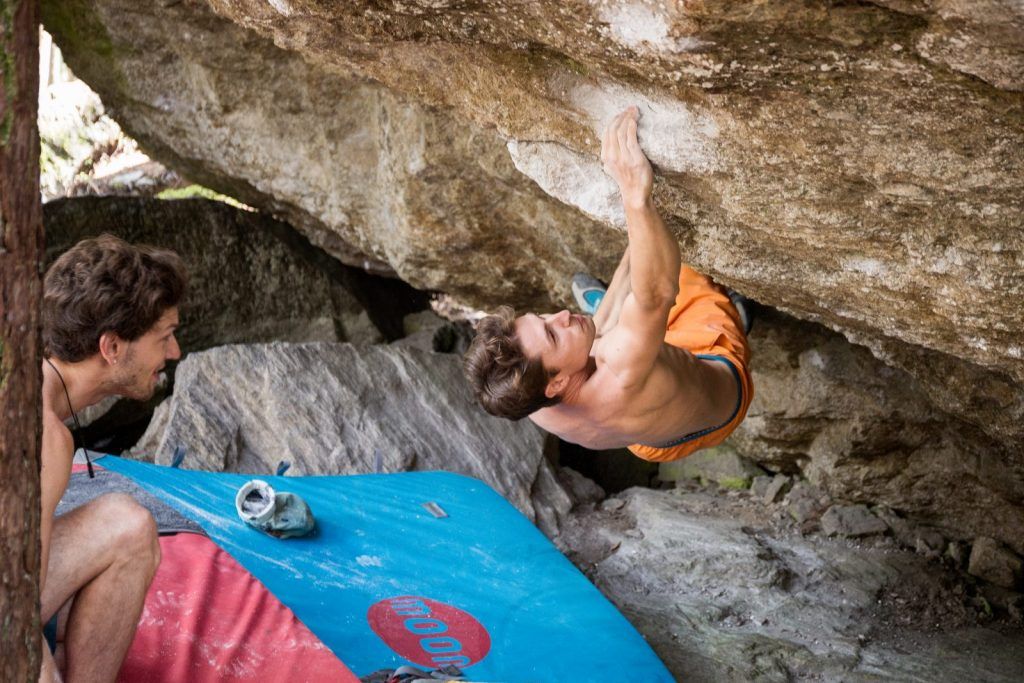
Climber Guntram Jörg Bouldering at Land of Giants in the Ötztal
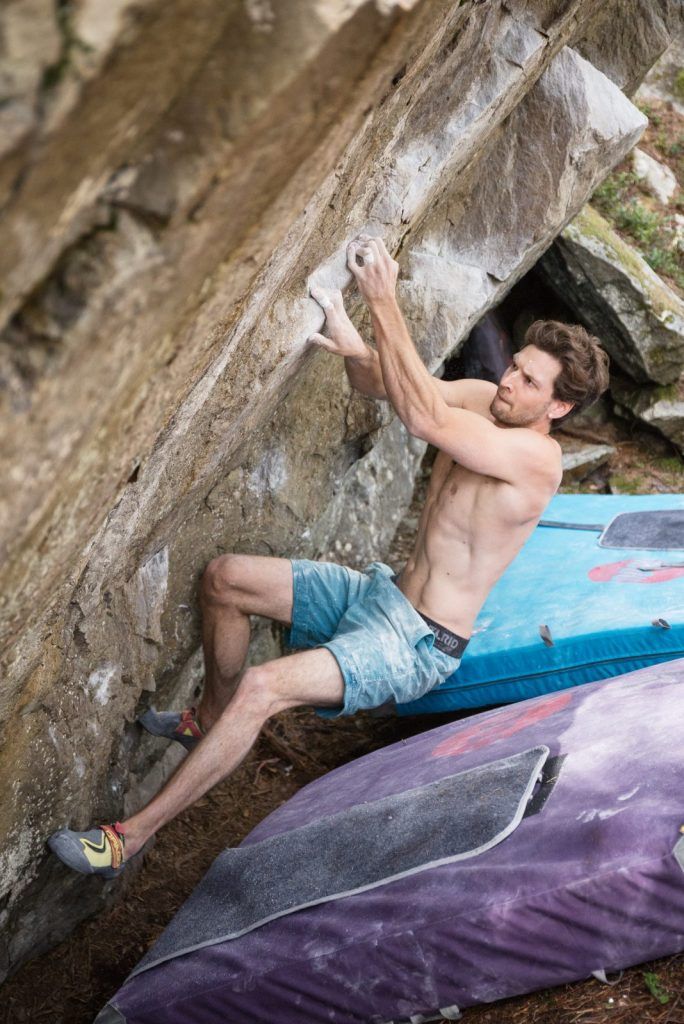
Climber Patrick Gassner Bouldering in the Land of Giants in the Ötztal
Climber Patrick von Brül Bouldering at the Land of Giants in the Ötztal
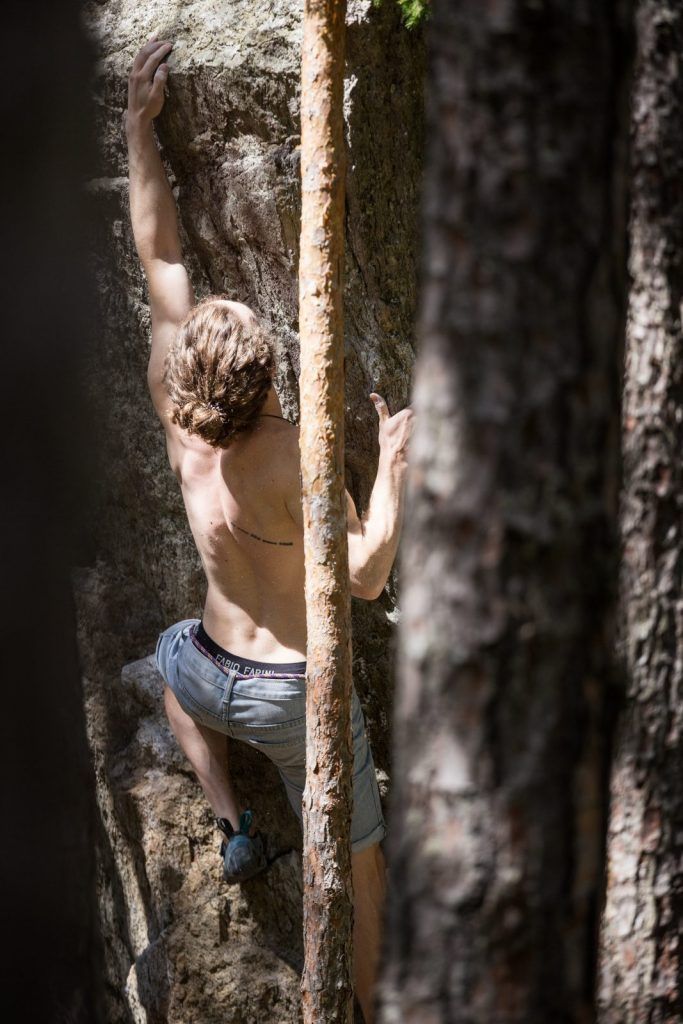
Close-up showing the correct shoulder position during fingerboard training
Climber doing finger training on a ledge, fingers hanging (flat-hand position)

7. Two areas in the Ötztal where you can put your finger strength to the test

You’ve been training – now it’s time to hit the rock! Two spots in theÖtztal are ideal:

Maximum Power: Lands of Giants

Small ledges, steep overhangs and sharp rock – Lands of Giants is a real hotspot in Tirol’s bouldering scene. Here, you can skilfully demonstrate your finger strength with sufficient core tension. The guidebook is available at the Steinblock bouldering centres in Imst or Rankweil.

Crimp endurance: Niederthai

You’ll need to hold on for longer at Niederthai, the climbing gem of the Ötztal. Whether you’ve been training for maximum strength or endurance – you’ll find it all here: from short boulder routes of 8 metres to long, crimp-heavy ‘Kinglines’ of 35 metres. Thanks to the varied rock faces, you can climb here almost all year round. Topos are available in the latest Tirolean Sport Climbing Guide by Michael Meisl.

You might also be interested in these articles