Environmental protection when climbing: 5 rules for keeping climbing areas clean

It’s finally rock-climbing season again! To ensure that the natural surroundings in which we climb remain as beautiful as they are, we need to think about protecting the environment as well as enjoying the climb.
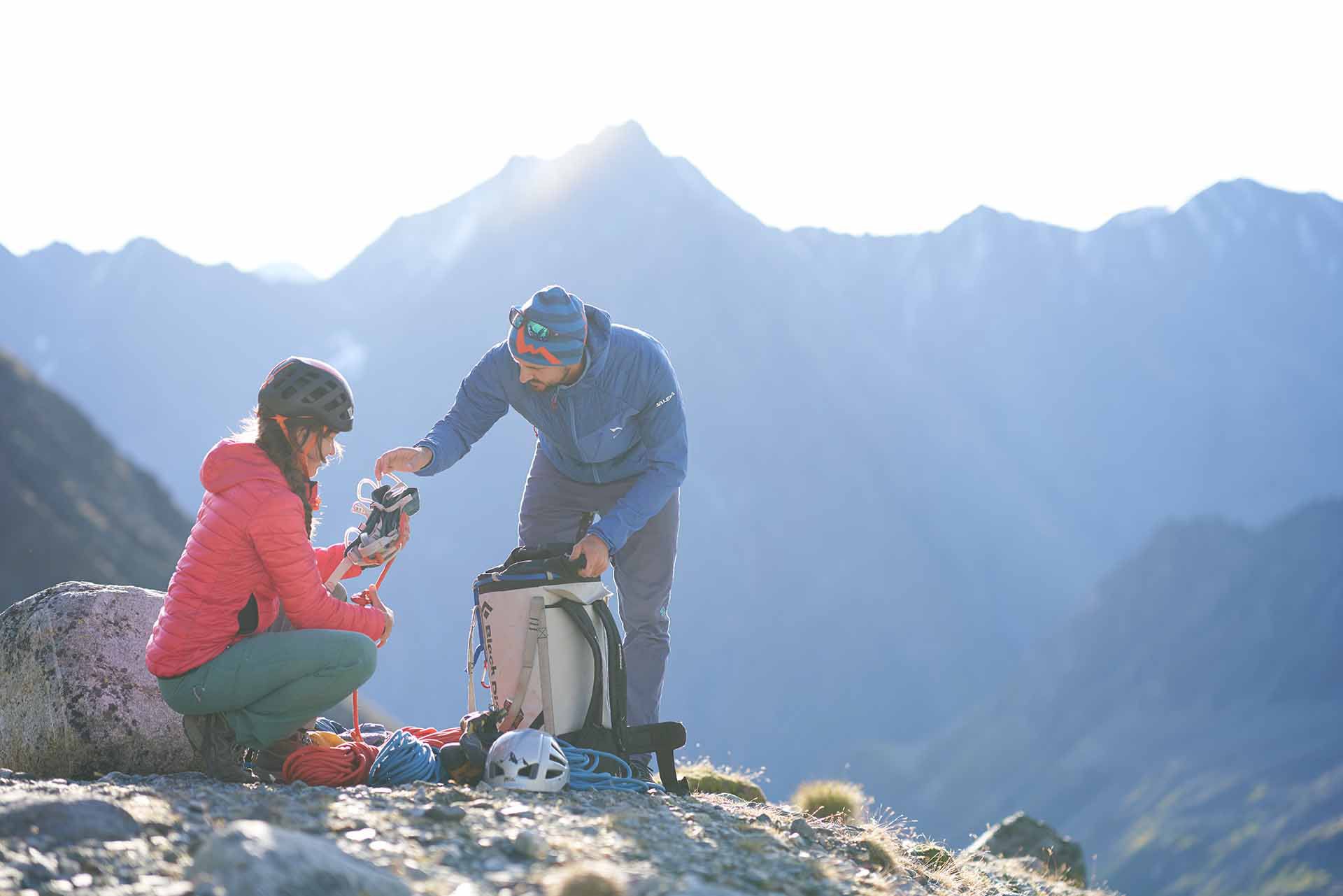
Climber on a multi-pitch route in the Tannheimer Tal

Respect and protect nature!

It’s the same old tiresome issue every year: by autumn at the latest, you find yourself wondering where all the rubbish comes from. Anyone walking through the woods to the rock face often has to be careful not to step in the rubbish left behind by others. And, of course, nobody wants to be the one responsible.

When looking for a scapegoat, it quickly becomes clear that it is not the individual, but the collective. Climbing may be an individual sport – but when it comes to using the natural environment, the many individuals add up to a large number of people who regularly trudge through woods and meadows. Protecting the areas where we climb is therefore the responsibility of every climber. These five points will help.

Text: Martina Scheichl

1. Take any litter you find with you

Top priority: rubbish. Even if you didn’t leave it there – please pick up any paper bags, cigarette ends (!) and the like that have been left behind, rather than leaving them to Mother Nature.

It’s even better not to produce any rubbish at all:

  • Avoid plastic packaging when shopping and reuse paper bags (e.g. for bread).
  • Pack your snack in a lunchbox at home – that way, no packaging ends up in the climbing area.
  • Use reusable water bottles instead of disposable ones.

2. Make yourselves invisible when you ‘step out’

Nature calls – and only evolution could change that. But that doesn’t mean you have to leave the toilet paper lying around: just pop it in a bag and pop it in the nearest bin.

3. Keep noise levels within limits

Music from portable speakers or loud cheering not only disturbs other climbers, but also the wildlife. And it can have serious consequences: if, for example, a hunter feels that climbers are disturbing his hunting grounds, a noisy group could be the last straw – and the area will be closed off. The problem is: we never know just how full the cup already is. So it’s better to keep it a bit quieter and not push the boundaries unnecessarily.

More on considerate coexistence: Behaviour on the crag: 10 tips for a relaxed atmosphere.

Climbing at the Platzl crag at Lake Achensee

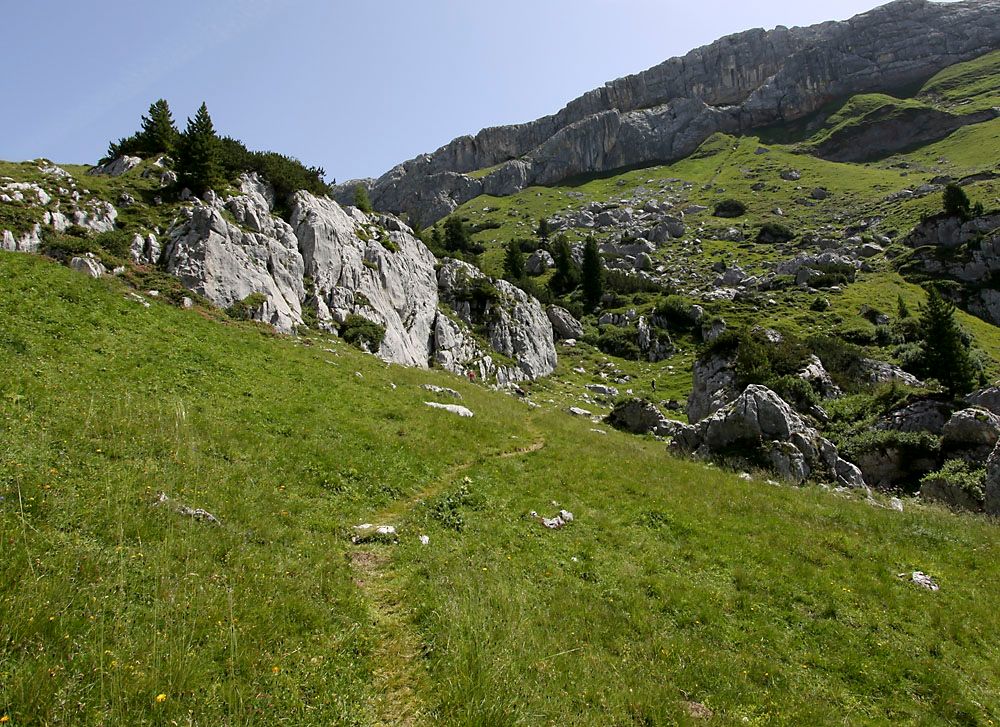
4. Stay on the paths

Sometimes it’s not at all easy to find the right route – for example, to the ‘Glückshormon’ sector at the Niederthai Crag or to the access to the ‘Fleischbank’ in the Wilder Kaiser. This is mainly because many people before us had the same question and simply trudged through the woods in the approximate direction.

Hiking off the beaten track damages the forest in the long run. Remember: unless it’s a real insider’s tip, countless people have already made their way to the cliff face before us – so there is a path. Stick to it: it’s easier, safer and preserves the natural state of our forests.

5. Anyone can keep things tidy!

Living in a cleaner and more sustainable way is a conscious choice that everyone can make – for example, by using reusable packaging and water bottles, or by choosing equipment from manufacturers who produce sustainably.

Many people think it’s impossible to be mindful of everything all the time. But the fact is, we set the limits of what we can do ourselves. Even doing without a single plastic bag makes a difference – especially if lots of people do the same. So: try to remember this as often as possible, step out of your comfort zone every now and then, and see how you can live more sustainably. It’s usually less effort than you’d think – and it feels good too.

What Climbers Paradise is doing

Climbers Paradise works together with local authorities in many Tirolean crags to ensure the necessary infrastructure is in place so that rubbish can be disposed of easily in the right place. Find out more: Ecopoint – what is it?

In many places, there are also toilet facilities or other amenities for climbers, for example in the Silvapark Galtür bouldering area. Where a small contribution towards costs is requested, it goes towards maintaining the area – not towards making a profit at the climbers’ expense.

Our ‘Climbing with Respect’ initiative also demonstrates what respectful climbing looks like in practice.

You might also be interested in these articles