Behaviour on the crag – tips for a relaxed atmosphere amongst climbers

Rubbish, chalk, noise, fire, car parks: lots of people come together at the crags – and some Rock Climbing Areas aren’t exactly celebrated, but merely tolerated. Ten tips on how to behave so that these areas remain open.
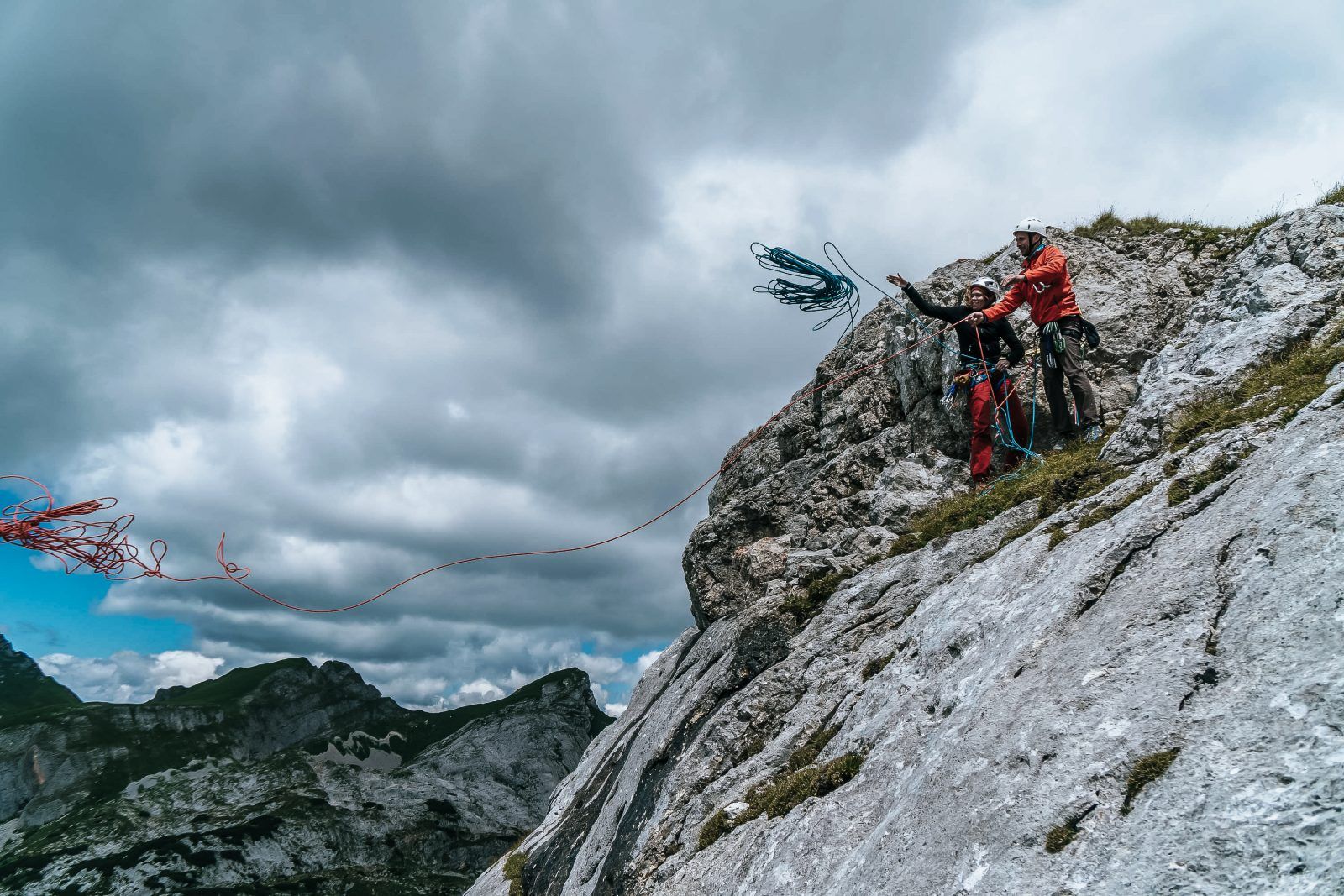
Seilschaft in einer Mehrseillängenroute

So that the Rock Climbing Area remains a Rock Climbing Area

What could be better than spending a whole day out and about at the Rock Climbing Area? The sun shines pleasantly warm on your face and you’re delighted by the unique routes on the superb rock. Apart from the tinkling of cowbells, you can’t hear a thing. Pure relaxation in the middle of the working week.

Unfortunately, however, not every Rock Climbing Area is quite so idyllic. There are certainly factors that can spoil this picture. To avoid this, we have put together a few tips here to help us do an even better job of protecting our Rock Climbing Areas.

Text: Martina Scheichl

1. Take the rubbish out

But it’s not just plastic bags and empty after-work beer tins that belong in the bin. Cigarette ends and bits of tape don’t break down on their own either!

Tip: Even if the rubbish isn’t yours, take it with you – because you know better.

2. Chalk off

We rarely forget our chalk at home, but, paradoxically, we very often leave it behind on the rock. Especially on ‘Easy’ warm-up routes, the white stuff sometimes sticks so firmly that you can no longer feel the rock for all the chalk.

Fortunately, this white residue on the rock has hardly any negative impact on the environment. With the following exceptions: on sandstone, chalk clogs the pores in the rock and traps water, which expands when it freezes and can damage the rock’s surface. Incidentally, this applies everywhere: magnesia attracts water. If you don’t brush off heavily chalked holds, they’ll eventually become irreversibly greasy.

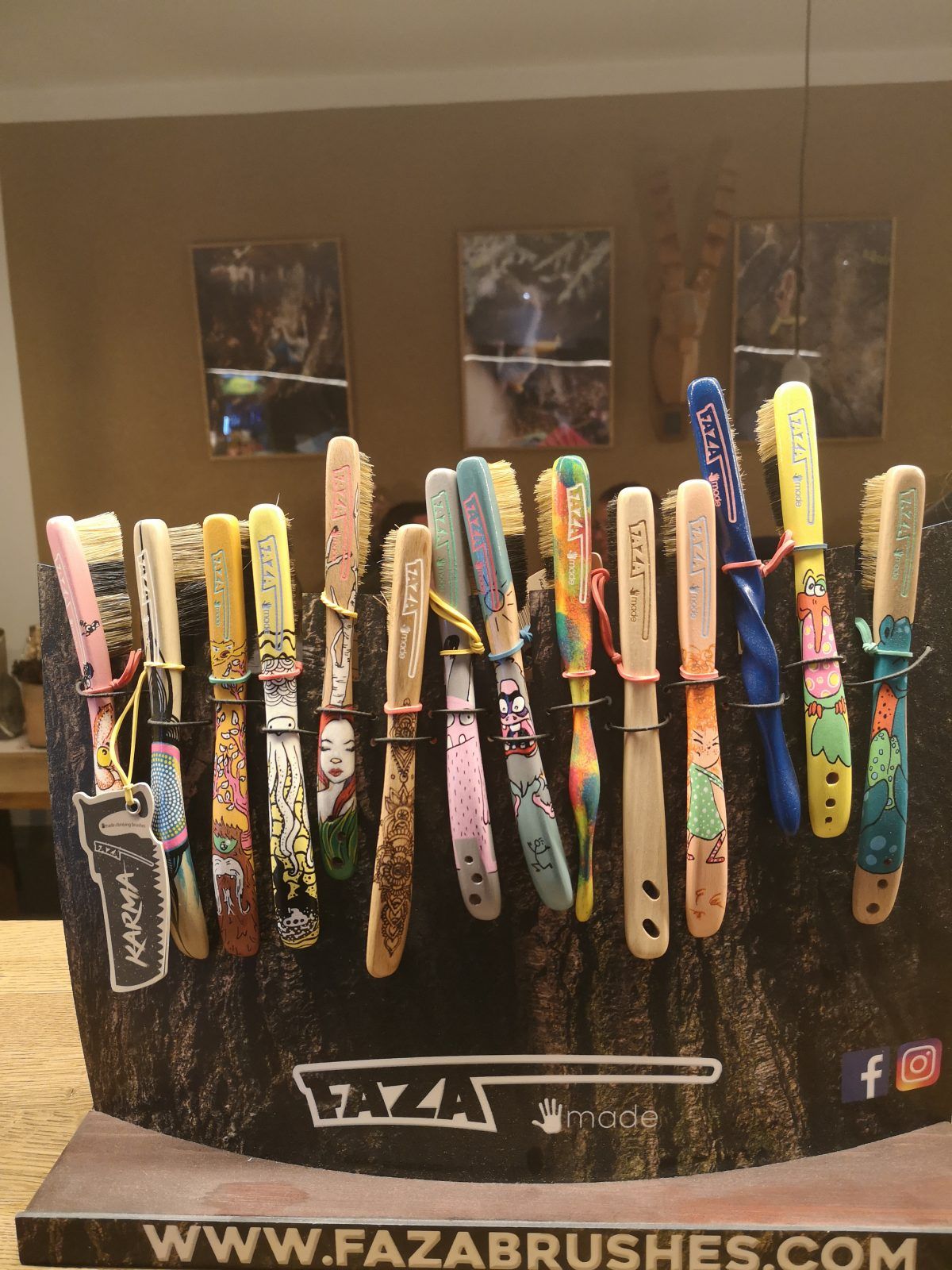
Tip: Attach a small brush to your magnesium bag and use it to clean all the holds you’ve touched.

A brush on a rock hold

3. Is climbing even allowed?

If you’re not sure, check with locals or up-to-date websites to find out whether climbing is even permitted in an area. The problem is that, for example, in some Rock Climbing Areas, climbing isn’t permitted Year Round. In other regions, it isn’t even welcomed – it’s merely tolerated – and here, a minor misstep by an outsider is often enough to have an area closed off for good.

Tip: Just because you’ve heard something doesn’t mean you should believe it. Do your research, because ignorance is no defence.

4. Stay on the right track

The same applies to protected areas situated close to the cliffs. Climbing areas are often located within sensitive biospheres.

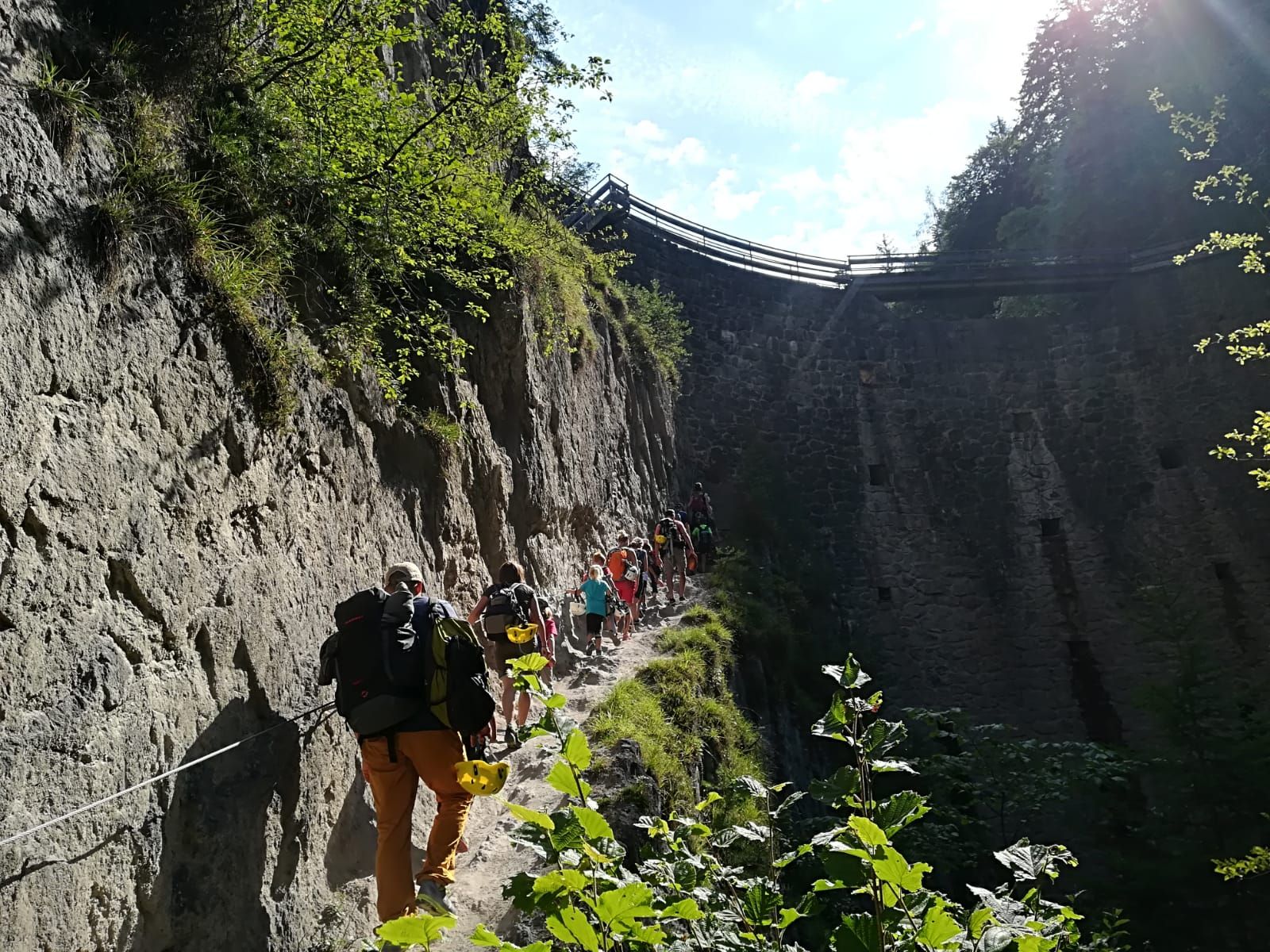
Tip: Stick to the paths all the way to the Rock Climbing Area, because 1) following your nose is usually much more of a hassle; 2) if you just cut across country, you’ll never be a good Geoquest player.

Access route to the Ehnbachklamm Crag

5. Noise

It’s hard to believe, but you often come across people who value their beatboxing more than the tranquillity of nature. Yet loud music or constant shouting is a nuisance to all living creatures in the natural world.

Tip: Listen to the sound of silence.

6. Peace, everyone

Unfortunately, there are people who are constantly grumbling on the crag. One route is too hard, another has moves that are too long. This route isn’t nice anyway, and the other one would be cooler if it were shorter.

Well, everyone’s entitled to their own opinion of the routes – or of climbing in general – but please stop spreading negative vibes all over the crag. There are people who see things differently, too.

Tip: Stop hating, start training.

7. Fire

Only (!) light fires in designated areas and also be aware of the current fire risk. In dry conditions, a single spark is enough to set the whole forest alight.

8. You’ve got to do what you’ve got to do

If you need to go to the loo, you’ve got to go. Ideally, you’ll have already gone at home. And if that’s not possible, then 1) Find a spot where you won’t bother anyone and where you won’t be seen. 2) Take your toilet paper away with you after use (for example, in a small bag you’ve brought along especially for this purpose). 3) Bury or cover up what you’ve left behind.

Tip: Go to the loo at home first!

9. Parking and Overnight Stays

When it comes to parking, you must park in the designated areas. Some parking spots might be five minutes closer to the crag, but that spot might actually be on the farmer’s private land, and he really doesn’t like it when yet another climber parks on his field or turns round in it. And perhaps – though you can’t be sure – you might well have been the last people to be able to visit the Rock Climbing Area, because the farmer has now had enough.

The same applies to overnight stays: if it’s not allowed to spend the night somewhere, then don’t do it. You’re probably not the only ones who’ve already tried it, and sometimes the local residents have had enough.

Tip: Spending a night at a campsite or a pay-and-display car park won’t do any harm, and that would sort out problem 8.

10. Beware of leniency

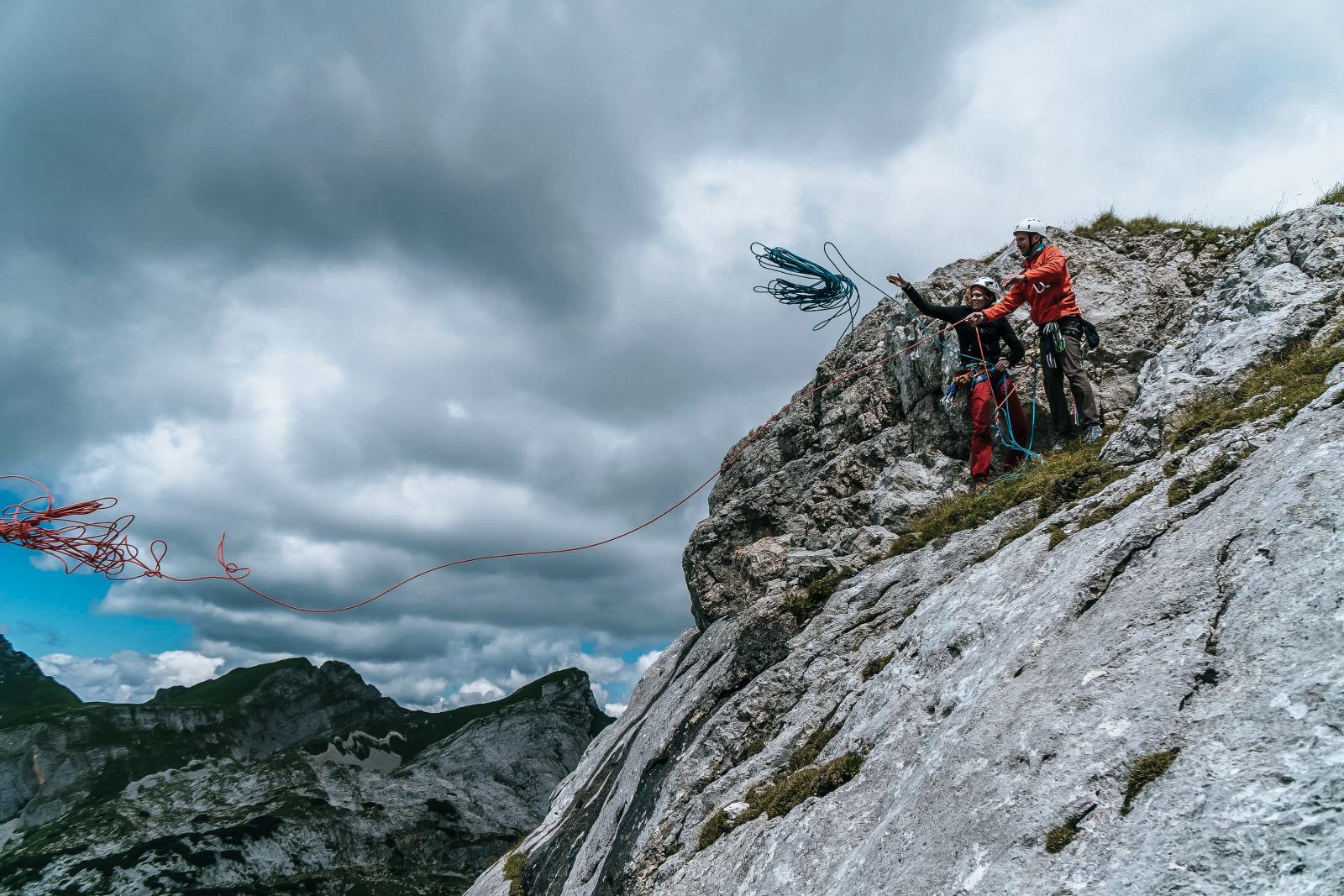
Take care of yourselves and of others on the rock face. Particularly on multi-pitch climbs, you are often not alone, and falling rock from above could have fatal consequences for the rope team below.

Tip: You can often spot loose rocks lying about. Make sure they stay where they are.

A rope team on a multi-pitch route

Climbing is an ethical and moral sport

Final note: Climbing is an ethical and moral sport in two respects. On the one hand, this concerns you as individuals; on the other hand, it also concerns what the area needs in order to remain ‘viable’.

It is not possible to go into detail here about the various ethical concepts in specific regions. Nevertheless, each and every one of us can set standards for our own behaviour and thus help shape the future of climbing. So here’s one last tip:

Tip: Consider what is important in your own set of values, and act accordingly.

You might also be interested in these articles