
Climbing the next grade: 3 tips and how to project routes properly
The next grade doesn’t come about by itself – often, the key lies in a different mindset. Here are three tips and a guide on how to tackle a route step by step until you complete it.
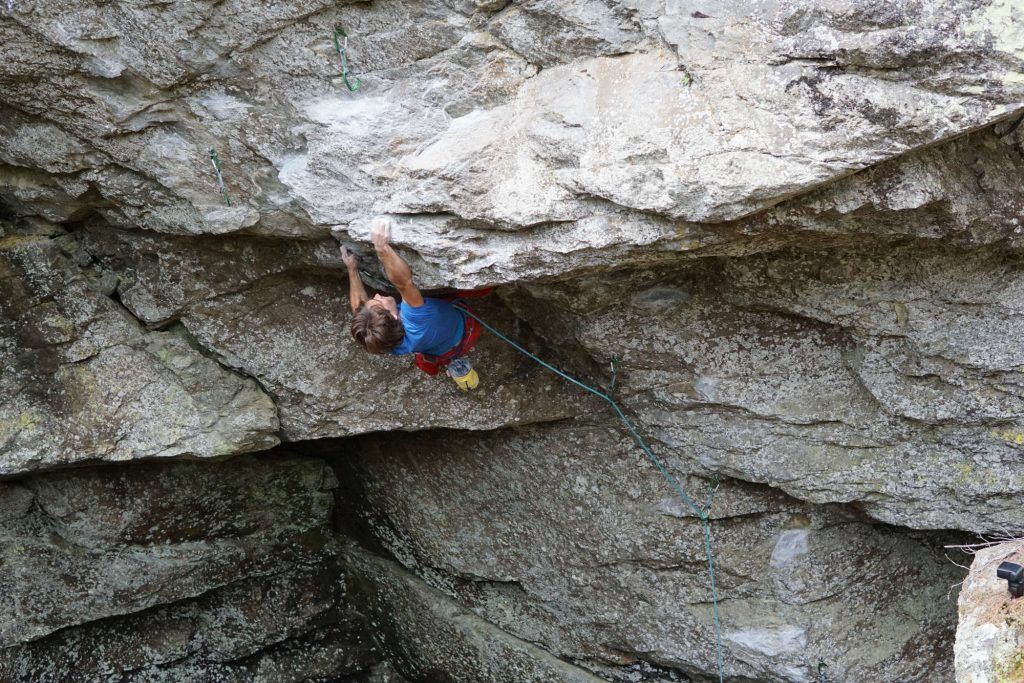

Climbing is good for your health, great fun and a welcome break from everyday life. For most people, though, that’s not enough: they want to improve – to finally climb a grade 7, or perhaps their first grade 9.
Hardly any other sport provides such direct feedback: either you reach the top or you’re hanging on the rope. Moving up to the next grade doesn’t happen by itself – you have to give it a go. Three tips on the right mindset and a guide to projecting routes will show you how to do this.
Text: Matthias Bader and Ulrich Huber
1. Get out of your comfort zone
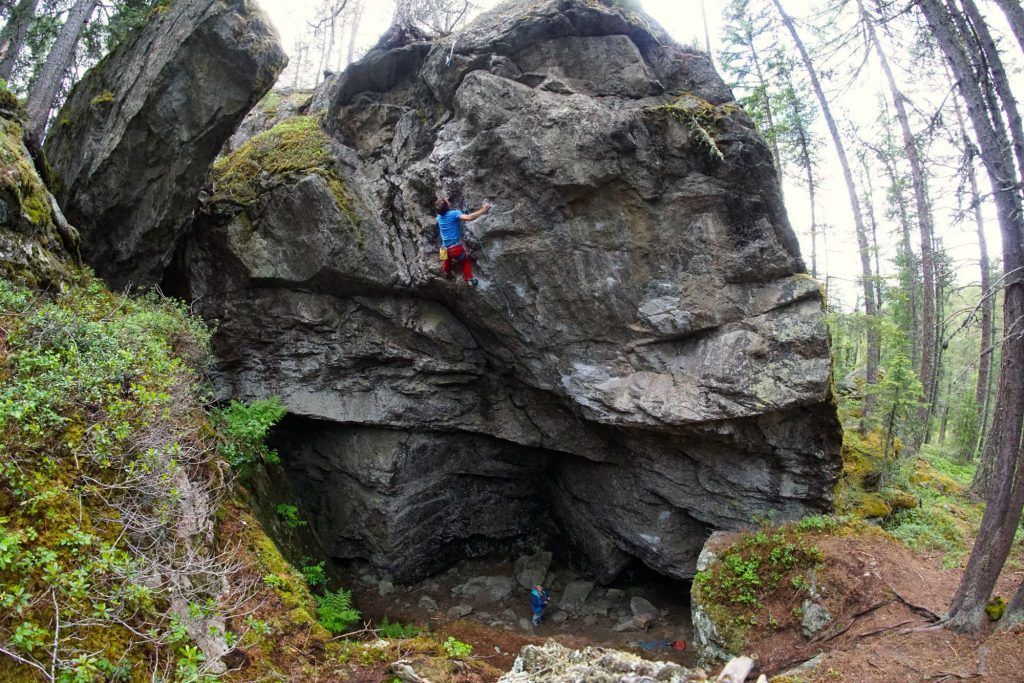
Stop sticking to routes you already know, that you like, or that you always manage to complete. Climb routes that don’t come naturally to you – and, above all, ones that are harder than anything you’ve done before. You’ll fail and fall onto the rope, but your body will adapt and grow stronger. And your mind will learn to cope with setbacks and keep going. Prerequisites for this: an attentive belayer and fall-friendly terrain.
2. Work on your weaknesses
Think about where your weaknesses lie and work on them specifically. Do you have good stamina and climb lots of routes in a row? Then work on your maximum strength – go bouldering or try routes where you can only manage a few moves. Can you manage difficult moves, but run out of strength halfway up? Then work on your endurance, for example by climbing two routes straight one after the other.
3. Your body gets stronger during rest
You don’t get stronger whilst climbing, but during the recovery afterwards. Listen to your body: after an intense day’s climbing, it needs a break – if you ignore this, you risk injury. You can read about how to structure your training in Four-Week Last-Minute Climbing Training.
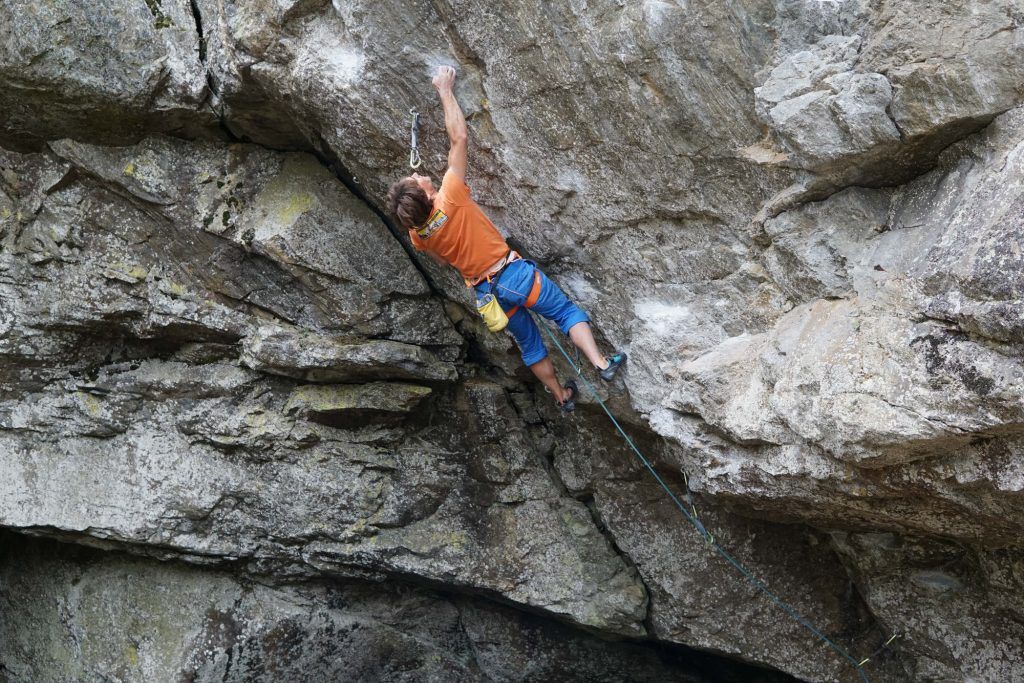
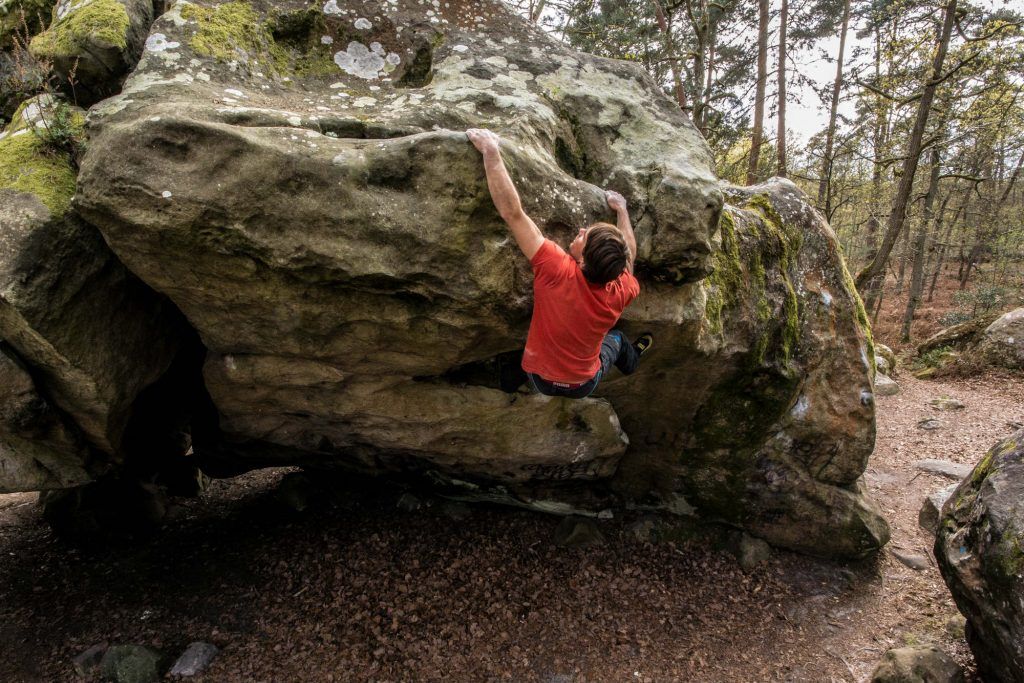
Projecting a route means trying out a climb where, at the start, you’ll need to rest at least three or four times, or where there are sections you can’t even climb yet. The trick is to find the right balance – enough of a challenge without it becoming frustrating:
Celebrate small successes
When working on a project, every step of learning counts. Can you already climb all the moves? Where do you clip the quickdraws? That’s often harder than the climbing itself. Don’t think about topping out just yet; instead, celebrate every bit of progress: the first few metres without resting, the fifth quickdraw that was clipped cleanly for the first time today, the crux hold you managed to hang on to for the first time.
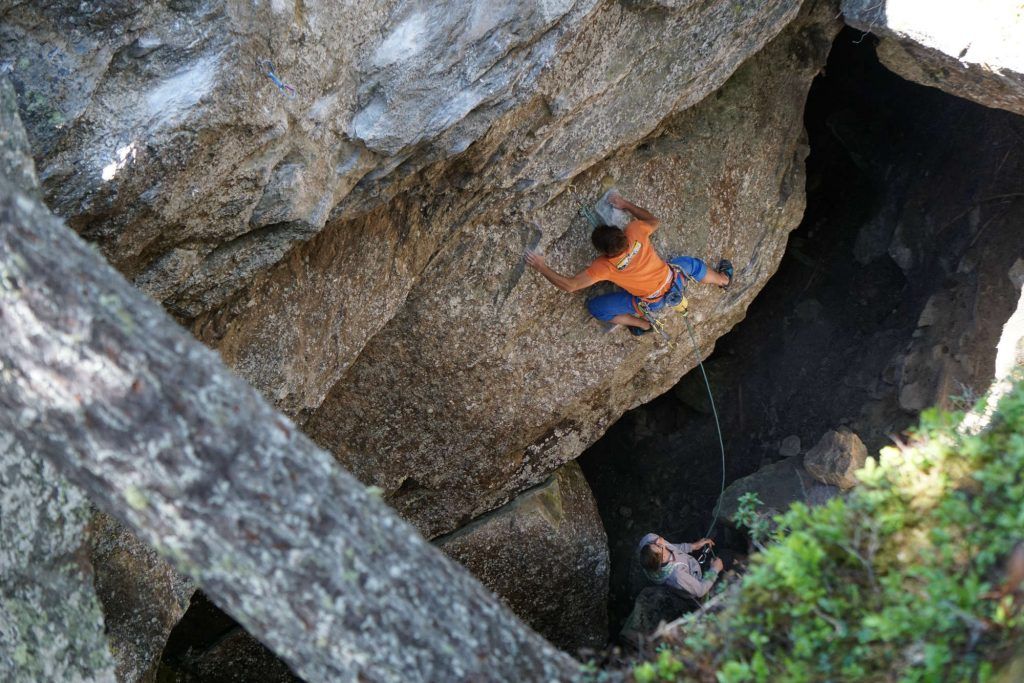
Setbacks are part of the process. You feel you’re just about to send it – and suddenly you can’t hold on to the holds any longer, you keep slipping at the same spot, or you fall at the easiest section because you’re nervous. That’s normal. Break the route down into small sections and stay motivated: the goal is the next hold, not the top.
And one day, it’ll all just fall into place. The doubts are gone, you’re fully in the moment – and finally clip the anchor. Savour the moment, because that great sense of joy is often followed by a slight sense of emptiness: the project is over. At the same time, it’s the start of the next one. You’re never really at the top – but no one can take away the experiences you’ve had along the way, and in the end, they count for more than the grade. More on the mental side: Have fun! 5 tips for staying motivated whilst climbing.
Tips & Safety
Would you like to know more about climbing safety? Click here for our safety tips.

