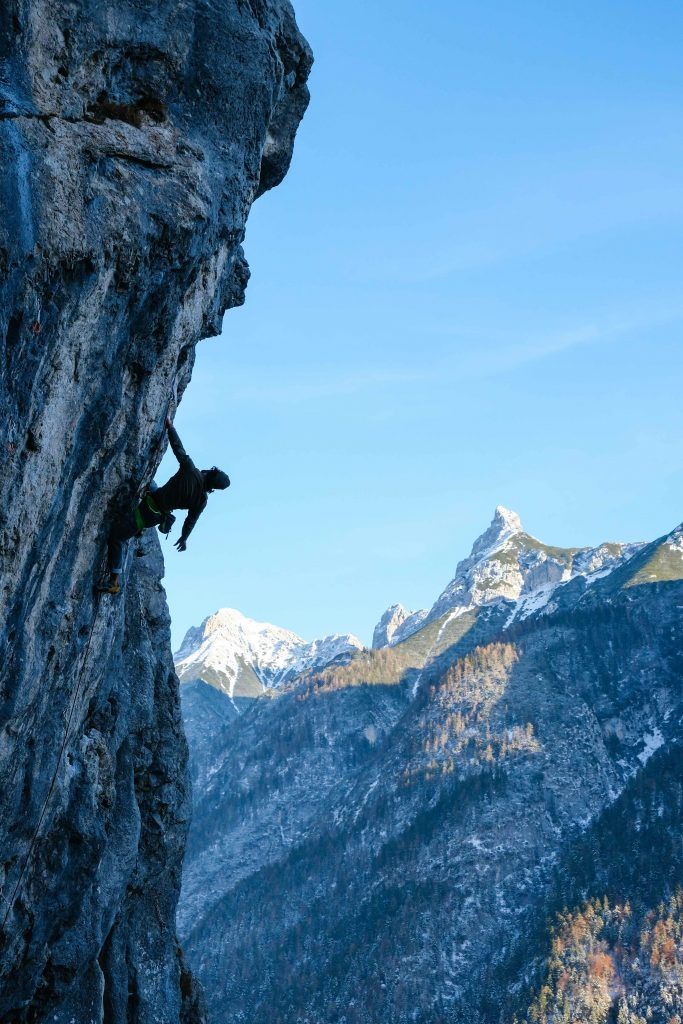
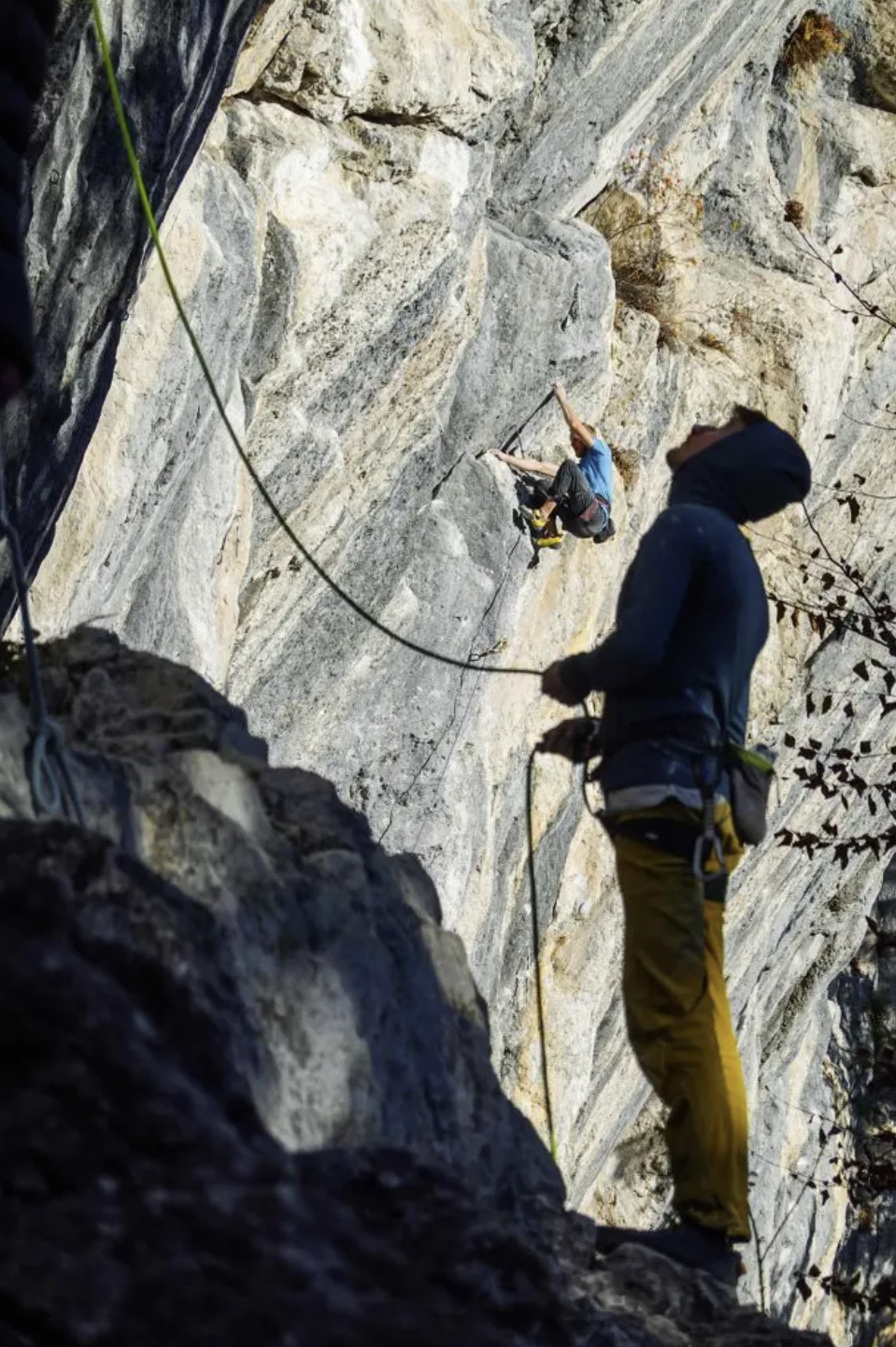
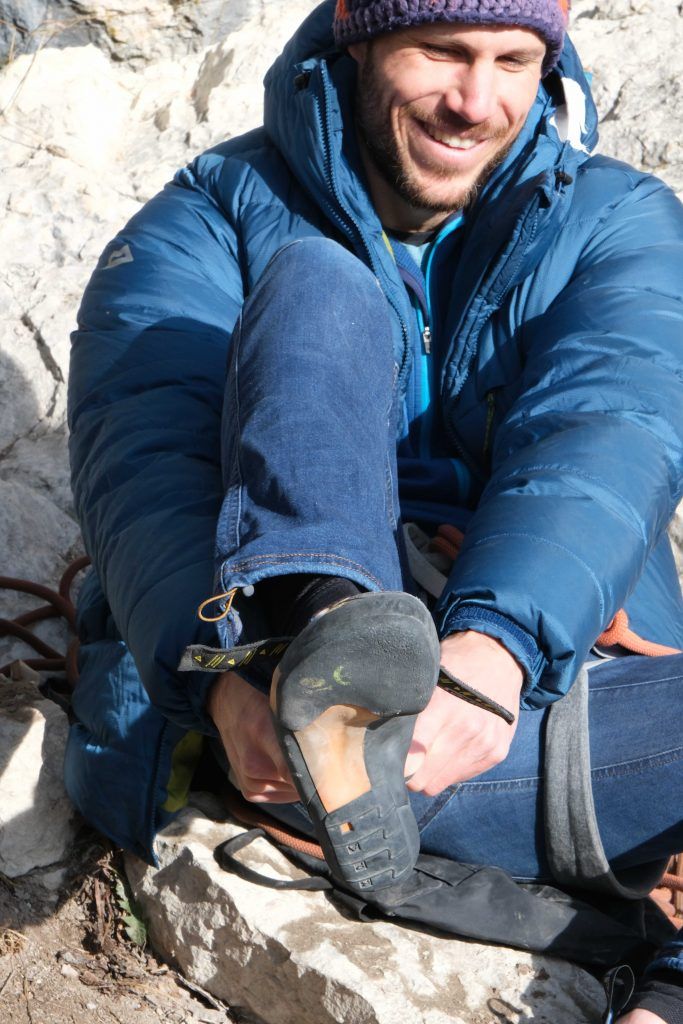
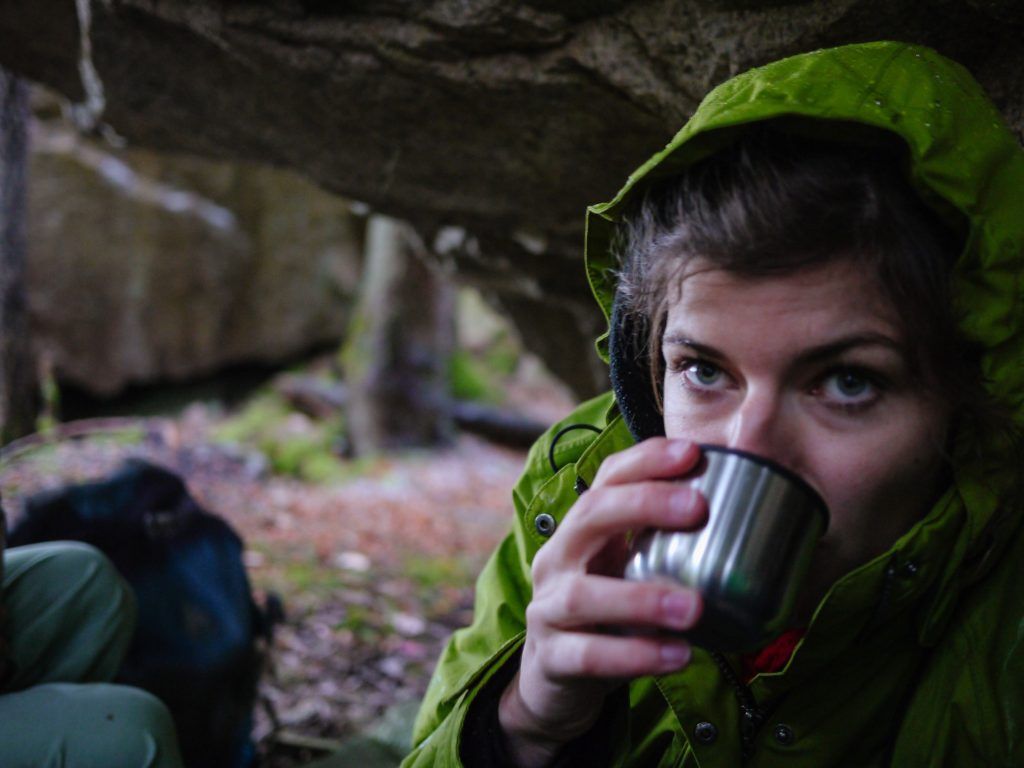
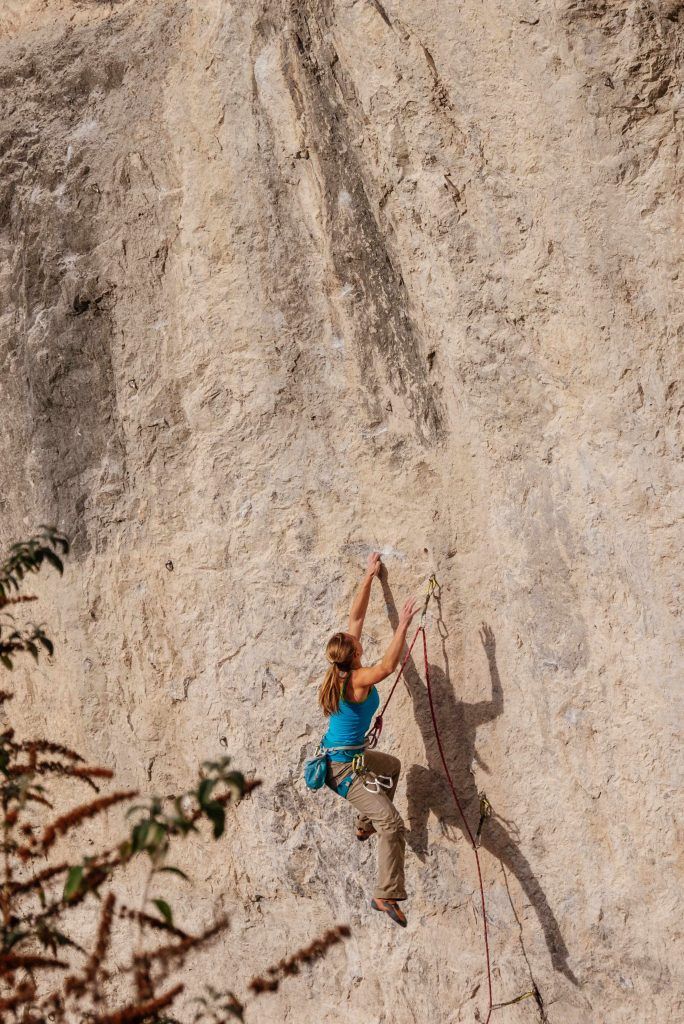
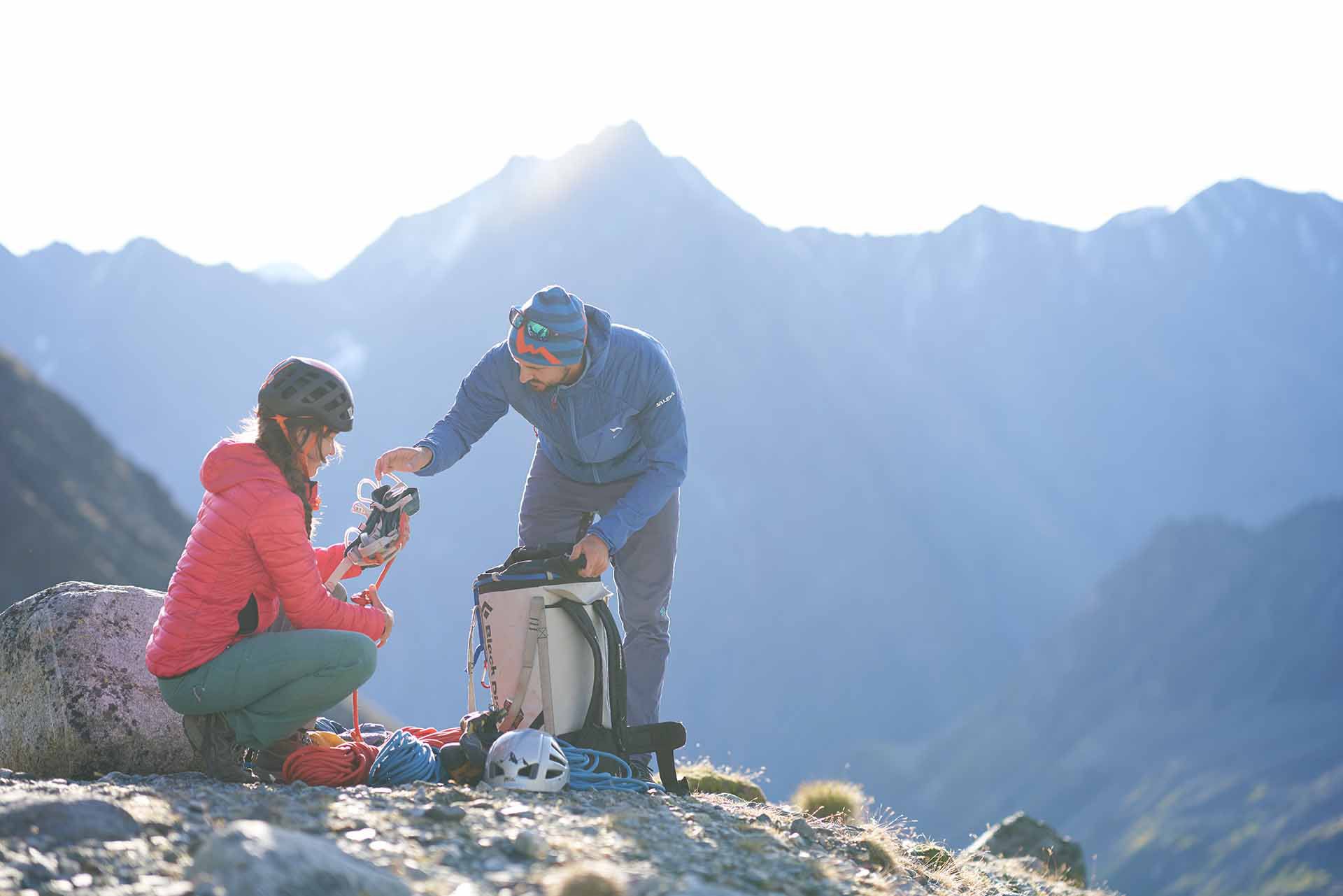
Admittedly, you do need to be a bit of a rock-climbing fanatic to be out climbing all winter long. But once you’ve got into the right frame of mind, you’ll keep coming back to the crag time and time again, even when the temperature’s below freezing. Provided, of course, that you’re in the right place at the right time. But more on that later.
“It’s all about the grip, baby!” – that’s probably the best way to sum up the motivation for winter climbing. Because for really small crimps and really tiny footholds, you need not only the necessary power but also the necessary friction. And that friction is at its very best when temperatures are low and humidity is low. In other words, in winter. That’s why the toughest projects are usually tackled in conditions where others would rather go ski touring or go sledging.
But even those who aren’t tackling the level of difficulty 11 will quickly notice the difference: that nasty hold you were constantly slipping off in August suddenly ‘holds’. And that tiny foothold you never quite dared to step on is no longer a problem at all. “It’s all about the grip, baby!”, and that’s why winter climbing is so much fun! Once your fingers are warm, that is.