“The Wilder Kaiser is perhaps the best-known and most visited high mountain range in the Alps today. It owes this distinction to its wild beauty, its wealth of magnificent climbing routes and its convenient location. It has been compared to the Dolomites of South Tyrol. In some respects, this may be true; yet it offers more to the eye and the soul.” – so wrote Georg Leuchs in 1911 in his guide to the Kaiser Mountains.
Today, it is no longer the most visited mountain range in the Alps – we humans have become too mobile for that. Back then, however, when the railway was still considered the transport of choice, there was no rock-climbing destination closer to Munich that could be reached any faster. Leuchs, incidentally, was also from Munich. The doctor left a lasting mark on theWilder Kaiser: even a peak – the Leuchsturm – bears his name, and he made the first ascents of countless faces and routes around 1900.
Text: Gebi Bendler | Photos: Michael Meisl
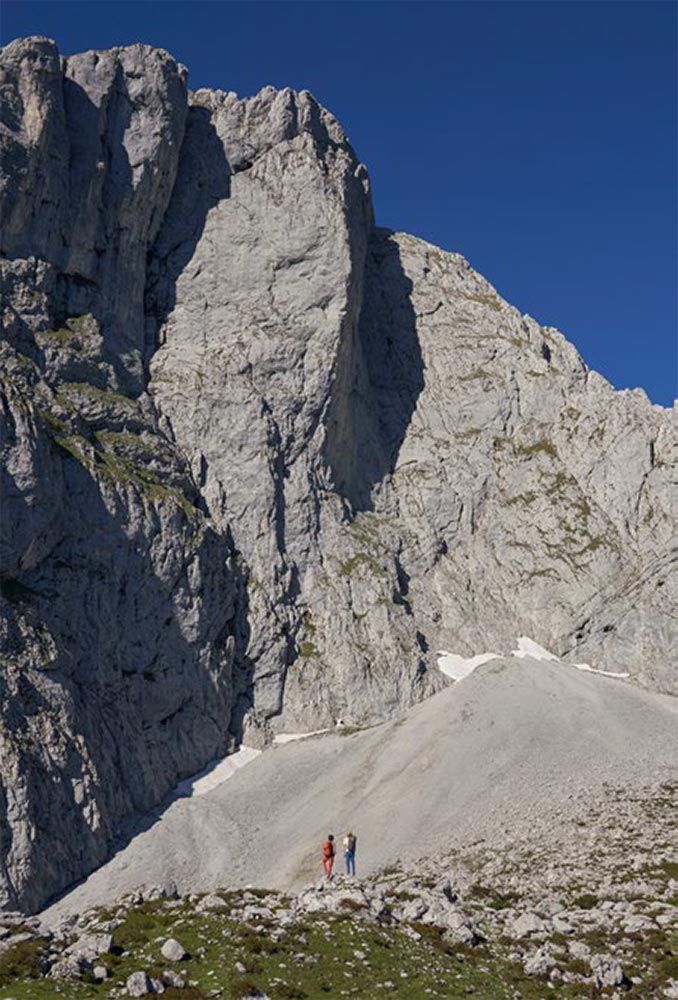
Georg Leuchs’s most famous route is undoubtedly the Kopftörlgrat. This varied scramble, with a Level of Difficulty of lower grade 4, is regarded – alongside the Jubiläumsgrat on the Zugspitze – as the most famous ridge traverse in the entire Northern Limestone Alps. The route leads over six towers to the highest peak in the range, the Ellmauer Halt. It unfolds like the structure of a Classic drama: exposition, rising action, climax.
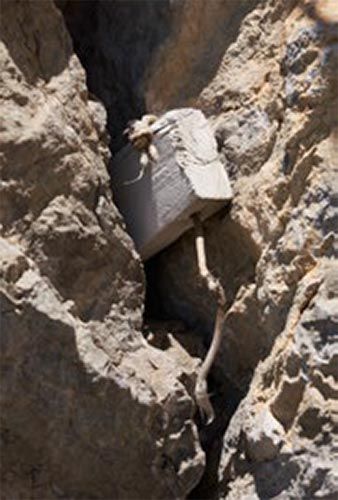
It begins with a bizarre rock formation – a tower split straight down the middle as if by an axe, through whose narrow crevice the path leads to the start of the climb. Afterwards, you warm up on easy but very exposed scree terrain, until each successive and steadily rising tower presents ever greater difficulties. In a dramatic crescendo, the sounds grow ever louder as the climax approaches – just as Iris pants the loudest in the final chimney leading to the summit. Not only because she has already climbed 1,400 metres, but because the crux lies in wait there in the nasty finale.
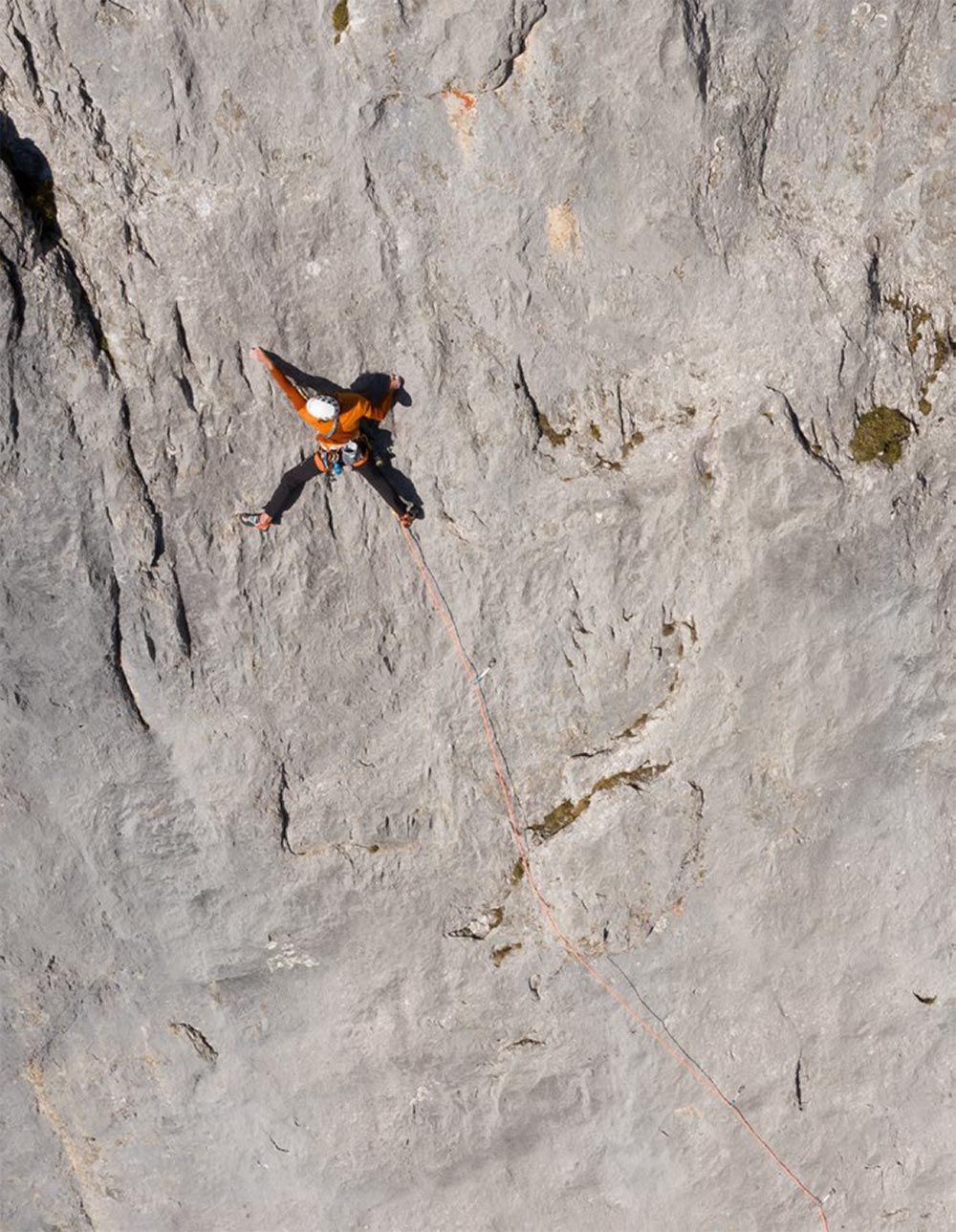
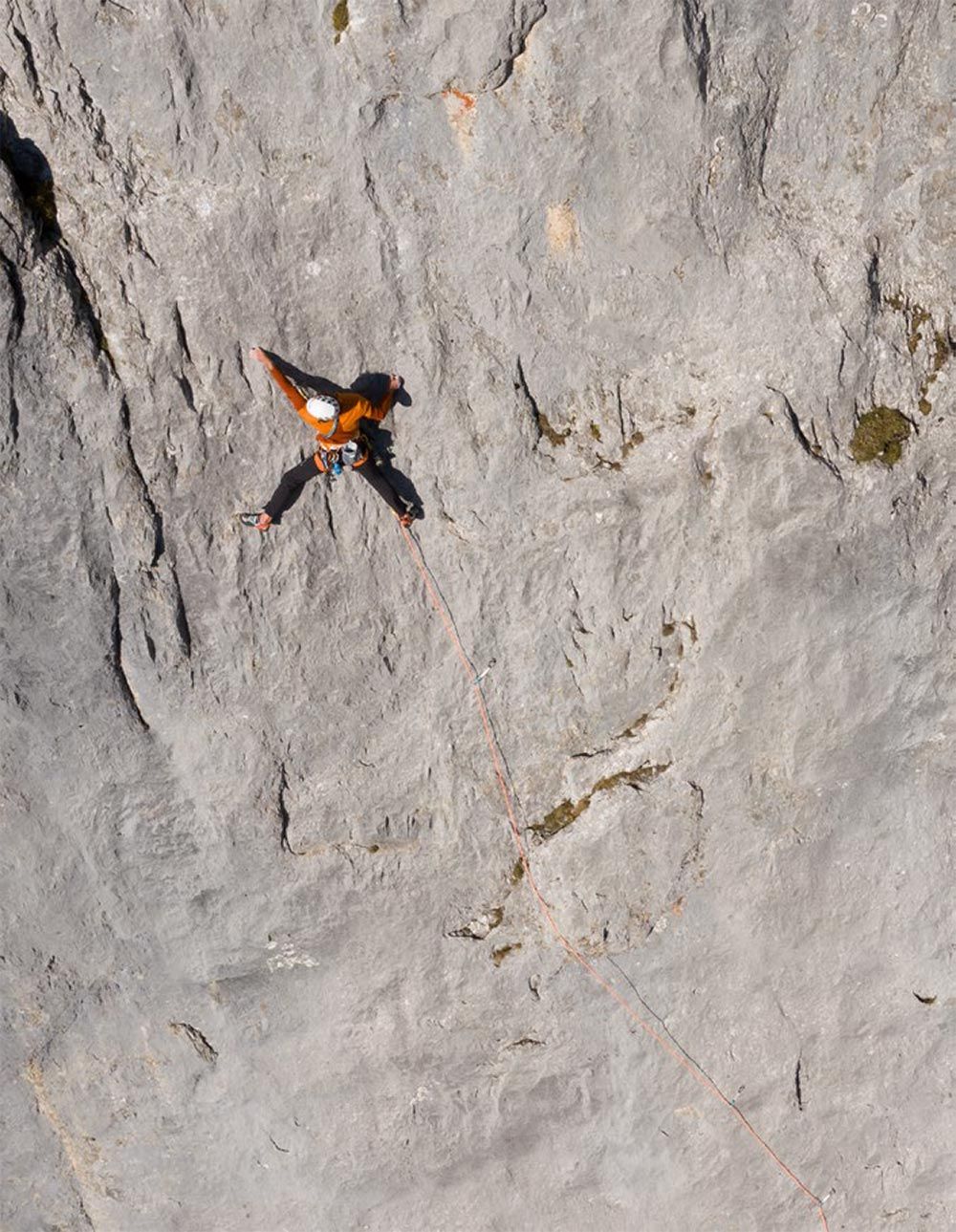
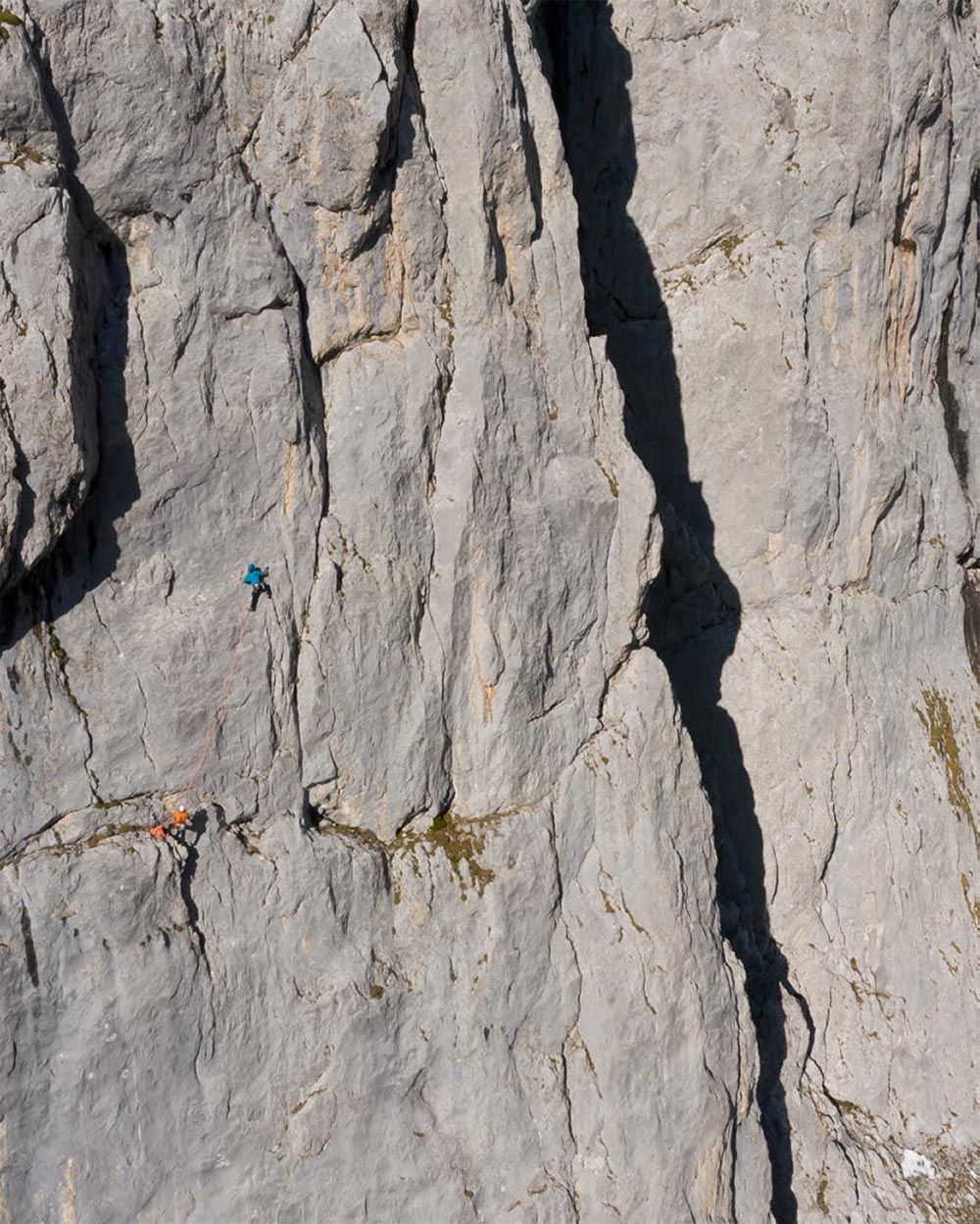
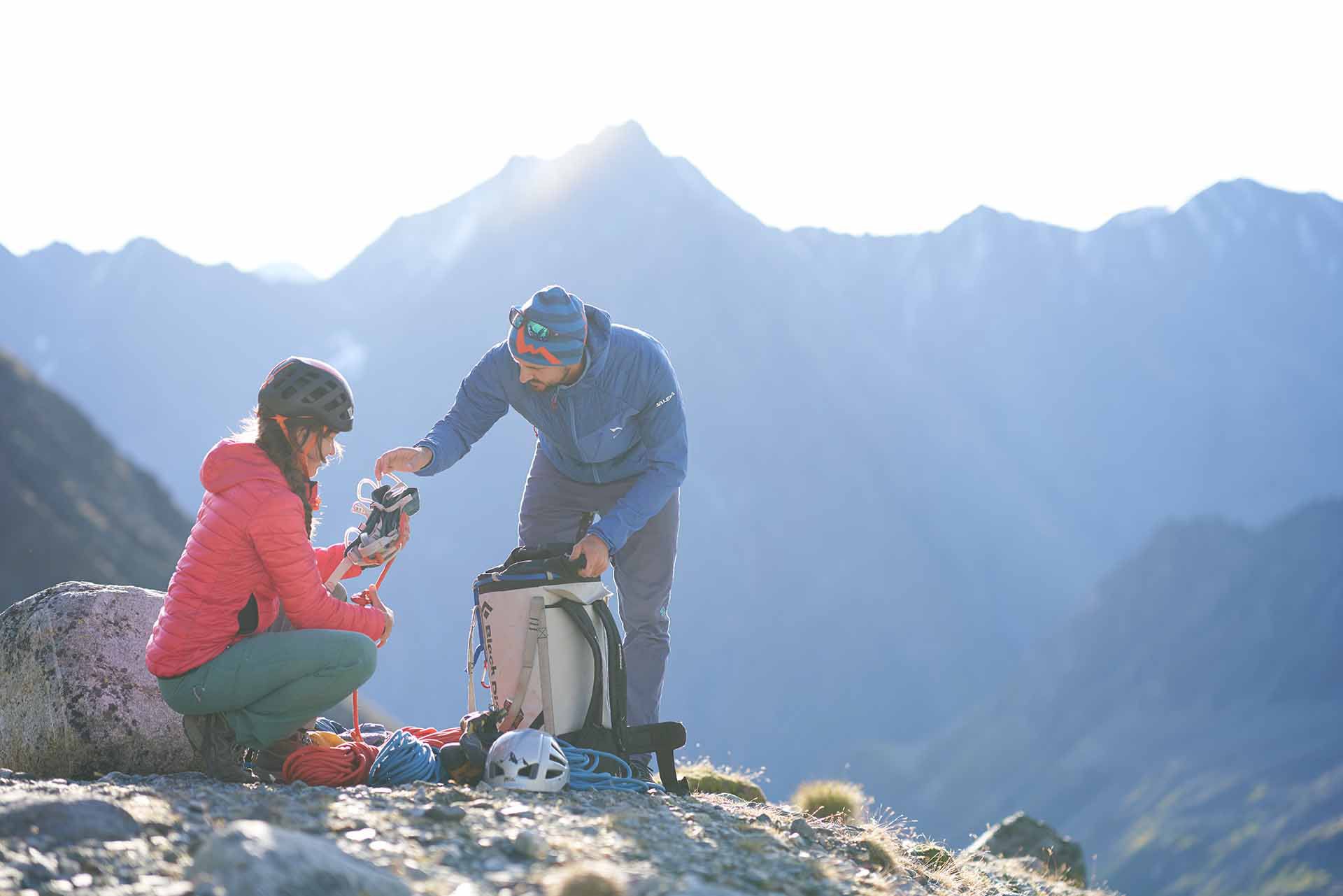
“It’s quite something that Dr Leuchs climbed up here on his own as early as 1900,” says Iris admiringly. The young woman from the Allgäu is visiting the Wilder Kaiser for the first time and is therefore being guided by a local Mountain Guide. Finding your way through the labyrinth of chimneys, slabs and towers is anything but straightforward: there are hardly any pitons for trail marking, and climbers usually have to set up their own belay stations. In contrast to the relatively easy climbing difficulty, this – and the distance of the route – is the crux of the tour. Time and again in summer, mountain rescue teams have to be called out to rescue climbers who have underestimated the ridge.
“But with a guide, the whole thing is a wonderful experience. There’s even time to go in search of historical traces. Because history was made here in the Kaiser, as I read on Wikipedia,” explains Iris. In fact, the Wilde Kaiser, which stretches a modest 20 kilometres from east to west, is a comparatively small mountain range. Yet when it comes to the history of climbing, it really comes into its own: nowhere else have such significant chapters of Alpine history been written in such a small area.
„The ‘Koasa’ is a veritable history book of mountaineering – and a right thick tome at that.“
It was here that the great names of climbing measured themselves against one another in sporting competition and made their mark on the sport: Tita Piaz, Hans Fiechtl, Hans Dülfer and Paul Preuss set new standards even before the First World War and revolutionised the sport. Right here, and nowhere else. It was not for nothing that the area was described as the ‘German university’ of climbing – in this laboratory of Mountaineering, they found the ideal conditions for their experiments.
The quiz isn’t that difficult, is it?
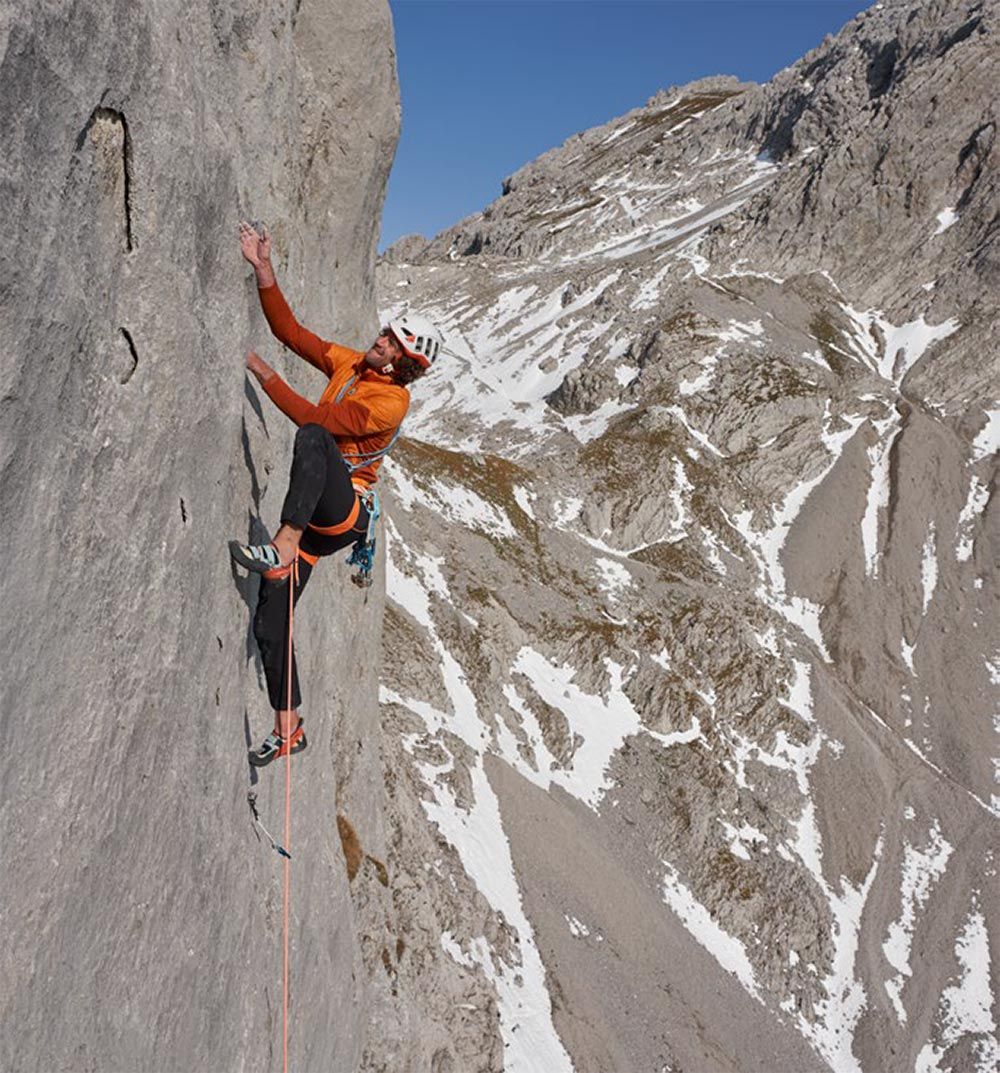
Iris has made it. Her gaze drifts southwards from the 2,344-metre-high summit of the Halt: “It’s simply beautiful, this contrast. Here, the jagged peaks and pinnacles – at once daunting and alluring – a hauntingly beautiful rocky wasteland. And over there, the gentle slopes of the Kitzbühel Alps with their lush green alpine meadows. A marvellous interplay of contrasts!”
The ‘Koasa’ is rich in contrasts in every respect. It starts with the rock structure itself: here a solid slab, there an open crack. Here an forbidding chimney, there an inviting ridge. As in hardly any other area, Tradition and modernity come together without creating a contradiction.
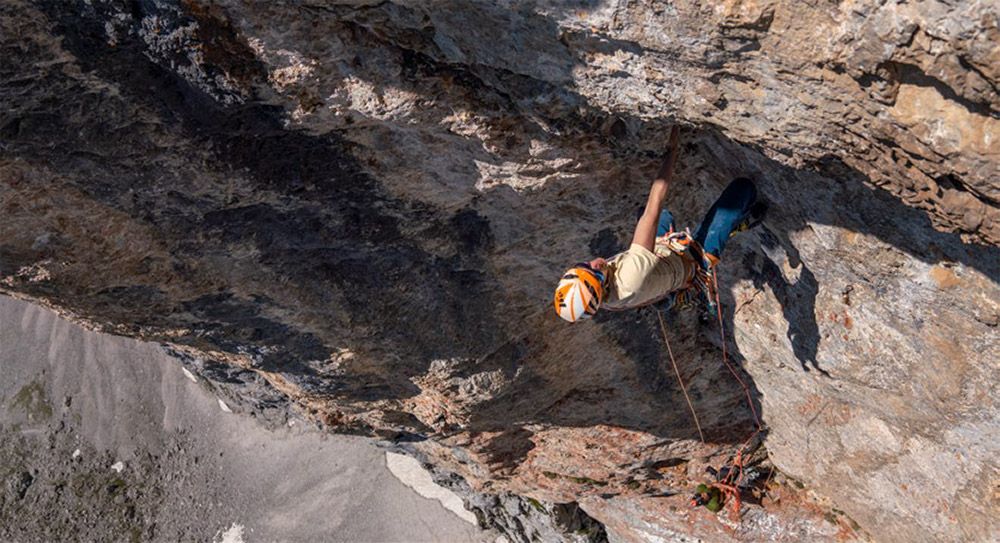
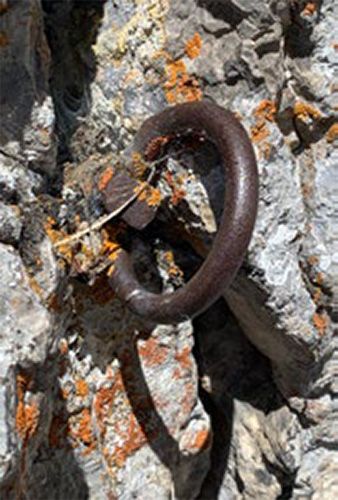
Anyone wishing to explore gently restored historic climbing landmarks by the likes of Dülfer, Buhl, Rebitsch and others will find the greatest concentration of classic routes in Tirol here – if not the world. At belay stations and critical points, the rusty pitons have been replaced with secure bolts; in between, however, climbers are expected and required to secure the route themselves. Those who prefer a less nostalgic experience will find countless well-secured modern alpine sport climbs on the finest rock at the Schneekar, the Leuchsturm or the Karlspitze. And new ones are added every year.
The difficulty rating scale here is also more varied than anywhere else in Tirol. In the ‘Koasa’, you’ll find Tyrol’s most beautiful and Easy ridges – known as the ‘Kaiser hoch 6’ – practically side by side with the region’s most challenging alpine sport climbs. Everything from UIAA 2 to UIAA 11− is represented: another unique selling point that speaks in favour of the area.
Back in the valley, Iris looks up with a sense of pride. Her hand no longer grips the warm Kaiserfels, but an ice-cold Kaiserbier. The Kopftörlgrat is silhouetted against the evening glow. “Any metropolis would envy the Ellmau for this natural skyline,” she remarks with a smile. “Here’s to Dr Leuchs! Cheers!”
This feature is taken from the climbing magazine LIMIT. In this issue, we’ve devoted ourselves entirely to alpine climbing in Tirol: across 136 pages, we showcase Tirol’s impressive vertical diversity – with fascinating stories from 15 climbing spots that offer a deep insight into the history of alpine climbing in Tirol.
Tips & Safety
Would you like to know more about climbing safety? Click here for our safety tips.