Life is shaped by limitations. Choosing one career means you cannot pursue another with the same passion. Choosing one sport means you cannot practise twenty others at the same time.
This is particularly true when it comes to choosing our favourite sport – whether you prefer bouldering, rock climbing or Via Ferrata/Iron Way. By limiting yourself to one area, you open up a whole new world of possibilities within it.
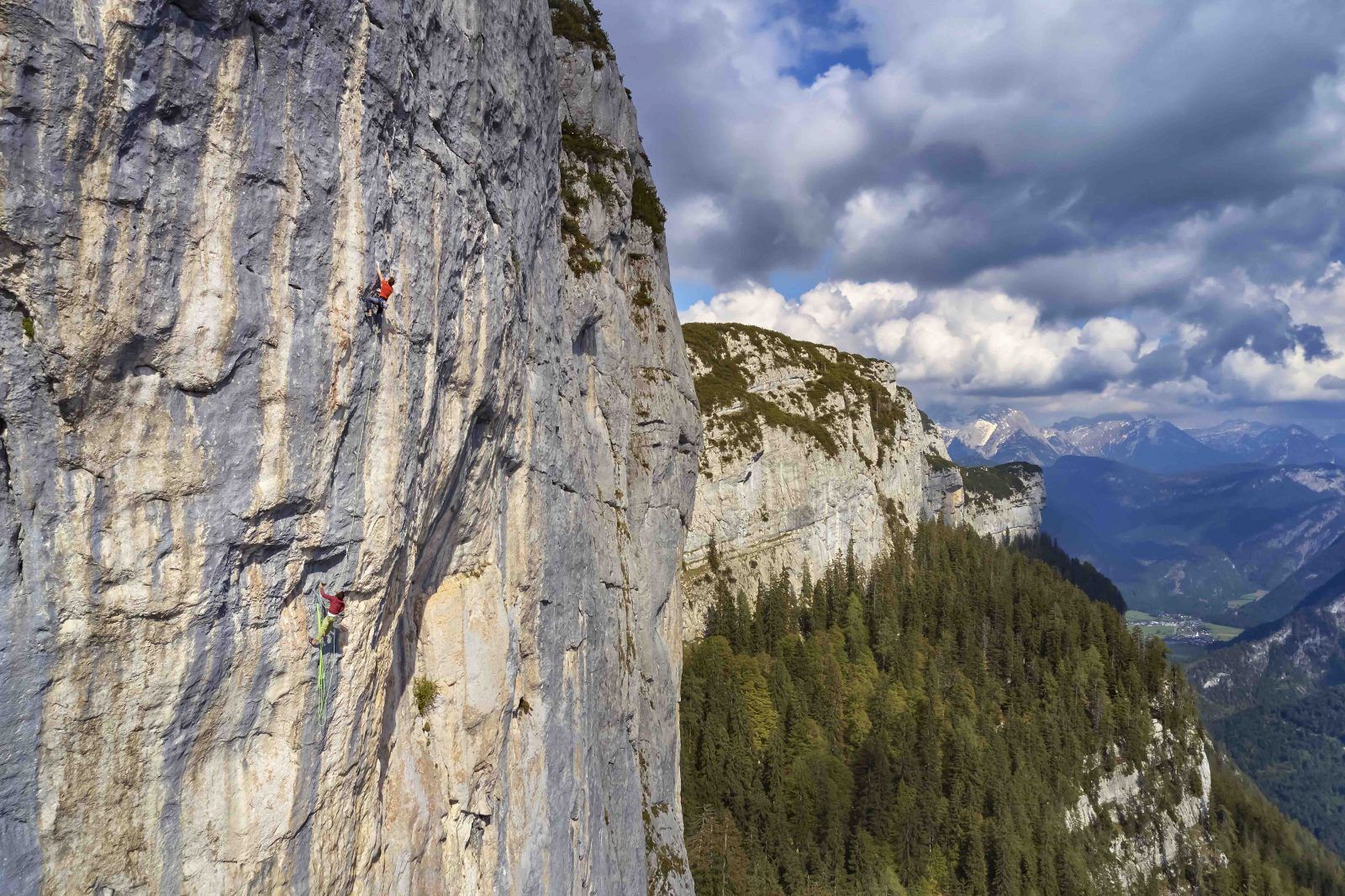
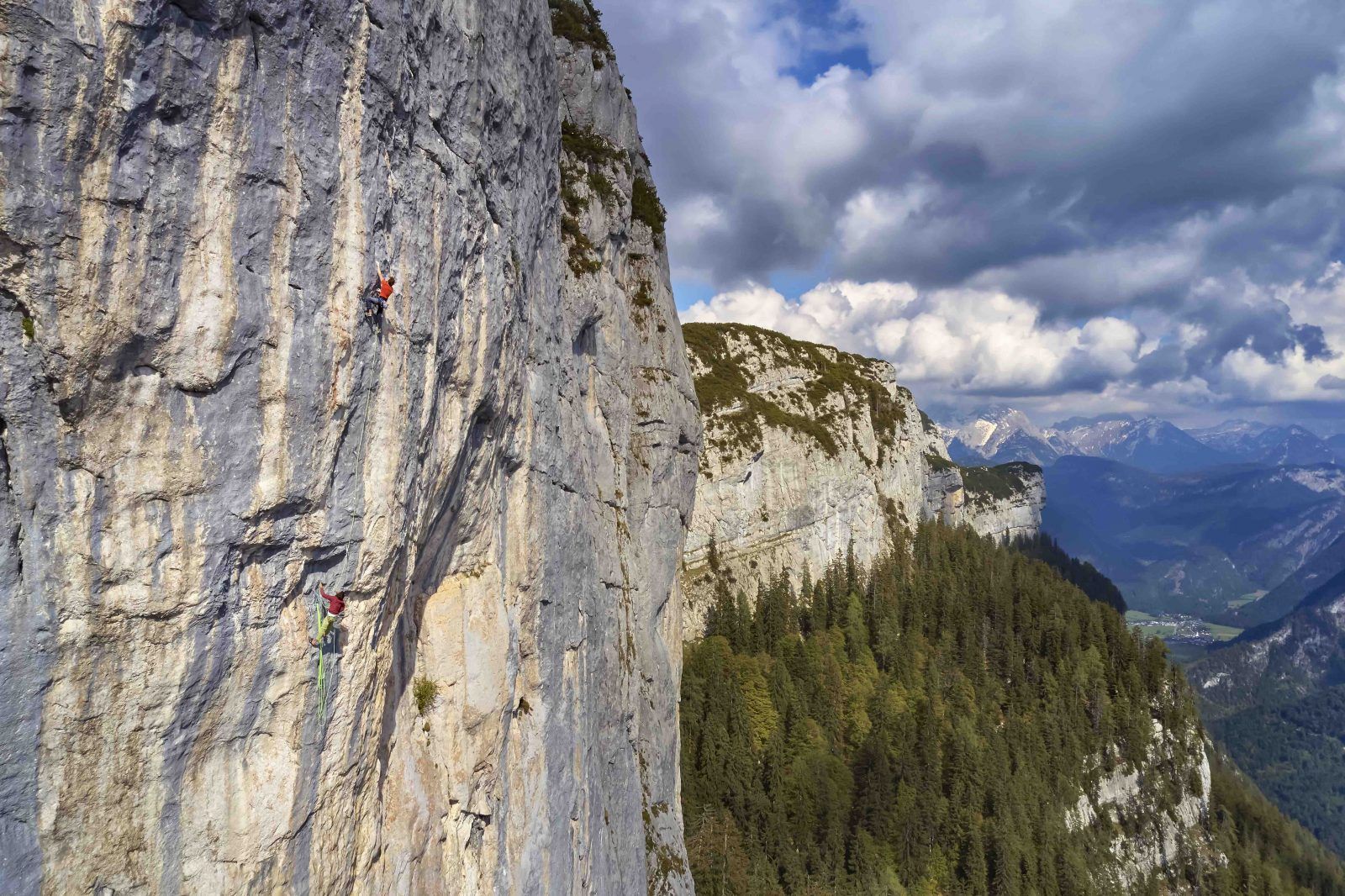
Even though, paradoxically, we feel particularly free and independent when climbing – from the constraints of everyday life, for example – we are all the more frequently confronted with our own limits in the most brutal way. When you’re standing a few metres above the last bolt, perhaps above a mobile belay device that would only absorb a fall by sheer luck, your options are usually rather limited: most often, the way is up, perhaps occasionally to the side, preferably not down – but certainly not the option of simply walking away from the situation.
In such moments of confrontation, it is a matter of pushing boundaries, developing further and defining a new limit. But why do we climbers find ourselves in such extreme situations time and time again? Do we collectively suffer from cognitive dissonance, or are we simply naive in failing to recognise our limits? Why do we find ourselves in the same situation time and time again: fight, not flight?
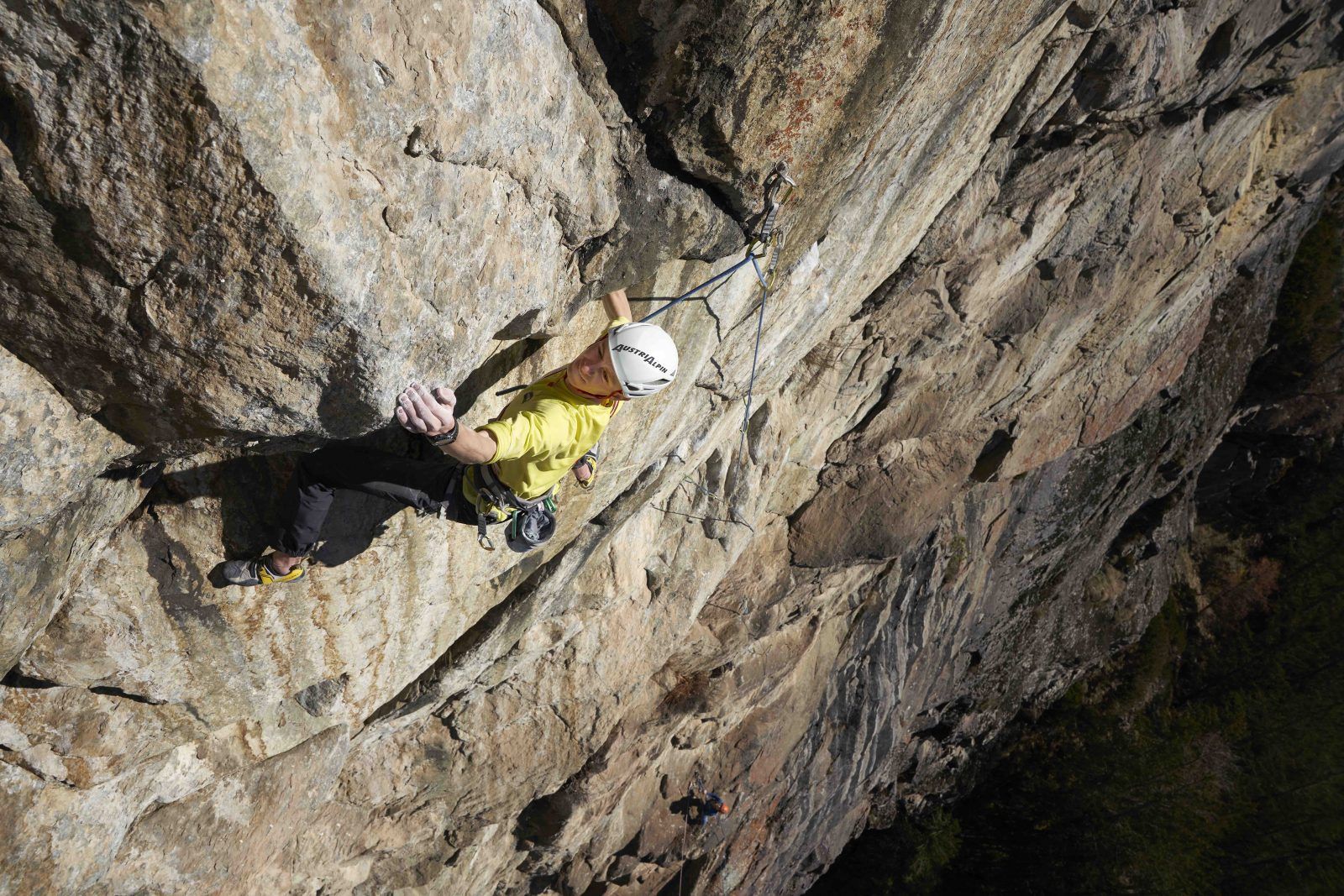
In climbing, we find a precious opportunity to rise above ourselves. We are all limited by so many factors – strength, technique, time, our mindset – and yet there are those magical moments when everything comes together: Every muscle fibre works in unison with the others, our mind focuses on what matters, our will drives us upwards, and our courage never fails us. In these rare moments, we actively – and sometimes with a little luck – push our own boundaries.
Such magical moments occur when, after many attempts, we finally manage a move. They occur when we rub the rubber of our climbing shoes against a sloping hold and, against all expectations, our foot holds firm. And they also happen when we overcome our fears, carry on climbing and reach the top.
An inherent aspect of climbing is the overcoming of boundaries – testing one’s own limits in order to emerge stronger through a synthesis of the Level of Difficulty and one’s own physical and mental abilities.
Of course, it is not about constantly measuring oneself against one’s own standards. It is good to embrace the diversity of our possibilities and learn to feel at ease within them. Yet, as Hermann Hesse so aptly puts it:
„Only those who are prepared to set out on a journey can break free from the paralysing grip of habit.“
By then at the latest, the next moment of glory will arrive, when we succeed in giving more – in achieving something we would never have expected of ourselves.
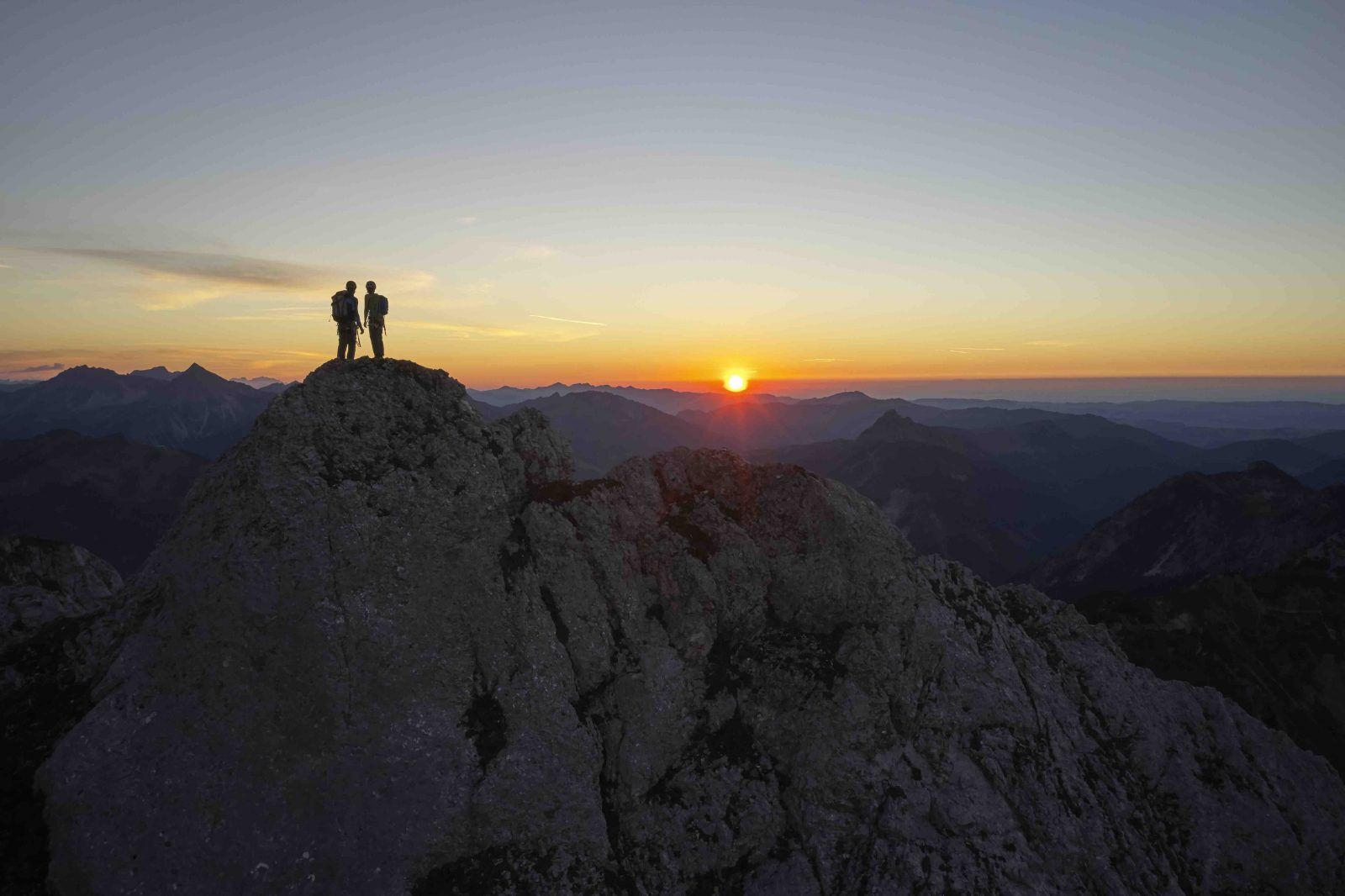
That is your limit. It is there to provide you with a framework within which you feel comfortable and can flourish – and which ultimately gives you the opportunity to break free from it and develop further. To be more than you ever would have expected of yourself.
In this issue, we have devoted ourselves entirely to alpine climbing in Tirol: across 136 pages, we showcase Tirol’s impressive vertical diversity – with fascinating stories from 15 climbing spots that offer a deep insight into the history of alpine climbing in Tirol.
Tips & Safety
Would you like to know more about climbing safety? Click here for our safety tips.