
Via Ferrata/Iron Way Tutorial 05: Types and Difficulty Levels
Alpine or sport? And what does ‘C’ actually mean? Two basic types, five Levels of Difficulty – and why the overall difficulty matters.
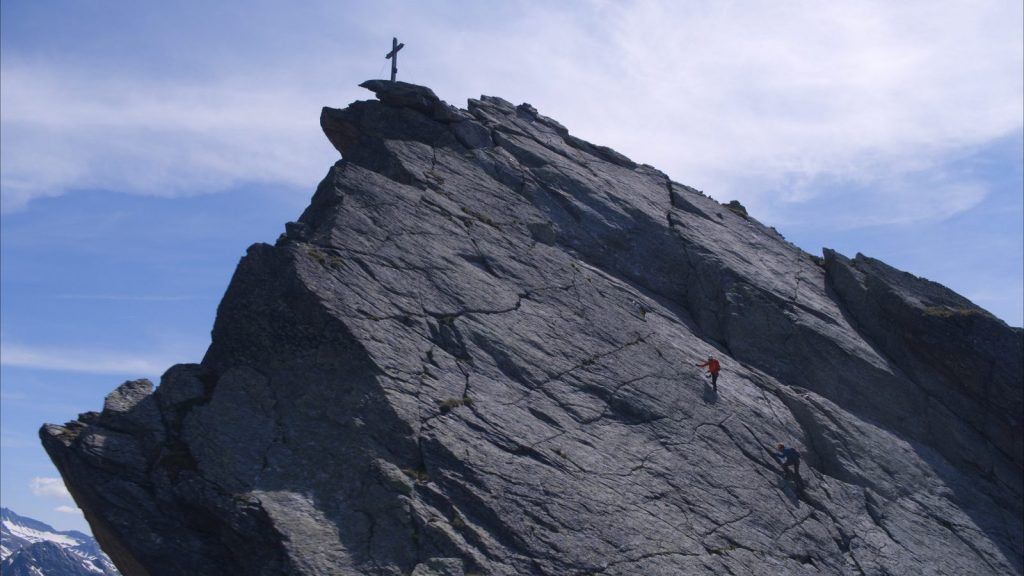

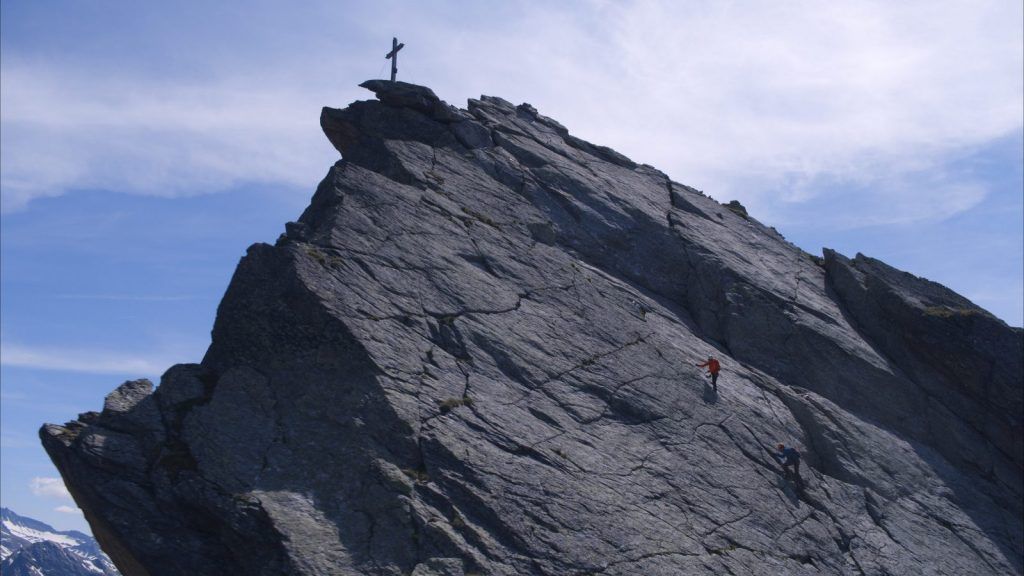
A rough but useful classification of these very different routes is to divide them into alpine and sport climbing routes.
Part 5 of the video series ‘SicherAmBerg – Via Ferrata/Iron Way’ by the Austrian Alpine Club and Climbers Paradise.
Text and video: Austrian Alpine Club
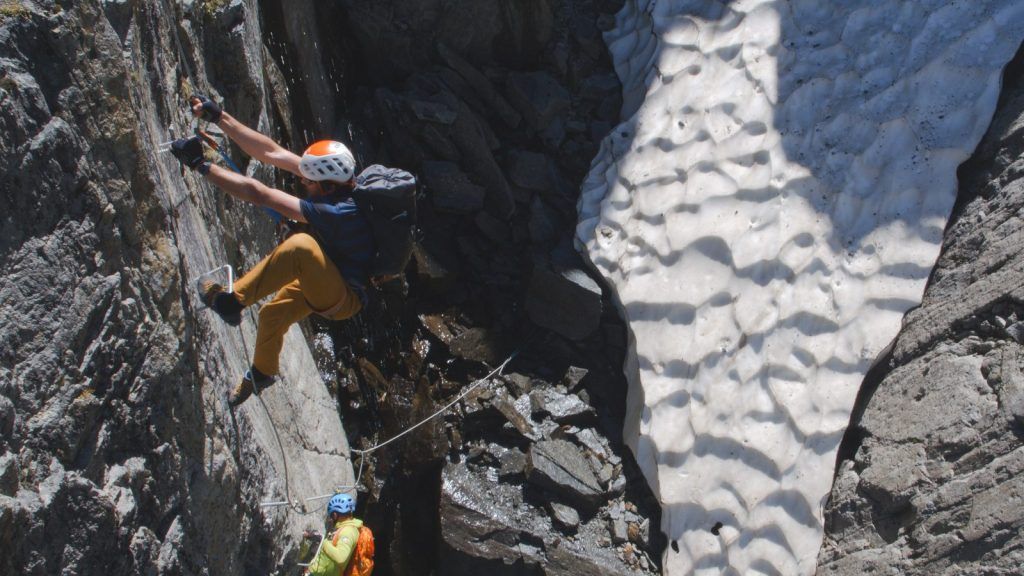
On alpine via ferratas, you are out in the mountains, usually with a mountain summit as your Finishing Point. An alpine environment means Alpine Dangers: thunderstorms, sudden changes in the weather, falls during the ascent and descent, and the distance and time required. These are all factors that place particular demands on planning, equipment, fitness and experience.
The Level of Difficulty here is usually in the low to medium range. But there are exceptions to this too: so-called alpine sport via ferrata routes combine an alpine environment with high levels of difficulty – and thus present the greatest challenges.
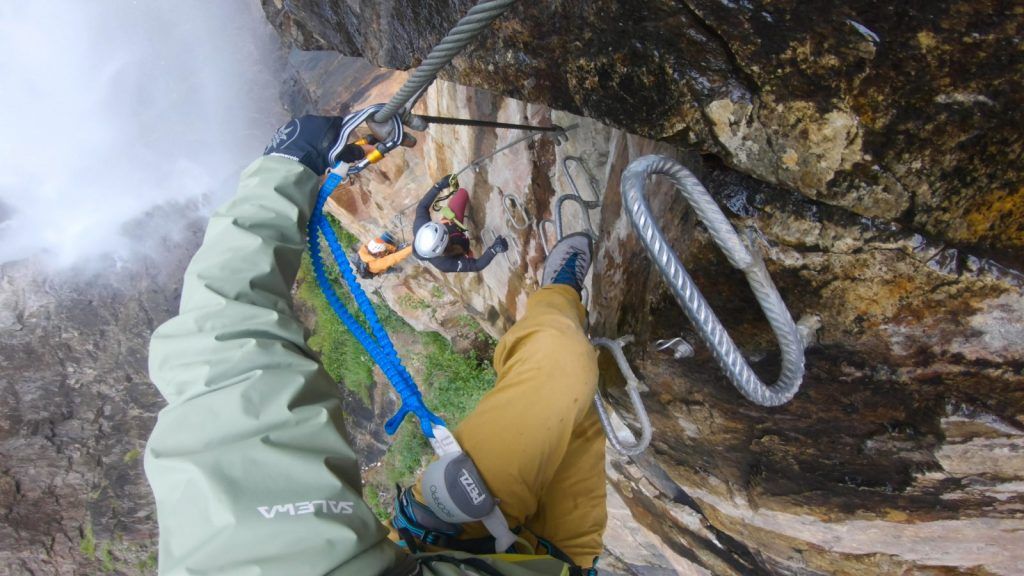
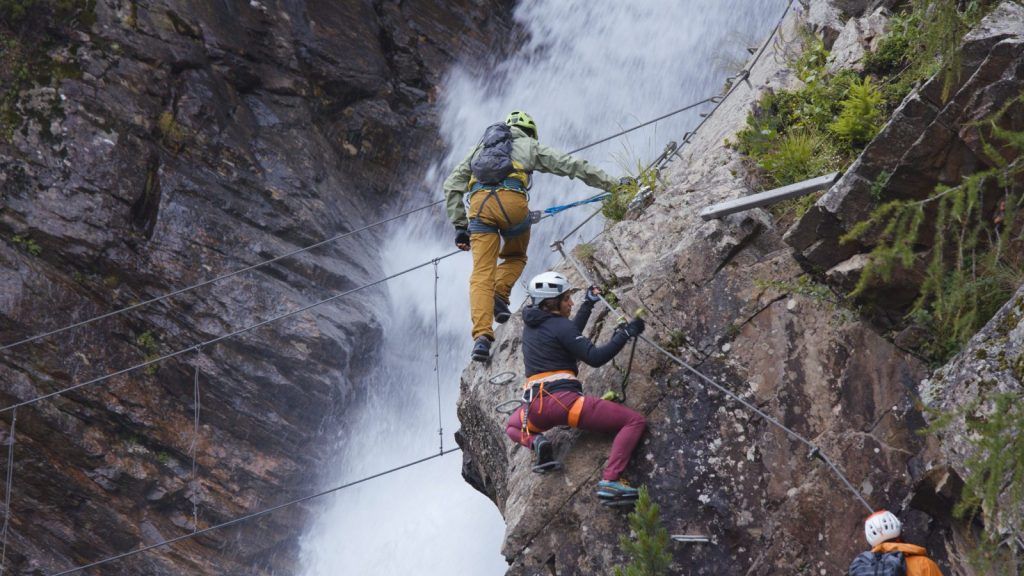
On sport climbing routes, the mountain experience takes a back seat. Here, it’s all about the physical and mental challenge – the thrill.
Sport climbing routes are usually located close to the valley; the approach and descent routes are short and largely safe. You’ll find all Levels of Difficulty and often special attractions such as suspension bridges and rope bridges.
There are various scales used to assess difficulty. The one most commonly used in the Eastern Alps was devised by guidebook author Kurt Schall. The Schall scale has five levels and uses letters – from A (‘Easy’) to E (‘extremely difficult’).
A, B, C, D – the overall difficulty of a Via Ferrata/Iron Way is determined by the distance and frequency of the difficult sections. The longer these sections are, the greater the demands on climbing technique and muscular endurance.
The best practical advice is simple: from A to B, from B to C, on to D and possibly E. If you want to go even further, switch from the Via Ferrata/Iron Way to the climbing wall.
Everythingyou need to know about Via Ferrata/Iron Way at a glance:Via Ferrata/Iron Way – everything you need to know
Tips & Safety
Would you like to know more about climbing safety? Click here for our safety tips.

