
Via Ferrata/Iron Way Tutorial 04: On the Via Ferrata/Iron Way
From partner checks to overtaking manoeuvres: the key techniques and rules for tightrope walking.
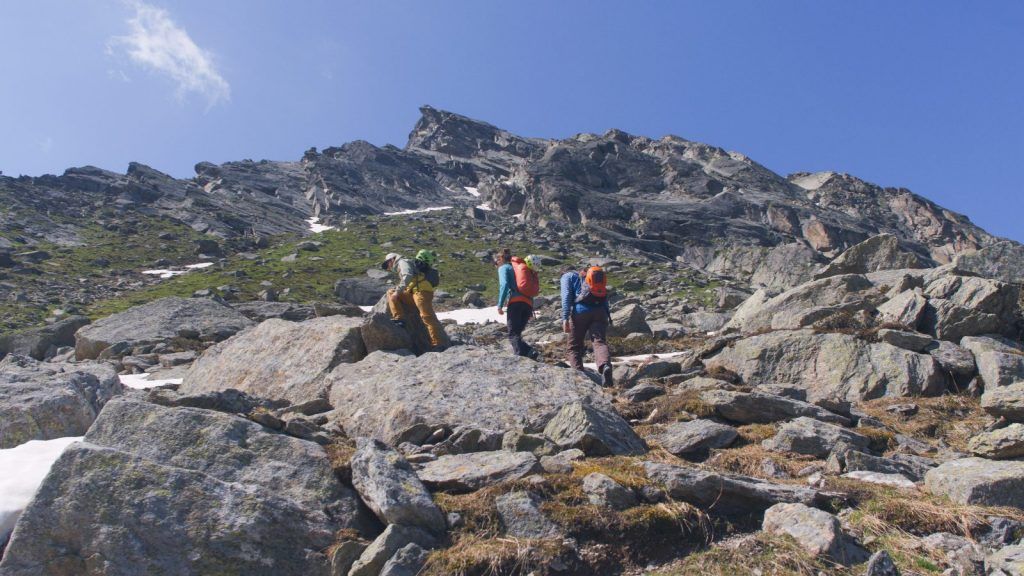

On a Via Ferrata/Iron Way, it’s not strength that counts, but technique. If you climb properly, you save arm strength – and that’s the limiting factor.
Part 4 of the video series ‘SicherAmBerg – Via Ferrata/Iron Way’ by the Austrian Alpine Club and Climbers Paradise.
Text and video: Austrian Alpine Club
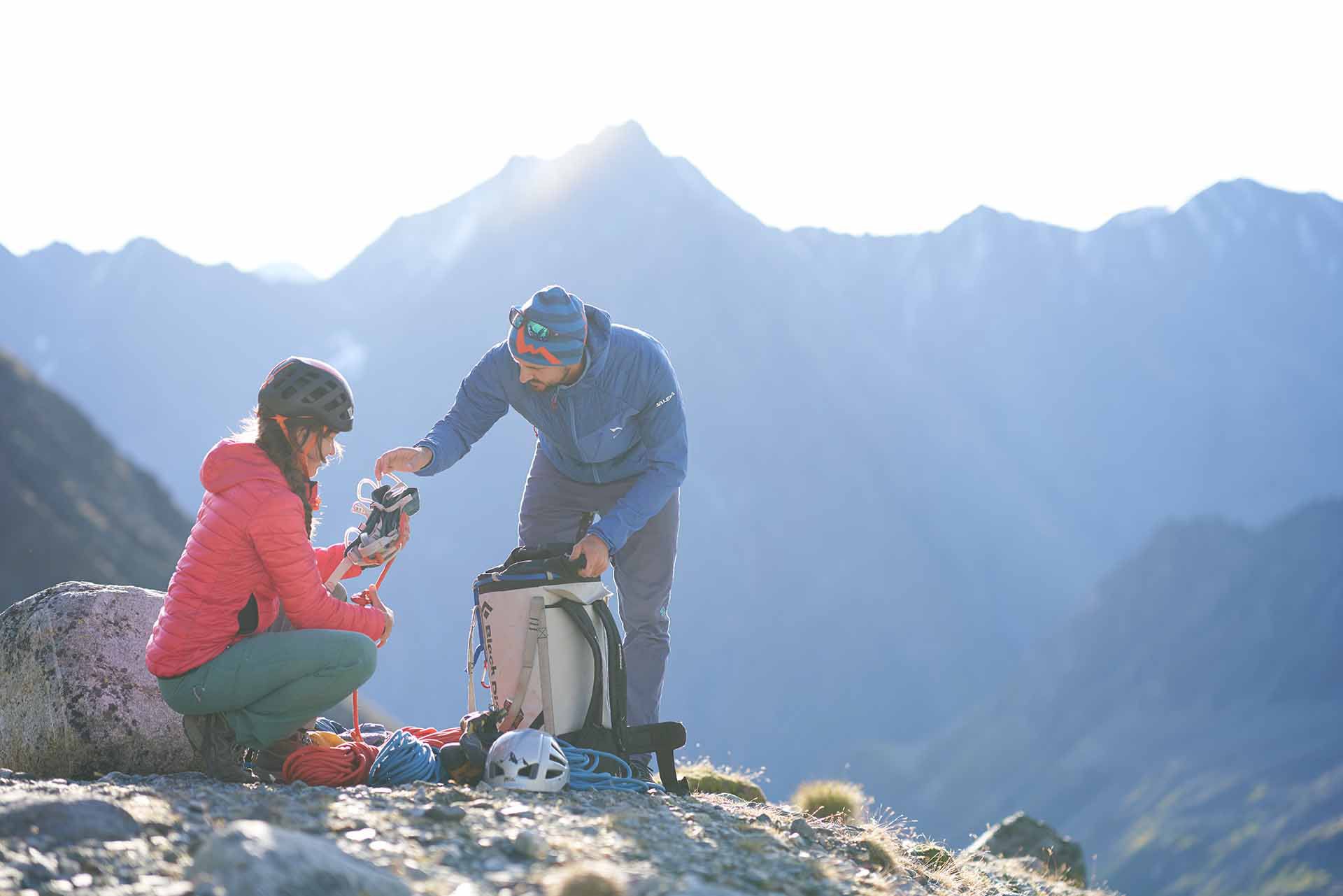
A useful tip: Check that you have all the essential items of kit and that they are in good working order right at the Starting Point. That way, nobody will have to turn back at the start – or take unnecessary risks.
For Via Ferratas close to the valley, you should put on your harness, Via Ferrata/Iron Way set and helmet at the Starting Point. In any case, however, do this in good time and in a place that is safe from falls and rockfalls.
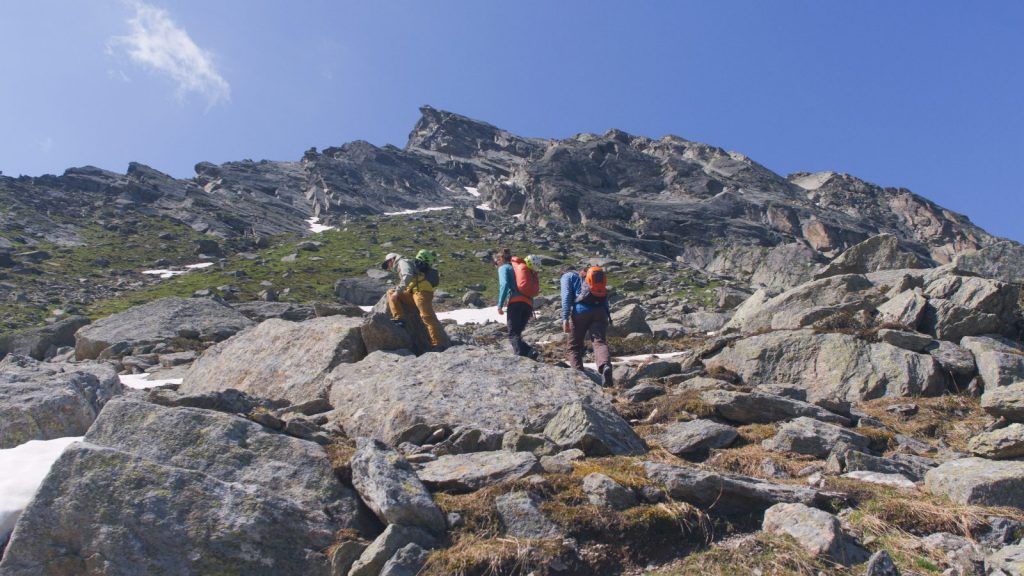
Before we really get started: partner check. Pairs of partners check each other – visually and by hand:
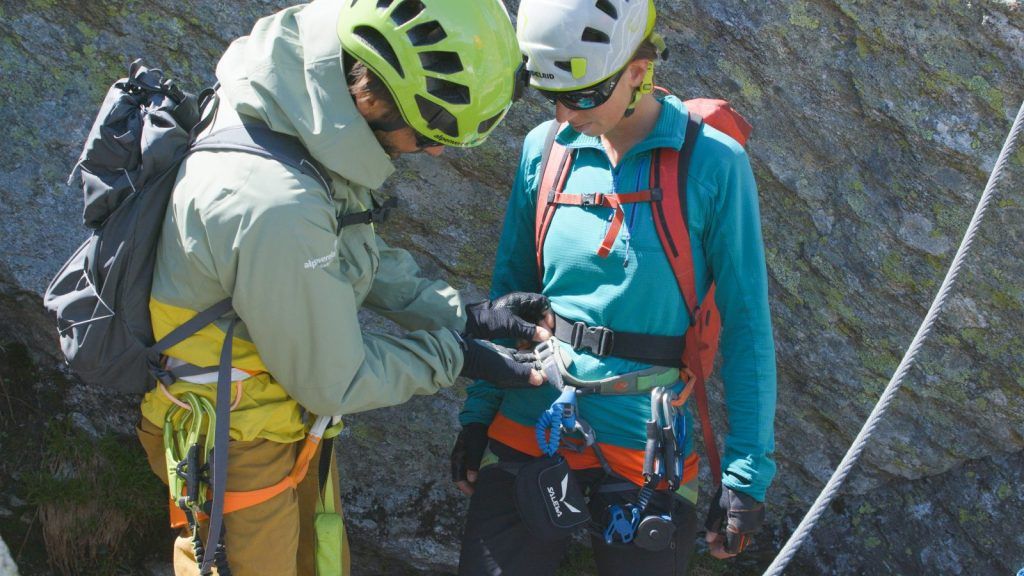
The word ‘Via Ferrata/Iron Way’ encompasses two forms of movement: climbing and ascending. The better these motor skills are developed, the more rhythmic and elegant the sequence of movements – and the more strength you have left. Arm strength, in particular.
The arms are primarily used to prevent you from tipping backwards. They should remain as straight as possible; only when ascending do you briefly bend them, find a stable position and then straighten them again.
The legs are considerably stronger. The technique of ascending is key: place your feet precisely on both artificial and natural footholds, avoid taking steps that are too large, and, after the movement phase, reposition your centre of gravity as vertically as possible above the foothold. This ensures that as much of your body weight as possible is borne by your legs.
Mindful, rhythmic climbing is, incidentally, also the best way to ensure you do not dislodge any rocks.
Two tips for the trickiest part – clipping the carabiners onto an anchor point:
Speaking of resting: breaks are part of the strategy on a Via Ferrata/Iron Way, especially before difficult sections, which should then be climbed as quickly as possible. Sets with a resting sling help with this. This sling is particularly useful on traverses – it ensures the wire rope always remains within reach.
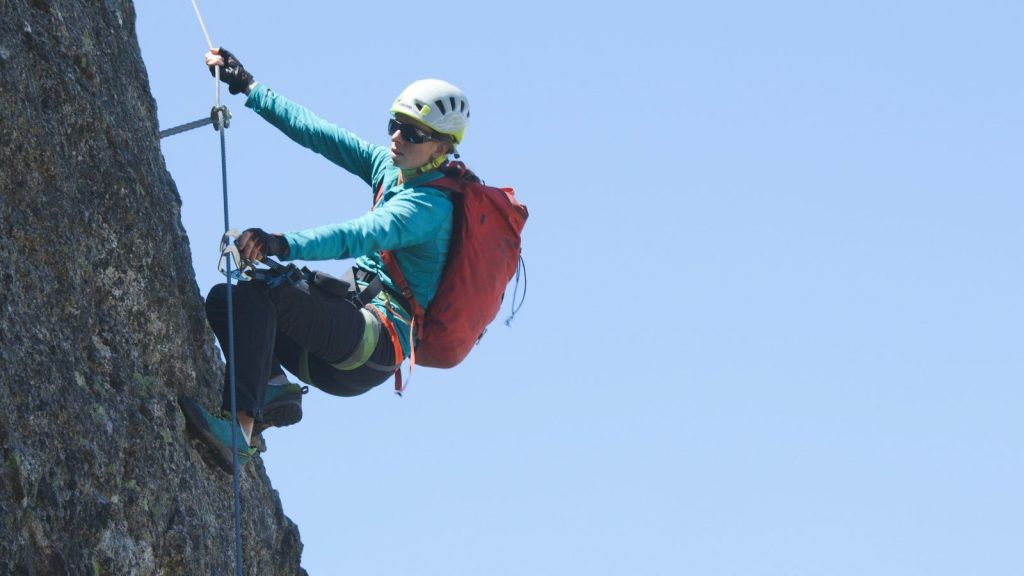
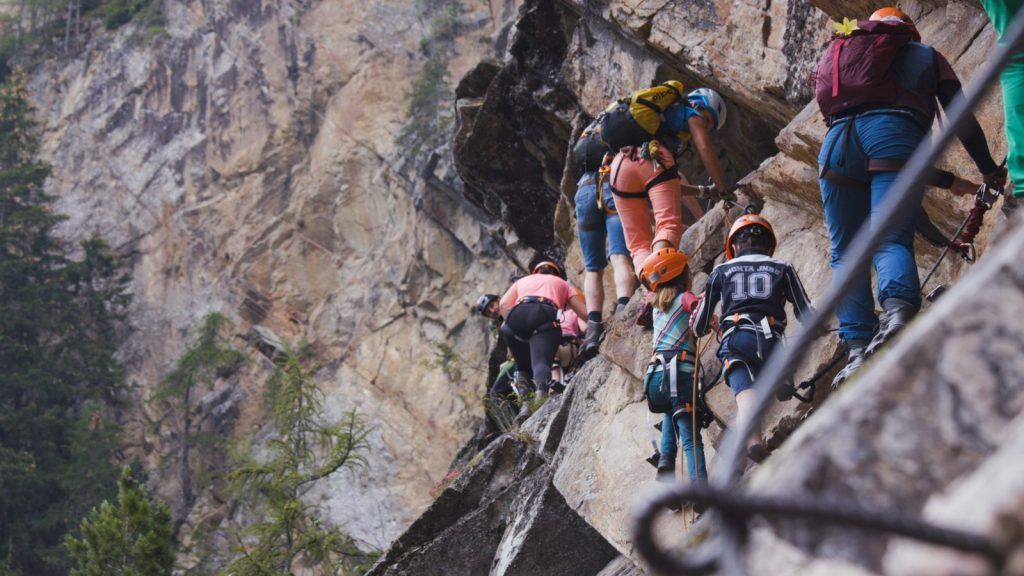
The rule is simple: within a segment – that is, between two anchors – only one person may be on the route at any one time.
What’s more: on steep, difficult sections, the Alpine Club recommends leaving a whole free segment between two people to reliably prevent a collision in the event of a fall.
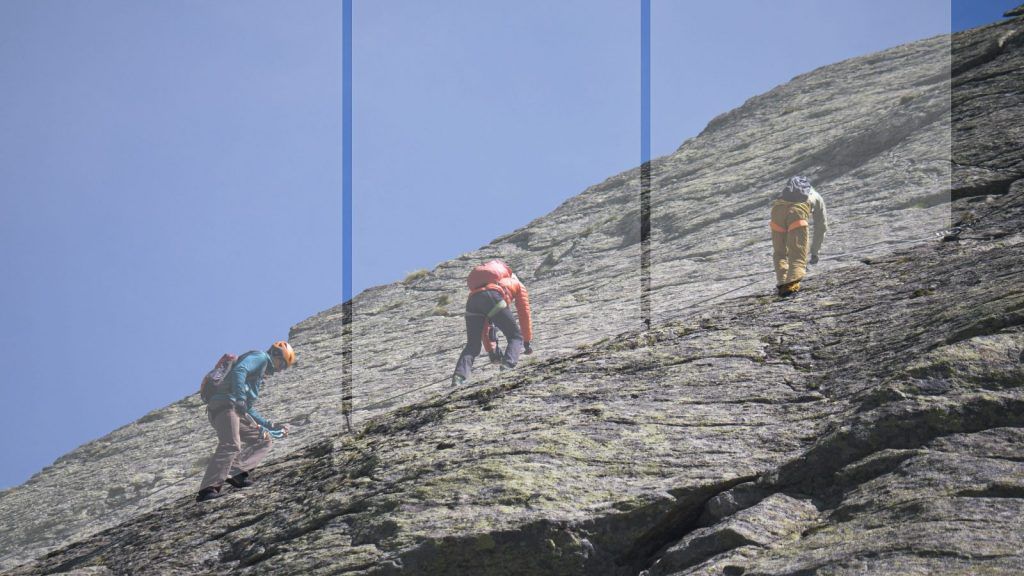
Via Ferrata/Iron Way are all the rage – you’re rarely on your own, which means you’re inevitably faced with the tricky issue of overtaking. Overtaking manoeuvres require clear communication, and you need to choose the right spot: easy sections, flat stretches or traverses. After all, even when overtaking, you must always remain attached to the wire rope.
Excessive crowds can also be a good reason not to set off in the first place.
Everythingyou need to know about Via Ferrata/Iron Way at a glance:Via Ferrata/Iron Way – everything you need to know
Tips & Safety
Would you like to know more about climbing safety? Click here for our safety tips.

