
Via Ferrata/Iron Way Tutorial 03: Planning a Route
A Via Ferrata/Iron Way is also a giant lightning conductor. Five points to bear in mind before setting off.
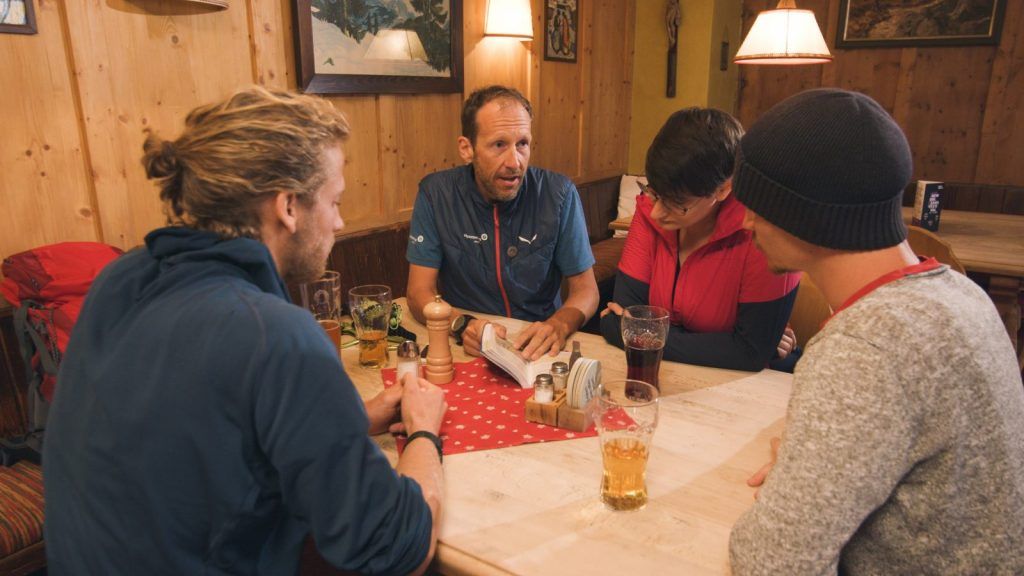

Proper planning for a via ferrata route can be summarised in five points.
Part 3 of the video series ‘SicherAmBerg – Via Ferrata/Iron Way’ by the Austrian Alpine Club and Climbers Paradise.
Text and video: Austrian Alpine Club
Which route suits your ability? It goes without saying that you need to be aware of a Via Ferrata/Iron Way’s difficulty level. However, a more comprehensive assessment requires more information:
Don’t worry: there are good sources of information on all Via Ferrata/Iron Ways in the Eastern Alps – in book form and online. The topography is particularly important here: on a single page, the route, difficulty ratings, rest areas and escape routes are shown schematically.
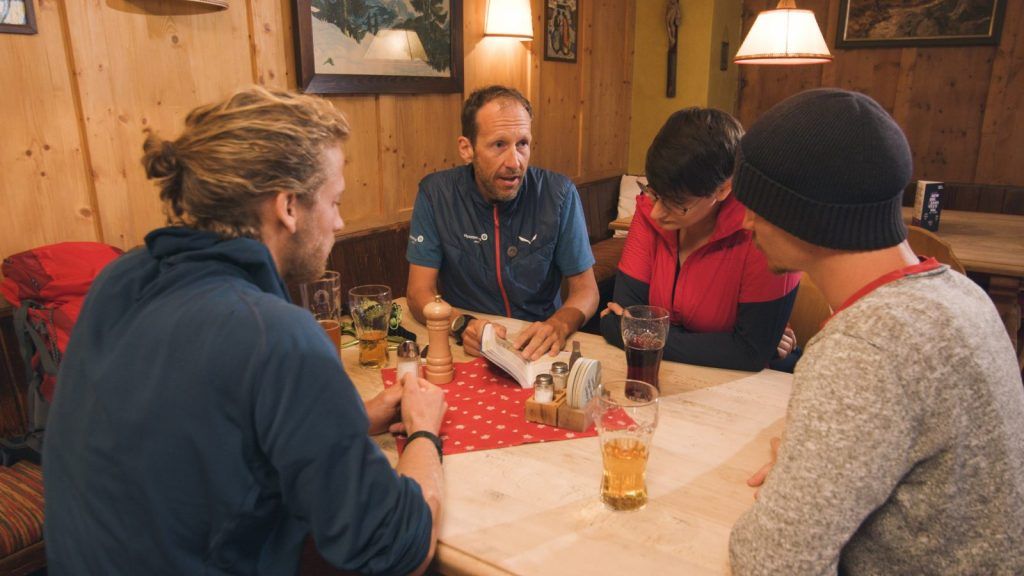
The more alpine the route, the more important it is to check the condition of the Via Ferrata/Iron Way – for example, in early summer:
Reputable sources of information include online hiking portals, tourist information centres and mountain guide offices, as well as the local branches of the Alpine Club.
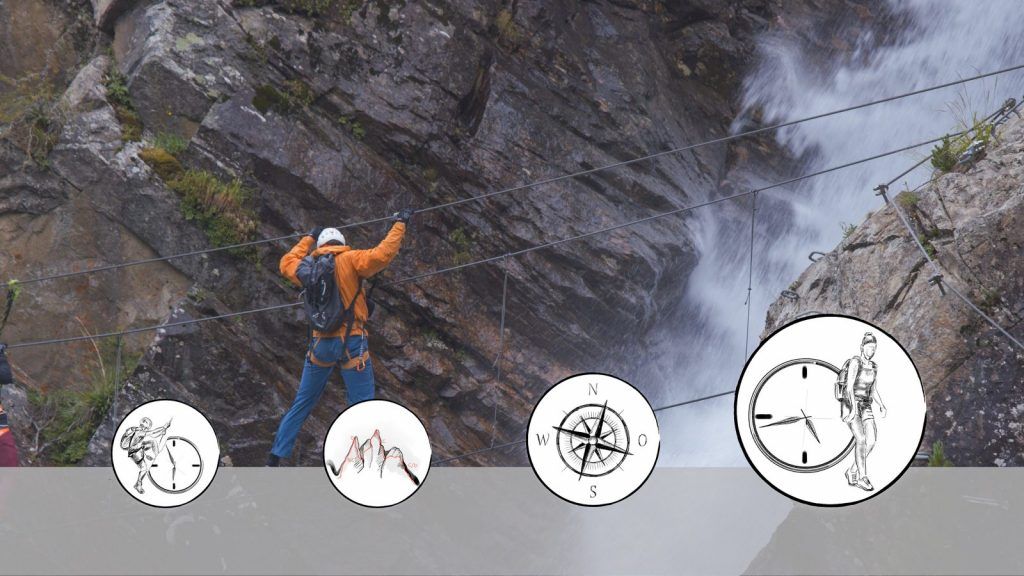
A Via Ferrata/Iron Way is also a giant lightning conductor. This explains why the weather forecast deserves such close attention – particularly the information on the likelihood of thunderstorms. Here, too, the rule applies: the higher up in the Alps you’re heading, the more important temperature and wind strength become.
Via Ferratas/Iron Ways are even more fun in small groups – provided the Finishing Point is chosen so that nobody is overwhelmed, either physically or mentally.
Via Ferrata/Iron Way with children presents a particular challenge. Everything has to be just right: above all, the choice of route and the adult supervisor’s confident handling of any difficulties.
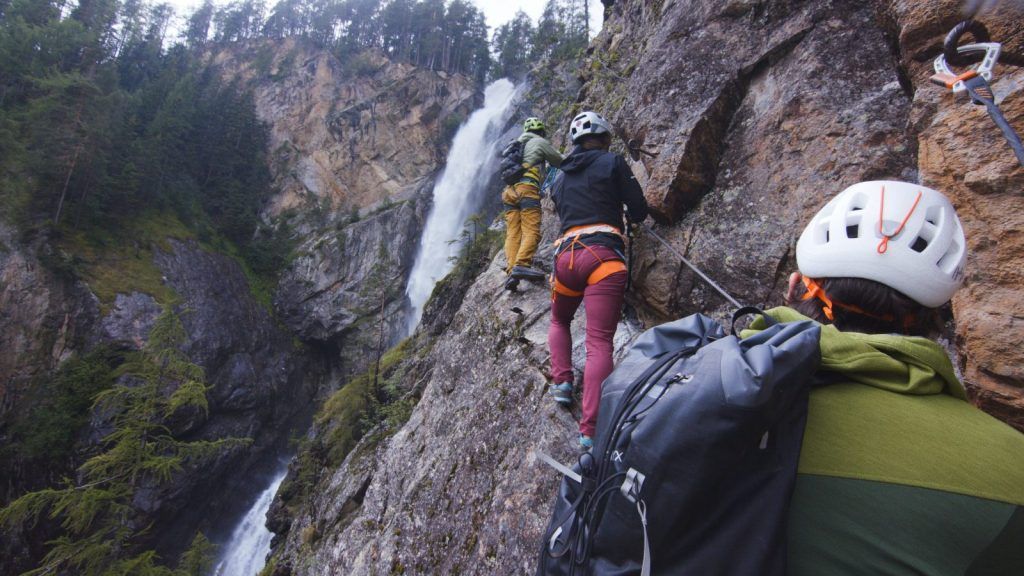
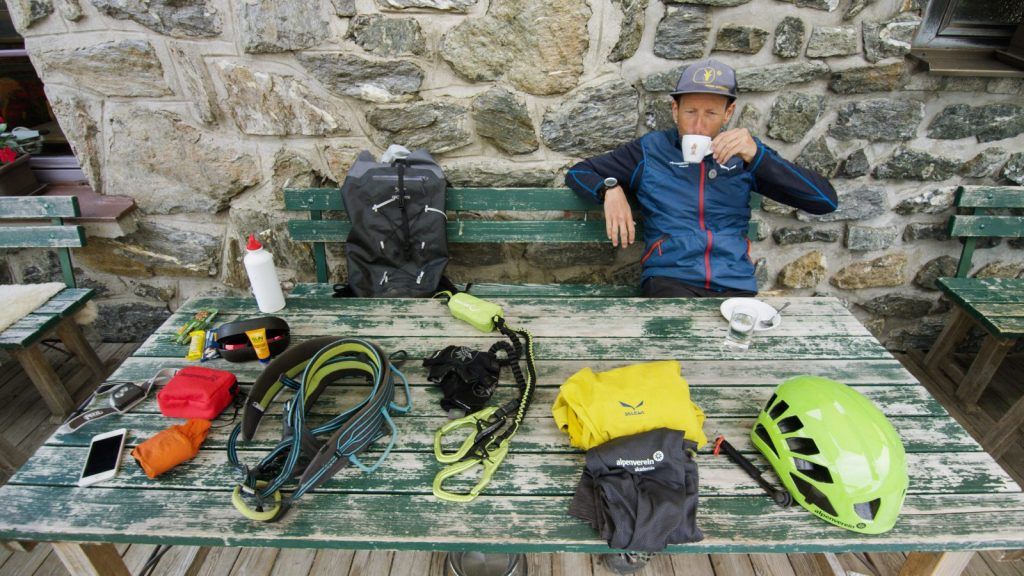
Is the equipment complete and in working order?
Everythingyou need to know about Via Ferrata/Iron Way at a glance:Via Ferrata/Iron Way – everything you need to know
Tips & Safety
Would you like to know more about climbing safety? Click here for our safety tips.

