
Via ferrata: 8 tips for a successful climb
Fun climbing and breathtaking views – you don’t need to be a climbing expert to enjoy them. A bit of know-how is still required, though. Eight basic rules for your next via ferrata.

If you’d like to put these tips into practice straight away, the Imst outdoor region is the perfect place for you: there are four modern Via Ferrata/Iron Way routes to choose from – ranging from a Family Adventure by the waterfall to a challenging climb.
1. Build up your fitness beforehand. Unlike on a Hiking Trail, you can’t simply turn back on a Via Ferrata/Iron Way – there aren’t always emergency exits, and they can be far apart. Anyone venturing onto the rock face needs stamina and strength. How much depends on the Level of Difficulty and the Distance of the route. For easier routes, a solid level of basic endurance – gained from hill walking or jogging, for example – is usually sufficient, along with moderate strength training for the arms and legs.
2. Careful planning. First, check the Level of Difficulty – the scale ranges from A to F. Beginners should ideally start with a route rated A/B. Then consider the route itself: what features does the route have, and what is the distance between the ascent and descent? And last but not least: what to do if you encounter difficulties – are there emergency exits? Anyone who spends a lot of time in the mountains should consider taking out private accident insurance that covers rescue costs.
3. The right equipment. For a via ferrata, you should always take the following with you:
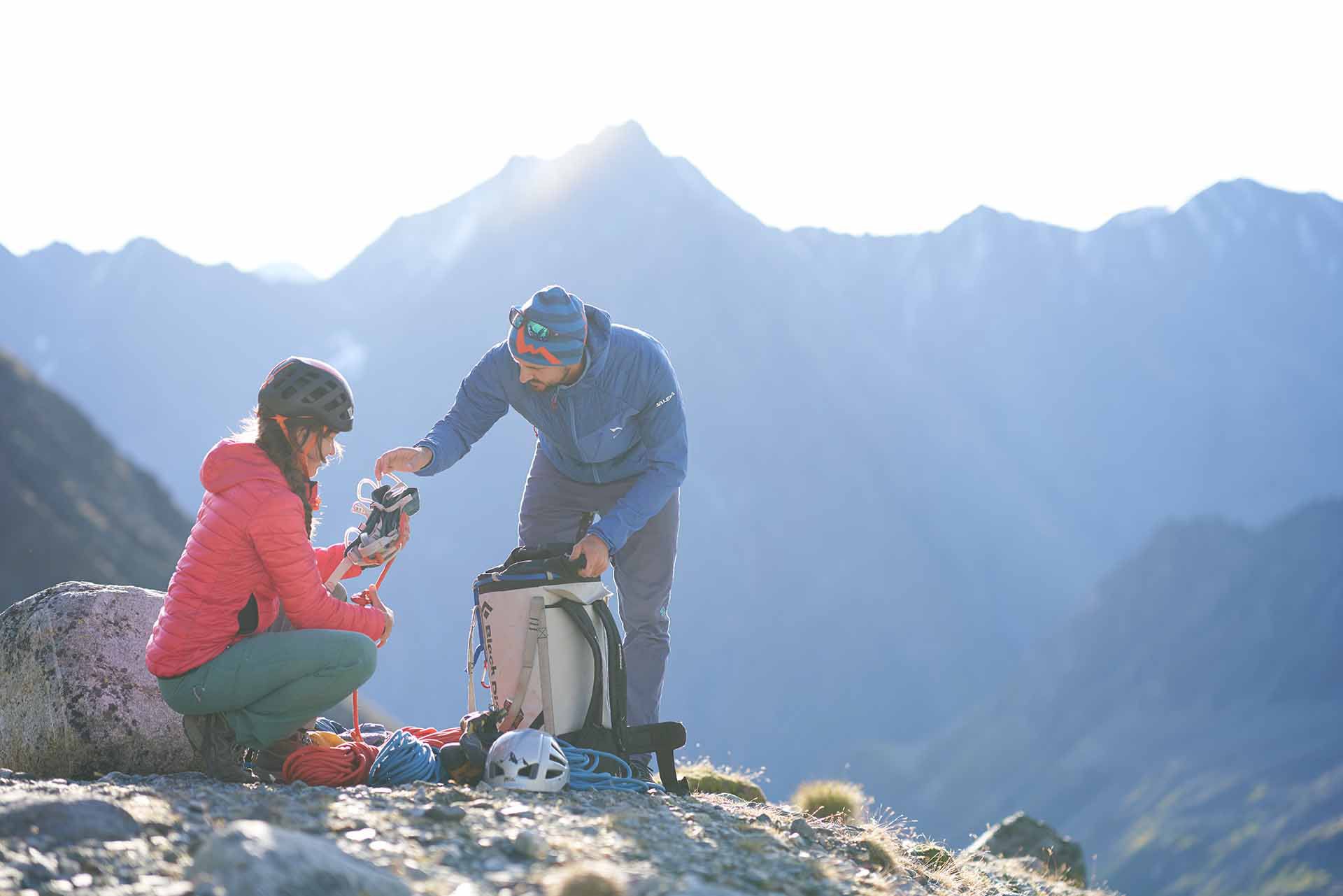
4. Check your partner at the start. Harness on, helmet on, gear clipped in – and off you go? Hold on. Even experienced mountaineers check each other before the climb; after all, anyone can overlook something once in a while.
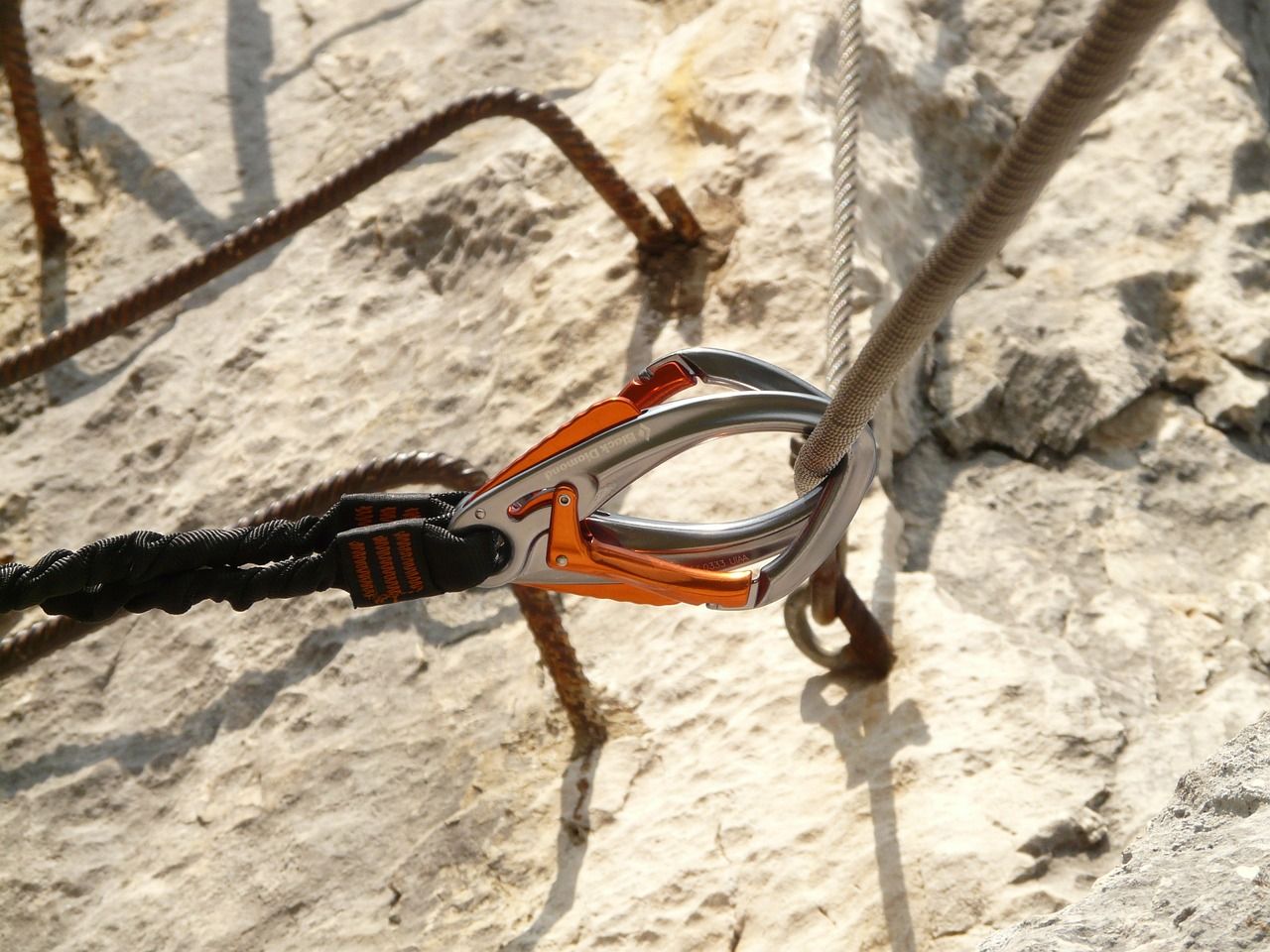
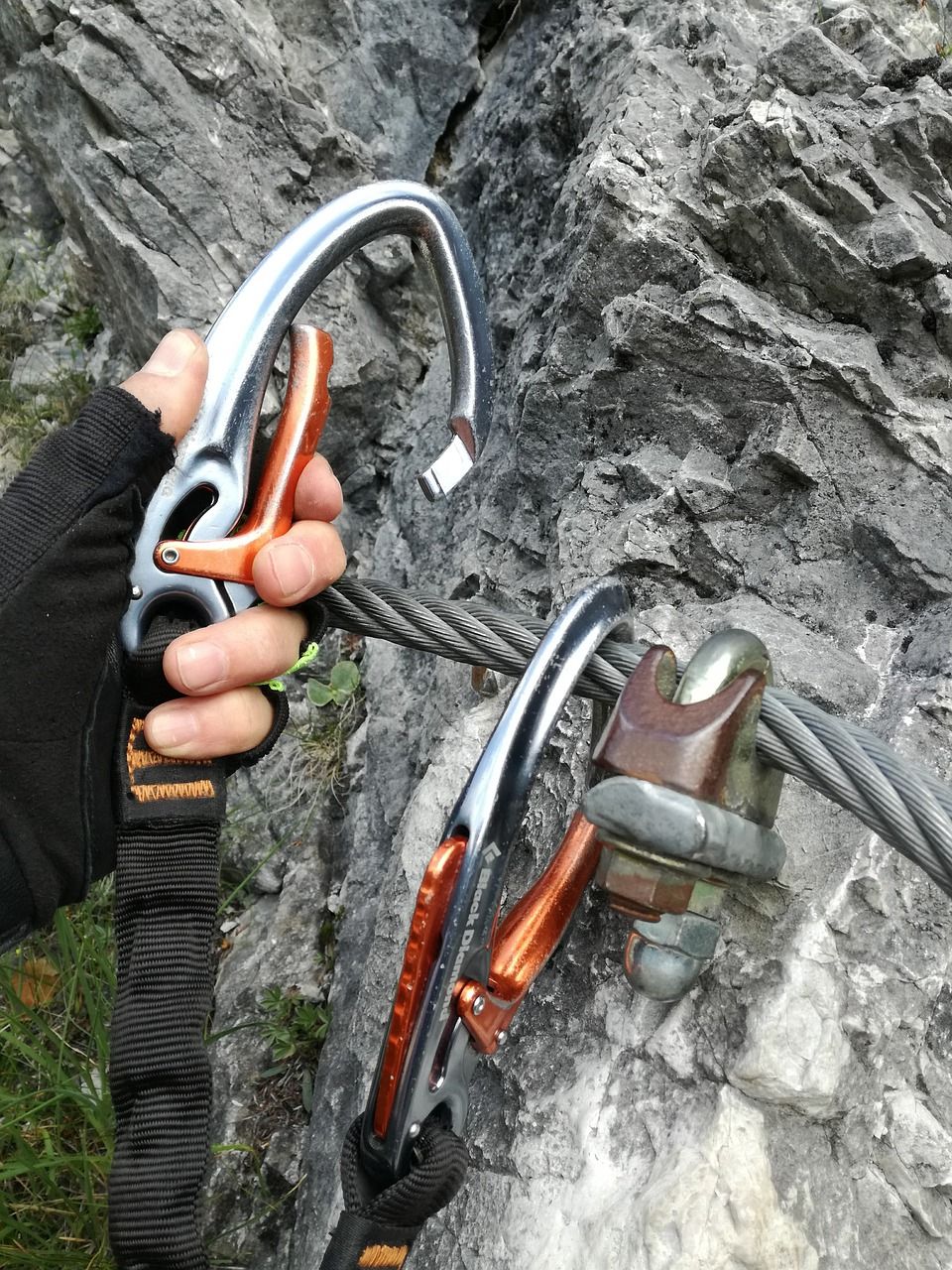
5. Switching belays safely. The most important basic rule on a via ferrata is: always stay belayed. Neither carabiner should ever be unclipped at the same time. When switching to an intermediate belay point, therefore, switch the carabiners one after the other – never at the same time.
6. Keep your distance. On a Via Ferrata/Iron Way, it’s best not to get too close to others: otherwise, a fall could trigger a fatal domino effect. The Alpine Club recommends a distance of at least one intermediate anchor point, and even two on steep sections. If you need to overtake, make this clear and wait for a spot with a clear view.
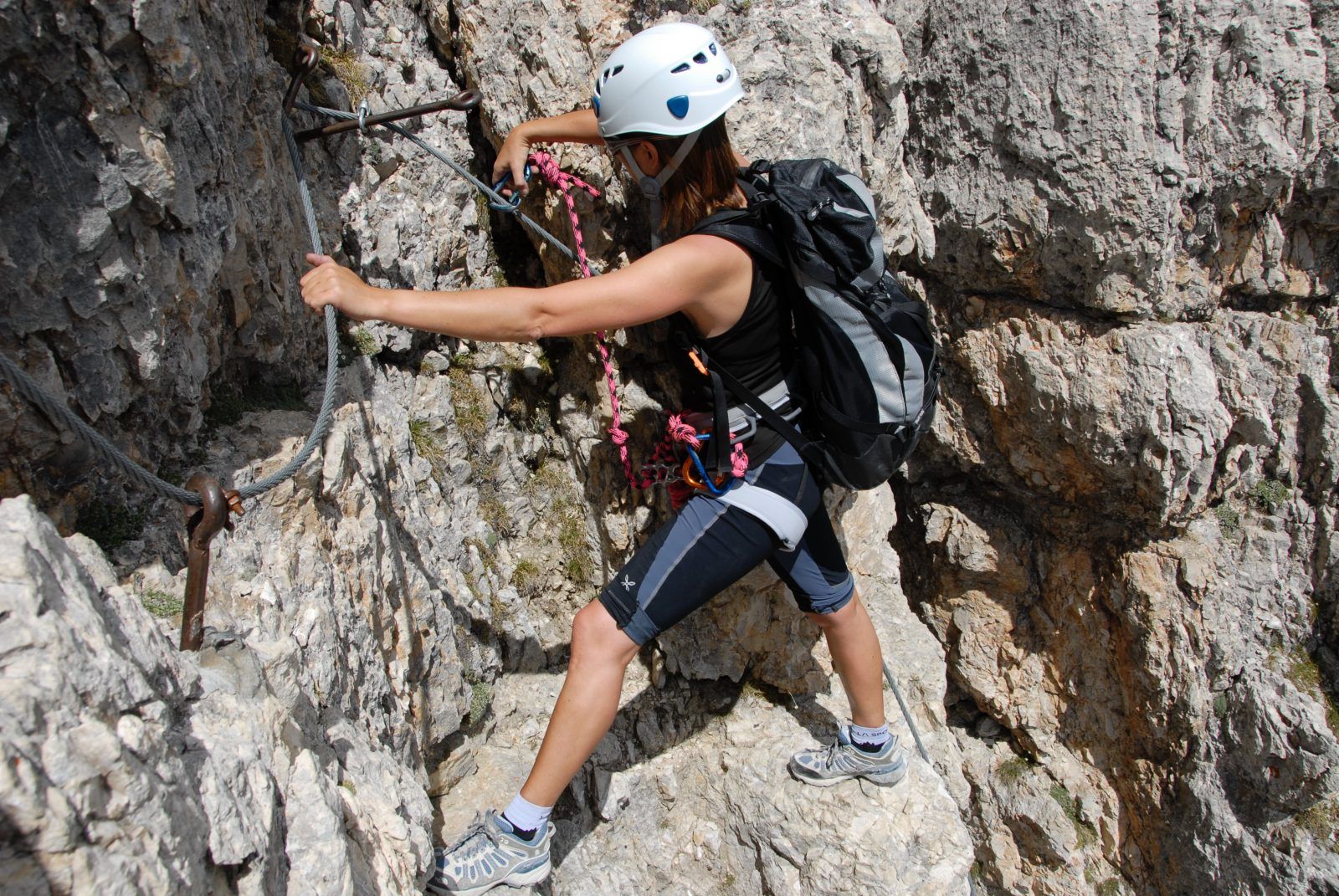
7. Save energy with good technique. Muscles aren’t everything – with the right technique, you can save a fair bit of energy:
A clean footwork technique is also a matter of safety: it reduces the risk of triggering a rockfall.
8. Rest when necessary. ‘Don’t pretend you’re not tired’ is a very bad motto on a Via Ferrata/Iron Way – the risk of an accident increases considerably when you’re overtired. If you notice your strength waning, take a break, particularly before more difficult sections. To do this, clip in using a sling and carabiner or use the rest loop on your via ferrata set.
Via Ferrata/Iron Way routes offer mountain experiences with that extra bit of thrill and freedom. With good basic stamina, suitable equipment and the right technique, it makes for an enjoyable trip.
Tips & Safety
Would you like to find out more about climbing safety? Click here for our safety tips.


