
The Fascination of Ice Climbing: An Interview with Benni Purner
25 years’ experience in Ice Climbing: Tirolean Mountain Guide Benedikt Purner talks about an unusual sport, what matters most and what Beginners should bear in mind.


Benedikt Purner, a 40-year-old Tirolean Mountain Guide instructor, has 25 years’ experience in Ice Climbing. In this interview, he talks about this sport – which many people find unusual – what matters most and what Beginners should bear in mind.
Hi Benni, can you tell us a bit more about your passion for Ice Climbing – what fascinates you about it?
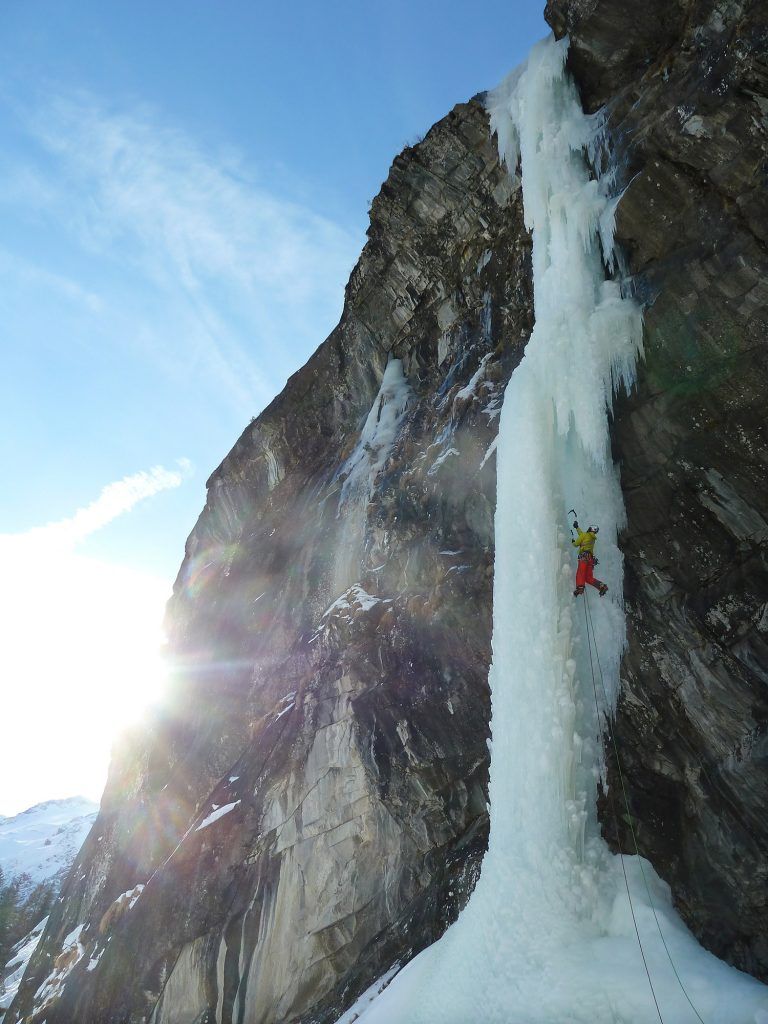
“The fascination of Ice Climbing lies in moving across a constantly changing, ephemeral material. Ice is never the same throughout the winter and never ceases to fascinate me with its bizarre shapes, colours and structures. When Ice Climbing, you have two large, pointed ice axes in your hands, but you have to work with them very delicately – I’ve always really liked this contrast. The correct handling of the tools and making the best use of the natural ice structure still fascinate me to this day.”
Would you recommend that beginners to Ice Climbing who have experience of rock climbing take a course first?
“In my view, a beginner who can move around on ice after a course is not yet an independent Ice Climbing enthusiast. A two- to three-day course is still worthwhile, though, as it teaches you how to use an ice axe and crampons, which you don’t need for rock climbing. There are also ice climbing crags with pre-installed belay stations. However, an ice climber who climbs independently (planning their own routes, placing their own protection) requires years of experience – so independent Ice Climbing isn’t suitable for beginners.”
You train Mountain Guides – do you also lead groups on Ice Climbing trips?
“From time to time, I offer courses in Ice Climbing. Anyone interested is welcome to contact me by email.”
What advice can you give to beginners?
“First, you should practise the relevant movements until they become second nature – only then should you bring the equipment into play. The sharpness of ice axes and crampons is extremely important: without it, up to 80 per cent of your potential can be lost. Well-sharpened equipment saves energy and ensures safety. For me, understanding equipment is a key part of any beginners’ course.”
What equipment do you need – and how much does it cost?
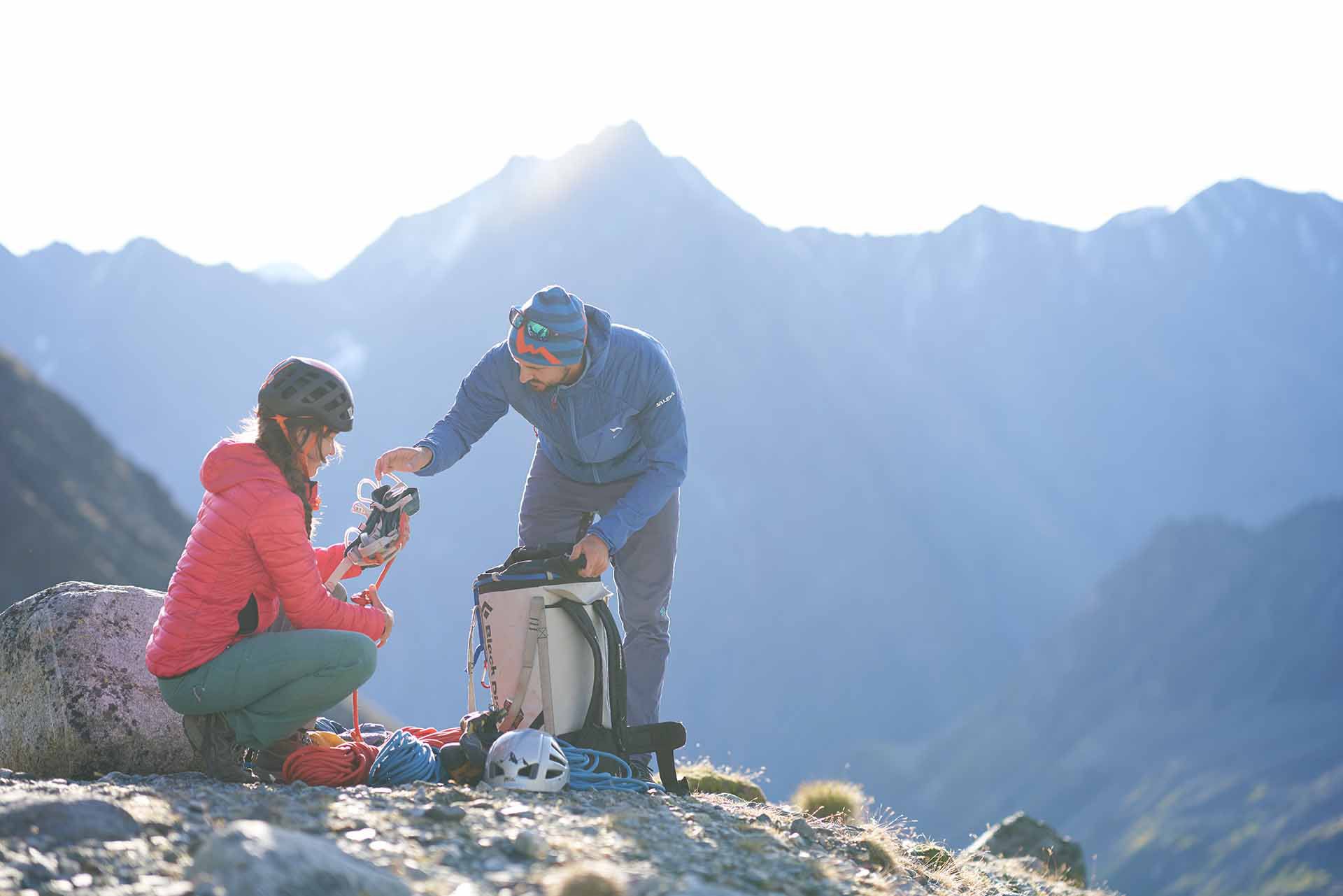
“Getting started is very expensive. An ice axe, a set of crampons, a helmet and a special harness will set you back around 800 euros. On top of that, there are the expensive ice screws (around 60 euros each), of which you should have at least 12. You’ll also need ropes and tools for setting up belays, crampon-compatible mountaineering boots, and robust yet lightweight winter clothing.”
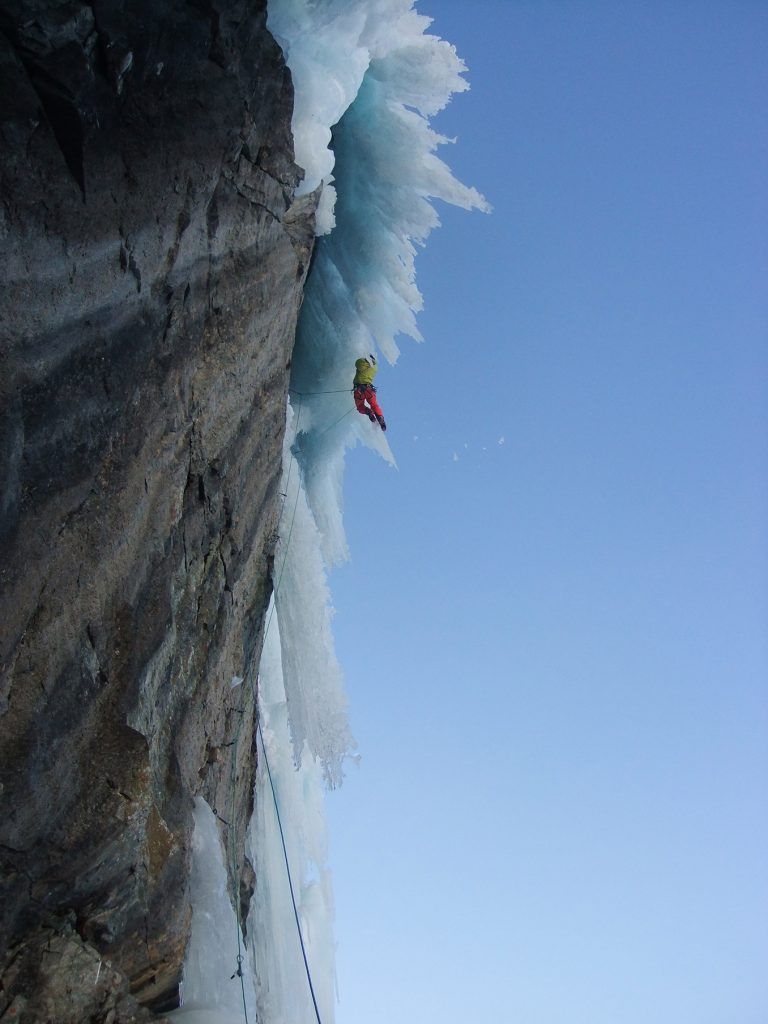
“The dangers of Ice Climbing are many and varied: avalanches, the location of the catchment area and falling ice are all hazards that must be assessed as thoroughly as possible before setting out on a route. Both on the steep approach terrain and during the climb itself, there are hazards and potential sources of error; underestimating these often has serious consequences. Temperature fluctuations are the most fundamental hazard: if stability can no longer be guaranteed at excessively high temperatures, the ice may collapse.
The risk of falling ice also increases when there are too many climbers on the icefall. As the number of climbable spots in winter is limited, there are often too many rope teams out and about – an increased risk.”
Which areas are among your favourites in Tirol – and which ones would you recommend to beginners?
“The Pinnistal (a side valley of the Stubai Valley) offers toboggan runs and lovely ski touring ascents, as well as a wide selection of ice climbing routes – plus a rustic, well-run Alpine Pasture Hut. The Pitztal and Ötztal valleys also offer excellent ice climbing opportunities. For beginners who have already completed a course, I’d recommend Sellrain: the routes there are about 2–3 pitch distances long and can be climbed right up to the first belay point.
The Eispark Osttirol offers an ice-climbing park in the great outdoors, where rocks are artificially watered via diverted streams – a top location for all skill levels, with no long access. And ice festivals are a great opportunity for both Beginners and advanced climbers to try out equipment for free and get a taste of the sport.”
Thank you for the information, and we wish you a winter full of ice!
Tips & Safety
Would you like to know more about climbing safety? Click here for our safety tips.
