3 Climbing Spots: The Best of Kufsteinerland

For ambitious climbers, Kufstein is an excellent base. The Wilder Kaiser is just a stone’s throw away – and right on the outskirts of town, the Geisterschmiedwand rises up like a natural city wall: one of Tirol’s most historic Rock Climbing Areas.
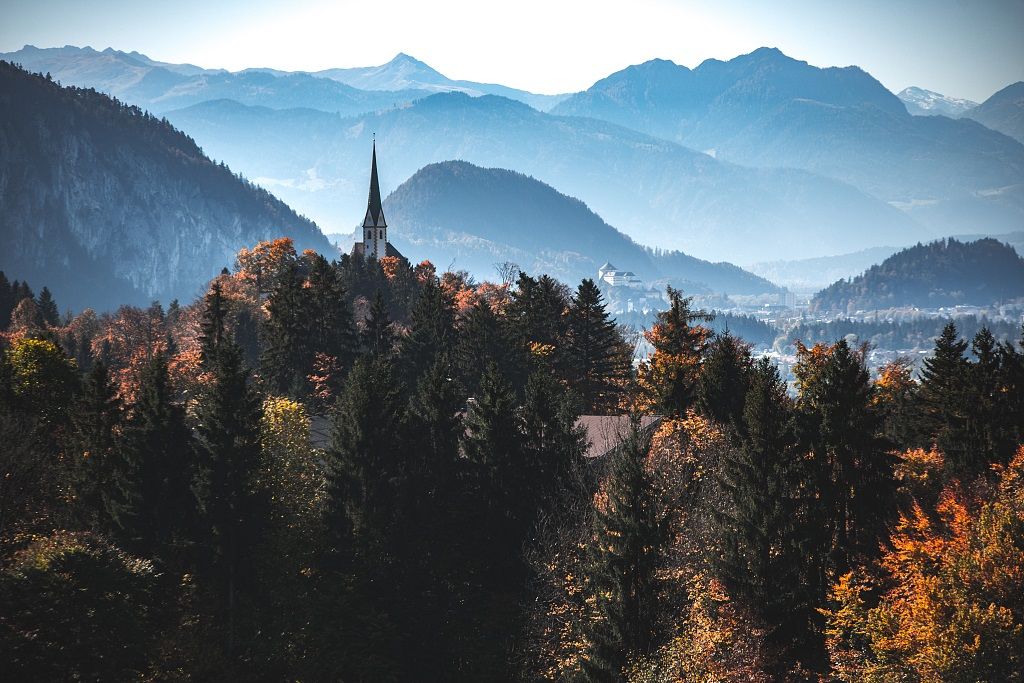
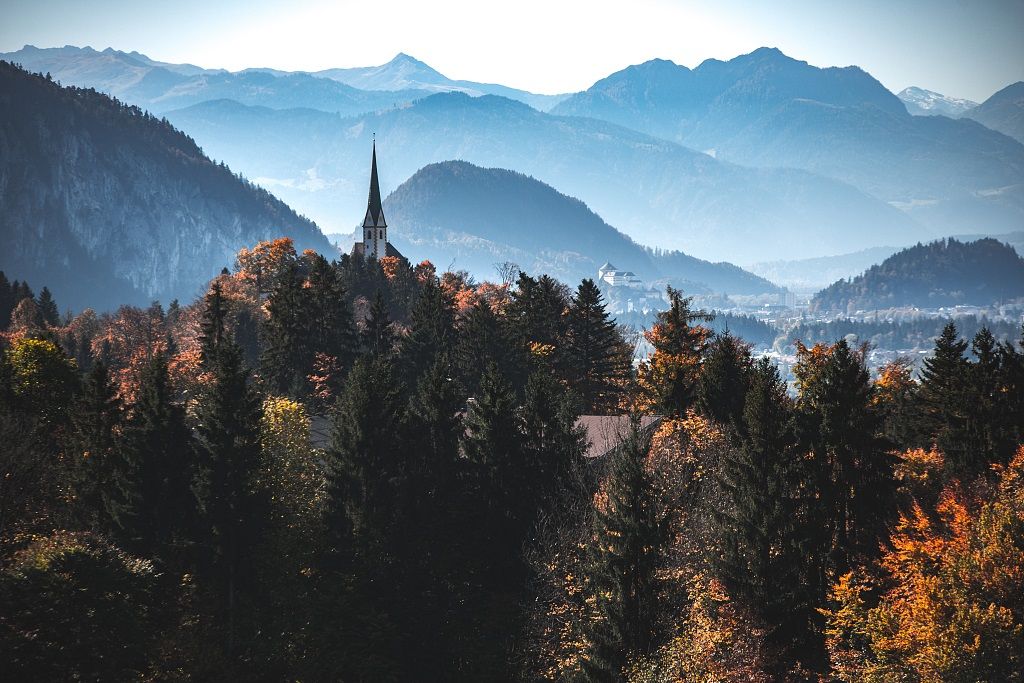
Bewaldete Felswände im Kufsteinerland aus der Distanz

Local recreation in the very best sense of the word

The wall can still be reached easily from Kufstein after work, either on foot or by bike. And despite its proximity to the city, it has one unbeatable advantage: peace and quiet.

Or at least almost – because the idyllic Kaiserbach babbles past here, and the Geisterschmiedwand is situated within the Kaisertal nature reserve. Anyone who clips into the belay point high above the rooftops of Kufstein in the last rays of the sun will know why the term ‘local recreation’ was coined. But there are also other worthwhile destinations in the area surrounding the town – here we present the best sport climbing areas in theKufsteinerland region.

Text: Simon Schöpf

Wooded Rock Faces in the Kufsteinerland seen from a distance

1. Ghost Blacksmith’s Wall

You could certainly put it that way: the Geisterschmiedwand was one of the early top spots in Tirol – if not the top spot in the world of sport climbing at the time. Boundaries have been pushed here since the 1980s. ‘Wagnis Orange’ is found here, one of the world’s first 8c routes.

In 1996, multiple national climbing champion Stefan Fürst managed to top-rope the extension of this route after a good 60 days of working on the project: the route “Qui” (9a+) is still considered one of the most demanding in the world today. A full 23 years after the first ascent, Adam Ondra managed the second repeat; in 2020, Roland Hemetzberger also clipped the top bolt.

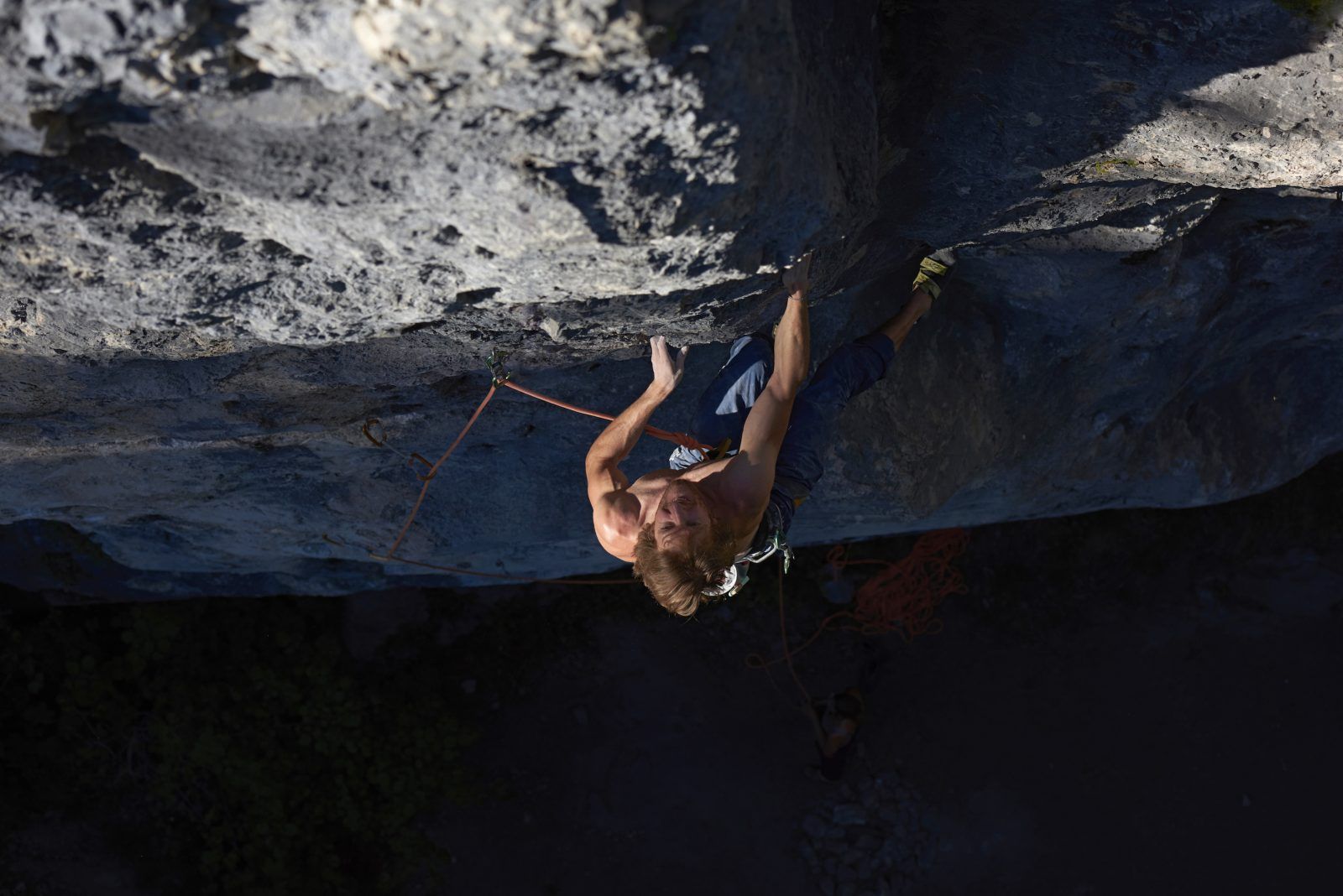
Markus Bendler climbing the ‘Wagnis’ route on the Geisterschmiedwand

Crimp power – and the second home climbing wall

There are a good 60 routes, mostly of a higher difficulty, to be found on the limestone wall of the Geisterschmiedwand, which features small holds. Strength on the crimps and good footwork are essential here.

Nearby – just behind the gravel pit – lies the Kufsteiner’s second ‘home crag’: Sparchen. Here, too, most routes are in the higher difficulty grades, and there are great stories behind the names: ‘Tequila’ was Tirol’s first 8a route.

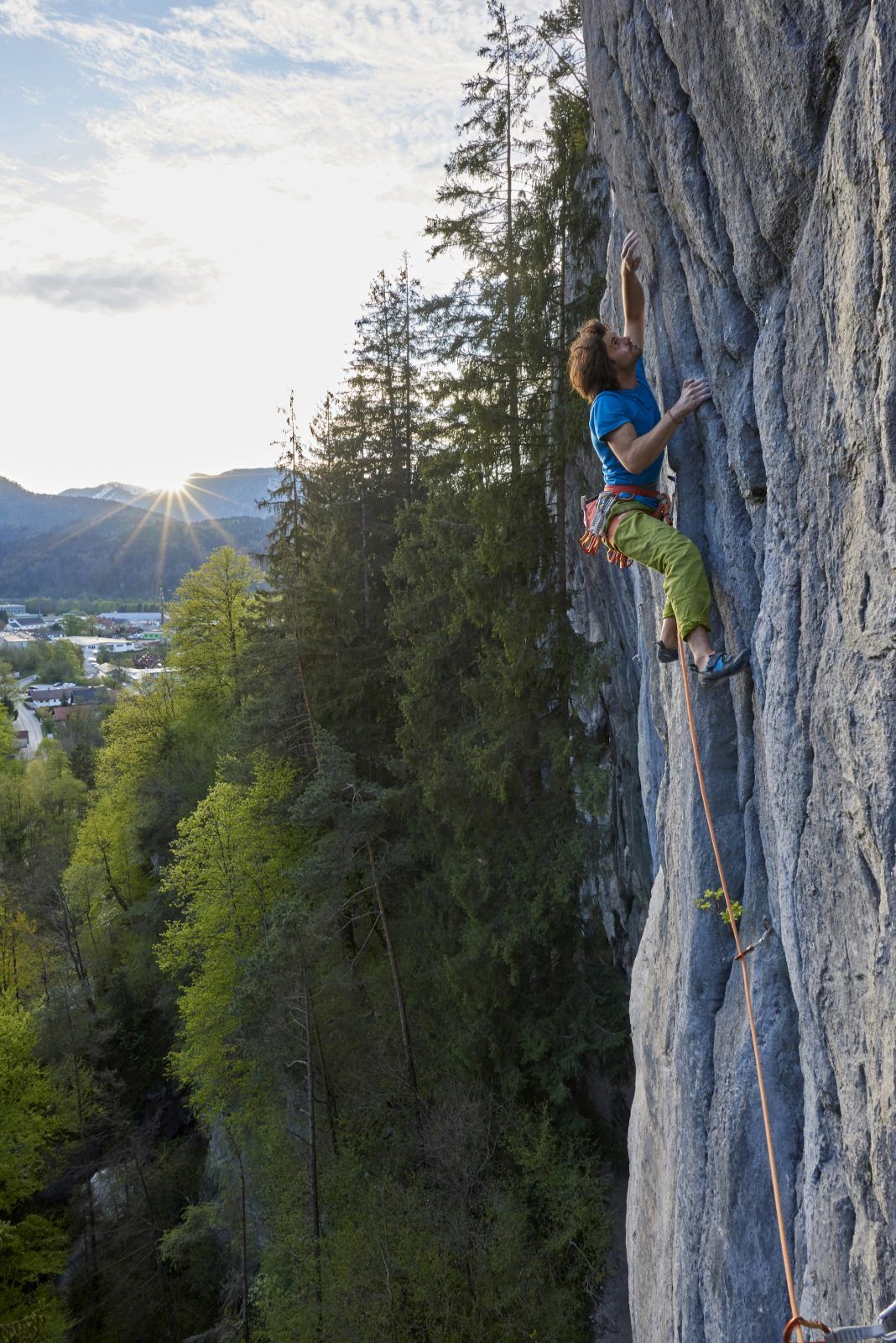
Alex Rieser climbing in the evening light on the upper section of the Geisterschmiedwand

2. Morsbach

In Morsbach, too, climbers follow in the footsteps of history: according to tradition, Franz Ploner was already climbing his traverses here back in the 1920s – as practice for the big walls ‘over there’ in the Kaiser. In the 1960s, the area became a training ground for the Austrian Armed Forces, before Gerhard Hörhager opened the ‘Guana’ route in the early 1990s: graded 10+, it was probably one of the most difficult routes in the world at the time.

Morsbach is one of Tirol’s earliest Rock Climbing Areas – so the easier routes have been well-climbed. But don’t let that put you off: the little spot with benches and tables next to the Rock Face is very cosy, and you’ll find just about everything here, from beginner’s routes to test pieces. Rarely do two extremes meet so directly. Ideal for the warmer months – a bonus in summer: the nearby Pfrillsee beckons with the promise of refreshment.

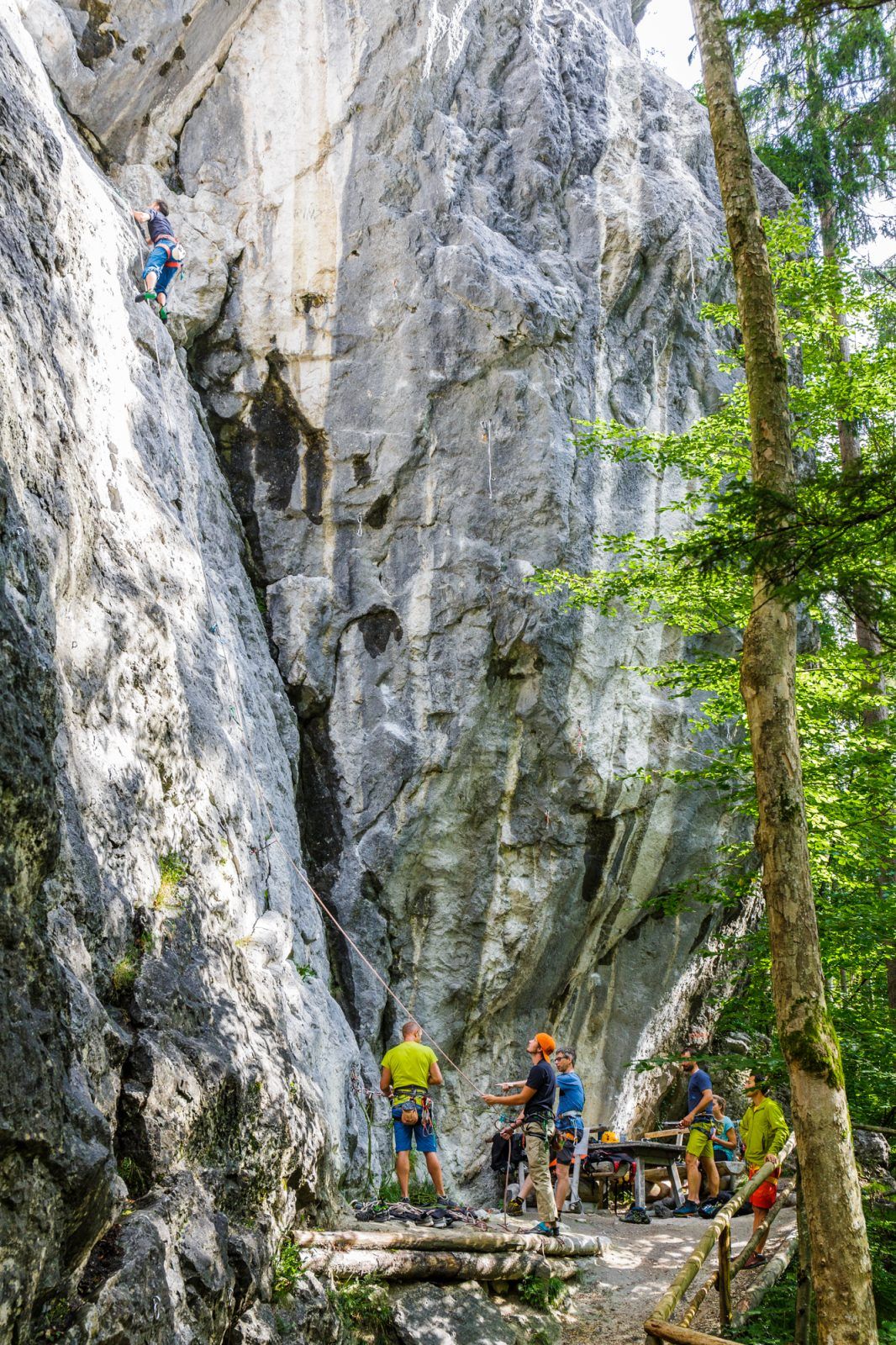
Climbers at the Morsbach Crag near Kufstein

3. Sebi’s Rock Climbing Area

And here’s a contrast to the Geisterschmiedwand and Sparchen: the Kufsteinerland can also be cosy. The Sebi family climbing area is the best example of this – most routes are at Level of Difficulty 5, with some even easier.

Sebi is an old quarry that has been drilled out for climbing. The short access is also ideal for most children; in return, you have to put up with a bit of road noise.

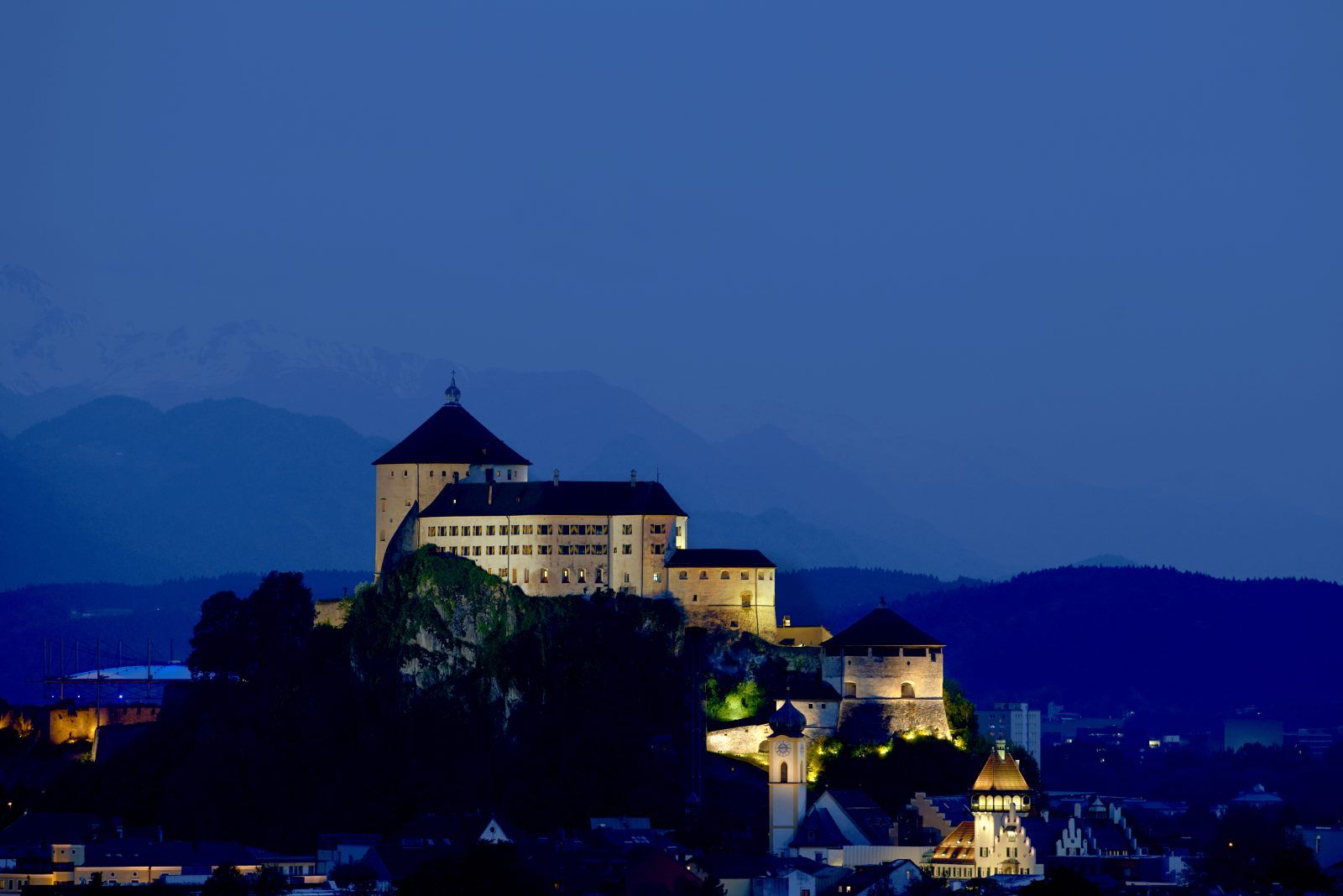
View of Kufstein at night

The Rock Climbing Areas featured in this article

You might also be interested in these articles