The Drago range is renowned for its soft construction, high sensitivity and precise fit – designed especially for bouldering and competition climbing. Three models, three distinct styles.
1. SCARPA Drago – a soft, highly responsive shoe with a simple Velcro fastening, ideal for toe and heel hooking, as well as slab and friction climbing. PCB system for improved power transfer.
2. SCARPA Drago LV (Low Volume) – a narrower version for climbers with slender feet. The PAF system reduces pressure on the Achilles tendon, whilst offering the same performance as the Drago.
3. SCARPA Drago XT – redesigned heel construction for greater precision, double Velcro fastening for a more personalised fit, stiffer construction for greater support on small holds and increased durability.
The first thing that catches the eye on the new Drago XT is the double Velcro fastening – it allows for a much more precise fit. Equally striking is the textured heel, which promises excellent heel-hook performance and is made from a single piece with no seams.
In a direct comparison of the three models, the Drago XT has the narrowest heel. The downturn remains unchanged from the Classic Drago, whilst the asymmetry has been slightly reduced.
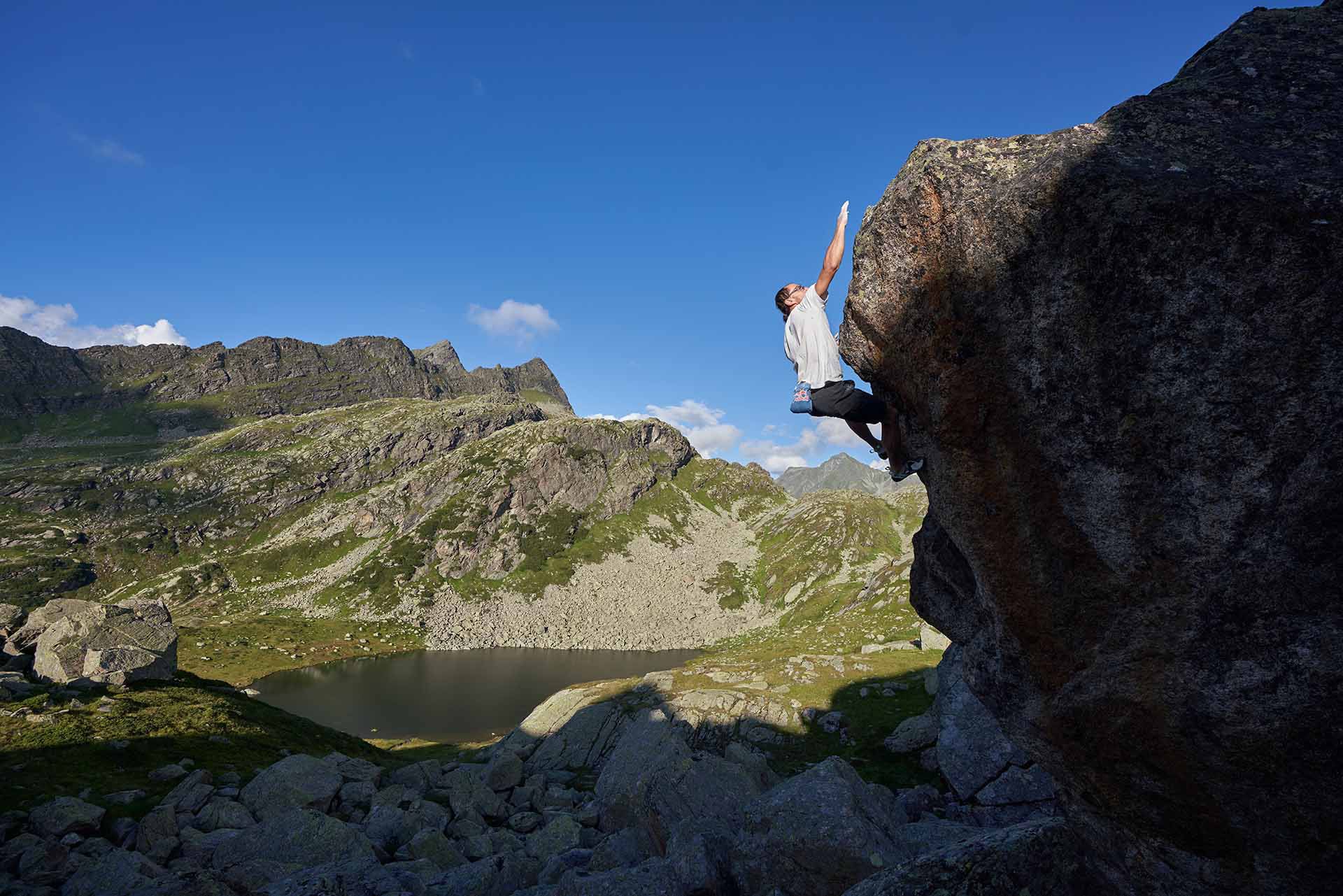
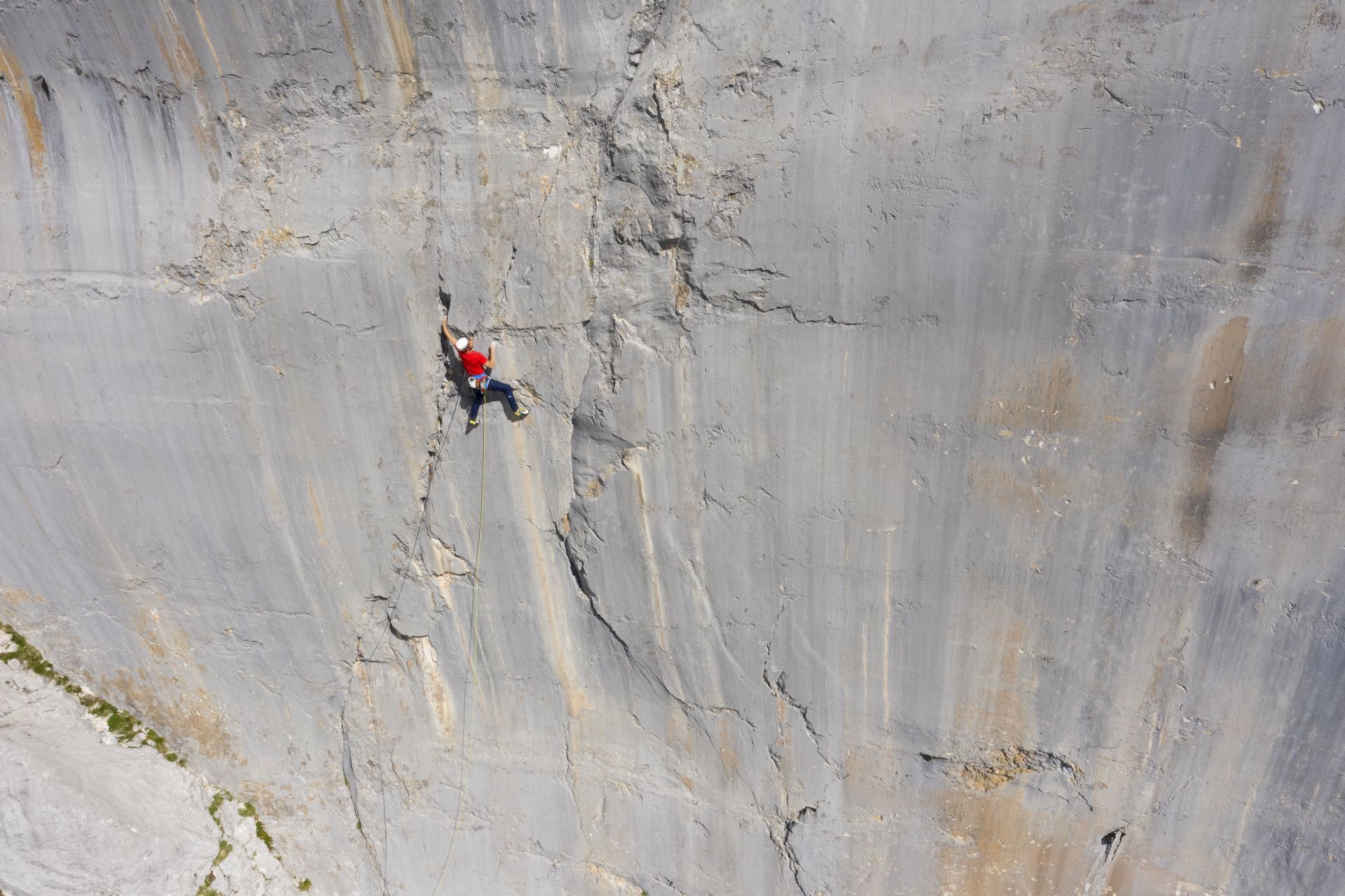
SCARPA promises greater stiffness and better support on small footholds – something confirmed after repeated testing, particularly on rock. Thanks to the harder rubber, the foot feels more stable on the edge and offers better grip than the softer predecessors. You notice the opposite effect when bouldering indoors, particularly on jugs and friction climbs – it takes a few attempts to get used to the slightly stiffer construction.
Fit: Lara Novak wore the Drago XT in size 39 (with the Drago LV, she usually wears between 38.5 and 39). The fit was slightly too big for her narrow foot, but she was able to lace it tight enough using the two Velcro fastenings.
All in all, this addition to SCARPA’s Drago Family is a great success. The Drago XT is ideal for anyone looking for a good balance of sensitivity and stiffness, combined with maximum customisation options. It really comes into its own when climbing outdoors and doing Bouldering on slightly steep terrain.
Test & photos: Lara Novak
Tips & Safety
Would you like to know more about climbing safety? Click here for our safety tips.