Female mountain guides: Full steam ahead with girl power!

For a long time, mountain guiding was considered a male-dominated profession. Of the 1,523 Austrian Mountain Guides, just 35 are women. The good news is that their numbers are growing. Sofia Muigg and Susi Süßmeier are among the six women currently undergoing training.
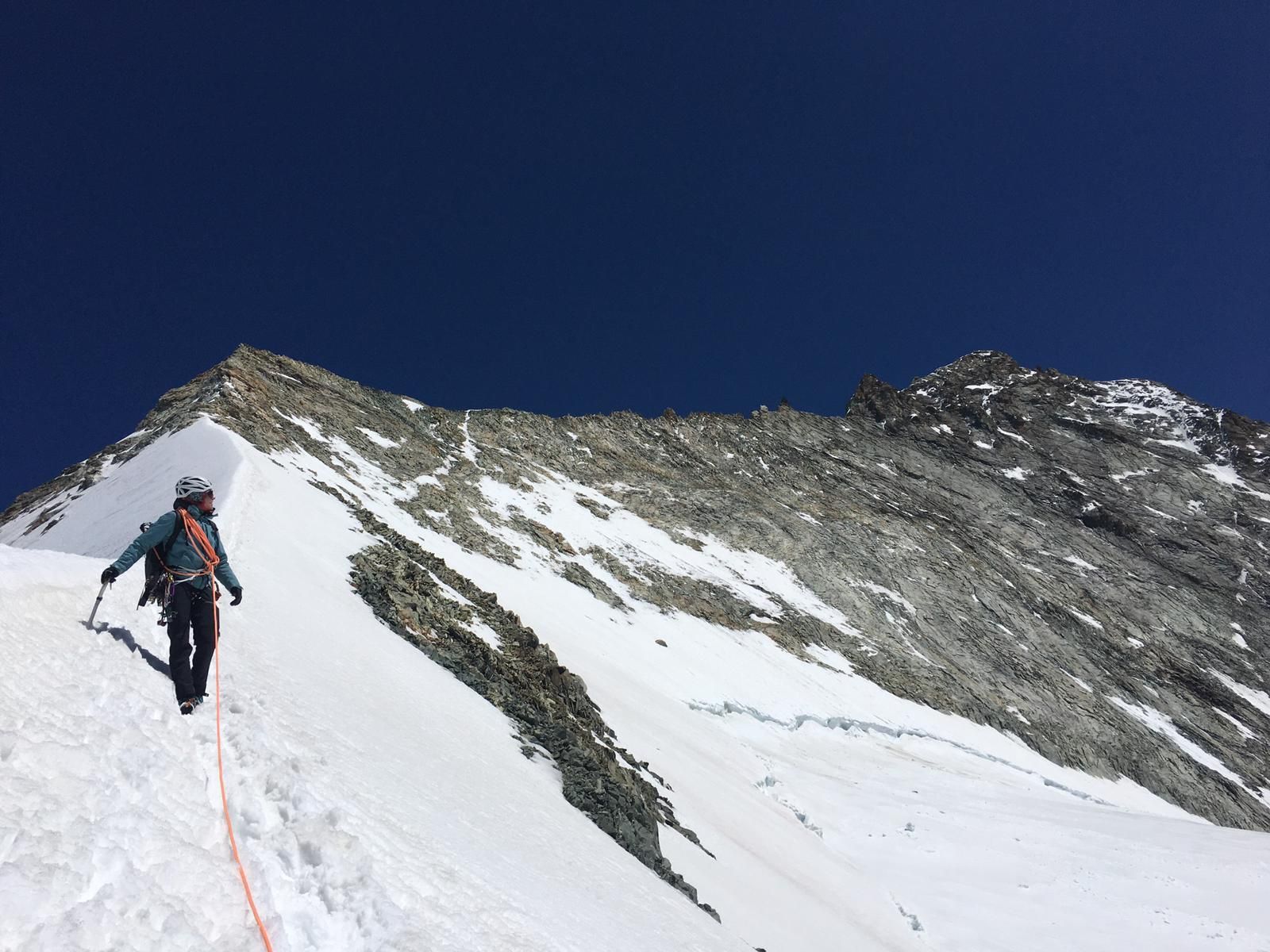
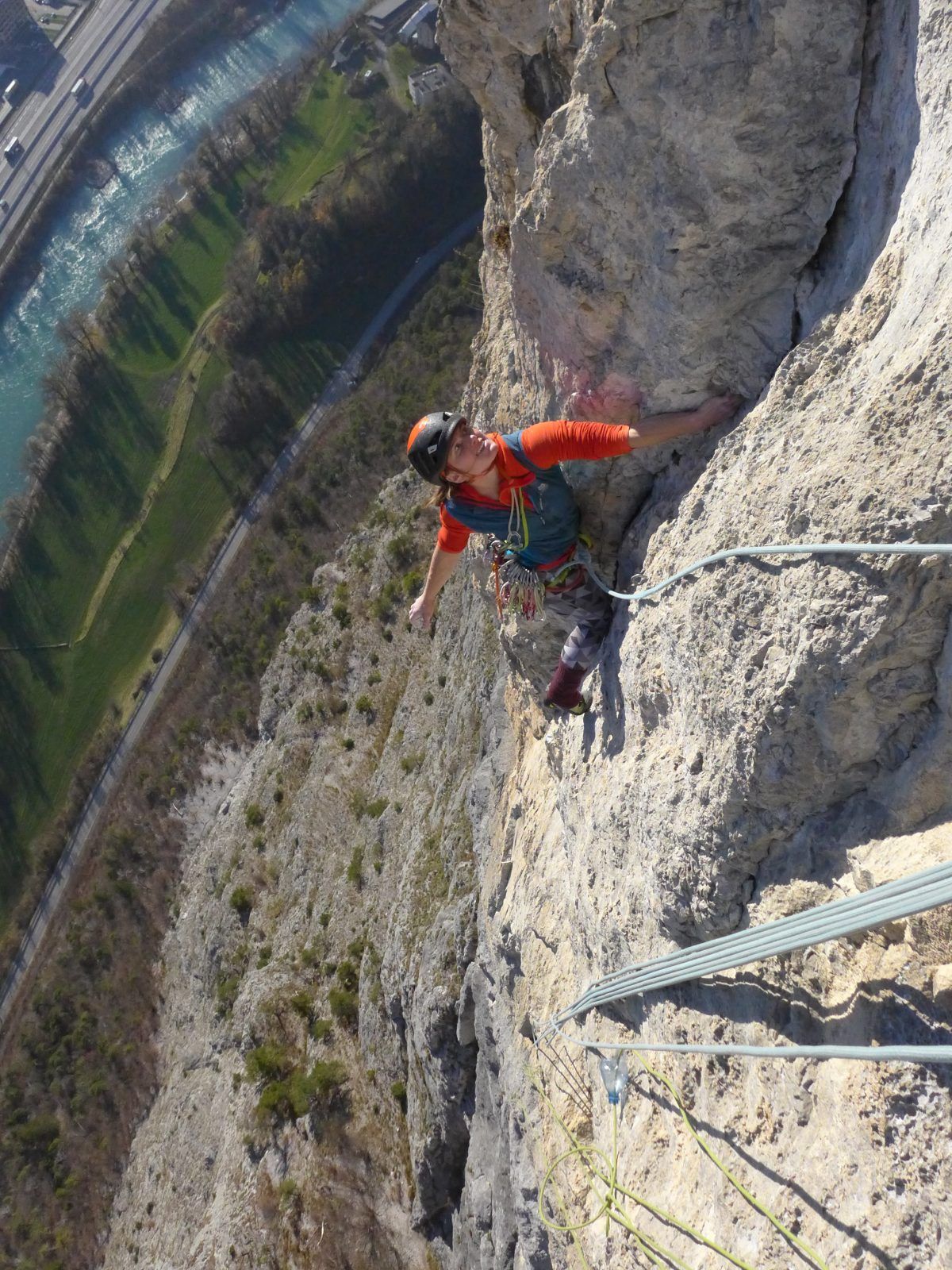
Sofia Muigg beim Alpinklettern

Mountain sports were long considered a male domain

Mountain sports have always been regarded as a predominantly male domain. Whilst there was little room for women to make a mark in the past, much has changed in favour of female participants.

Women are climbing eight-thousanders and making first ascents in alpine regions – not to mention the outstanding achievements by women in sport climbing. Women today are braver, more positive and, above all, more emancipated than ever before. Nevertheless, there are areas in which women remain under-represented. This applies to specific disciplines such as Ice Climbing or alpine climbing – but also to various fields of work.

Text: Martina Scheichl

Sofia Muigg on an alpine climb

Low proportion of women in the Austrian Mountain Guides Association

  • 1.523 Mountain Guides
  • of whom 35 are women – representing 2.3 per cent
  • 6 women are currently in training; excluding them, the proportion drops to 1.9 per cent

All figures: as at 2021. The good news is that there are more women on the training course than ever before. This trend clearly shows that women are increasingly confident in their ability to take up this very male-dominated profession.

But why is the little word ‘dare’ used here? Ultimately, there are many factors that make a career as a mountain guide seem difficult and unattractive to women. First and foremost, it is probably the long-standing stereotypes associated with both the profession and the traditional understanding of the roles of women and men. This goes hand in hand with women facing greater difficulties in gaining access to certain aspects of the training programme.

Nevertheless, many women across the Alpine region have now defied the difficult entry requirements and fulfilled their dream of working in the mountains. They are all helping to narrow the gender gap in mountain sports – including Sofia and Susi.

Sofia Muigg: “I envisage a form of therapeutic Mountain Guide work”

Why do you want to become a mountain guide?

There isn’t just one reason. I previously trained as a nurse and worked in that role before going on to complete a Bachelor’s degree in Health and Competitive Sport, training as a training therapist, and completing courses in sport climbing. I see the Mountain Guide training as an opportunity to bring more variety to the work I’ve done so far. I envisage my approach to mountain guiding as a kind of guiding with a therapeutic and exercise science slant.

Have you always wanted to become a mountain guide?

Not at all! As a child, I had absolutely no access to these sports. Basically, it was pure coincidence that I took up sport climbing whilst at university and discovered the alpine disciplines.

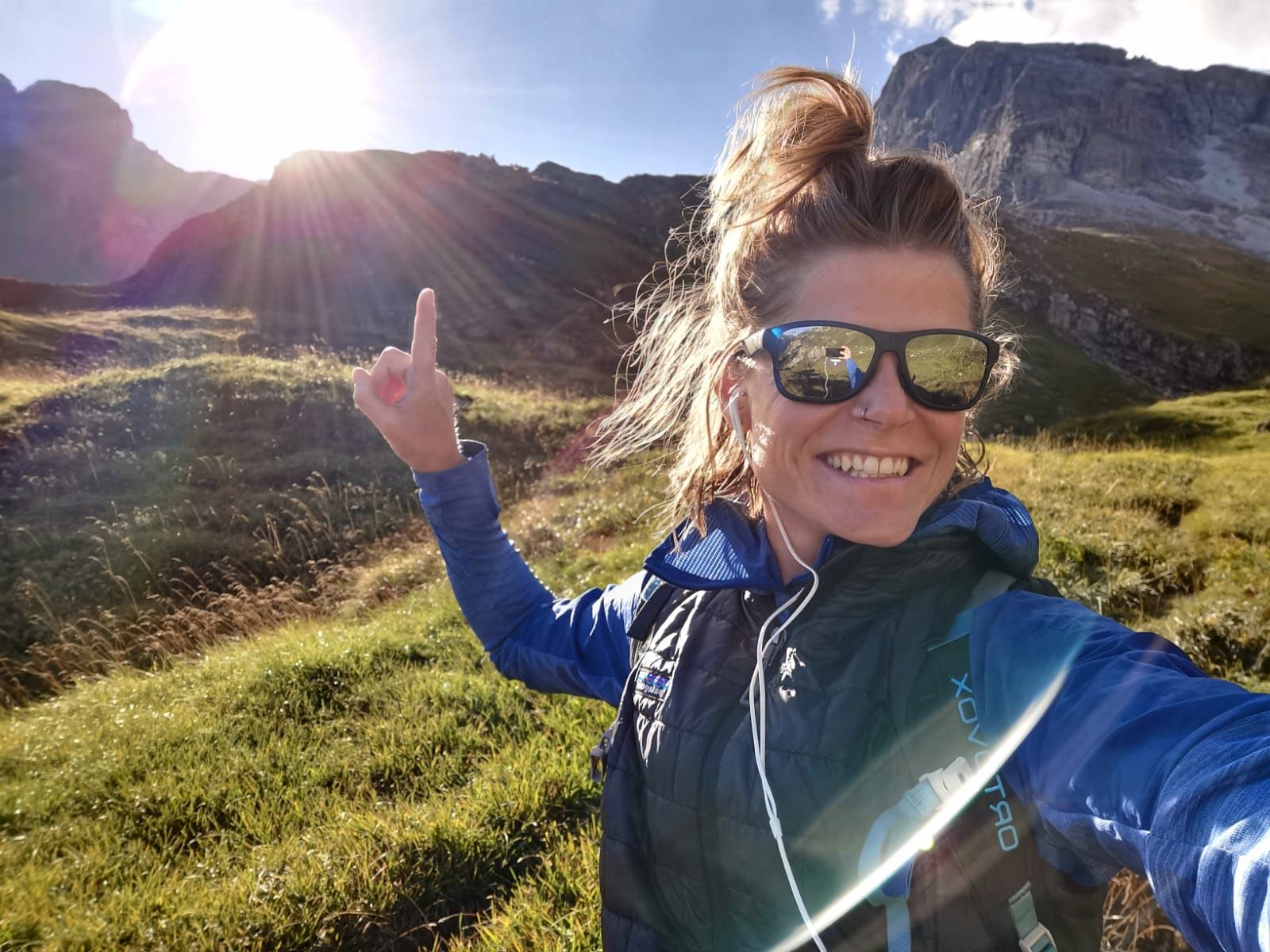
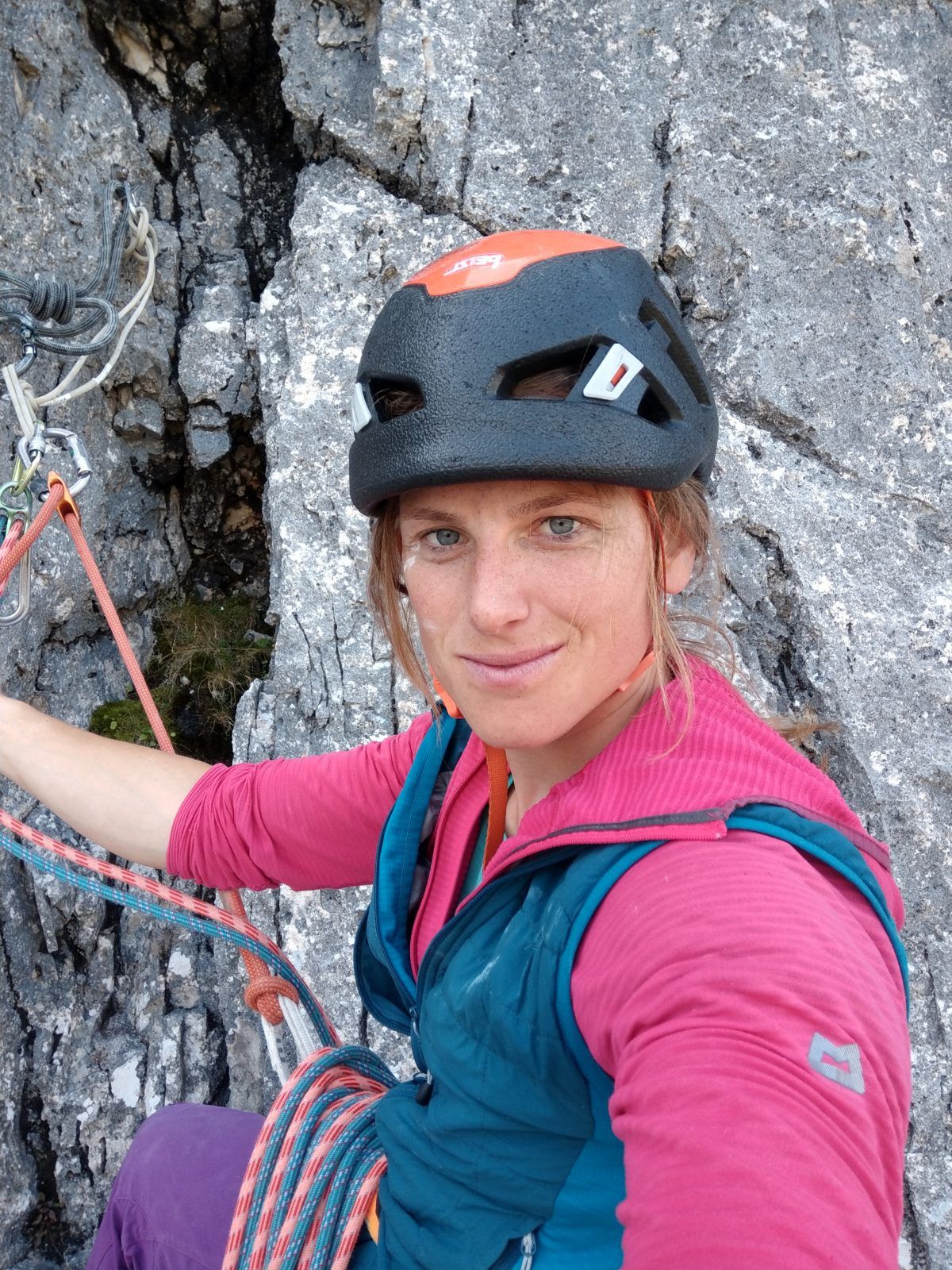
Portrait of Sofia Muigg

"For me, Mountain Guides are quite clearly men"

For a long time, Mountain Guides were men. Do you see it as a male-dominated profession?

For me, Mountain Guides are quite clearly a male-dominated profession. The explanation for this lies primarily in culturally ingrained role models: in the past, there were hardly any women on the mountains – and if there were, their achievements were never respected.

Admittedly, women do face certain disadvantages in this profession, for example in terms of raw strength. However, they bring many valuable qualities to the role, such as empathy and communication skills. On the one hand, this is based on my own experience; on the other hand, it also sounds very much like stereotyping – it’s not at all easy to avoid falling into this trap.

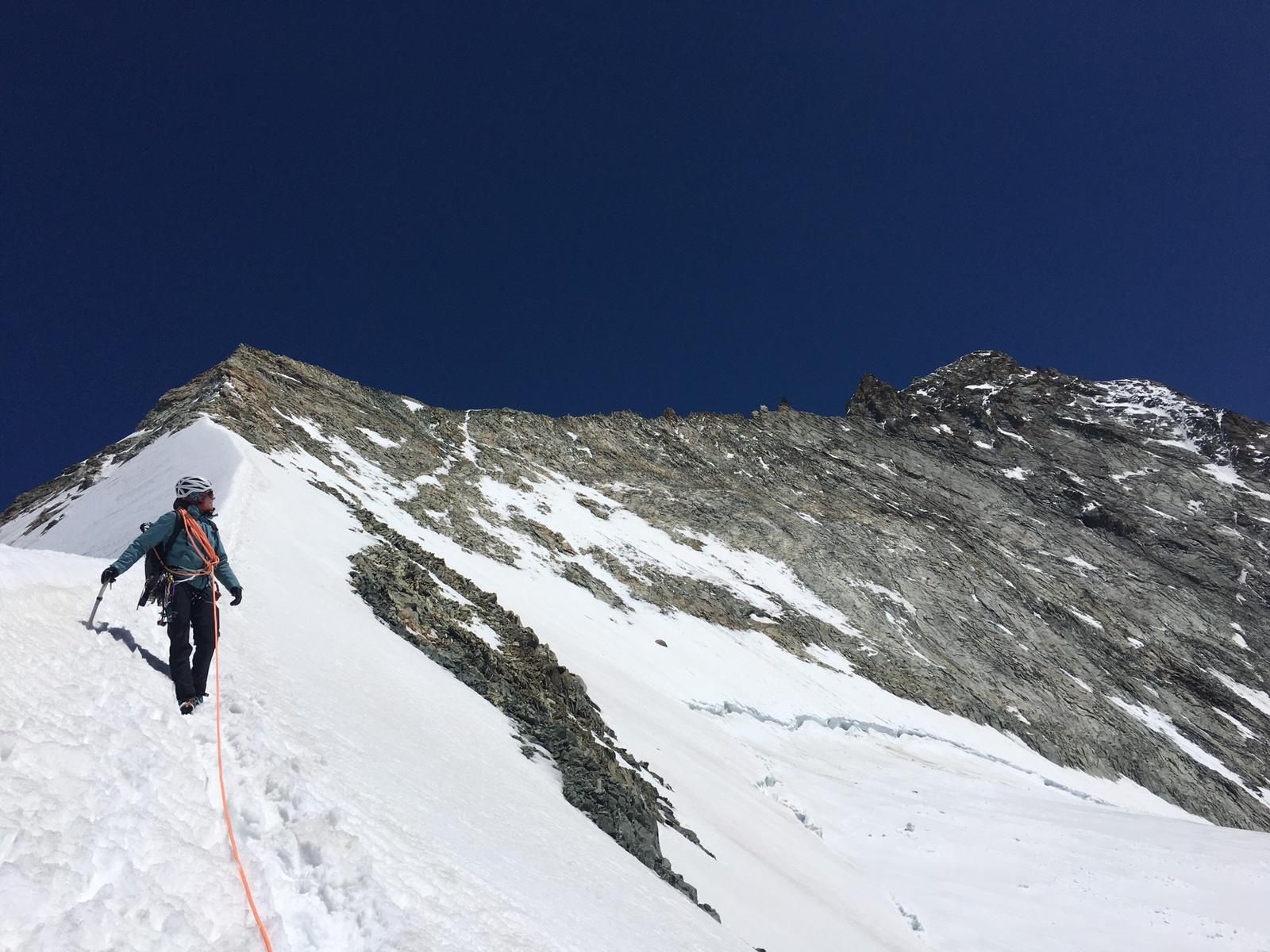
A generation that has become more self-reliant

At the moment, I’m seeing a massive shift in the generation following mine when it comes to ‘women’s’ mountaineering. Women have become much more self-confident, emancipated and self-reliant – there’s a lot happening right now.

I’m a little worried that, at first, it might end up as a competition between men and women rather than a spirit of cooperation. That could be because women feel they still have to prove themselves even more. That would be a shame.

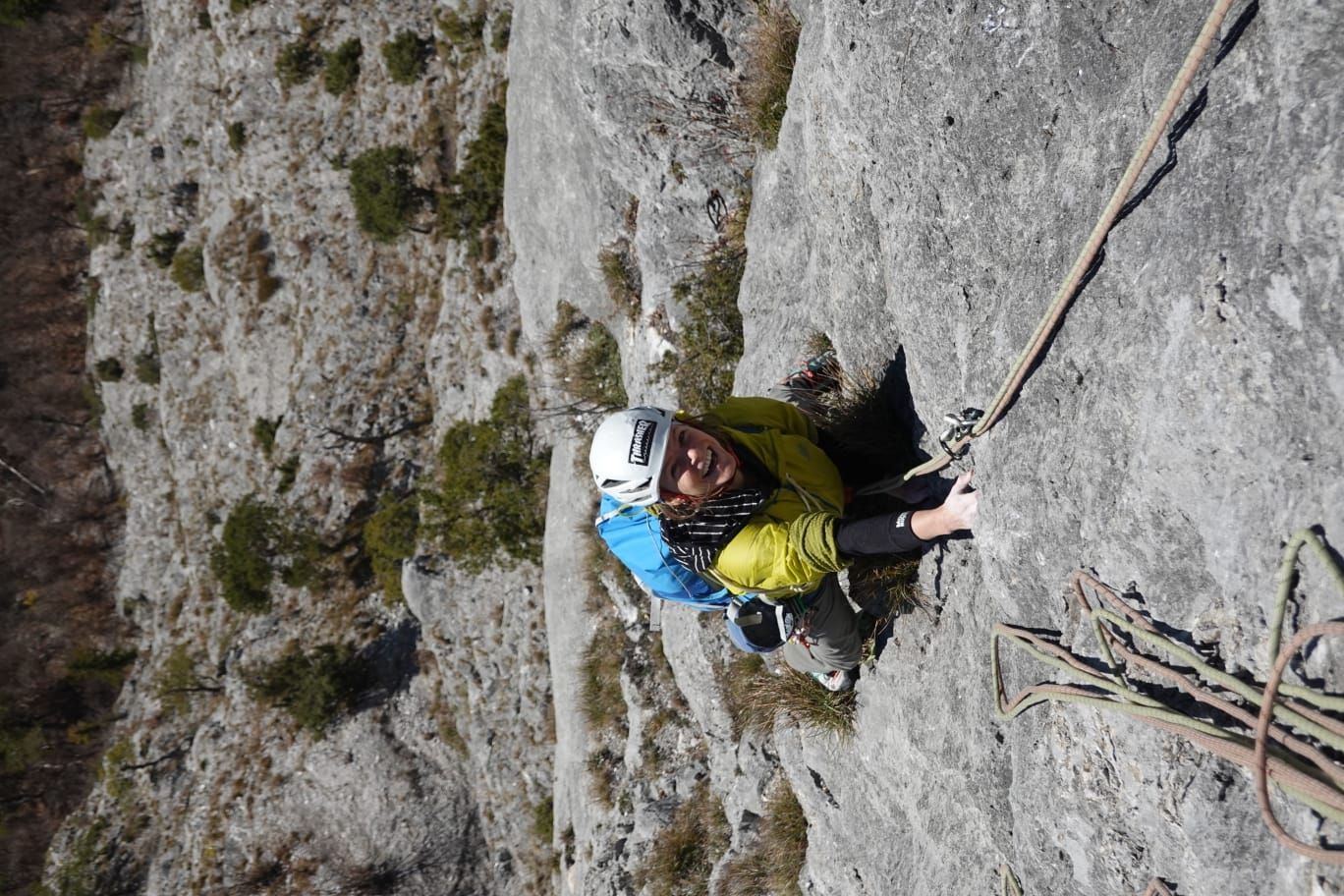
Sofia Muigg on a Rock Face

Tirol as a home: “Everything is close by and easily accessible”

You’re from Tirol. What are the advantages of living here as a mountaineer?

Tirol is brilliant for mountain sports enthusiasts. Everything is close by and easily accessible: Mountain Lodges/Huts, trails and mountains are well-maintained, so you never have to trek off somewhere with a tent for three days just to reach a summit. Tirol’s tourism is low-impact, yet it offers plenty of adventure if that’s what you’re looking for.

Another big advantage is the community – it’s much easier to get into mountain sports because there’s a group for everything. Of course, this also means there’s more competition: when so many good people are packed into such a small area, the jostling for position gets much fiercer. I also miss the peace and quiet at times – depending on where you go, there’s always a lot going on.

„Women have become much more self-confident, emancipated and self-reliant. There’s a lot going on at the moment.“

“You definitely don’t want to attract negative attention”

Do you feel that, as a woman, you’re treated differently at work?

I’m in my first year of training and I already feel that, as a woman, I get a bit more attention. Perhaps I’m just imagining it, because as a woman in a male-dominated profession, you’re bound to be more critical of yourself – you definitely don’t want to stand out in a negative way. So far, I’ve only had positive experiences with my colleagues on the training programme and the trainers.

However, how others react to you definitely depends on your personality. An important factor is the way you communicate and how you respond to different situations. Ultimately, getting on with one another is what matters most – and that aspect makes it irrelevant whether you’re a woman or a man.

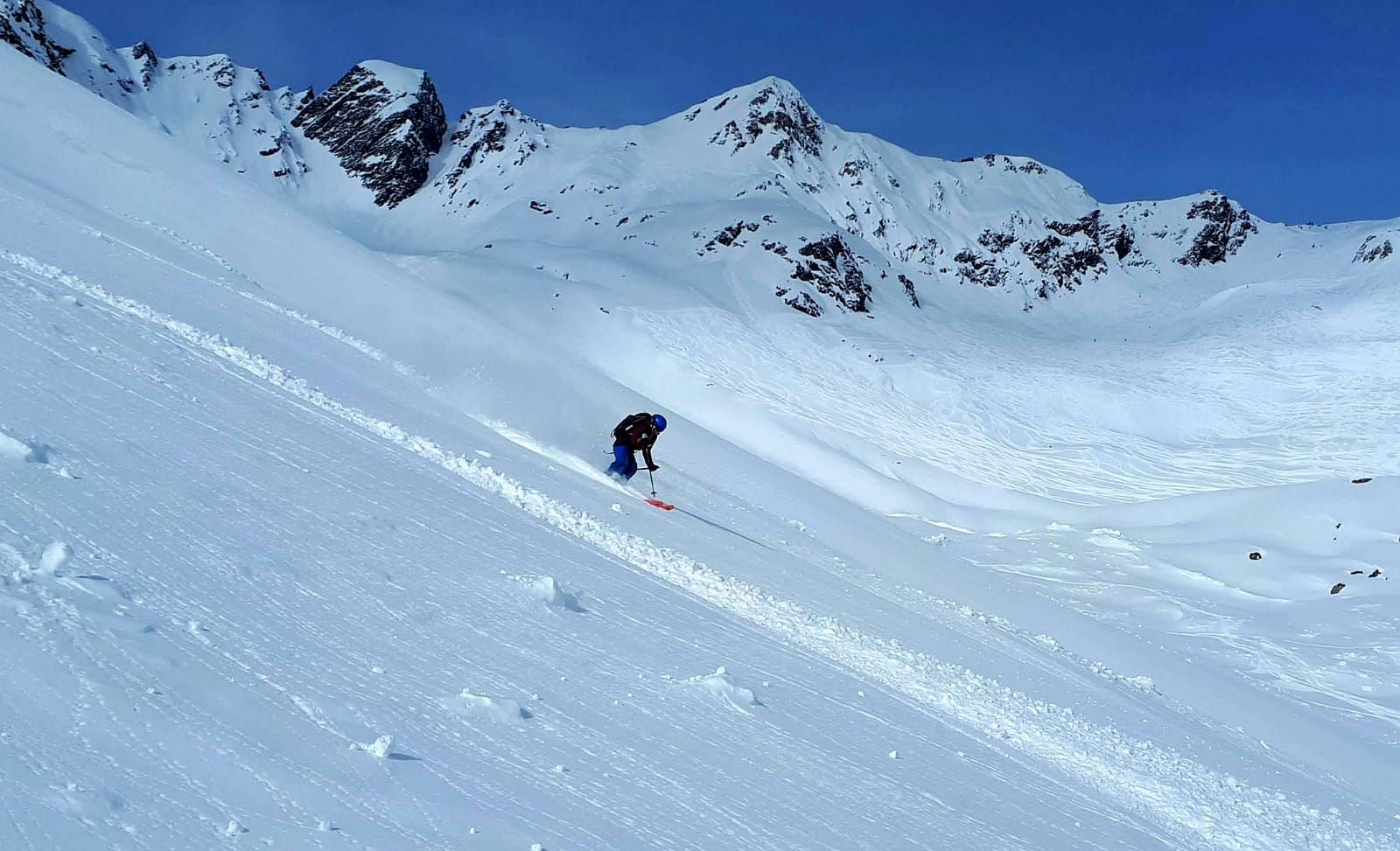
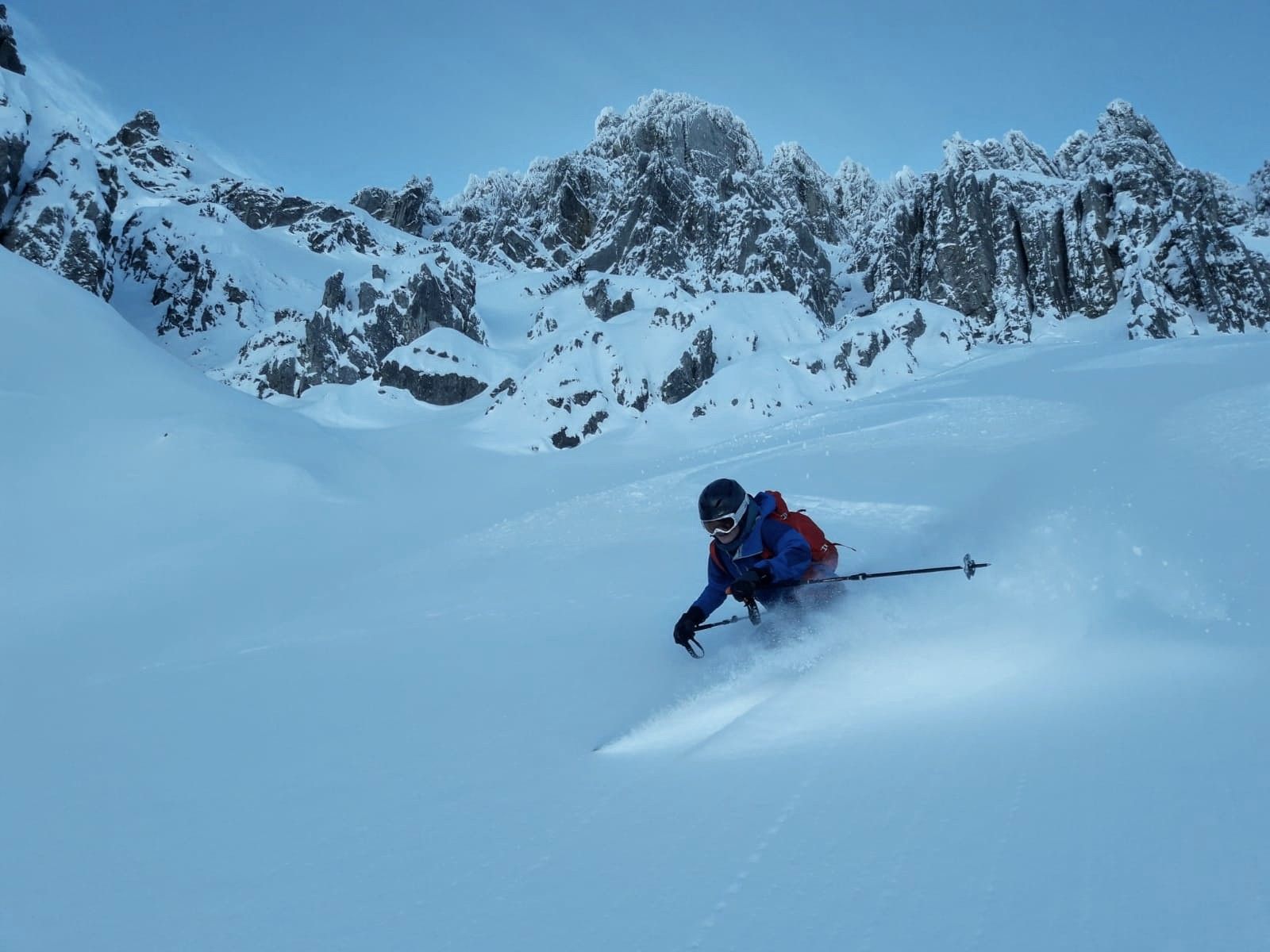
Sofia Muigg on a ski tour in the snow

Susi Süßmeier: Three reasons for the low rate

Why are there so few women working as mountain guides?

  1. Self-belief. Girls very often don’t believe they’re capable of certain things.
  2. Ambition. As a result, there are significantly fewer women who are ambitious enough in Mountaineering to meet the requirements or to want to undertake the training. After all, not every man who climbs mountains completes the training either.
  3. Timing. People often start the training between their mid-20s and mid-30s; the years leading up to that are characterised by a lot of Mountaineering. At that age, however, starting a family also becomes an important consideration, especially for women – so this certainly puts some off the idea.
Portrait of Susi Süßmeier

„The mountains are the same for everyone! This profession demands the skills that the mountains require.“

"Girls are the best role models for other girls"

Is mountain guiding easier for men?

Fortunately, the profession is very varied, so everyone can find a niche where they excel and feel at ease.

Do you see yourself as a role model for other women?

I think it’s great that there are lots of women leading the way as role models. There are some brilliant female mountaineers, ice climbers and rock climbers who share their achievements on social media. That’s important, because it’s made it normal to see women in what used to be male-dominated disciplines. It boosts your motivation to give it your all – because girls are the best role models for other girls.

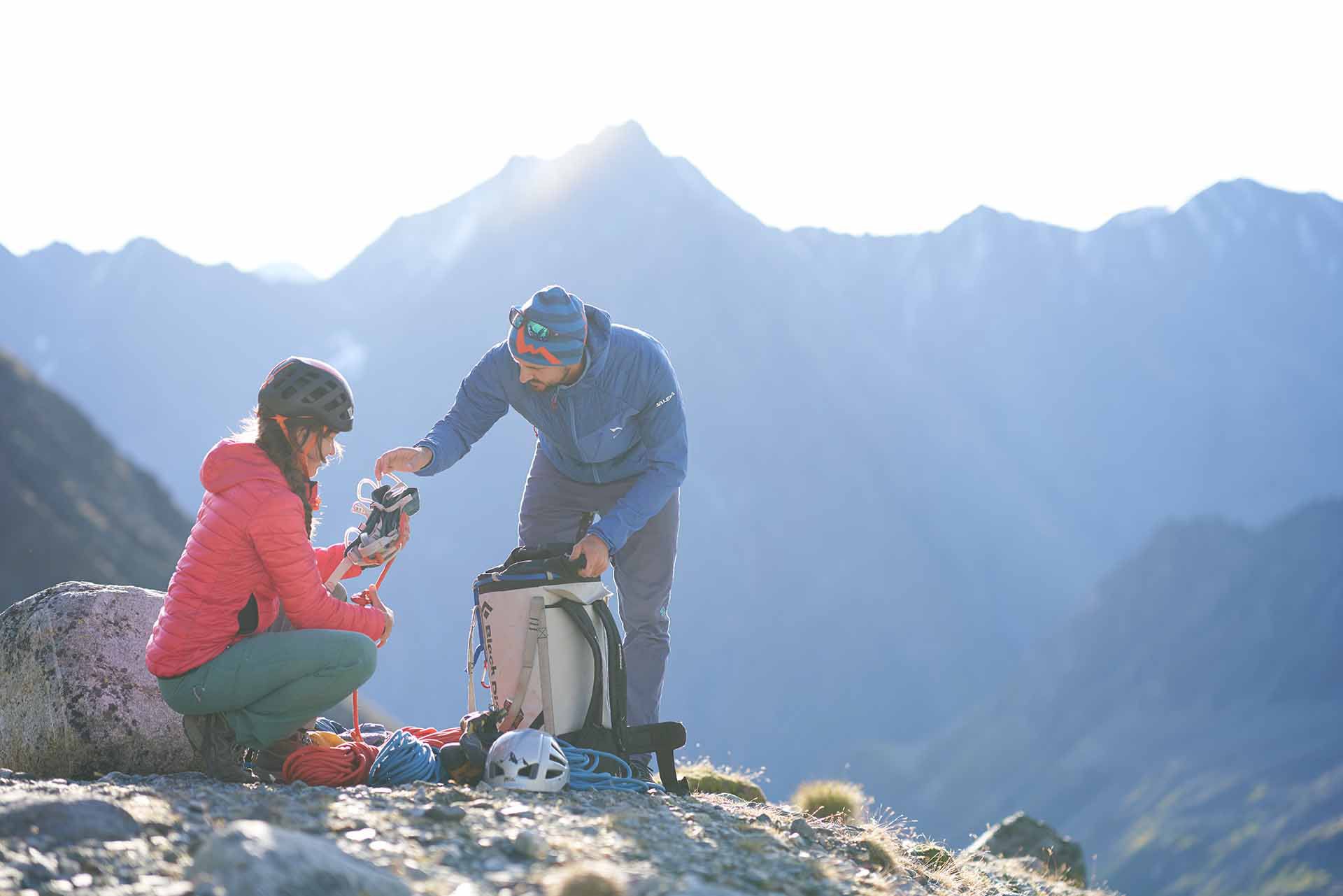
Susi Süßmeier on the mountain

"Just do it!"

What advice would you give to other women?

Just go for it! If you want to lead, get out there, gain experience and do the training. Tip: It’s best to get started with other women. That gives you double the motivation, and the question of whether a woman can do it doesn’t even come up. It’s such a wonderful profession with so many facets – it’s well worth pursuing this goal!

Susi Süßmeier on a ski tour in the snow

Thank you and respect

Our thanks and respect go not only to Sofia and Susi, but also to all the other women and girls who lead the way as role models, inspire others, break down barriers and ensure that the mountaineering community becomes a little more equal with every new female guide and mountaineer. Full steam ahead with girl power!

You might also be interested in these articles