
A trip to Little Canada: Alpine sport climbing in the Ötztal valley
Trees and mountains just like in the Rocky Mountains, but with a smaller carbon footprint: out and about amongst the Canadian-style gneiss at Nösslach in the Ötztal valley.
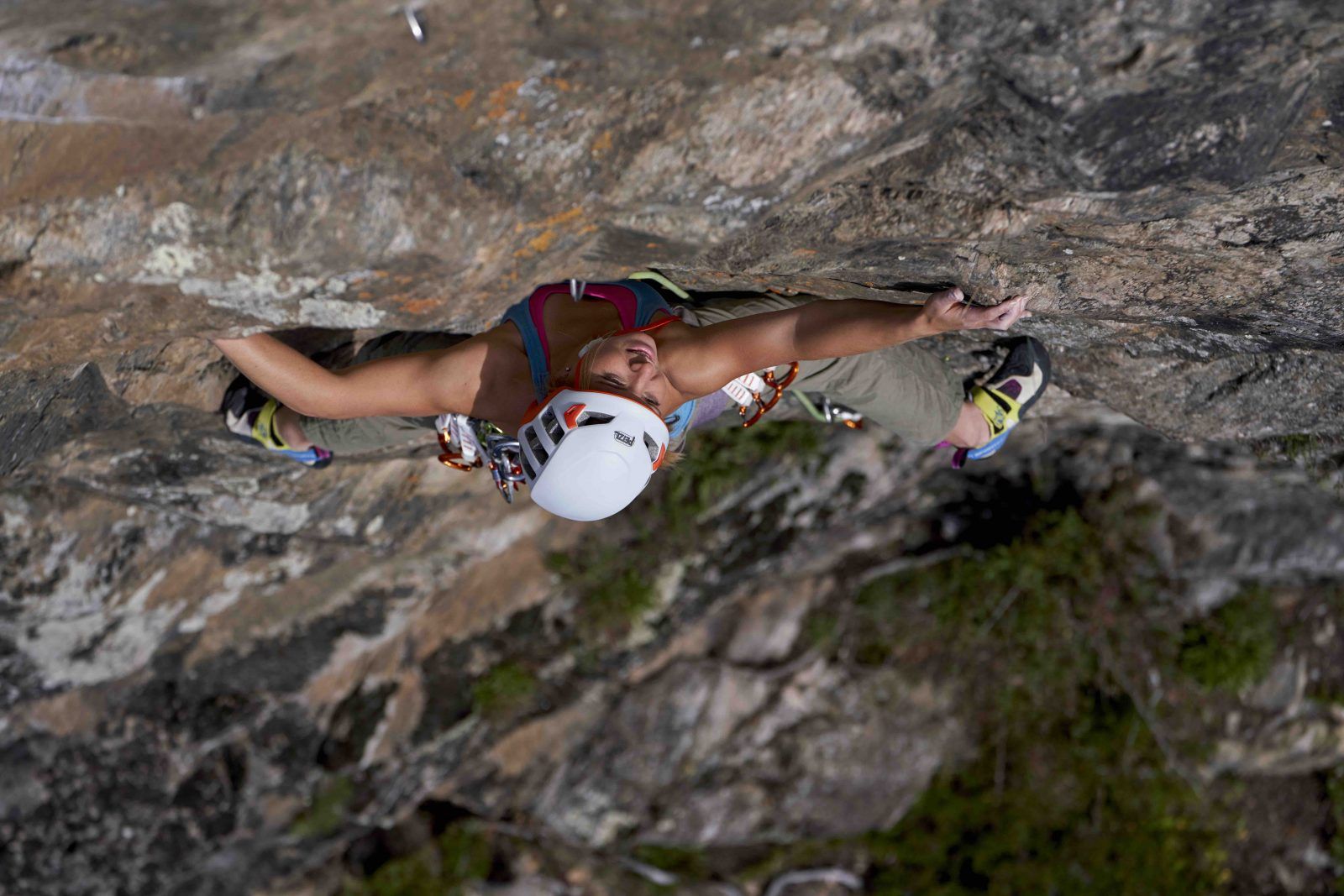

The vast landscape: trees and mountains just like in the Rocky Mountains. Except that the carbon footprint of a trip to theÖtztal is slightly smaller. Magdalena Hofinger and Chanti Gründler are testing the Canadian-style gneiss in ‘Utopia’ (8.).
Utopian! That’s how people dismiss something when an idea is seen as unrealistic, or even unachievable. Yet for Magdalena, the features of ‘Utopia’ are anything but utopian – she strolls through the Schlüsselpassage with a firm grasp of reality.
Text: Gebi Bendler | Photos: Michael Meisl
„What are mountains? A pile of stones? Or a playground of our dreams, of adventure … A circus in which we ourselves are the tamer of our own deeds?“
These lines were penned by Reinhard Schiestl. His name is inextricably linked with the history of climbing in the Ötztal: he was not only the author of evocative poetry, but also the creator of countless climbing routes. Until his tragic death in a car accident in 1995, the primary school teacher was regarded as one of the world’s finest mountaineers. As a teacher, he taught the children of the Ötztal not only arithmetic and writing, but also climbing. His efforts bore fruit: his climbing school produced World Cup climbers and professional mountaineers such as Hansjörg Auer.
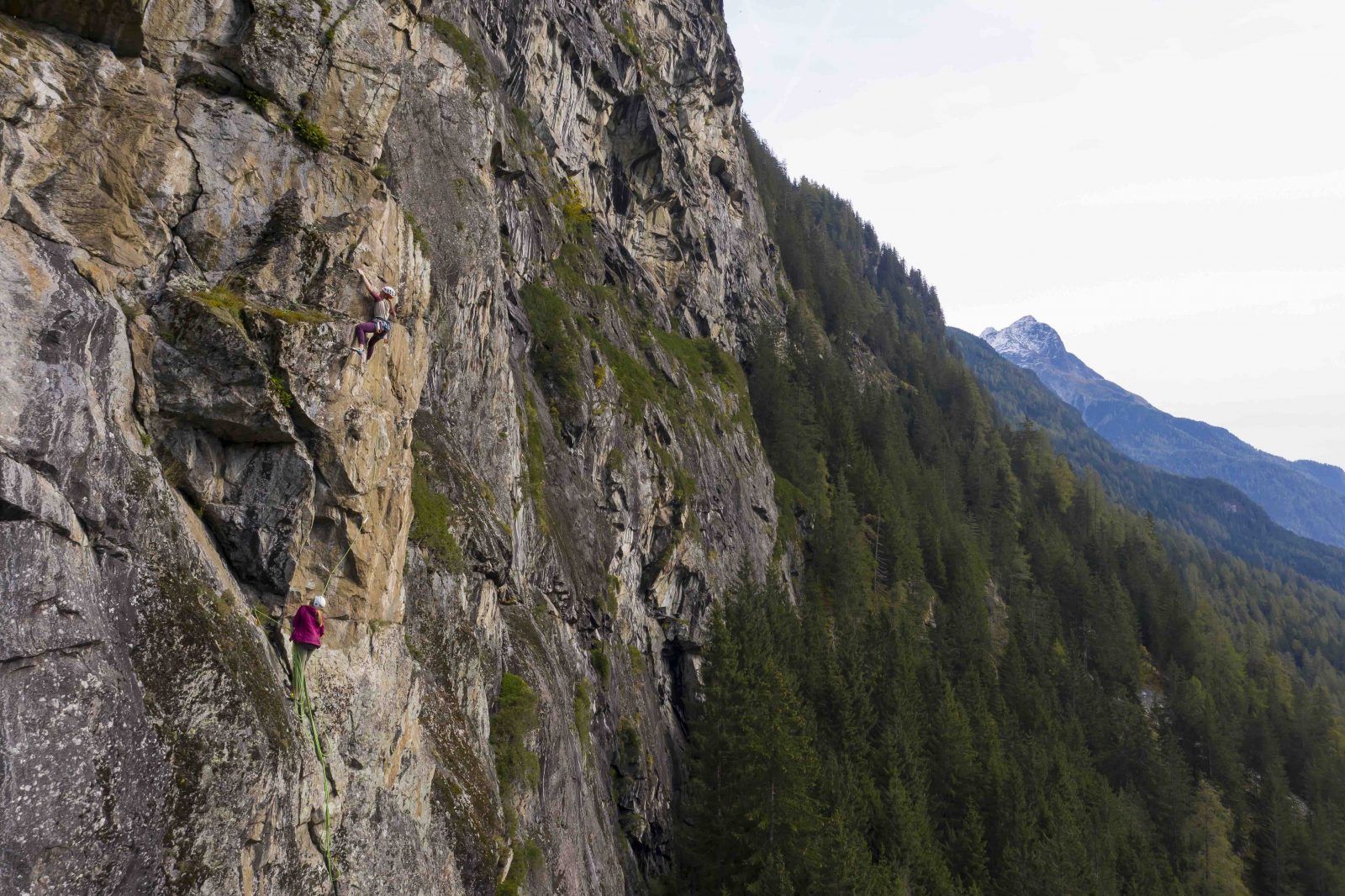
‘Schmoaß’ means ‘happiness’ in the Ötztal dialect, which has been on the UNESCO Intangible Cultural Heritage list since 2010. Chanti can count himself lucky too – for what could be better than bolting down the ledges typical of Nösslach?
A bit of literature: in 1516, Thomas More published *Utopia*, in which he envisaged an ideal, yet fictional, social order. Unfortunately, this background knowledge about the route’s name is of absolutely no help to Chanti in tackling the challenge ahead.
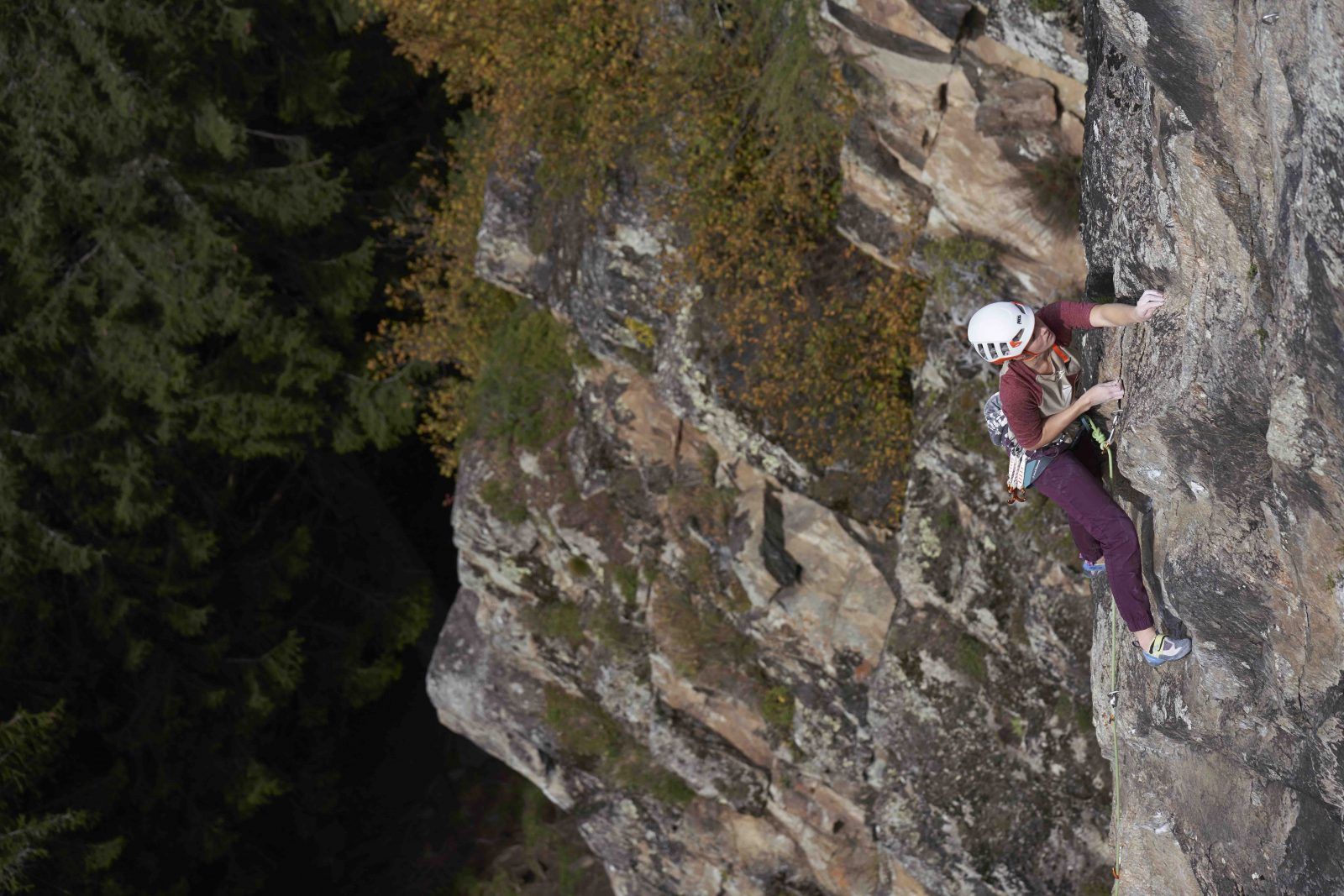
The Rock Climbing Areas have also flourished: there are now around 750 well-secured routes in theÖtztal – and yet another new generation of fit climbers. Just as they are for Reinhard and Hansjörg, for 22-year-old Tobias Holzknecht and 20-year-old Leo Moser, the mountains of their homeland are far more than just a pile of rocks.
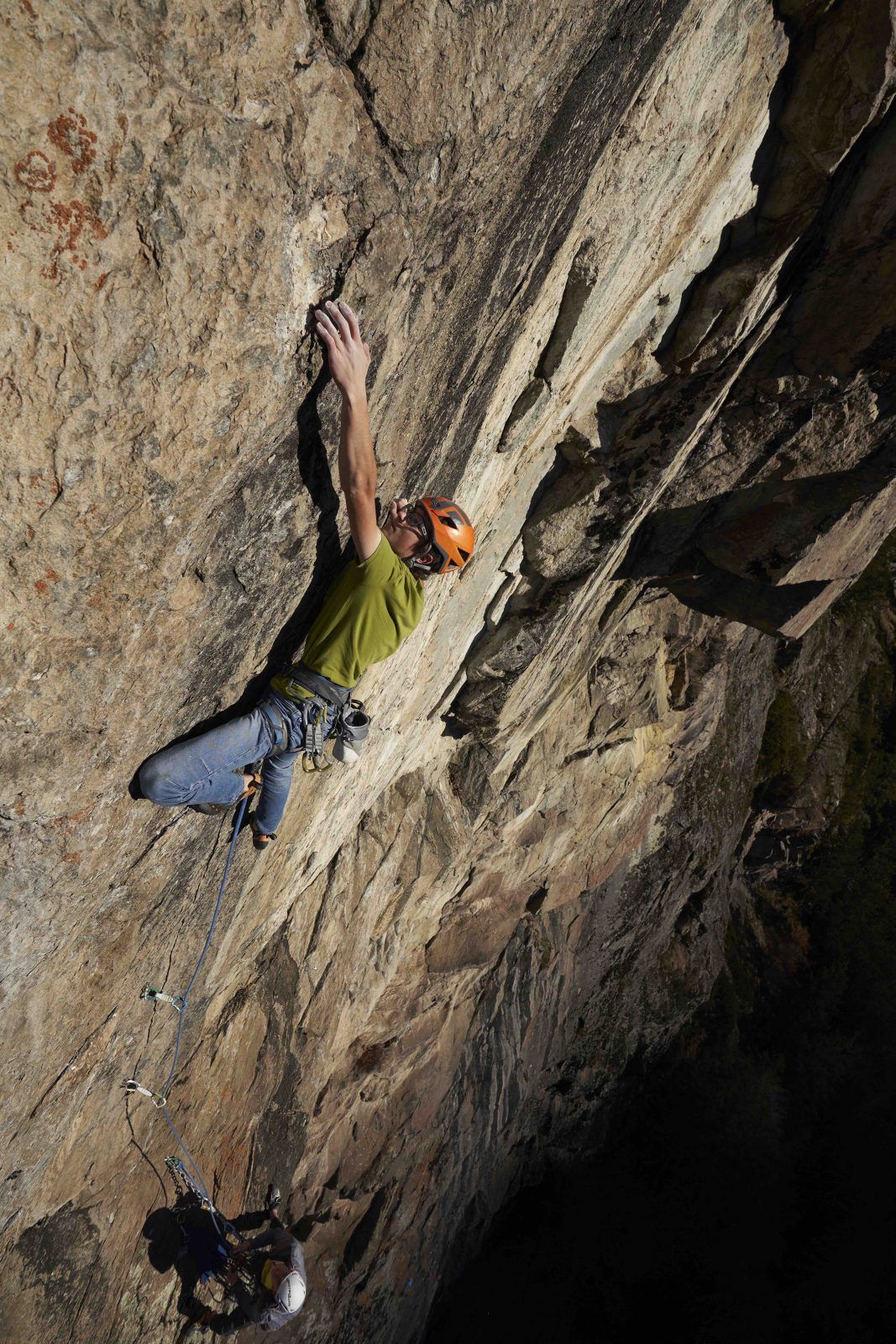
For the pair of them, the ‘Boulevard of Broken Dreams’ route – even if the name might suggest otherwise – is the fulfilment of a small but wonderful climbing dream right on their doorstep. And at the same time, a canvas for their unfulfilled longings: “The rock in Nösslach is said to bear a certain resemblance to the famous Squamish in Canada. One day I’d like to go to Canada to check whether that’s actually true,” says Leo.
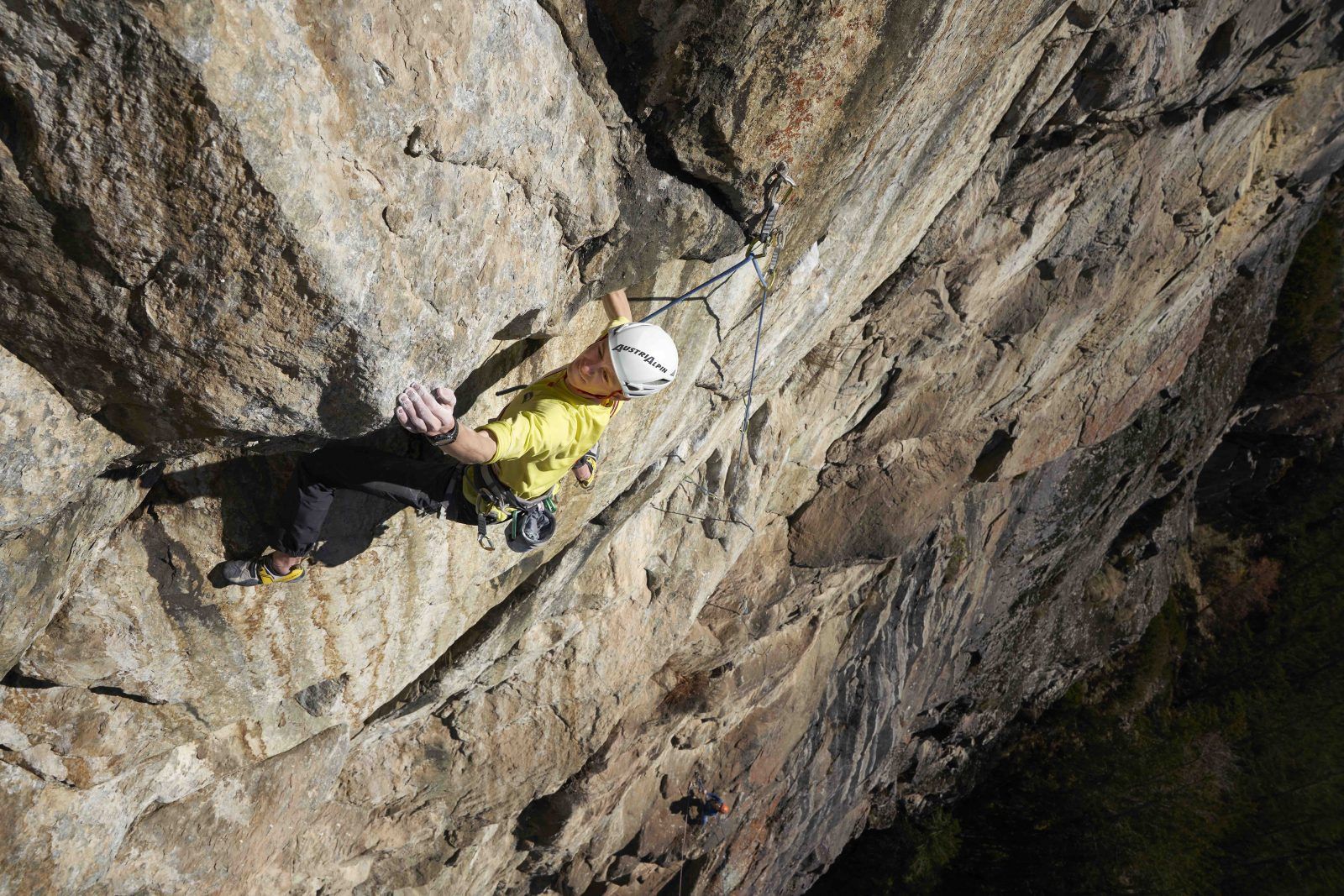
Across the eight pitches of the“Boulevard of Broken Dreams”, climbers attempting the route face difficulties of up to 9+/10-. This doesn’t faze the all-round alpine climber Tobias Holzknecht in the slightest. And Leo Moser is one of the young, daring climbers from the Ötztal who grew up strong and tall on the local crags: just a little more of a stretch, and he’ll have the crux pitch in the bag.
In this issue, we’ve devoted ourselves entirely to alpine climbing in Tirol. Across 136 pages, we showcase Tirol’s impressive vertical diversity – with fascinating stories from 15 climbing spots that offer a deep insight into the history of alpine climbing in Tirol.
Tips & Safety
Would you like to know more about climbing safety? Click here for our safety tips.


